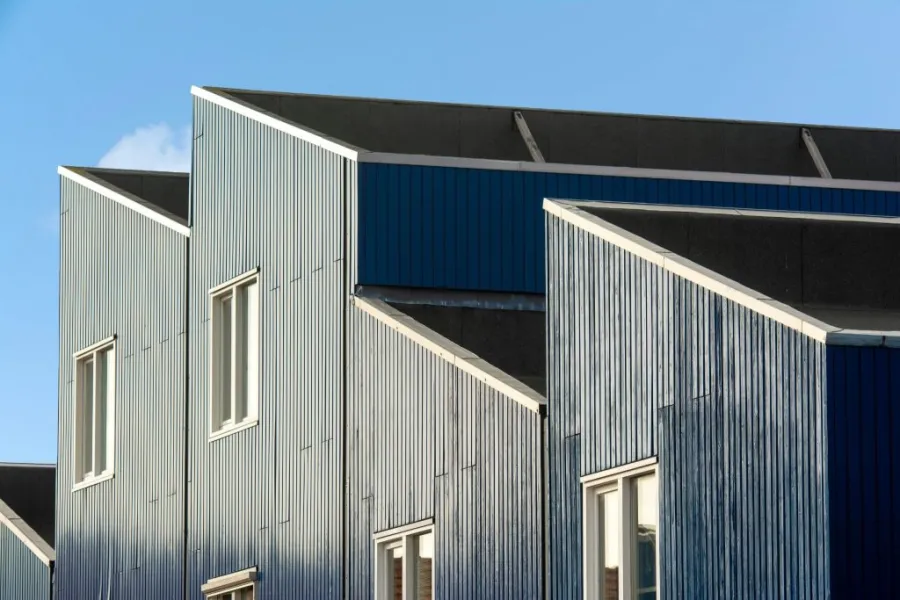
En observant ce bâtiment moderne, vous vous êtes peut-être demandé comment il parvient à conserver une finition élégante tout en vous protégeant des intempéries. Le secret réside dans le revêtement. Nombreux sont les professionnels du bâtiment et les particuliers qui s'interrogent sur la nature du revêtement lorsqu'ils envisagent un nouveau projet.
En termes simples, le bardage est une couche extérieure ajoutée à un bâtiment pour le protéger et améliorer son apparence. C'est une alternative durable à des bâches en plastique Utilisé dans le même but, le bardage joue un rôle à la fois fonctionnel et décoratif dans l'architecture moderne. Il protège la maison des intempéries comme la chaleur, la pluie et le vent, tout en rehaussant son esthétique.
Ce guide vous expliquera tout ce que vous devez savoir sur le revêtement, ses types, ses avantages, ses matériaux et ses utilisations.
Qu'est-ce que le bardage ?
Pour bien comprendre ce terme, imaginez un revêtement extérieur appliqué à la structure d'un bâtiment. Cette couche fait partie intégrante de la charpente et sert à la fois de protection et d'élément décoratif. Le terme « bardage » désigne donc une technique permettant d'améliorer la durabilité et l'esthétique d'un bâtiment.
Il est couramment utilisé dans la construction résidentielle et commerciale pour offrir une protection contre les dommages environnementaux et améliorer l'efficacité énergétique tout en apportant une touche visuelle créative.
Qu'est-ce que le bardage ?
La question suivante, souvent posée, est : qu’est-ce que le bardage ? Il s’agit du processus d’installation de matériaux sur la structure d’un bâtiment, qui consiste à :
- Préparation de la surface
- Installation d'un cadre de support
- Fixation des plaques de revêtement
- Scellage
Pour une isolation durable et une sécurité optimale, la pose d'un bardage nécessite une installation soignée. Elle requiert une main-d'œuvre qualifiée afin d'éviter les problèmes d'infiltration d'eau ou de baisse d'efficacité énergétique. Ainsi, lorsqu'on s'intéresse au bardage, il est tout aussi important de comprendre le processus d'installation.
Qu'est-ce qu'un revêtement dans le secteur de la construction ?
Examinons plus en détail le revêtement en construction. Dans ce domaine, il s'agit du procédé consistant à appliquer un matériau sur un autre pour former une enveloppe extérieure sur un bâtiment. Cette enveloppe remplit de multiples fonctions, telles que :
- Assurer l'isolation
- Protéger le bâtiment des intempéries
- Améliorer l'aspect du bâtiment
- Augmentation de la durabilité
Le bardage s'applique aux murs, aux toitures et aux surfaces intérieures. Très répandu dans la construction moderne, il permet aux constructeurs d'allier esthétique et performance. Comprendre le bardage dans ce contexte permet de saisir son importance dans le monde actuel.
Qu'est-ce qu'une plaque de revêtement ?
Pour en apprendre davantage, il faut se familiariser avec le terme «feuille de revêtement« Il s’agit d’un panneau plat utilisé comme couche extérieure d’une structure. Il existe en divers matériaux comme le métal, le PVC, le bois et le fibrociment. »
Les panneaux de revêtement sont populaires pour les raisons suivantes :
- Facilité d'installation
- Nature légère
- Solution rentable
- Variété de designs
Elles sont couramment utilisées dans les bâtiments industriels, les entrepôts et les maisons innovantes. Comprendre le revêtement implique d'en appréhender les différentes formes.
Qu'est-ce qu'un revêtement de maison ?
Quand les constructeurs demandent ce qu'est un revêtement sur une maison, ils font référence au revêtement extérieur appliqué aux bâtiments et maisons d'habitation. Cela peut être dû à de nombreuses raisons, comme :
- Pour une meilleure isolation
- Augmentation de l'efficacité
- Protéger le mur des intempéries
- Augmentation de la valeur de la propriété
Dans les maisons modernes, il est utilisé comme alternative aux enduits traditionnels en plâtre ou en brique. Il permet de personnaliser l'aspect d'une propriété. C'est une autre façon concrète de comprendre ce qu'est un revêtement au quotidien.
Formes de matériaux de revêtement
Le revêtement se présente sous différentes formes. variété de matériaux qui offrent des avantages uniques. Le choix du matériau approprié dépend de facteurs tels que le climat, le budget et les priorités en matière de design. Voici quelques types de matériaux de revêtement :
- Le bois
Le bois est un matériau naturel qui confère une ambiance chaleureuse. Il nécessite un entretien régulier et est très apprécié pour les constructions résidentielles.
- Métal
Les métaux comme l'acier et l'aluminium sont durables. Ils nécessitent peu d'entretien et sont couramment utilisés dans les bâtiments commerciaux.
- Brique
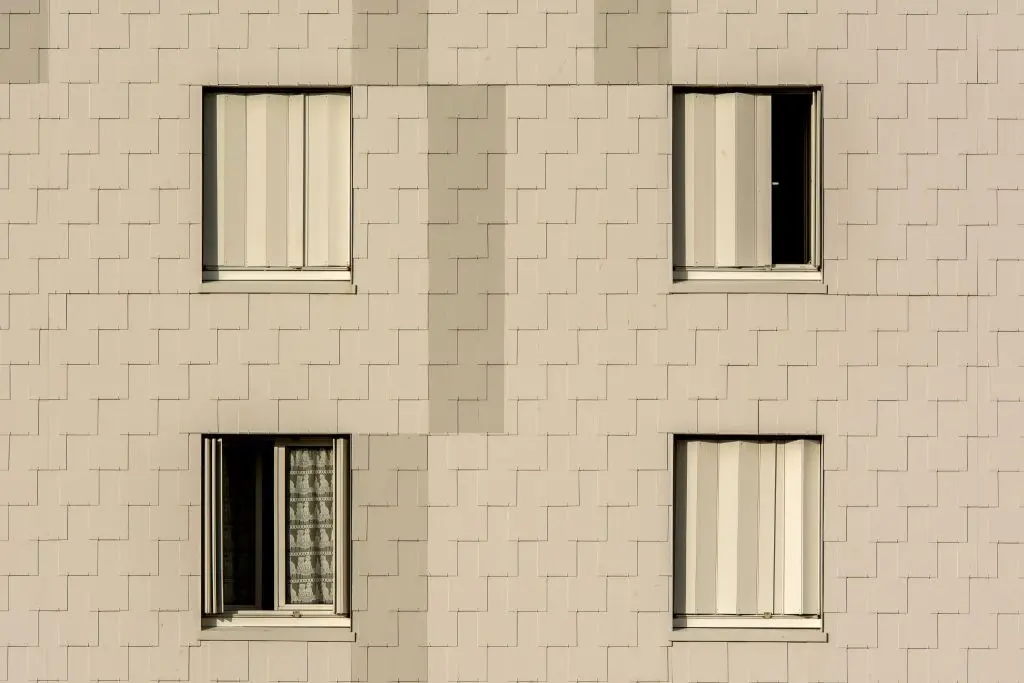
La brique confère un aspect unique et classique, tout en assurant une grande durabilité. Grâce à ses propriétés ignifuges, elle offre une protection contre les incendies.
- Pierre
La pierre confère un aspect élégant et soigné. Elle est très résistante, mais plus chère que d'autres matériaux.
- Obturation En
Il combine différents éléments pour créer une alternative de revêtement polyvalente.
Chacun des matériaux mentionnés ci-dessus décrit le revêtement en montrant sa grande polyvalence en termes de fonctionnalité et de design.
Avantages du revêtement
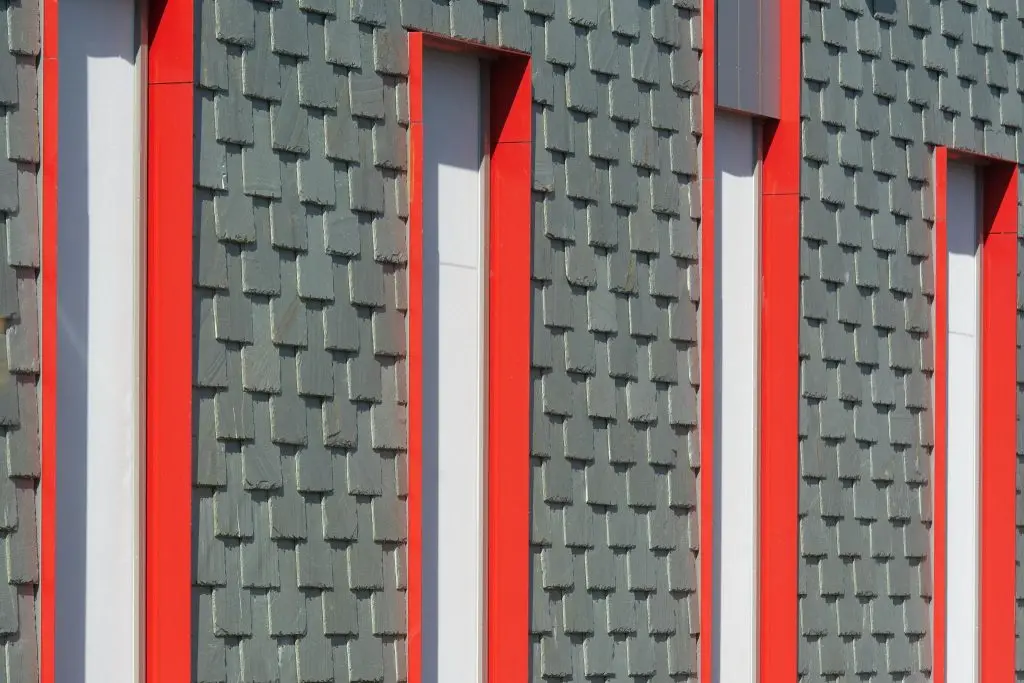
Il est important de comprendre ses avantages, ce qui explique sa large utilisation. Voici ses avantages :
- Protection contre les intempéries : Il agit comme un une barrière Il protège le bâtiment du vent, de la pluie et du soleil, préservant ainsi son intégrité face aux intempéries.
- Attrait esthétique : Il améliore l'apparence des bâtiments et offre une variété de styles
- Isolation thermique : Elle maintient la température intérieure et réduit les pertes de chaleur.
- Durabilité : Elle protège la structure du bâtiment contre les dommages extérieurs et augmente sa durée de vie.
- Entretien facile : les matériaux de revêtement nécessitent un entretien minimal par rapport à d’autres méthodes.
- Une bonne isolation : elle réduit le bruit extérieur et rend les espaces intérieurs plus confortables.
Ces avantages expliquent pourquoi les gens recherchent des revêtements de façade lorsqu'ils planifient des projets de construction.
Quels facteurs prendre en compte avant de choisir un revêtement ?
Il est important de prendre en compte plusieurs facteurs avant de choisir un revêtement :
- Budget
Le coût de chaque facteur est différent ; choisissez donc celui qui correspond à votre budget.
- Climat
Choisissez des matériaux capables de résister aux conditions climatiques locales.
- Entretien
L'entretien des matériaux varie selon les matériaux. Certains nécessitent plus d'entretien que d'autres.
- Priorités esthétiques
Choisissez le design et l'apparence que vous souhaitez obtenir selon vos préférences.
- Durabilité
Assurez-vous que le matériau soit suffisamment robuste pour durer des années.
- Sécurité
Certains matériaux de revêtement présentent des risques d'incendie ; il est donc préférable de privilégier les matériaux conformes aux normes de sécurité.
La prise en compte de ces facteurs est essentielle pour décider de la mise en œuvre concrète du revêtement.
Les utilisations courantes
Le bardage s'applique à différents types de bâtiments : maisons individuelles, structures industrielles, bâtiments commerciaux et projets de rénovation. Il est utilisé aussi bien à l'intérieur qu'à l'extérieur, selon les exigences du design.
Revêtement contre plâtre ou peinture
Le bardage est beaucoup plus durable et efficace que les autres méthodes traditionnelles, comme… des bâches en plastique Pour les fenêtres, il offre un aspect moderne et une bonne isolation. Son coût est légèrement supérieur aux finitions traditionnelles, mais sa durée de vie est plus longue.
Le bardage est-il un bon investissement ?
Après avoir comparé le bardage à d'autres matériaux de finition, vous pouvez désormais l'envisager si vous souhaitez une structure de bâtiment durable et écoénergétique. Il offre des avantages à long terme qui dépassent largement l'investissement initial.
Que vous construisiez une nouvelle maison ou que vous rénoviez une ancienne, connaître les revêtements de façade peut vous aider à faire le bon choix.
Conclusion
En résumé, vous possédez une compréhension approfondie du revêtement et des raisons pour lesquelles il est préférable de le privilégier. Il s'agit de bien plus qu'une simple couche extérieure ; il offre… solution multifonctionnelle Pour la protection, l'isolation et l'esthétique générale.
Nous avons exploré en détail ce qu'est un revêtement de maison et tout ce que vous devez savoir à ce sujet. Malgré l'évolution des techniques de construction, il demeure un élément essentiel de la conception des bâtiments. Que vous soyez propriétaire ou simplement curieux, quel que soit votre projet, découvrir le revêtement vous permettra de mieux comprendre les pratiques de construction et l'architecture modernes.