You grab your grinder to pack in a new bowl. But the lid sticks. The threads crunch. This sticky “gunk” spoils the fun and dulls the flavor you enjoy. A dirty grinder will squabble with you every time. Resin accumulates, teeth jam, and all of a sudden, it feels like you’re doing a chore! The good news? This can be remedied quickly. In this article, we share 10 practical, step-by-step tips to keep your metal grinder clean, smooth, and long-lasting. There will be no frills, no history lessons, just simple things that will work, and you will learn about alcohol soaks, freezing tricks, and smart storage habits.
Le right cleaning tools and products can also help ensure the metal surface won’t suffer unnecessary damage. Proper storage is also essential when selecting the best metal grinder for home use. Here are 10 practical tips to help you clean, maintain, and care for your metal grinder. These easy steps help keep your grinding machine running smoothly, clean, and in proper working order for longer.
Tips for Maintaining and Cleaning Your Metal Grinder
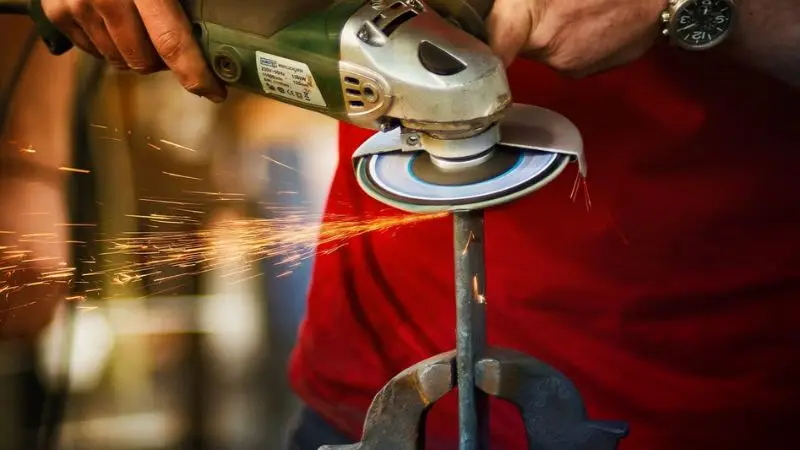
Regular cleaning removes resin buildup, resin sticking, and corrosion. If you have a stubborn buildup, use simple tools such as a stiff brush, a toothpick, and isopropyl alcohol to clean it safely. Avoid metal tools, as they can scratch or dislodge the grinder. Regular cleaning helps extend the grinder’s life and supports reliable operation.
Recommandé pour votre projet
Clean Your Metal Grinder Regularly
Resin accumulation occurs rapidly. Each session leaves residue on the teeth, threads, and screen. That layer can harden like glue if you don’t clean it. Your grinder begins to stick, and your herb becomes bitter and stale. Cleaning should be routine, not a last resort. It takes about three minutes to brush your teeth after each use. A weekly deep clean keeps everything running smoothly! You’ll notice the difference right away. The lid rotates freely, the teeth stay sharp, and each grind is easy. Regular maintenance also protects your investment. The best grinder for removing rust from metal is expensive, but it works. Grease and plant products form a barrier to moisture on the metal surface. Eventually, the moisture promotes rust and corrosion. A simple cleaning routine can prevent the damage. Just like flossing your teeth, a little here and there prevents a big issue later.
Use the Right Tools for Cleaning
You don’t need to buy fancy products to keep a cabinet clean. You can do almost every task with a few simple cleaning tools. Take a small brush with firm bristles. An old toothbrush is perfect for scrubbing the teeth and threads. For residue in hard-to-reach areas, use a toothpick or wooden skewer. Use isopropyl alcohol for more nettoyage intensif. It can rapidly dissolve resin and evaporates without leaving residue. If you also have the best grinder for cutting metal in your workshop, have your tools cleaned and properly maintained. Dip the disassembled parts in alcohol for approximately half an hour. Then use your brush to remove the softened ‘gunk’. Rinse thoroughly with warm water, then dry all parts completely before reassembling. Don’t use metal tools such as knives or screwdrivers. They scratch the surface and make rough spots. The scratches then attract further deposits. They can also affect the seal accuracy between the lid and base. Use only wood, plastic, or soft bristles. You’ll get years of trouble-free service out of your grinder.
Inspect Your Metal Grinder Before Each Use
A quick inspection before each use can help you identify problems before they become more serious. Look over the grinder for visible damage, cracks, loose screws, or worn components. Check that important parts appear secure and properly positioned. Also pay attention to anything that looks different from normal, such as damaged covers or unusual movement. If you notice a problem that could affect safe operation, do not continue using the grinder until it has been addressed. Regular inspections take only a few minutes but can help support safer and more reliable operations.
Lubrifiez régulièrement les pièces mobiles
Some metal grinders have moving parts that require periodic lubrication to operate properly. Check the manufacturer’s instructions to determine which components need lubrication and how often it should be applied. Always use the type of lubricant recommended for your specific grinder. Applying too much lubricant can attract dust and debris or create other maintenance problems, so use only the recommended amount. If a component does not require lubrication, avoid applying oil or grease unnecessarily. Following the correct lubrication schedule can help reduce friction and wear while supporting smooth operation over time.
Keep Your Metal Grinder Dry to Prevent Rust
Moisture can cause metal surfaces to corrode, especially when a grinder is stored in a damp environment. Keep your metal grinder away from water and excessive humidity whenever possible. After cleaning or using the grinder in a damp area, wipe moisture from accessible metal surfaces with a clean, dry cloth. Store the tool somewhere dry with suitable ventilation rather than leaving it in a wet or exposed location. Regularly checking for early signs of rust can also help you address corrosion before it spreads. Proper moisture control helps protect metal components and supports longer-lasting performance.
Replace Worn or Damaged Components
Worn or damaged components can affect how a metal grinder operates and may create additional safety concerns. Regularly check grinding parts and other components for signs of excessive wear, cracks, or damage. If a part no longer meets the manufacturer’s requirements, replace it rather than continuing to use it. Choose compatible replacement parts that are approved or recommended for your specific grinder model. Avoid modifying components or using unsuitable alternatives. Following the manufacturer’s replacement guidelines helps maintain the tool’s intended operation and can reduce the risk of problems caused by damaged or incorrectly fitted parts.
Check for Proper Alignment and Loose Parts
Regularly checking alignment and fasteners can help keep your metal grinder operating as intended. Inspect bolts, screws, and other accessible fasteners to make sure they have not become loose during use. Also pay attention to unusual vibration, movement, or changes in the way the grinder operates. These signs may indicate that a component needs inspection or adjustment. Never guess when making mechanical adjustments. Instead, follow the manufacturer’s instructions for checking alignment and tightening parts. Addressing loose or misaligned components early can help reduce unnecessary wear and support smoother, more consistent operation.
Avoid Overloading Your Metal Grinder
Using a metal grinder within its recommended capacity helps reduce unnecessary strain on the tool. Check the manufacturer’s specifications and avoid forcing the grinder through material that is too thick, hard, or otherwise unsuitable. Excessive pressure can increase wear and may cause the tool to work harder than intended. During extended use, allow the grinder to cool when the manufacturer’s instructions recommend doing so. Avoid ignoring unusual heat, sounds, or changes in performance. Working at an appropriate pace and within the tool’s limits can help protect its components and support dependable performance.
Check the Power Cord and Ventilation
For electric metal grinders, regularly inspect the power cord, plug, and visible connections for signs of damage. Look for cuts, exposed wiring, loose connections, or other problems that could affect electrical safety. Ventilation openings should also remain clean and unobstructed so the grinder can manage heat properly during operation. Remove dust and debris using the cleaning method recommended by the manufacturer. If an electrical component appears damaged, stop using the grinder until the issue has been properly addressed by a qualified person or according to the manufacturer’s service instructions. Never ignore visible electrical damage.
Store Your Metal Grinder Properly
Proper storage protects your metal grinder between uses and helps keep it ready for the next job. Clean the grinder before putting it away, making sure accessible surfaces are free from dust and residue. Store it in a dry, protected location away from moisture, excessive heat, and other extreme conditions that could damage its components. Keep accessories, tools, and compatible replacement parts organized so they are easy to find when needed. If the manufacturer recommends a case or specific storage method, follow those instructions. Good storage habits can help prevent damage and extend the useful life of your grinder.
How Often Should You Maintain a Metal Grinder?
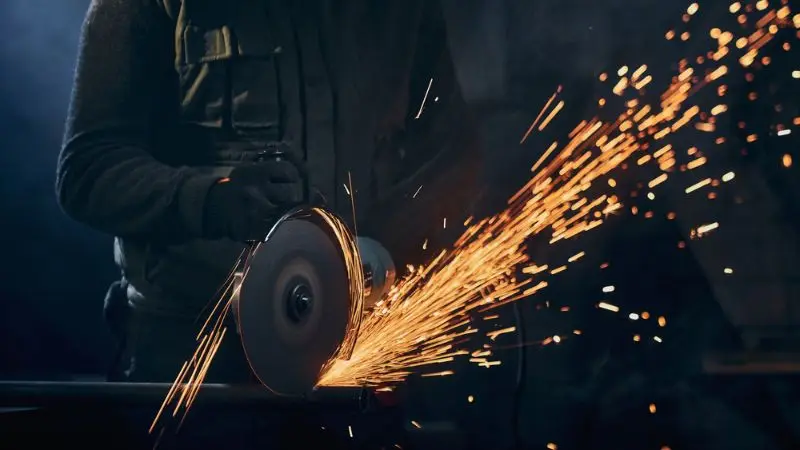
Clean a metal grinder at regular intervals based on use; the more you use it, the more often you should clean it. Clean le broyeur after each use, and deep-clean it every 1–3 weeks depending on usage. Look for sticky deposits, gritty threads, or a sticky lid, and clean as needed. Proper storage in a cool, dry place and complete drying after cleaning can also prevent rust and moisture damage.
Définir un programme de nettoyage
Light use is defined as one or two use sessions a week. If that’s the case, brush after every session. Deep clean every 2 to 3 weeks. If the problem uses it heavily every day, the math changes. Within a few days, the teeth and screen are coated with resin. Brush down after each session and do a full alcohol soak once a week. Watch for warning signs between cleanings. The lid begins to twitch. The threads are rough to the touch. Herb sticks to the walls rather than falling through. These signals will alert you to the fact that the grinder needs care, not wait until later! If you ignore them, the resin will turn into a rock-like substance that’s much harder to remove. Well, it all depends on how hard you work your metal grinder. Someone who uses the resin daily will get it more quickly than someone who grinds it once a week. Plan your cleaning schedule according to your habits, not the calendar.
| Niveau d'utilisation | Quick Brush | Nettoyage en profondeur |
| Light (1–2 sessions/week) | Après chaque séance | Toutes les 2 à 3 semaines |
| Moderate (3–5 sessions/week) | Après chaque séance | Toutes les 1 à 2 semaines |
| Heavy (daily use) | Après chaque séance | Une fois par semaine |
Rangez correctement votre moulin
Storage practices also affect the time frame. Keep a grinder out of the humid environment of a refrigerator or the open baskets of a kitchen countertop. For long-term storage, keep a grinder in a cool, dry drawer. A humid bathroom or hot car will collect moisture and dirt faster. If you want to clean the grinder without guessing, keep a record of its usage for a week. Your true agenda is right there in that simple log! Here, consistency is the key, not intensity. Thirty-two seconds of brushing a day is the key to avoiding the nightmare scenario. No months of hardened buildup are chiseled away. Your metal-cleaning industry’s best grinding tool stays easy to use, and your grinding sessions stay smooth. Regular maintenance becomes second nature, not a dreaded job. The tips for storing your metal grinder will keep it clean, dry, and available for your next project. After cleaning the grinder parts, make sure they are completely dry before putting them back together. Moisture left inside can promote corrosion if you store the grinder for extended periods.
Common Metal Grinder Maintenance Mistakes to Avoid
Two common mistakes that can ultimately harm a broyeur en métal are using harsh cleaning products and ignoring rust. To prevent corrosion or buildup, use gentle cleaning methods and keep the grinder dry. Inspect the teeth and threads regularly to catch problems early. Regular maintenance helps ensure the grinder stays smooth, clean, long-lasting, and reliable.
Utilisation de produits de nettoyage agressifs
A stronger cleaner may seem more effective. That doesn’t work out so well on a metal grinder. Bleach, acetone, and kitchen sprays erode the metal surface. They remove protective coatings and result in small pits. Pits trap resin and make subsequent cleaning harder. When choosing the best grinder for rust removal on metal, don’t forget you need the right maintenance products, not just the right grinder. Use only isopropyl alcohol when cleaning. It dissolves hard gums without damaging the metal. For light work, soap and warm water will suffice. Before spraying anything on your grinder, always read the label. If the product says it shouldn’t be used on metal surfaces, avoid using it on your cleaning tools and your device. The chemicals are also harsh and leave deposits. That leftover will transfer to your herb the next time you grind. You end up eating chemicals rather than your flower. That would never happen in a clean grinder. The simple products do their job perfectly.
Ignoring Rust and Corrosion
Rust creeps up on you. A bit of moisture and a bit of humidity,y and you see orange spots on the teeth. It’s a shrug of many factors. That error could throw off your grinder for years. The surface becomes rough, and rust weakens the metal. How to operate the best metal grinding machine in the workshop. Rough metal grips plant material and holds it tight. Your cleaning sessions take longer and get harder. The threads begin to seize. The lid no longer rotates easily. A minor problem grows into a serious one. After each cleaning, dry le broyeur thoroughly. Keep in a cool, dry place. If humidity is high, place a silica packet in your storage drawer. Monitor cotton boll weevils monthly for early signs on the teeth and threads. If you catch it early, you can remove the rust on the catch can with fine steel wool. If it spreads, you cannot reverse the damage. Your maintenance routine keeps the metal in good condition and keeps all sessions running smoothly.
Maintain Your Grinder for Long-Lasting Performance
If you maintain it properly, you’ll be rewarded every time you use your grinder. Smooth threads mean there’s no stuck lid to fight with. Sharp teeth grind evenly, keeping flavor intact. A rust-free body also means you can enjoy it for years. When selecting the best metal grinder for home use, maintenance matters as much as the grinder itself. Don’t make any big changes today. Take one easy step. Inspect your equipment regularly and remove any damaged or abraded parts. Or disassemble your grinder for a quick cleaning. The cleaner the metal grinder, the better it works! Big habits come from small actions. The more time you spend cleaning, the more you get back. Your grinder will improve, taste better, and last longer. Take care of it, and every session will be better than the last.
Emballer
With proper maintenance, you can keep your broyeur en métal clean, smooth, and reliable for longer. Regular brushing helps prevent residue buildup on the teeth, threads, and screen. Use appropriate cleaning equipment; avoid abrasive cleaning products, which may damage the metal surface. A regular cleaning routine is easy and prevents hard buildup. Keep away from moisture and corrosion by storing your grinder in a cool, dry place. Inspect threads, teeth,h and other components periodically for wear or rust. Address minor issues as soon as they arise to prevent them from becoming bigger and more costly. Your grinder will last a long time if you follow basic cleaning and storage procedures. Even if you have the best metal grinder for home use or a simple one, proper care matters. With proper attention and maintenance, your metal grinder can last for many years.
FAQ
Do grinders need to be washed with water?
Yes, but not for cleaning. Warm the water and brush with warm water. Afterward, thoroughly dry your grinder. Moisture causes rust. For profond résine utilisé, use alcohol only.
Is freezing an effective way to clean a grinder?
It does. Resin becomes brittle when it freezes. Knock off buildup over le broyeur to clean it. Ideally, do this before a deep-clean soak. It saves time when you’re scrubbing.
Where should I put my metal grinder?
Store in a cool, dry area. Keep it dry and away from heat. A sealed container is suitable. Include a silica packet to help with moisture. Better storage means less cleaning.
Please, what should I do if I notice rust?
Remove rust with fine steel wool. Thoroughly dry the grinder. If necessary, lubricate with a thin film of mineral oil. Dry after cleaning each time to prevent rust.
When should I change my grinder?
If you maintain the metal grinder well, it can last for years. Replace it when the threads strip, the teeth crack, or rust pits develop. Clean it regularly to extend its life—no rush to replace it.