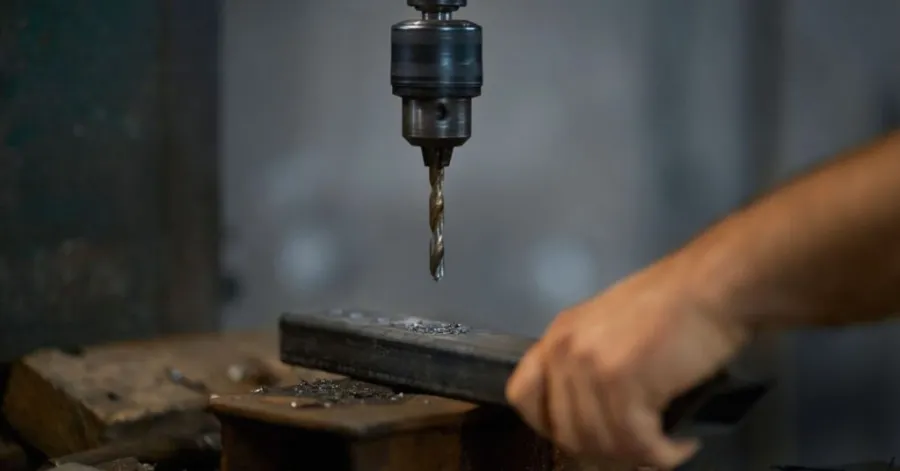
Si vous voulez apprendre à percer un trou dans du métal, il est important de commencer par le bon outil. perceuse magnétique et un équipement de sécurité adapté. Prendre son temps au début du processus permet d'économiser du temps et des efforts, et d'obtenir des résultats plus nets et plus précis. Il est essentiel d'être bien préparé avant de commencer. Une technique de perçage appropriée simplifie le processus et garantit sa sécurité. Ce guide vous permettra de maîtriser chaque étape afin de percer le métal avec assurance et précision à chaque fois.
Outils et matériaux nécessaires avant de percer du métal
Une bonne préparation est essentielle avant tout perçage de métal. Utiliser les outils et les matériaux adéquats garantit non seulement une plus grande précision, mais aussi votre sécurité. Maîtriser les bases du perçage du métal vous permettra de réaliser cette opération beaucoup plus facilement et d'obtenir un résultat parfait du premier coup.
Outils de base nécessaires au perçage des métaux
Le perçage simple des métaux ne nécessite pas d'équipement très sophistiqué, mais les outils de base restent indispensables. Le rôle de chaque outil est évident pour garantir un travail précis et maîtrisé.
- Perceuse électrique ou perceuse à colonne : Un outil portatif perceuse magnétique Elle convient aux métaux légers, tandis qu'une perceuse à colonne offre une plus grande stabilité pour le travail des pièces métalliques plus épaisses.
- Étau / pince : Maintient fermement la pièce métallique en place pour éviter qu'elle ne bouge pendant le perçage.
- Ruban à mesurer ou règle : vous aide à marquer le point de perçage exact pour plus de précision.
- Pointeau et marteau : Une petite encoche est faite pour éviter que le foret ne glisse au début.
Elles s'avèrent particulièrement utiles pour apprendre à percer le métal avec une perceuse sans fil, notamment pour les débutants, car elles rendent le processus plus facile et plus sûr. Avant de commencer, assurez-vous que vos outils sont en bon état de fonctionnement.
@truckintoby C'est une bête ! #fabricationmétallique #perceusemagnétique #vevor #outils #vieenboutique #camionneur #mécanicienenginslourds #forage #VEVOR #OffresAutomnalesPourVous #TikTokShopBlackFriday #TikTokShopCyberMonday #TiktokShopHolidayHaul #FestivalVevorAméliorationDuMaison #treshwave @Vevor_US
♬ Son original – TruckinToby
Choisir les bons forets pour percer des trous nets dans le métal
L'une des étapes les plus importantes du perçage des métaux est le choix du foret approprié. Chaque métal requiert un type de foret différent, et un foret inadapté peut entraîner un résultat médiocre, voire endommager le métal.
- Acier rapide (HSS) : Il est utilisé pour les tôles métalliques minces et pour un usage général.
- Forets en cobalt : Ce sont les meilleurs pour les métaux durs ou épais, car ils résistent aux hautes températures.
- Forets revêtus de titane : longue durée de vie et adaptés aux opérations de coupe de métaux courantes.
Pour plus de précision, commencez par un petit trou de guidage, puis utilisez un foret de plus gros diamètre. Cette méthode simple vous permettra de comprendre comment percer des trous nets dans le métal sans déraper, notamment sur les surfaces dures.
Équipements de lubrification, de refroidissement et de sécurité
Le perçage des métaux génère également de la chaleur, qui peut facilement endommager vos outils si elle n'est pas maîtrisée. C'est pourquoi le refroidissement et la sécurité sont primordiaux. Une lubrification adéquate améliore les performances de coupe et réduit la friction, vous permettant ainsi de comprendre concrètement comment éviter la surchauffe lors du perçage de l'acier.
- Réduction de la quantité d'huile ou d'huile de machine : diminue la chaleur et facilite le processus de forage.
- Lunettes de sécurité : Protégez vos yeux lorsque des copeaux de métal volent autour de vous.
- Masque anti-poussière : Il sert à éviter d'inhaler de minuscules particules métalliques.
- Gants de travail : Protéger les mains des arêtes vives et des surfaces chaudes.
Il est également important de maîtriser la vitesse de perçage. Connaître la vitesse optimale de perçage pour différents types de métaux permet d'éviter de les endommager, d'améliorer la précision, de prolonger la durée de vie de vos outils et, par la même occasion, de garantir un travail propre et efficace.
Conseils de sécurité pour le perçage du métal
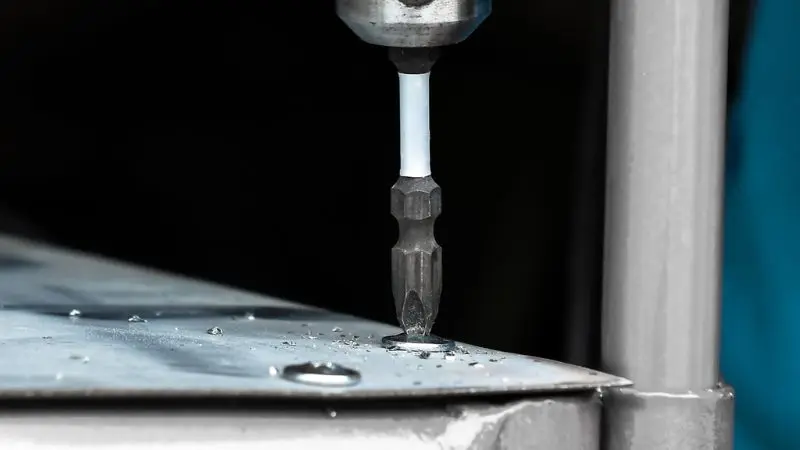
Un autre aspect essentiel du perçage des métaux est la sécurité. En apprenant à percer du métal, vous constaterez qu'en adoptant des pratiques sûres, vous éviterez non seulement les accidents, mais vous améliorerez également la qualité de votre travail. Il est toujours préférable d'être prudent pour obtenir des résultats plus nets et plus précis.
Portez un équipement de protection pour votre sécurité personnelle.
Le port d'équipements de protection individuelle adaptés est indispensable avant de commencer le perçage. Le perçage du métal peut générer des copeaux coupants, de la chaleur et de la poussière ; une protection est donc toujours nécessaire.
- Lunettes de sécurité pour protéger vos yeux en cas de projection de fragments métalliques.
- Des gants pour protéger les mains des objets tranchants et de la chaleur.
- Un masque anti-poussière pour empêcher l'inhalation de fines particules métalliques.
- Tenue portée et cheveux attachés (pour éviter les accidents).
Ces précautions sont particulièrement utiles aux novices qui s'exercent à percer du métal avec une perceuse sans fil pour débutants, car elles contribuent à développer de bonnes habitudes dès le départ.
Aménager un espace de travail sûr et propre
L'espace de travail doit être propre et bien organisé pour que le perçage soit plus sûr et plus précis. Cela permet également un meilleur contrôle lors du travail sur des surfaces métalliques.
- Pour un meilleur équilibre, choisissez une surface plane et stable.
- Débarrassez la zone de tout encombrement, liquide et autre objet inutile.
- Veillez à ce que le lieu de travail soit bien éclairé afin de pouvoir y voir clairement.
- Entreposez ailleurs les substances inflammables, comme le papier ou le tissu.
- Placez un plateau ou un tapis sous le métal pour recueillir les copeaux.
- Tenez les enfants et les animaux domestiques éloignés de la zone de forage.
Un tel dispositif peut contribuer à prévenir les mouvements du matériau et peut guider la réalisation de trous nets dans le métal sans glissement, rendant ainsi votre travail plus précis et contrôlé.
Manipulez la perceuse avec soin et concentration.
Le percer Il est essentiel de maîtriser la technique pour garantir sécurité et précision. Une approche stable et rigoureuse minimise les erreurs et vous permet de travailler avec plus d'assurance. L'application de la technique appropriée facilite également le contrôle de la vitesse, de la pression et de la chaleur pendant le perçage. Ceci est particulièrement crucial lors du perçage de métaux plus durs, car cela permet d'éviter la surchauffe lors du perçage de l'acier et assure un fonctionnement optimal. La connaissance de la vitesse de perçage optimale pour chaque type de métal est également importante pour garantir des résultats propres et sûrs à chaque fois.
Comment percer un trou dans du métal : étape par étape
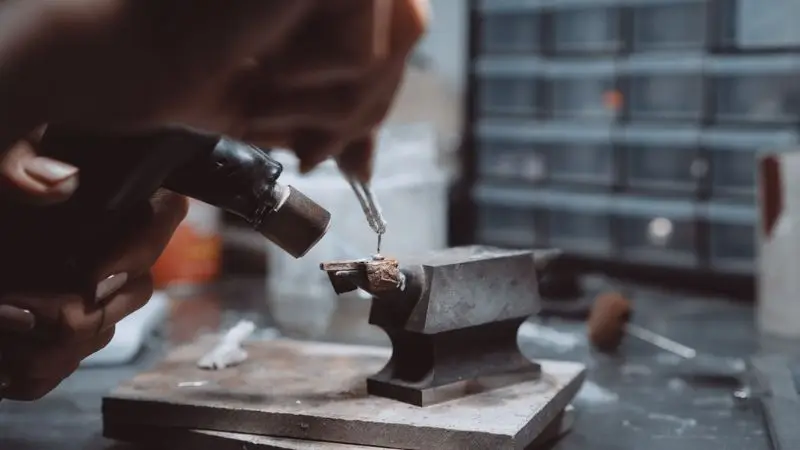
Percer du métal est beaucoup plus simple lorsqu'on suit la bonne méthode. Le contrôle, la précision et la sécurité sont garantis à chaque étape. C'est le meilleur moyen de percer un trou dans le métal sans abîmer la surface ni vos outils.
Marquer et fixer le métal avant de percer.
Pour commencer, il est important de marquer clairement l'emplacement du trou à l'aide d'un crayon, d'un marqueur ou d'une pointe à tracer. Cela garantit la précision dès le départ. À partir de cette marque, on utilise un pointeau et un marteau pour créer une petite empreinte à l'endroit voulu. Cette empreinte est nécessaire car elle empêche le perçage de glisser. Ensuite, la pièce de métal doit être solidement fixée dans un étau ou un serre-joint pour éviter qu'elle ne bouge pendant le perçage. Une surface plane est indispensable pour obtenir des résultats nets et droits.
Créez un trou pilote pour un meilleur contrôle
Prenez ensuite un petit foret et placez-le bien droit contre le trou déjà percé. Commencez à percer progressivement, en exerçant une pression douce et constante. Ne vous précipitez pas, car le trou de guidage facilitera l'utilisation du foret plus gros par la suite. Suivez la trajectoire droite de la perceuse et laissez-la percer naturellement, sans forcer. Après avoir percé le trou de guidage, faites une pause pour vérifier l'alignement et vous assurer que tout est en place avant de continuer. Cette étape est particulièrement utile pour les débutants qui apprennent à percer du métal avec une perceuse sans fil.
Sélectionnez le foret et la vitesse appropriés
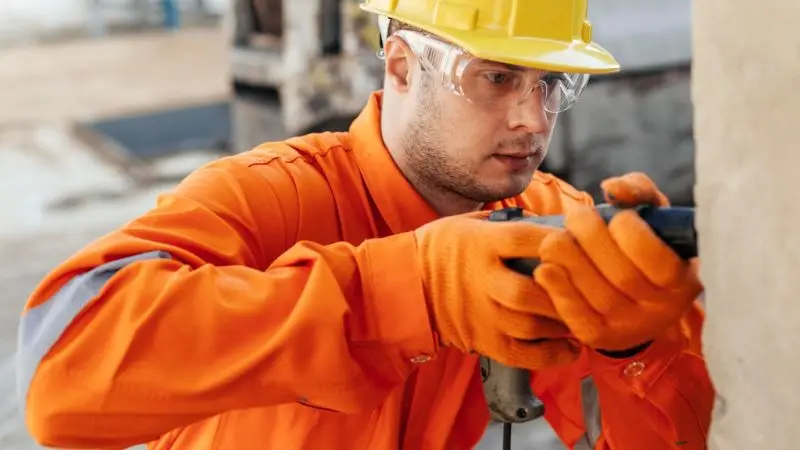
Une fois le trou pilote réalisé, changez de foret pour le diamètre approprié à votre trou final. Avant de commencer, assurez-vous que le foret est bien fixé dans la perceuse. Pour les métaux durs, les forets revêtus de cobalt ou de titane sont généralement le meilleur choix, car ils ont une durée de vie plus longue et résistent à la chaleur. Ajustez votre percer Utilisez une vitesse faible ou moyenne selon le type de métal travaillé. Évitez les vitesses élevées, car elles peuvent générer une chaleur excessive et nuire à la précision. Il est facile de déterminer la vitesse de perçage optimale pour chaque type de métal, ce qui vous permettra d'obtenir des résultats bien meilleurs et plus sûrs.
Appliquez le lubrifiant et percez le trou final
Avant de commencer, appliquez un peu d'huile de coupe ou d'huile pour machines sur la pointe du foret. Cela réduit la friction et contribue à limiter l'échauffement, ce qui est essentiel pour éviter la surchauffe lors du perçage de l'acier. Commencez lentement et percez progressivement le trou de guidage. Pendant le perçage, effectuez de brèves pauses pour évacuer les copeaux et permettre au foret de refroidir. Gardez la main ferme et n'exercez pas une force excessive pour un fonctionnement optimal.
Nettoyer et finir correctement le trou
Après le perçage, retirez le foret et nettoyez les copeaux de métal. Ébavurez les bords du trou à l'aide d'une lime ou d'un ébavureur afin d'éliminer toute arête vive. Essuyez ensuite le métal avec un chiffon et vérifiez que le trou est bien lisse et précis. Cette dernière étape donnera à votre travail un aspect propre et professionnel et vous permettra de percer des trous nets dans le métal sans dérapage.
Comment obtenir des trous nets et précis dans le métal
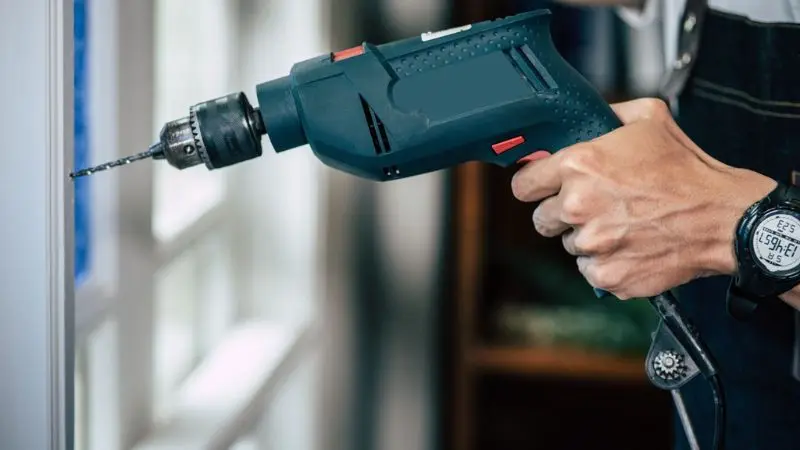
La rapidité d'exécution n'est pas le facteur déterminant ; le secret réside dans la maîtrise et la technique de perçage du métal. En comprenant comment percer un trou dans le métal, vous gagnerez en précision, contrôlerez la chaleur, minimiserez les frottements et éviterez les erreurs courantes.
Comment éviter la surchauffe lors du perçage du métal
L'une des principales causes d'émoussement ou de casse des forets est la surchauffe. La maîtrise de la température est essentielle pour obtenir des résultats plus précis et prolonger la durée de vie de l'outil. Ceci est particulièrement crucial lors du perçage de l'acier et d'autres métaux durs, et permet d'éviter directement la surchauffe.
Pour limiter la chaleur, il est conseillé de percer par brèves impulsions plutôt qu'en exerçant une pression constante. Faites des pauses fréquentes pour laisser refroidir le foret. En cas de forte fumée ou de chaleur intense, arrêtez immédiatement et laissez refroidir complètement avant de reprendre. Pendant le perçage, utilisez de l'huile de coupe ou de l'huile pour machine afin de minimiser l'accumulation de chaleur. Pour maintenir le foret à une température plus basse et améliorer sa stabilité, vous pouvez, dans certains cas, le tremper dans l'eau entre les cycles de perçage.
Comment réduire la friction pour un perçage plus fluide
Le frottement rend le perçage plus difficile et augmente le risque d'endommager le foret et la surface du métal. Réduire le frottement permet d'obtenir des trous plus nets et sans dérapage.
Avant de percer, appliquez un peu de lubrifiant, comme de l'huile de coupe, et renouvelez l'application si la surface devient sèche ou collante. Il est essentiel de toujours percer lentement et régulièrement, car un perçage rapide génère davantage de friction et de chaleur. Pensez également à retirer régulièrement les copeaux de métal pendant le perçage afin de permettre au foret de percer librement, sans résistance ni blocage.
Comment éviter les erreurs courantes lors du perçage des métaux
La plupart des problèmes de perçage surviennent lorsque les étapes de base ne sont pas respectées ou lorsqu'elles sont effectuées trop rapidement. Ces erreurs peuvent être évitées afin d'obtenir une précision et une propreté accrues lors du perçage du métal.
Il est toujours conseillé d'utiliser un avant-trou, ce qui facilitera le perçage et améliorera le contrôle. Fixez la pièce à percer à l'aide d'un serre-joint ou d'un étau afin qu'elle ne bouge pas pendant le perçage. Utilisez un foret adapté à votre matériau. Pour commencer, assurez-vous d'utiliser le foret approprié. Ne forcez jamais le perçage ; laissez la mèche creuser d'elle-même pour un meilleur résultat. Ces conseils sont particulièrement utiles aux débutants qui apprennent à percer du métal avec une perceuse sans fil, car ils leur permettent de gagner en confiance et d'acquérir de l'expérience.
Dépannage des problèmes courants de perçage du métal
Il arrive parfois que le perçage du métal ne donne pas les résultats escomptés, même en suivant scrupuleusement les étapes. Heureusement, la plupart des problèmes se résolvent facilement. Une fois la cause identifiée, vous pouvez y remédier rapidement et améliorer la précision de vos perçages.
Le foret glisse sur le métal
Le glissement du foret se produit généralement au début du perçage. Il devient alors difficile de rester sur le point marqué et cela peut endommager la surface. Ce problème survient généralement lorsque le métal n'est pas marqué correctement ou lorsque le foret n'adhère pas à la surface.
Pour corriger ce problème, il est conseillé de réaliser une marque de pointeau distincte avant le perçage afin de guider le foret. Assurez-vous que le foret est bien fixé dans la perceuse. Utilisez un foret à pointe fendue et bien affûté, car il offre une meilleure adhérence au métal. Commencez à percer lentement et exercez une pression légère et continue, sans forcer. Cette technique améliore la précision et permet de percer des trous nets et précis dans le métal, sans dérapage.
Trous rugueux ou irréguliers
Des trous irréguliers ou rugueux apparaissent lorsqu'on perce trop vite ou sans contrôle. Cela peut également se produire si le foret n'est pas adapté au métal. Pour éviter cela, percez toujours lentement et laissez l'outil faire son travail naturellement. Pour guider le foret de plus gros diamètre, commencez par un petit trou de guidage. Percez le métal sans précipitation. Une fois le perçage terminé, ébavurez les bords à l'aide d'une lime ou d'un ébavureur pour une finition propre et sécuritaire. L'élimination des copeaux de métal pendant le perçage contribue également à obtenir un trou aussi régulier et net que possible.
Le foret chauffe trop.
Un foret chaud indique une friction ou une pression excessive. Dans le cas contraire, il risque de s'endommager et de réduire les performances de coupe. Dès que le foret chauffe ou que de la fumée apparaît, arrêtez-vous et laissez-le refroidir. Utilisez de l'huile de coupe ou de l'huile pour machines afin de minimiser la chaleur et la friction. Percez par brèves impulsions plutôt qu'en exerçant une pression continue. Réduisez la vitesse de rotation du foret pour un meilleur contrôle de la température. Ces précautions sont particulièrement importantes pour les matériaux plus durs et permettent d'éviter la surchauffe lors de la coupe de l'acier.
Percer du métal épais devient difficile
Le perçage de métaux épais exige plus de précision et de temps. Si vous êtes pressé, la perceuse risque de rencontrer des difficultés ou de caler. Commencez par réaliser un avant-trou. Cela guide le foret principal et réduit la pression exercée. Pour les métaux durs comme le cobalt, utilisez des forets à métaux durs. Maintenez fermement la pièce à percer afin qu'elle ne bouge pas. Si nécessaire, percez en deux temps plutôt que d'essayer de percer en une seule passe. Ces conseils simplifient le processus et sont très utiles pour les débutants qui utilisent une perceuse sans fil.
Emballer
Lorsque vous suivez les étapes appropriées, utilisez un produit de qualité perceuse électriqueEn évitant d'introduire des corps étrangers, percer du métal devient beaucoup plus facile. Comme il est important de marquer et de sécuriser la pièce métallique, il est tout aussi important de choisir le foret et la vitesse de perçage adaptés. La clé du succès réside dans la gestion de la chaleur, la réduction des frottements et la patience, pour obtenir des résultats nets et précis. La pratique est essentielle, que vous soyez débutant ou en phase de perfectionnement. Avec le temps, vous maîtriserez et réaliserez en toute confiance tous vos projets de perçage de métal.
QFP
Quel foret est le plus adapté pour percer des métaux épais ?
Les forets en cobalt sont particulièrement adaptés aux métaux épais car ils conservent leur tranchant plus longtemps et résistent à la chaleur. Leur pointe fendue facilite l'amorçage et permet des coupes plus nettes et plus précises sur les matériaux durs.
Que faire pour empêcher le foret de glisser ?
Pour maintenir le foret en place, marquez un premier point à l'aide d'un pointeau. Saisissez la perceuse, commencez à faible vitesse et exercez une pression douce et constante, sans forcer.
Est-il possible de percer du métal sans huile de coupe ?
Oui, cependant, ce n'est pas conseillé car le foret chauffe très rapidement. La réduction de la quantité d'huile diminue la friction, maintient le foret plus froid, crée des trous plus nets et plus lisses, et prolonge également la durée de vie de l'outil.