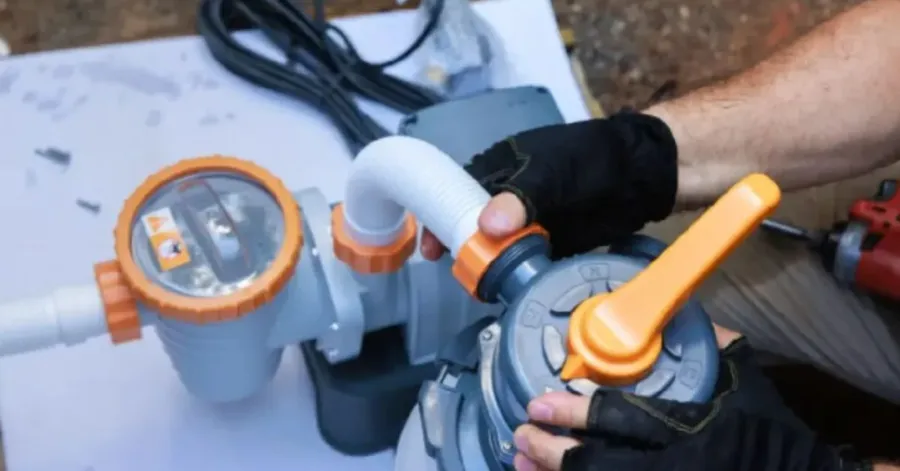
Vuotava uima-altaan pumppu voi nopeasti muuttua kalliiksi ongelmaksi, jos sitä ei korjata ajoissa. Pienikin vuoto voi vähentää veden kiertoa, lisätä energiakustannuksia ja vahingoittaa pumpun arvokkaita osia. Vuotoja voi esiintyä pumpun kannessa, akselin suojassa, tyhjennystulpissa, putkiliittimissä tai jopa kotelossa, joten on tärkeää määrittää tarkka vuotokohta ennen korjausten aloittamista. Tämä voidaan tehdä selvittämällä, miksi... uima-altaan pumppu vuotaa, jotta voit käyttää oikeaa ratkaisua ja välttää tarpeettoman vaihdon. Tämä opas esittelee yleisimmät vuotokohdat, korjaus ja huoltoja ohjeita uima-allaspumpun tehokkaan toiminnan varmistamiseksi.
Sisällysluettelo
Vuotavan uima-altaan pumpun tunnistaminen
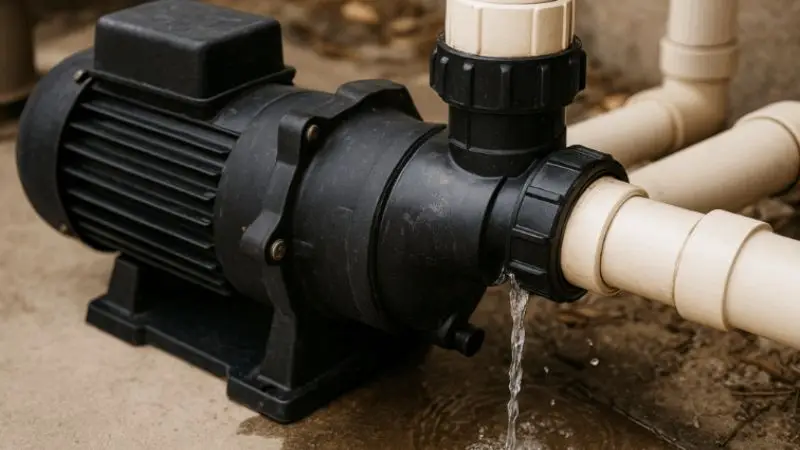
Vuoto altaan pumppu voi helposti heikentää uima-altaasi suorituskykyä ja aiheuttaa kalliita vaurioita laitteille, jos siihen ei puututa. Tietyt vuodot on helppo havaita, kun taas toiset jäävät huomaamatta, kunnes ne vaikuttavat vedenkiertoon tai pumpun suorituskykyyn. Varoitusmerkkien huomaaminen auttaa sinua korjaamaan ongelman ennen kuin se pahenee.
Riippumatta siitä, näetkö vettä pumpussa tai ilmaa pääsemässä järjestelmään, ensimmäinen tehtävä on selvittää lähde. Syynä on se, että tietämällä, miksi minun uima-altaan pumppu vuotaa vettä, on helpompi valita sopiva korjaus ja pitää allas toiminnassa sujuvasti.
Suositellaan projektiisi
Tarkista näkyvien vesivuotojen varalta
Pumpun pohjalla oleva vesi on yksi ilmeisimmistä vuodon merkeistä. Kun pumppu on käynnissä, saatat löytää lätäköitä, märkää betonia tai pumpusta tippuvaa vettä. Ongelma voi näkyä myös altaan vedenpinnan laskuna ilman merkittävää haihtumista. Tarkasta huolellisesti pumpun kotelo, tyhjennystulpat, kansi ja putkiliitännät kosteuden merkkien varalta. Merkityksetön vuoto voi muuttua merkittäväksi ongelmaksi, jos sitä ei hoideta. Lähteen varhainen havaitseminen ja korjaaminen säästää sinut lisämenetyksiltä, jotka johtuvat vuodosta. uima-altaan pumppu ja pitää verenkiertoelimistösi hyvässä toiminnassa.
Etsi merkkejä ilmavuodosta
Ilmavuotoja on vaikeampi tunnistaa, koska ne eivät välttämättä jätä vesijälkiä. Pikemminkin ne vaikuttavat pumpun suorituskykyyn. Yleisiä varoitusmerkkejä ovat paluusuuttimista poistuvat ilmakuplat, riittämätön veden kierto pumpussa, liiallinen pumpun melu tai kyvyttömyys täyttää pumppua. Pumpun kori voi jopa jäädä täyttymättä vedellä. Nämä ongelmat esiintyvät tyypillisesti pumpun kannessa, O-renkaassa, imupuolen putkistossa tai löysissä liitoksissa. Näiden kohtien tarkistaminen on hyödyllistä vuodon havaitsemiseksi ennen kuin se vaikuttaa suodatustehoon tai pumpun liialliseen kulumiseen.
Ymmärrä, miksi varhainen havaitseminen on tärkeää
Vuotojen varhainen havaitseminen voi säästää paljon rahaa korjauksissa ja pidentää allaslaitteiden käyttöikää. Jopa pieni vuoto voi aiheuttaa laakerivaurioita, vedenpaineen laskua ja korkeampia sähkökustannuksia, mikä voi pitkällä aikavälillä johtaa moottorin vikaantumiseen. Myös sähkökomponenttien ympärillä oleva vesivuoto voi olla huolenaihe. Säännölliset tarkastukset mahdollistavat vaurioituneiden tiivisteiden, löysien liitosten ja rikkoutuneiden komponenttien löytämisen ennen kuin niistä kehittyy vakavia ongelmia. Uima-allaspumppujen vuotojen tyypillisten syiden ja korjauksen tuntemus auttaa sinua korjaamaan yksinkertaiset ongelmat etukäteen ja estämään laitteiden odottamattoman vaihdon.
Kuinka löytää uima-altaan pumpun vuodon tarkka sijainti
Selvitä tarkasti, mistä vesi tulee ulos, ennen kuin korjaat laitetta. altaan pumppuErilaiset vuotokohdat viittaavat tyypillisesti vaurion eri osiin, joten vuodon lähteen löytäminen säästää aikaa ja välttää tarpeetonta korjausta. Voi olla hyödyllistä tarkastella pumppua lähemmin, kun se on sammutettu ja käynnissä, ja se auttaa sinua paikantamaan ongelman.
Myös vuodon sijainti tiedetään, ja vuodon syyn tunnistaminen ja oikean korjaustekniikan valitseminen on helpompaa. Ennen kuin vaihdat pumpun osia, varmista, että tarkistat jokaisen osan huolellisesti.
Pumpun kannesta vuotaa vettä
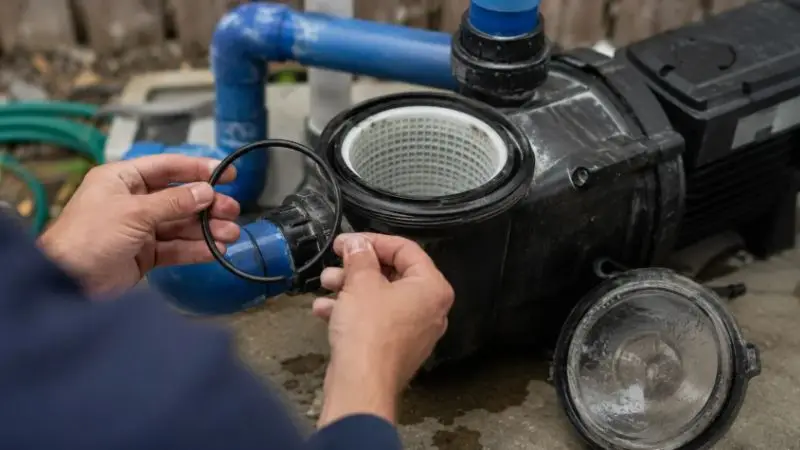
Kun pumpun kannen ympärillä on vuoto, kannen O-rengas on usein ensimmäinen tarkistettava asia. Ajan myötä O-rengas kuivuu, halkeaa, litistyy tai likaantuu eikä pysty muodostamaan kunnollista tiivistystä. Kansi voi myös olla löysällä, jolloin vesi pääsee karkaamaan käytön aikana. Irrota kansi ja tarkista O-rengas nähdäksesi, onko se vaurioitunut tai onko siinä roskia. Pyyhi tiivistyspinta ja levitä silikonivoiteluainetta (tarvittaessa). Jos O-rengas on vanha, vaihda se uuteen O-renkaaseen varmistaaksesi vesitiiviin tiivistyksen ja estääksesi vuotoja tulevaisuudessa.
Vesi vuotaa pumpun pohjasta
Veden läsnäolo alla pumppu tarkoittaa yleensä akselitiivisteen, tyhjennystulppien tai pumpun kotelon toimintahäiriötä. Useimmissa tapauksissa vuoto alkaa pumpun sisältä ja tippuu pohjalle, mikä tekee lähteen havaitsemisesta vaikeaa. Kun pumppu on käynnissä, katso huolellisesti alapuolta löytääksesi tarkan lähteen. Yksi tyypillisimmistä syistä veden vuotamiseen yksikön alle on uima-altaan pumpun vuoto tiivisteen läpi. Välittömät korjaukset auttavat estämään veden tuhoamasta moottoria ja muita laitteita.
Vesivuoto pumpun moottorin ympärillä
Pumpun kotelon ja moottorin välissä oleva vesi viittaa tyypillisesti rikkoutuneeseen mekaaniseen tai akselitiivisteeseen. Tämän tilan on oltava kuiva, koska tiiviste varmistaa, ettei vesi pääse moottoriin. Kun tiiviste kuluu, se voi päästää vettä moottorin laakereihin, mikä voi syövyttää niitä ja lyhentää moottorin käyttöikää. Tätä ongelmaa ei pidä unohtaa, sillä se voi johtaa moottorien täydelliseen vikaantumiseen ja vaatia täysimittaisia korjauksia. Tarkista tiiviste huolellisesti ja vaihda se välittömästi, jos vuoto alkaa näkyä tiivisteen läpi, jotta... pumppu turvallinen ja varmistaa asianmukaisen toiminnan.
Vesivuoto putkiliitoksista
Putkiliitäntöjen vuodot johtuvat yleensä löysistä liitoksista, rikkoutuneista osista, rikkoutuneista PVC-putkista tai kuluneesta kierretiivisteestä. Vuodot voivat olla hitaan tiputuksen tai virtaavan veden muodossa pumpun ollessa käytössä. Tarkista kaikki liitokset ja varmista, että ne ovat märkiä, haljenneita tai liikkuvia. Löyhästi sopivat osat tulee kiristää, mutta ei liian tiukasti, koska liiallinen kireys voi rikkoa muoviosat. Kun putki tai liitos on rikki, varmin asia on vaihtaa vaurioitunut osa. Tiivistetyt putkiliitännät säilyttävät myös hyvin vedenpaineen ja parantavat pumpun kokonaistehokkuutta.
Vesi vuotaa tyhjennystulpasta
Tyhjennystulpat ovat pohjassa pumppu ja ne on tarkoitettu veden tyhjentämiseen huoltoa tai talvivalmisteluja suoritettaessa. Tärinä voi myös aiheuttaa tulppien löystymistä tai tiivisteiden kulumista, jolloin vettä voi vuotaa. Varmista, että molemmat tyhjennystulpat ovat tiukasti kiinni eivätkä tiivisteet ole haljenneet tai litistyneet. Epämuotoisten tai vaurioituneiden aluslevyjen tai tulppien vaihtaminen on usein helppo ja edullinen korjaus. Tyhjennystulppien tiivistäminen oikein estää pumppua menettämästä tarpeetonta vettä ja ylläpitää normaalia käyttöpaineen.
Vuotavan uima-altaan pumpun korjaaminen
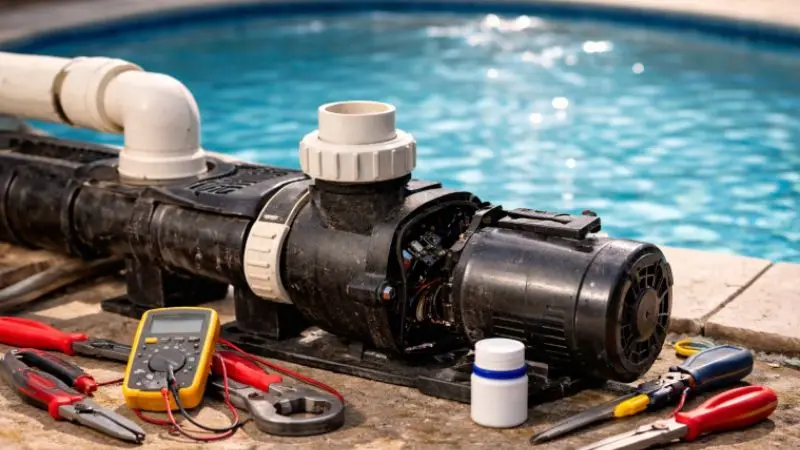
Kun vuodon lähde on selvitetty, voit aloittaa tarvittavien korjausten tekemisen. Toisiin ongelmiin voidaan puuttua perushuollolla ja toisiin vaihtamalla kuluneet osat. Korjaukset tulisi tehdä mahdollisimman pian lisävaurioiden estämiseksi ja uima-altaan kiertojärjestelmän tehokkaan toiminnan varmistamiseksi.
tietäen Kuinka korjata vuotava uima-altaan pumppu avulla voit ratkaista useimmat ongelmat ennen kuin niistä tulee kalliita laiteongelmia. Varmista, että tarkistat työn jälkeen tehdyn osan varmistaaksesi, että vuoto on poistettu.
Katkaise virta ennen korjausten aloittamista
Varmista aina, että irrotat altaan pumppu Irrota sulake ennen korjausten tekemistä. Tämä suojaa sinua sähköriskeiltä ja varmistaa myös, ettei moottori käynnisty huomaamattasi työskentelyn aikana. Sulje kaikki aukot, joissa saatetaan tarvita venttiilejä veden virtauksen minimoimiseksi, ja vedä sitten osat ulos. Valinnainen: Odota, kunnes pumppu jäähtyy, jos se on ollut käynnissä pitkään. Nämä toimenpiteet estävät loukkaantumisia ja varmistavat, että laitteisto ei vahingossa vaurioidu korjauksen aikana.
Vaihda pumpun kannen O-rengas
Yksi yksinkertaisimmista vuotojen korjattavista syistä on vaurioitunut tai kulunut kannen O-rengas. Irrota pumpun kansi ja tarkista kuminen O-rengas halkeamien, litistymisen tai kulumisen varalta. Ennen uuden O-renkaan asentamista puhdista O-rengas ja tiivistyspinta. Uuden O-renkaan ympärille levitetty öljymäinen silikonivoiteluainekerros auttaa sen oikeassa asennuksessa ja pidentää uuden tiivisteen käyttöikää. Sulje kansi luomatta aukkoja, joista vesi tai ilma pääsee järjestelmään.
Kiristä tai vaihda tyhjennystulpat
Vapaasti kelluvat tyhjennystulpat voidaan yleensä kiinnittää uudelleen varmistamalla, että ne on kiristetty tiukasti, mutta painamatta vaadittua voimaa enempää. Jos kiristäminen ei estä vuotoa, tarkista tiivistealuslevy vaurioiden varalta ja vaihda se, jos niitä löytyy. Tarkista myös tulpan kierteet halkeamien tai kulumien varalta, jotka eivät välttämättä mahdollista asianmukaista tiivistystä. Tämä on edullinen korjaus, joka voi poistaa vaikeasti poistettavat tippumiset, hukkaveden ja heikentää pumpun tehokkuutta. Tyhjennystulppien paikoillaanolo voidaan tarkistaa usein uimakauden aikana.
Vaihda pumpun akselin tiiviste
Yksi yleisimmistä syistä pumppu Vuoto on kulunut akselitiiviste, joka on vaihdettava välittömästi. Irrota pumpun kotelo moottorista ja vaihda mekaanisen akselitiivisteen molemmat osat huolellisesti valmistajan ohjeiden mukaisesti. Tiivisteen asianmukainen asennus estää veden pääsyn moottoriin ja ylläpitää pumpun normaalia toimintaa. Tämä on korjaus, joka on erityisen välttämätön, kun huomaat uima-allaspumpun vuotavan tiivisteen läpi, koska jos sitä ei vaihdeta ajoissa, laakeri voi vaurioitua ja moottorin korjaaminen voi olla kallista.
Vuotavien putkiliitosten korjaaminen
Aloita tarkistamalla kaikki pumppuun kiinnitetyt putkiliitokset. Kiristä löysät liittimet huolellisesti ja vaihda vaurioituneet PVC-putket tai -liittimet tarvittaessa. Kun kierteitetyt liitokset vuotavat, irrota liitos, käytä uutta kierretiivistettä tai kierreteippiä ja kierrä se takaisin kiinni. Putkiston korjauksen jälkeen tee painekoe varmistaaksesi, ettei se enää vuoda. Oikein suljetut putkiliitokset parantavat veden virtausta ja vähentävät pumpun tarpeetonta rasitusta.
Vaihda haljennut pumpun kotelo
Kun pumpun kotelossa on vakava halkeama, sen vaihtaminen on todennäköisesti tehokkain ratkaisu. Vedenpitävää epoksiliimaa voidaan käyttää tiivistämään tilapäisesti hyvin pieniä halkeamia pinnalla, mutta se ei ole rakenteellinen korjaus. Asenna uusi kotelo, joka vastaa pumpun mallia. pumppuja tarkista kaikki tiivisteet ja kokoa sitten yksikkö uudelleen. Kun pumppu on käynnistetty, varmista, ettei korjauksen ympärillä ole vuotoja. Kun kotelo on vaurioitunut, sen vaihtaminen palauttaa tehokkaan toiminnan ja estää veden hävikin tulevaisuudessa.
Pitäisikö sinun korjata vai vaihtaa uima-allaspumppu?
Kaikkia vuotavia allaspumppuja ei tarvitse vaihtaa. On vuotoja, jotka voidaan korjata helposti edullisten komponenttien ansiosta, ja sellaisia, jotka aiheuttavat vakavia vaurioita, joten osan vaihtaminen on pitkällä aikavälillä tehokkain tapa. Pumpun kunnon arviointi voi säästää sinut korjausten vaivalta, jotka voivat tarjota vain lyhytaikaisen ratkaisun.
Tieto uima-allaspumppujen vuotojen ja korjausten yleisistä syistä voi auttaa sinua päättämään, korjaatko nykyisen pumpun vai investoitko uuteen pumppuun säästääksesi rahaa pitkällä aikavälillä.
Korjaukset, jotka ovat hintansa arvoisia
On lukuisia tapauksia, joissa allaspumppujen vuodot voidaan korjata vaihtamatta koko pumppua. O-renkaat, akselitiivisteet, tyhjennystulpan aluslevyt ja löysät putkiliittimet ovat edullisia osia, jotka voidaan suhteellisen helposti vaihtaa. altaan pumppu Jos tiiviste vuotaa edelleen tiivisteen vaihtamisen jälkeen, tiivisteen asianmukainen asennus tai oikean kokoinen tiiviste saattaa vaatia vain tiivisteen asentamista. Nämä ovat pieniä ongelmia, jotka voidaan korjata edullisimmin, jos moottori käy tasaisesti ja pumpun kotelo on erinomaisessa kunnossa. Pienten vuotojen varhainen poistaminen estää myös muiden pumpun osien kulumisen.
Merkkejä siitä, että on aika vaihtaa uima-allaspumppu
On tilanteita, joissa on parempi sijoittaa pumpun vaihtaminen sen sijaan, että sitä huollettaisiin. Suuret halkeamat pumpun kotelossa, tiheät tiivisteviat, moottorin vakavat vauriot tai loputon vuoto lukuisista korjauksista huolimatta osoittavat usein, että pumppu on vanhentunut. Toinen tekijä on, että vanhat pumput saattavat kuluttaa enemmän sähköä verrattuna uusiin, energiatehokkaisiin. Kun korjauskustannukset nousevat jatkuvasti tai pumppu ei pysty ylläpitämään oikeaa veden virtausta, koko yksikön vaihtaminen voi parantaa suorituskykyä, säästää käyttökustannuksissa ja tarjota paremman palvelun tulevina vuosina.
Tyypilliset allaspumpun korjaus- ja vaihtokustannukset
Uima-allaspumpun korjaushinnat perustuvat vaurioituneeseen osaan ja tarvittavaan työmäärään. O-renkaan, tyhjennystulpan tai akselitiivisteen vaihtaminen on yleensä halpaa, kun taas moottorin korjaaminen tai perustavanlaatuisten tai merkittävien sisäisten osien vaihtaminen voi maksaa paljon enemmän. Uusi... altaan pumppu on alkuinvestointikustannusten kannalta korkeampi, mutta se voi vähentää tulevia ylläpito- ja energiakustannuksia. Kokonaiskorjausarvion ja pumpun iän ja yleisen kunnon vertailu auttaa vertaamaan laitteen korjaamisen tai vaihtamisen kustannuksia ja arvoa.
Kuinka estää uima-altaan pumpun vuodot tulevaisuudessa
Paras tapa minimoida vuotoriski ja pidentää allaspumpun käyttöikää on ennakoiva huolto. Suurin osa vuodoista syntyy ajan myötä, kun tiivisteet kuluvat, liitokset löystyvät tai järjestelmä rasittuu roskien vuoksi. Pumppua huolletaan säännöllisillä tarkastuksilla ja asianmukaisella huollolla, jotta se toimii tehokkaasti uimakauden aikana.
Säännölliset tarkastukset perushuollon jälkeen minimoivat myös uima-allaspumpun vuotojen riskin ja säästävät sinut tulevilta ei-toivotuilta korjauskuluilta.
Tarkista tiivisteet ja O-renkaat säännöllisesti
Tiivisteet ja O-renkaat ovat tärkeitä vesi- ja ilmavuotojen estämiseksi. Ajan myötä ne voivat kuivua, halkeilla, litistyä tai vaurioitua uima-altaan kemikaalien ja lämmön vaikutuksesta. Tarkista aina nämä kumiosat kulumisen varalta ja vaihda ne, kun ne alkavat kulua. On suositeltavaa puhdistaa tiivistyspinnat ja levittää silikonipohjaista voiteluainetta ilmatiiviin tiivistyksen varmistamiseksi ja tiivisteen käyttöiän pidentämiseksi. Säännölliset tarkastukset mahdollistavat pienten ongelmien havaitsemisen ennen kuin niistä tulee suurempia vuotoja, jotka aiheuttavat erittäin kallista huoltoa.
Pidä pumpun kori puhtaana
Puhdas pumpun kori mahdollistaa veden vapaan virtauksen ja minimoi pumpun tarpeettoman rasituksen. Lehdet, lika ja muu roska voivat rajoittaa veden virtausta, mikä johtaa pumpun liialliseen toimintaan. Korkea paine voi lisätä tiivisteiden, liittimien ja sisäosien kulumista. Puhdista pumpun kori ja tyhjennä se usein tarkistaen, ettei siinä ole halkeamia tai muita vaurioita. Veden virtauksen ylläpitäminen ei ainoastaan paranna suodatuksen tehokkuutta, vaan myös auttaa suojaamaan pumppua ennenaikaiselta kulumiselta, joka voi lopulta aiheuttaa vuotoja.
Älä koskaan anna pumpun käydä ilman vettä
Allaspumpun käyttäminen riittämättömällä vedellä voi helposti vahingoittaa akselitiivistettä ja muita sisäosia. Liikkuvien osien jäähdyttämiseen ja voiteluun tarvittavan veden puute johtaa ylikuumenemiseen, ja tiivisteet kuluvat pian loppuun. On tärkeää pitää allasveden taso oikeana ja pohjustaa pumppu asianmukaisesti ennen sen käynnistämistä. Jos pohjustus häviää pumpun käydessä, sammuta se ja selvitä syy. Kuivakäynti voidaan estää ja siten välttää monia tiivistevikoja ja kalliita korjauksia.
Talvivalmistele allaspumppu oikein
Kylmä sää voi aiheuttaa pumpun veden jäätymisen ja sulamisen, mikä voi rikkoa koteloita ja liittimiä. Tyhjennä kaikki vesi pumpusta ja putkistosta ennen talven tuloa valmistajan ohjeiden mukaisesti. Irrota tyhjennystulpat, pese pumppu ja säilytä sitä turvallisessa paikassa seuraavaan uimakauteen asti. Pumpun talvivalmistelut estää sitä vaurioitumasta jäätymisen seurauksena, pidentää sen käyttöikää ja auttaa estämään vuotoja, kun jatkat käyttöä lämpimämmällä säällä.
Paketoida
Vuotavan allaspumpun korjaamisen ensimmäinen vaihe on vuodon syyn selvittäminen. Syynä voi olla kulunut tiiviste, löysä tyhjennystulppa, vaurioitunut O-rengas tai rikkoutunut kotelo. Vuodon korjaaminen ensimmäisessä vaiheessa estää myöhemmät laitevauriot ja kalliit korjaukset. Vuotavan allaspumpun havaitseminen ja korjaaminen voi myös auttaa pitämään veden virtauksen tasaisena, parantamaan suodatusjärjestelmää ja pidentämään laitteiden käyttöikää. Parhaat keinot estää tulevat vuodot ovat säännölliset tarkastukset, rutiinihuolto ja kuluneiden osien vaihtaminen ennen niiden hajoamista. Huolellisuus varmistaa, että... altaan pumppu on tehokas ja että se pitää altaasi puhtaana, turvallisena ja käyttökelpoisena.
UKK
Mikä aiheuttaa uima-allaspumppuni vuotavan vettä?
Vuotava allaspumppu voi johtua viallisesta akselitiivisteestä, rikkoutuneesta kotelosta, rikkoutuneesta O-renkaasta, löysästä tyhjennystulpasta tai vaurioituneesta putkiliitännästä. Tarkka sijainti auttaa tunnistamaan sopivan korjauspaikan.
Voinko käyttää uima-altaan pumppua, jos se vuotaa?
Sitä ei suositella. Vuotava pumppu voi vahingoittaa moottoria, vähentää veden virtausta, lisätä sähkökuluja ja tehdä pienestä korjauksesta huomattavasti kalliimman.
Miksi uima-altaan pumppu suihkuttaa tiivisteen?
Uima-allaspumpun vuoto tiivisteen läpi johtuu yleensä kulumisesta, pumpun ylikuumenemisesta, altistumisesta kemikaaleille tai pumpun kuivakäynnistä, mikä aiheuttaa akselitiivisteen pettämisen ajan myötä.
Miksi uima-allaspumppu vuotaa tiivisteen vaihtamisesta huolimatta?
Allaspumpun vuoto tiivisteen vaihdon jälkeen voi johtua virheellisestä asennuksesta, väärästä tiivisteen koosta, viallisesta tiivistyspinnasta tai mistä tahansa muusta ikääntyvästä osasta, joka johti vuotoon.
Kuinka usein minun täytyy tarkistaa uima-altaan pumppu vuotojen varalta?
Tarkista uima-allaspumppu kerran kuukaudessa ja intensiivisen käytön jälkeen. Säännölliset tarkastukset auttavat tunnistamaan kuluneet tiivisteet, löysät liitokset ja pienet vuodot ennen kuin ne muuttuvat suuremmiksi korjauksiksi.