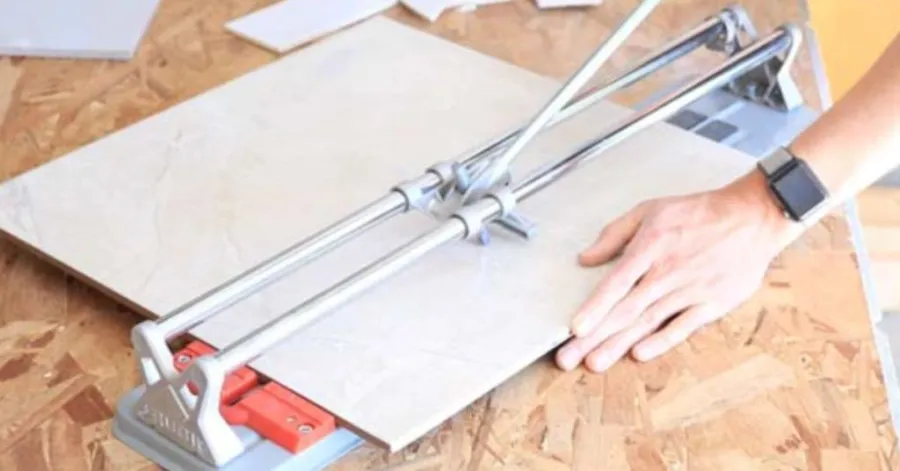
Knowing how to cut tile with a tile cutter properly will help you make clean edges and accurate cuts for flooring, bathroom, kitchen, or wall projects. Knowing how to measure, mark, position, score, and break tiles correctly makes many cuts easier with a laattojen leikkauskone. The right method also minimizes chipping, cracking, and material waste. You can use ceramic, porcelain, floor, or bathroom tiles, and it’s crucial to select the correct cutter and apply pressure wisely. This guide provides step-by-step instructions and covers various machines and cutting techniques to help novices complete tile projects with more confidence and accuracy.
Sisällysluettelo
Mitä tarvitset ennen laattojen leikkaamista
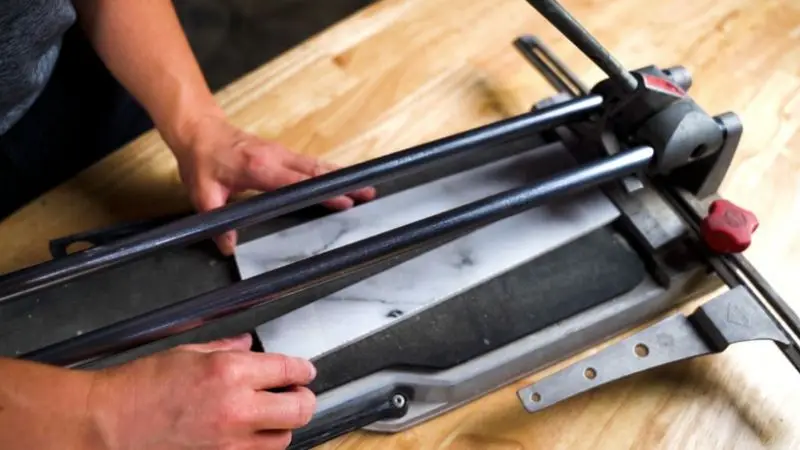
Prepare the right laattaleikkuri, inspect the tile material, and take accurate measurements before cutting. Proper preparation makes cutting easier and reduces cracking, chipping, and wasted tiles. If you’re a beginner with manual tile cutting or you’re undertaking a larger tiling project, you’ll have greater control and more precise results when you have everything ready.
Suositellaan projektiisi
Choose the Right Tile Cutter
Select a tile cutter that is compatible with the tile size, material, and thickness used. Manual tile cutting machines work well for a lot of straight cuts, particularly ceramic tiles and some porcelain tiles. If the tiles are harder or thicker, then a heavy-duty cutter with a more powerful scoring wheel might be needed. When you’re learning how to cut tiles with a tile cutter, first make sure you are aware of the maximum cutting length and thickness of the tile cutter before beginning work. Ensure that the scoring wheel rolls freely and the cutting guide is stable. The process is easier and cleaner; the right machine helps you make accurate cuts without stressing the tile.
Check the Tile Type and Thickness
How easily a tile can be scored and broken depends on the type and thickness of your tile. Typically, ceramic tiles are easier to cut, and porcelain tiles are harder and denser. Always determine tile thickness before selecting a tile cutter and be sure the machine can accommodate it. This is particularly crucial for using a manuaalinen laattojen leikkauskone to cut ceramic tiles or when cutting porcelain tiles with a tile cutting machine. If the tiles are thick, the force of the cutting and the cutting tool should be stronger and more controlled. Knowing the tile material before you start can help you avoid chipped edges and uneven breaks, and damage during cutting.
Mittaa ja merkitse laatta
For clean and correct tile cuts, it is important to take accurate measurements. Take a measurement of the area that you will be applying the tile to and allow for grout joints. Mark the measurement on the tile and mark the cutting line with a pencil or appropriate marker. When you are learning how to cut tiles straight with a laattojen leikkauskone, use a straightedge to determine the straight line. Always measure twice and cut once. Even the smallest error can result in a tile that is too short or too long. Precise measuring and marking also minimize waste as well as make the process of cutting more predictable.
Käytä oikeita turvavarusteita
The cutting of tiles can result in sharp edges and small pieces; wear appropriate protective gear prior to cutting. Safety glasses guard against flying chips, and work gloves guard against cuts when handling cut pieces. To prevent dropping tiles and damaging the feet, wear closed-toe shoes. Ensure the cutting area is clean and that the tile cutter is stable for use. Inspect the scoring wheel, guide, and breaking mechanism for proper function. When learning how to cut tile without breaking, it is important to ensure that the tools and materials are prepared, as this provides for safe and controlled handling, allowing better control of the tile and cutting machine.
How to Cut Tile With a Tile Cutter: Step-by-Step Guide
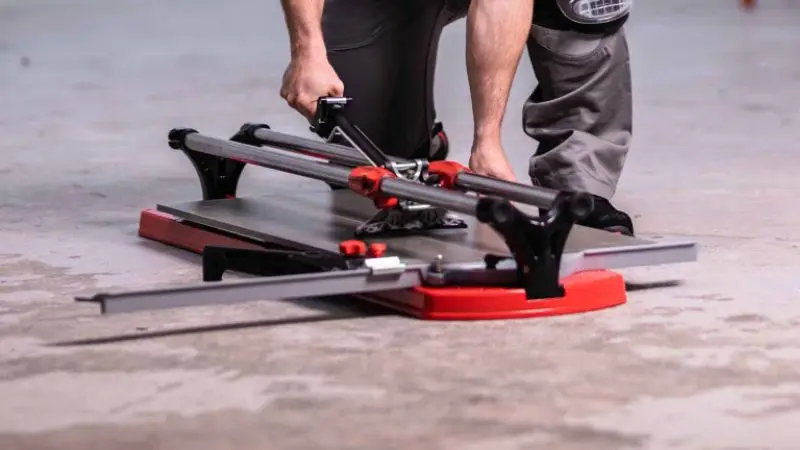
After you have prepared your tile cutter and materials, you will be able to cut. A tile cutter machine is used to make a cutting line on the surface of the tile, and then, under the action of controlled pressure, the tile is broken along the cutting line. All the steps are crucial to an accurate and clean cut.
Cutting tiles with a tile cutter involves a series of steps from measuring the tile to checking the tile when it is finished. Be sure to carefully follow each step, particularly if you are new to using a manual tile cutter.
Step 1: Measure the Tile
First, make sure to measure the precise length or width you need to install. Measure the area and allow for the grout joint before taking the value to the tile. Clearly mark the needed dimension so that you know where the cut needs to be made. When cutting floor tile with a manual tile cutter, accurate measurements are particularly important as the floor tile may need to fit around walls, corners, and other surfaces. Double-check the space before cutting. A few extra seconds in ensuring the measurement will save mistakes, wasted tiles, and make installation much easier.
Vaihe 2: Merkitse leikkausviiva
Measure the tile and mark a distinct cutting line on the face of it. Use a straight edge to create a perfectly straight line from side to side of a tile. Ensure that the mark is readily visible and is the correct measurement required. To cut tiles straight with a tile cutter, the cutting line must be straight, so that the scoring wheel can cut straight along the line. Always check the line from both ends before putting the tile on the machine. Correct the mark if it is not accurate before scoring. Never try to fix a misaligned line when using the cutter.
Step 3: Place the Tile on the Cutter
Lay the tile face up on the tile cutter. Align the tile so that the cutting line that is marked is underneath the scoring wheel. Ensure that a side of the tile is securely on the cutter guide or fence. The tile must not shift and cannot be moved while being scored. When learning how to cut bathroom tile with a tile cutter, it is particularly important to get the positioning correct, as bathroom tiles might require accurate cuts around walls, corners, and fixtures. Double-check the location at each end of the cutting line before you proceed. This will allow you better control in the next steps if the tile is positioned correctly.
Step 4: Align the Tile With the Guide
Use the cutter’s guide or fence to keep the tile in the correct position. Set the guide to your measurement and be sure that the scoring wheel will run straight down the marked cutting line. While scoring the tile, it must not buckle or move. This proper alignment helps to prevent the scoring wheel from veering off the desired course. This is especially critical when taking the beginner’s approach to using a manuaalinen laattaleikkuri, as even a slight misalignment can lead to an uneven break. Always read the entire cutting line and ensure the wheel, guide & marked line are aligned.
Step 5: Score the Tile
Hold the scoring wheel at the beginning edge of the tile and slide it in one fluid motion across the marked line. Use steady, even pressure with the wheel as it moves over the surface. The score should be clear, continuous, and form a controlled breaking point. Don’t spin the wheel repeatedly, as this can make it more likely for chips or an uneven break. This is important for learning to use a manuaalinen laattaleikkuri to cut ceramic tiles. Do not move the wheel so that it crosses the marked line, and perform the scoring movement without unnecessary stops or changes in pressure.
Step 6: Break the Tile Along the Score
Once you have scored the tile, place the breaking mechanism of the cutter over the scored area. Use a constant and uniform pressure to divide the tile into two pieces. Do not hit, twist, or force the tile, as it can crack away from the line of application when applying pressure. With a properly scored tile, a controlled pressure should be used to break the tile along the marked path. This method is significant when acquiring the skill of tile cutting without breaking it, as it directs the fracture through the tile along the score. If the tile doesn’t break away, do not force it. Review the scoring line and cutter settings before trying another cut.
Vaihe 7: Tasoita leikattu reuna
Once the tile has broken away, check the cut edge for sharp points, rough edges, or small pieces of tile. Gently rub the edge with an appropriate tile rubbing stone, diamond hand pad, or abrasive tool. Gently work it and only take off the rough spots; do not take away the finished surface. In situations where the cut edge will be left exposed after installation, smoothing the edge is especially helpful. It can also help to make the tile easier to work with while installing it. As for how to cut thick ceramic tile using a laattaleikkuri, be sure to pay attention to the cutting edge after cutting, as thicker ceramic tile may need to be further smoothed after cutting. A clean edge will provide the installation with a more complete look.
Step 8: Check the Tile Before Installation
Always try to fit the cut tile in its desired location prior to applying adhesive. Verify length, width, corners, grout spacing, and location of cut edge. When the tile is a proper fit, it is ready to be installed. If it is slightly too big, adjust it prior to adhesive application. This last step is particularly important for floors and bathrooms, where an incorrectly-cut tile can be hard to fix after it is laid. Also, checking the finished product will ensure that the cut was done along the desired line and there are no cracks or large chips present. A well-done last check will facilitate a cleaner installation.
How to Use Different Tile Cutting Machines to Cut Tiles
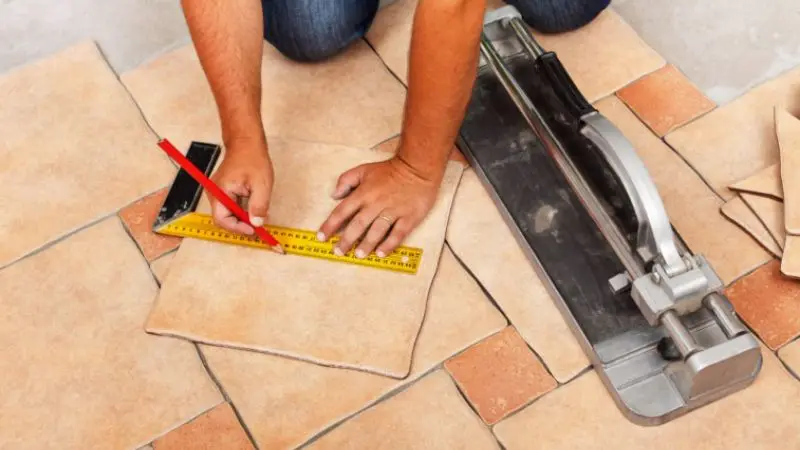
On olemassa useita erilaisia tile cutting machines, which are intended for various materials, cuts, and project requirements. The right machine can help make the cutting process more accurate and faster.
Manual cutters are great for a variety of straight cuts, and wet saws and electric cutters can be used for harder materials and more complex cutting jobs. Knowing the workings of each machine can assist you in choosing the right machine for your tile project.
How to Use a Manual Tile Cutter
A manual tile cutter is useful for straight cutting even when you don’t have electric or water-powered cutters. Carefully position the tile on the tile cutter, line up the marked line with the scoring wheel, and run the wheel across the tile in a controlled motion. Once a clear mark is made, use the breaking mechanism to break the tile along the line. This is an effective technique for lots of ceramic tiles and particularly porcelain tiles. When learning how to use a manuaalinen laattaleikkuri for beginners, practice with extra tiles until you’re comfortable scoring and breaking. Apply even pressure, and do not force the tile when breaking.
How to Use a Wet Tile Saw
A märkä laattasaha uses a diamond blade and water to cut tile and control heat and dust. Secure the tile on the saw table and line up the cutting mark with the saw blade. Follow the manufacturer’s instructions to start the machine and let the blade come to its operating speed before cutting. Carefully and gradually push the tile through the blade; do not force it. You may need a wet saw if you are cutting harder materials like porcelain or need a precise cut. It can also handle longer cuts and cuts that may be difficult with a manual cutter.
How to Use an Electric Tile Cutter
An electric tile cutter is a laattojen leikkauskone that cuts tiles using a driven diamond blade, reducing labor. Place the tile flat on the cutting surface and line up with the blade. When the machine is in operation, move the tile through the blade at a controlled speed. Electric cutters may be helpful with thicker or harder tiles, or for jobs that need several cuts. Before you begin, check your machine’s blade capacity and compatibility with your tile. Don’t apply too much pressure, or the tile may shift or break. This minimizes chipping and produces a more uniform edge with controlled movement.
Choose the Right Machine for Your Tile
Ihanteellinen leikkurin depends on the tile type, thickness, size, and the type of cut you need. For many straight cuts on standard ceramic tiles, a manual cutting tool can be efficient. For porcelain, thick tiles, longer cuts, or projects with high tolerances, a märkä saha can be more appropriate. Electric cutters also offer more cutting power for challenging materials. When choosing machines, consider the tile’s hardness and the type of cuts required. A manual cutter is sufficient depending on the nature of the project. If the job is larger or more demanding, a powered machine might be the choice for better control and cutting capacity.
How to Make Different Cuts With a Tile Cutter
A straightforward straight cut isn’t the only type of tile installation needed. Some areas, such as floors, walls, bathrooms, kitchens, and more, might need diagonal cuts, narrow strips, corner cuts, or openings around fixtures.
How the cutting is done depends on the shape and position of the cut. Understanding the different techniques can help you work more confidently and achieve a better fit during installation.
Kuinka tehdä suoria leikkauksia
The most common tile cut is a straight cut; these cuts are typically the easiest to do using a manuaalinen laattaleikkuri. Mark and measure the tile size required, mark a straight cut, and fit the tile securely to the guide. Mark the scoring wheel so that it is aligned with the mark and give it a single smooth score across the surface. Use the breaking mechanism to break the tile along the score. This technique can be applied to cutting tiles to fit at a wall or to cut rows evenly. When positioning tiles properly to ensure a straight cut with a tile cutter, it is important to make accurate measurements. A stable tile and controlled motion of scoring help to produce a cleaner result.
Kuinka tehdä diagonaalisia leikkauksia
Diagonal cuts are handy, especially for tiles that have to fit into corners or for angled designs. First, carefully measure the required dimensions and draw a diagonal line on the tile. Securely place the tile on the cutter and verify that the marked line is aligned with the scoring path. A few manual tile cutters will cut at diagonal angles if the tile can be held safely in place, but a wet saw should offer better control when cutting difficult or precise angles. Score across the tile in a controlled movement and use a suitable breaking mechanism. A powered tile saw may be a better choice for harder materials or more complicated angles, delivering more consistent results and minimizing the risk of uneven breaks.
How to Make Narrow Cuts
Narrow cuts are required when a tile is required to fit down a wall, cabinet, doorway, or narrow space. Carefully measure and note the quantity to be removed. Secure the tile on the cutter and line up the scoring wheel to the marked line. Narrow areas may be more challenging to break cleanly as there is less tile to support the scored area. Don’t use excessive force during the break. If the strip is too narrow for your manual saw to safely and accurately cut, a wet saw may be a better choice. Please make sure of the final dimensions of the tile prior to installation.
Kuinka leikata laattoja kulmien ympäriltä
When installing tile around corners, measurement and marking must be carefully done since the finished tile product must fit around two surfaces. Take measurements from several corners and transfer the measurements to the tile. Mark clearly the necessary cut lines and test the shape before cutting. A manual cutter can be used for the straight sections of the cut in a simple corner. Other forms of corners may necessitate a wet saw or other appropriate tool for cutting tiles. Cut one at a time; avoid removing too much material at once. Before laying tile, test fit tile in the corner to ensure that edges and grout gaps are correct.
How to Cut Tile Around Pipes and Fixtures
Special cuts may be required for tiles around faucets, drains, plumbing pipes, and other fixtures. First, take careful measurements of the opening’s size and location. Write this down on the tile and circle the shape needed. The openings may be straight or curved, which often necessitates the use of a tile hole saw, diamond bit, or wet saw for material and curved openings. If necessary, open slightly larger than the pipe to allow for movement and for finishing materials. Handle the work carefully around the marked area, and before installing the tile, verify the tile with the fixture to make sure the opening is in the proper location.
How to Make Holes in Tile
To create a hole in tile, a special diamond hole saw or tile drill bit should be used, not the scoring wheel of a manual cutting wheel. Mark the center of the hole and check the hole diameter before drilling. Place the tile on a stable surface with an appropriate bit for the type of tile material. Drill carefully to achieve the opening and limit pressure throughout drilling. Hard tiles like porcelain may need a diamond tool specifically designed for the tile. Once the hole is cut, make sure that the hole size and location are correct prior to installation. By taking care in the measurement and controlled drilling, you avoid cracks and unnecessary damage.
Paketoida
If one understands the right process and uses equipment suitable for one’s tile, the use of the laattojen leikkauskone will be convenient. Always measure and mark correctly – then place the tile firmly before scoring along the cutting line. Use pressure to make a clean cut and make sure to smooth the edge before installing. Manual cutters work for a number of straight cuts; wet saws and electric cutters for tougher materials and more complex jobs. Depending on the type of cut, it may be necessary to adopt other methods, such as at corners, pipes, fixtures, and narrow spaces. Using the right equipment, technique, and preparation can help minimize damaged tiles and ensure accurate cuts.
FAQ
Is it possible to use a hand tile cutter to cut porcelain tile?
Yes, it is possible to cut some porcelain tiles using an appropriate manual cutting machine. Use a heavy-duty type with a suitable scoring wheel and verify its thickness and cutting capacity before using.
What is the technique for cutting tile without breaking it?
Accurate measurements, a good cutting line, correct tile positioning, and one controlled scoring pass. Use even pressure across the scored line rather than force or twist the tile.
Which is the most effective tile cutter for novices?
Manual tile cutters are usually good for beginners as they are easy to use and aren’t electric. Select one that is the same size and material as your tile.
Are you able to make holes in tiles with a tile cutter around pipes?
The standard manual tile cutter is primarily used to make straight cuts, not holes. For holes around pipes and fixtures, use an appropriate diamond hole saw or tile drill bit.
Why do tiles break unevenly when cutting?
Poor alignment or incomplete scoring, too much pressure, or wrong cutters can cause uneven breaks. Be sure the scoring wheel runs one clean line before hitting the tile.