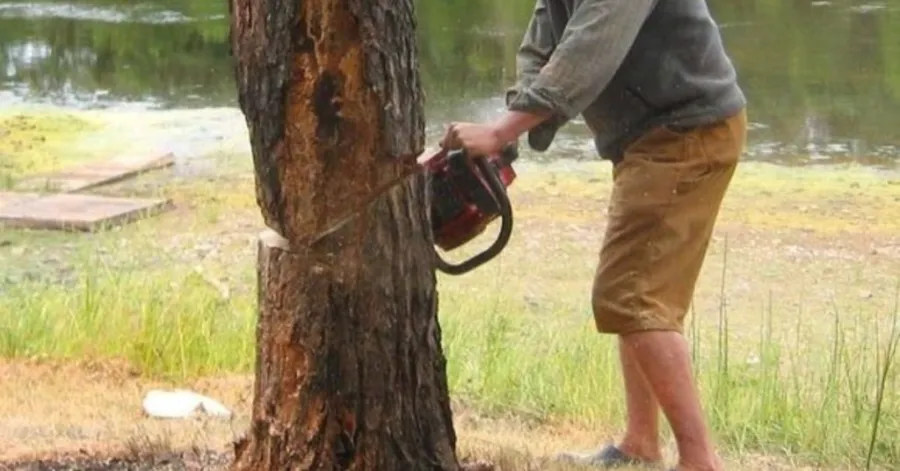
The question is how to cut down a tree without getting hurt or damaging property. Felling a tree is risky. With planning, the right equipment, and proper technique, you can minimize the danger. The right instructions provide clear steps for felling a tree easily. Not all trees require a professional to fell.
Start by assessing the area. Check for any dead branches and electrical wires. Avoid having power lines within the drop zone. Plan the escape path before everything else—open escape paths from both sides of the tree. Tree felling is all about patience. The safety measures and oikeat työkalut will keep you safe and enhance your productivity. Felling a tree requires respect. Consult an arborist if you’re not sure.
Tools and Safety Equipment Needed to Cut Down a Tree
Essential Tree Cutting Tools
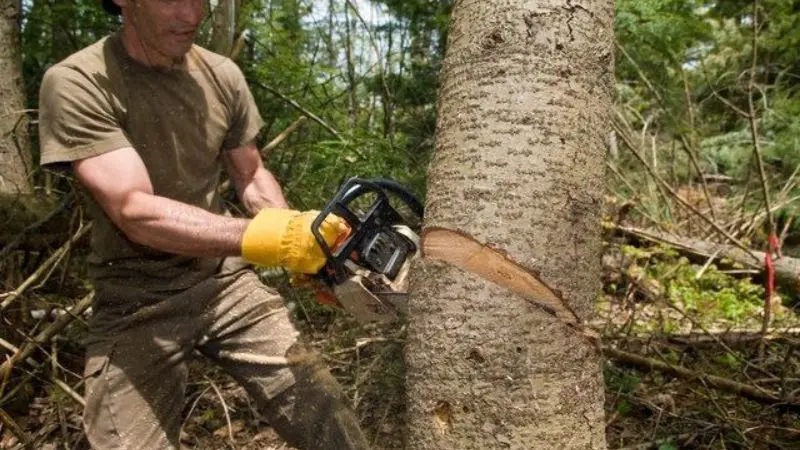
You need to be well equipped before learning how to fell a tree. The basic tool for cutting down a tree is a durable chainsaw. The bar should be long enough to wrap around the trunk. A sharp chain ensures fast cuts and minimizes the kickback. If the teeth are dull, you’ll have to push harder, increasing the risk of kickback. You will need a wedge and a small sledgehammer. Use a reliable wedge to guide the tree by driving it precisely into the felling cut. Have a felling bar ready for support. A plastic wedge will do fine for basic tree felling.
Suositellaan projektiisi
Affordable safety gear is necessary when felling a tree in your backyard. It includes a helmet, gloves, and hearing protection. Also, you need a file and a depth gauge to sharpen the chain. Inspect your chain brake every time before starting the machine. It stops the chain within seconds during kickback. Check it each time before refueling by hand. You’d better have a first aid kit in your truck. You need a rope to pull branches away from a distance. Do not put your hands inside widow makers.
Personal Protective Equipment for Tree Cutting
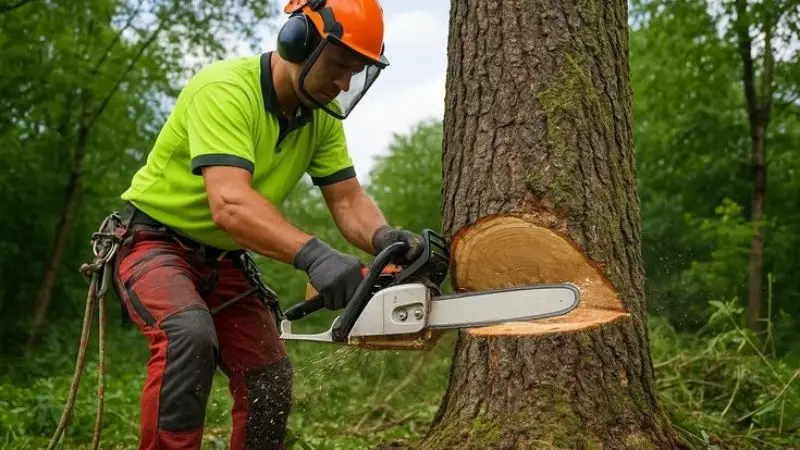
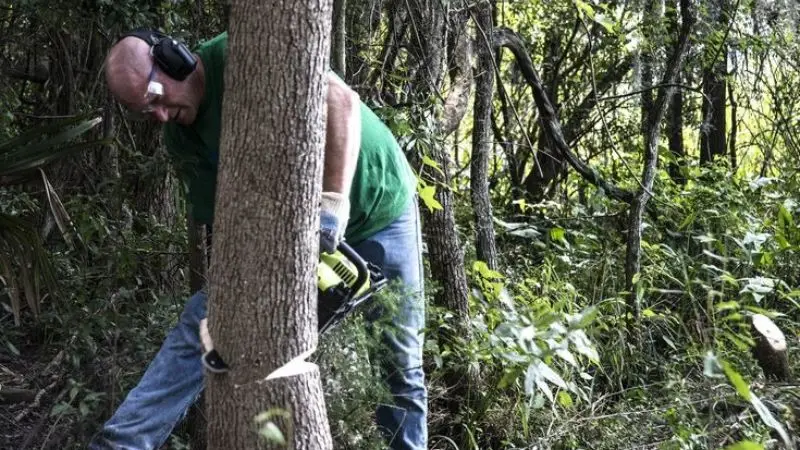
Safety equipment safeguards your body when falling trees. Wear a helmet with a face visor, along with hearing protectors such as earmuffs. Safety glasses and a mesh visor help prevent chips from flying into your eyes. Moottorisahan nahkahousut safeguard your legs from the chainsaw’s chain. Ensure that you buy chaps that match the chainsaw’s chain speed. Steel-toed boots with great traction will help you stand safely. Wearing gloves that fit well and provide good grip is also essential.
A high-visibility vest makes you easier to see. Hearing protection is important because the chainsaw will be operating loudly for a considerable period. This reduces your risk of injury; however, it does not eliminate it. Chainsaw safety tips start with the chain brake; keep your left thumb on the chainsaw handle to reduce kickback. Position yourself sideways when cutting, never parallel to the chainsaw bar. Plan your exit route. Work away from power lines and overhanging branches. Falling a tree without damaging your house is crucial. Do not cut above shoulder height.
How to Inspect Your Tools Before Starting
Inspect every tool before you begin cutting. Check the chainsaw body, handles, chain brake, guide bar, and cutting chain. Look for loose parts, cracks, leaks, and other visible damage. Make sure the chain tension matches the manufacturer’s specifications. Check that the chain brake and safety controls work correctly.
Inspect wedges, bars, and other accessories for damage. Confirm that your protective equipment fits properly and has no visible defects. Follow the manufacturer’s instructions when testing or maintaining your saw. Never operate a chainsaw with a faulty brake or damaged safety control. Remove defective equipment from service until you repair it. A few minutes of inspection can prevent a dangerous failure during cutting.
How to Cut Down a Tree Safely and Precisely: Step-by-Step Guide
Step 1: Inspect the Tree and Surrounding Area
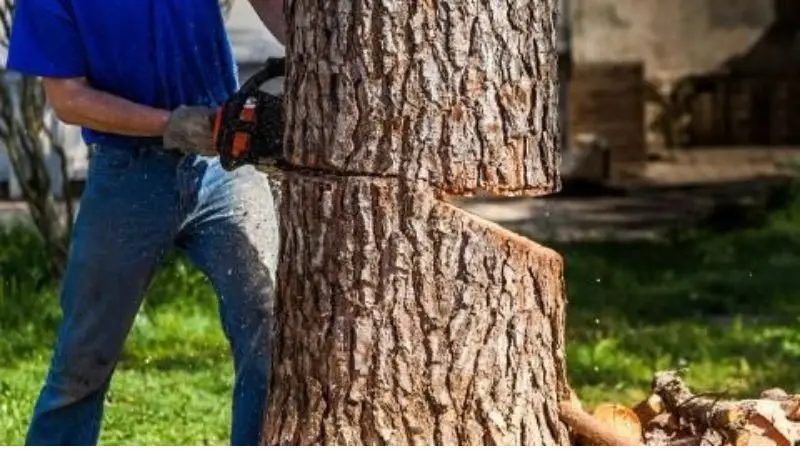
Use these steps to fell a tree safely. Firstly, visually examine the tree from a distance. Check for dead branches, cracks, cavities, root damage, and signs of decay. Assess whether the tree is leaning and whether the canopy is unevenly distributed. This will affect the tree’s behavior during the felling process.
Check the ground conditions for soil erosion, slopes, rocks, and obstructions. Check for buildings, cars, fences, or overhead power lines near the tree. Also, consider the influence of any storms or past tree cutting. Decay may be present even if the trunk condition is good. Never feel bad if you cannot assess the risk factors.
Step 2: Make Strategy the Tree’s Direction of Fall
Factors that affect the direction in which the tree will fall include the tree’s natural lean, the weight of the tree’s crown, tree trunk conditions, the presence of wind, and the availability of space. A tree might not fall where you expect, even if the trunk is straight. Nearby buildings and other trees can also affect how the tree falls.
Ensure there is enough space for the tree to fall without harming people or property. Do not expect to control the fall with a rope or a simple cut. Directional falling requires skill and knowledge of tree mechanics. If you realize the tree does not have enough space to fall, stop and contact a tree professional. Trees near roadways, buildings, and power lines need special attention.
Step 3: Clear the Work Area and Escape Routes
Ensure there are no loose branches, leikkaustyökalut, stones, or other objects in the work area. Keep all people not helping with the job off the work area.
Plan escape routes before you begin cutting the tree. Ensure escape routes take you away from the predicted point of fall and have no barriers in the way. Plan more than one way out in case conditions change. Do not place fuel containers, tools, or cut timber in areas that could hinder your escape route. Recheck your escape routes right before you begin.
Step 4: Set Up a Safe Work Zone
Set up a work area that will protect bystanders from the tree and the area where it can fall. The required distance depends on the tree’s size, site conditions, and the nature of the work. Be conservative in the distance used, and follow the professional guidelines rather than using the same distance in all cases.
As an extra safety measure when cutting a leaning tree, keep equipment and vehicles out of the hazardous area. Ensure that anyone working with you knows the plan and when to move out of the area. Maintain communication, especially if more than one person is helping you.
Step 5: Understand the Risks of Directional and Felling Cuts
Directional and felling cuts determine where the tree begins to fall. They also influence the trunk’s stability during removal. Faulty cuts may cause the tree to split, twist, fall unpredictably, or even fall toward the saw operator.
The face cut helps determine the direction of fall, while the back cut is performed on the residual hinge wood. Properly manage the hinge wood to allow better control of the tree. Overcutting, improper cutting angles, and removing excessive hinge wood make it hard to maintain proper control.
Step 6: Monitor the Tree and Move Away From the Danger Zone
Observe the tree and the environment during the entire operation. Listen for sounds such as cracking, changes in the trunk, and branch movement. Stop working if the tree falls unexpectedly or conditions change.
As soon as the tree begins to fall, do not get near it to verify the direction of fall. Leave quickly through your predetermined escape route by staying away from the trunk and branches. Do not stop to pick up any tools or equipment.
Step 7: Check the Fallen Tree for Hidden Hazards
Do not approach the tree until it stabilizes. The fallen trunk might be under pressure and could move unexpectedly. Branches may also be trapped under the trunk or hung up in other trees.
View the tree from a safe place. Watch for hanging limbs, bending branches, unsteady parts of the tree, and wood that might roll. Check whether the tree trunk is resting on a slope or other obstruction.
How to Remove Tree Branches and Cut the Trunk Safely
How to Remove Small Branches From a Fallen Tree
Start by inspecting the tree for unstable branches and any trapped wood. Know how the tree is lying before you start cutting. Branches can either stabilize the tree or hold it in place under tension. If you cut one, the trunk may move around. Cut small, stable branches that don’t require you to move onto the trunk.
Keep your feet on the ground at all times, and maintain full control of the tool. Never cut toward yourself; the moving chain should never get near your hand. Keep away from branches that are bent or trapped in the trunk. When dealing with larger branches, take precautions and use safe cutting tools because they can move when you release them from the trunk.
How to Cut a Tree Trunk Into Smaller Sections
Chopping up a fallen trunk into smaller pieces is called bucking. Always examine how the fallen trunk is resting on the ground. This will help you know how the wood will behave when cutting because its resting weight and point will affect the movement.
Avoid cutting a trunk without knowing what you are doing, because the wood can pinch the moottorisahaterä or catch the chain. Do not position your body parts where the wood piece is moving.
Do not try to buck large trunks, steep slopes, and hanging wood pieces because they are very risky. You need the right training and equipment before cutting large wood. Always stop if the trunk moves, bends, or is under stress.
How to Avoid Pinched Chainsaws and Moving Wood
Pinching refers to the wood closing on the guide bar during cutting. This can pinch the chainsaw and be hazardous. The risk of pinching increases if the trunk is unbalanced or has internal tensions.
Inspect the trunk before cutting. Check for any bends or other areas that could react when cutting begins. Never force a pinched kaasumoottorisaha or try to release it while the chain is rotating. Switch off the saw and follow its recommended release procedure.
Why You Should Never Stand Under Hanging Branches
Hanging branches can be very dangerous when felling the tree. A branch may seem stable but can fall when the trunk moves or nearby wood is removed. Even a small branch can be dangerous when it falls from a height.
How do you safely fell a dead tree? First, inspect the crown and the surroundings for any dead or broken branches. Note any branch caught in the other tree. Never climb the fallen trunk to reach the hanging branch. You should not attempt to pull out the branch that is stuck underneath.
Keep people away from the area where the branches are hanging. If a branch is high in the canopy or still stuck after falling, hire an arborist. Never stand below the hanging branch when cutting it off.
Common Tree Cutting Mistakes to Avoid
Cutting Down a Tree Without a Safety Plan
Starting a tree removal job without a safety plan increases the risk of injury and property damage. Assess the tree, identify hazards, and establish a clear work zone before using a chainsaw.
Check the tree’s condition, natural lean, and surroundings. Identify overhead wires, nearby structures, and potential escape routes. Make sure your tree-removal equipment is ready and that everyone involved understands the plan.
Don’t start just because the tree looks easy to cut. Hidden decay, trapped branches, and uneven ground can change the risks. If you cannot identify a safe way to remove the tree, contact a certified arborist. Planning is essential to tree felling.
Ignoring Wind, Weather, and Tree Lean
Wind and weather can affect tree stability and the direction of fall. Strong gusts may move the crown or cause branches to break unexpectedly. Wet ground can also reduce footing and make heavy equipment harder to control.
Always assess weather conditions before starting. Pay attention to the tree’s natural lean and how its branches are distributed. A heavy crown on one side can affect how the tree moves when you cut it. Don’t assume a straight-looking trunk will fall predictably.
Postpone the job during strong winds, thunderstorms, or other unsafe conditions. Avoid working on slippery ground or near unstable trees after severe weather. If the tree leans toward a building or another hazard, hire a qualified professional. Never try to overcome an unsafe lean with guesswork.
Using Damaged Tools or Skipping Safety Gear
Damaged tools can fail when you need them most. A loose chain, faulty chain brake, cracked handle, or damaged guide bar can make chainsaw operation dangerous. Inspect your leikkauslaitteet before every job and follow the manufacturer’s maintenance instructions.
Cutting trees safely near a fence is important. Wear the required protective equipment, including a helmet, eye and hearing protection, chainsaw-resistant leg protection, and suitable footwear. Check that everything fits correctly and remains in good condition.
Never assume that experience makes protective equipment unnecessary. Even skilled operators can encounter kickback, falling debris, or unexpected wood movement. Replace damaged equipment before continuing. If an essential safety feature fails, stop work immediately. A short delay is better than risking a serious injury.
Standing Too Close to the Falling Tree
Standing too close to a falling tree leaves little room to react when something goes wrong. The trunk may split, bounce, or strike another tree. Falling branches can travel beyond the area directly beneath the crown.
Establish a suitable exclusion zone before cutting begins. Its size depends on the tree’s height, condition, surroundings, and removal method. Keep bystanders outside this area and maintain a clear escape route.
To cut a tree safely, move away along your planned route as it begins to fall. Do not stay beside the trunk to watch it move. Never return to retrieve equipment while the tree is falling. If the tree becomes lodged or moves unpredictably, stay clear and seek professional help.
Attempting to Cut Down a Tree Near Power Lines
Trees near power lines present a serious electrical hazard. Branches, trunks, chainsaws, and ropes can contact energized lines. Electricity can also arc across a gap, so direct contact isn’t always needed for an accident to occur.
Never attempt to fell or remove a tree that is touching, leaning against, or close to power lines. Do not assume that a line is insulated or safe because it appears inactive. Keep people away from the hazard area and contact the local electricity utility for guidance.
If a fallen tree or branch contacts a power line, stay well clear and warn others not to approach. Do not touch the tree, nearby objects, or equipment in contact with the line. Report the situation to the utility or emergency services as appropriate. Only authorized, properly trained professionals should handle tree work involving electrical hazards.
Yhteenveto
Nyt olet oppinut how to fell a tree correctly. You need to plan its fall. Wear your full safety gear. You will make a face cut first and then a back cut. A proper face cut will guide your tree. Your face cut controls your hinge. Your face cut determines the direction. A shallow face cut will cause problems while felling a tree. If your face cut is too deep, it will weaken the hinge. You will need your face cut to meet at some point. Check your face cut before sawing. Clear your escape routes first.
FAQ
Why does the chainsaw appear to jump?
A bar nose may catch wood, causing kickback. Kickback makes a chainsaw bounce back at you. A sharp chain prevents kickback. A functioning chain brake blocks kickback before it causes any harm.
What should you look for before starting your job?
Walk around the tree. Check the drop zone for any power lines and broken branches. Choose a path to get out of danger that goes in the opposite direction of the fall. Detach hanging branches using a rope.
How do you control the direction of a falling tree?
The face cut and back cut control the direction of the fall. The face cut makes sure where the tree falls. The hinge directs the trunk. Wedges hold the back cut. You can learn to fell a tree correctly.
When do you call a professional?
Call a certified arborist when you doubt yourself about tree work. You shouldn’t fell a tree near a building, street, or power line. Rot and cracks make felling a tree uncertain.