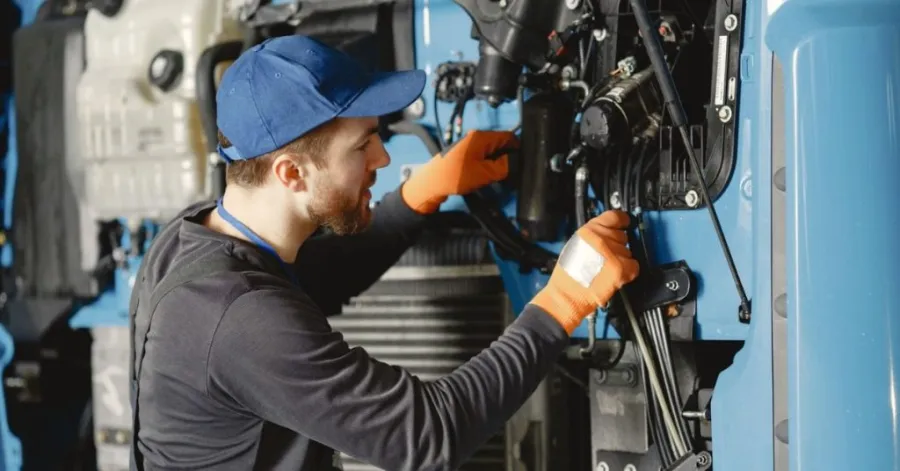
Los ruidos extraños son una de las peores situaciones en las que te puedes encontrar como propietario de un coche. Detectar los problemas en una etapa temprana es clave para evitar problemas más graves en el futuro. En caso de que oigas ruidos inusuales o notes que tu motor no funciona como debería, es posible que necesites elevador hidráulico reparación. Para ello debes conocer la mejor elevador hidráulico.
Índice
Señales que debes obtener Reparación de elevadores hidráulicos
A veces puede resultar difícil comprender la naturaleza del problema con su automóvil. Sin embargo, es crucial detectar los síntomas de mal funcionamiento lo antes posible para evitar complicaciones mayores. Estos son los síntomas más comunes de un mal funcionamiento. elevador hidráulico:
Ruido de tictac o clic del motor
¿Cómo reparar un taqué hidráulico ruidoso? El síntoma más común es un ruido de tictac o clic que proviene del motor. Por lo general, el ruido se vuelve más fuerte cuando arranca el coche o cuando el motor aún está frío. En la mayoría de los casos, la causa de este sonido es el mal funcionamiento del elevador hidráulico.
Recomendado para su proyecto
Fallo de encendido del motor o rendimiento deficiente
Un defectuoso elevador hidráulico Puede provocar fallos de encendido en el motor. Es posible que notes vibraciones en el coche o que no funcione con la misma suavidad que antes. A veces, verás una pérdida de potencia al pisar el acelerador. Si tu coche se siente lento, un taqué hidráulico defectuoso podría ser la causa.
Pérdida de potencia y ralentí irregular
¿Sientes que tu coche está débil o irregular cuando está al ralentí? Esto puede ocurrir cuando un elevador hidráulico No abre ni cierra correctamente una válvula. El motor no consigue la mezcla adecuada de aire y combustible, por lo que le cuesta arrancar. Es posible que notes que el coche vibra más de lo normal al estar parado.
Se enciende la luz de control del motor.
¿Se pueden reparar los taqués hidráulicos? La luz de verificación del motor puede encenderse por muchas razones, pero un mal funcionamiento elevador hidráulico Es uno de ellos. Si ve esta luz junto con cualquiera de los otros síntomas, debe revisar el elevador hidráulico de inmediato. Un escaneo rápido con un lector de códigos puede ayudarle a determinar si el elevador es el problema.
¿Qué causa los problemas en los elevadores hidráulicos?
Quizás te preguntes por qué tu elevador hidráulico Empieza a fallar. Analicemos las causas comunes de falla de los taqués hidráulicos para que pueda detectar el problema a tiempo.
Nivel bajo de aceite del motor
Tu motor necesita suficiente aceite para funcionar correctamente. Si dejas que el nivel de aceite baje, el taqué hidráulico no recibirá la lubricación necesaria. Esto puede provocar ruidos y un rendimiento deficiente. Revisa el nivel de aceite con regularidad. Si notas que está bajo, rellénalo de inmediato.
Aceite de motor sucio o con sedimentos
El aceite sucio puede obstruir su elevador hidráulicoCuando el aceite envejece, se convierte en lodo. El lodo obstruye los pequeños conductos dentro del taqué. Es posible que escuche un tictac o note que el motor no funciona correctamente. Cambie el aceite y el filtro según el programa de mantenimiento. El aceite limpio ayuda a que el taqué hidráulico funcione de manera óptima. Por lo tanto, es fundamental saber cómo limpiar los taqués hidráulicos.
Elevadores desgastados o dañados
Los taqués hidráulicos se desgastan con el tiempo. La reparación de los taqués hidráulicos se vuelve costosa. Si conduce un vehículo antiguo, podría deberse a que los taqués se han desgastado. El taqué desgastado no funcionará correctamente, lo que provocará un ralentí irregular y pérdida de potencia. Si cree que su elevador hidráulico Si está defectuoso, llévelo a un mecánico.
Problemas de presión de aceite
El elevador hidráulico depende de un suministro constante de presión de aceite. En ocasiones, la bomba de aceite falla o hay fugas, lo que provoca una presión insuficiente. Esto genera ruido y mal funcionamiento. Preste atención a señales como el parpadeo de la luz de aceite.
Mantenimiento inadecuado
El mantenimiento de un elevador hidráulico es fundamental. Descuidar el mantenimiento de su vehículo provocará un mal funcionamiento del elevador. La falta de mantenimiento puede ocasionar diversos problemas; por lo tanto, es recomendable seguir el programa de mantenimiento del fabricante.
Cómo diagnosticar un elevador hidráulico defectuoso
¿Cómo reparar los taqués hidráulicos? Quieres que tu motor funcione sin problemas, así que aprender a diagnosticar una falla elevador hidráulico puede ayudarte a detectar problemas a tiempo. Veamos algunos pasos sencillos que puedes probar en casa.
Escucha el ruido del motor.
Arranca tu vehículo y escucha atentamente los ruidos que produce el motor. Un tictac o un clic puede indicar que hay algún problema con el motor. elevador hidráulico. Este ruido suele intensificarse cuando el motor está frío. No ignore esta señal de advertencia.
Inspeccione el aceite del motor.
Abra la tapa del motor y compruebe el nivel de aceite en el depósito. Un nivel bajo de aceite o aceite sucio puede afectar al correcto funcionamiento del taqué hidráulico, ya que el aceite limpio es esencial para su rendimiento. La presencia de lodo o partículas en el aceite indica que debe cambiarlo para evitar costes adicionales por la sustitución del taqué hidráulico.
Compruebe la presión del aceite.
La presión del aceite afecta al correcto funcionamiento de su elevador hidráulico. Para medir la presión del aceite, utilice un manómetro especial recomendado en el manual de su vehículo. Si la presión del aceite es baja, afectará negativamente al funcionamiento del elevador.
Inspeccionar el tren de válvulas
Retire la tapa de válvulas e inspeccione el tren de válvulas. Verifique si hay componentes desgastados, resortes rotos o taqués atascados. Si hay algún problema, entonces debe cambiar el elevador hidráulicoEn algunos casos, basta con limpiar el taqué hidráulico para solucionar el problema. Para comprobar si el taqué hidráulico está defectuoso, inspeccione el sistema de distribución de válvulas.
Cómo reparar un elevador hidráulico
No hay mucho de qué preocuparse si hay algún problema con el elevador hidráulico, ya que se puede arreglar en casa. Aquí explicaremos los pasos a seguir.
Cambie el aceite y el filtro del motor.
El primer paso para reparar el elevador hidráulico Se trata de drenar el aceite del motor. Esto evitará problemas relacionados con los taqués hidráulicos. Debes retirar el filtro de aceite del motor e instalar uno nuevo. Llena el motor con aceite nuevo compatible con el motor de tu coche. Esto mejora el rendimiento del motor y suele solucionar problemas menores con los taqués.
Utilice un limpiador de elevadores hidráulicos.
Consigue un limpiador de taqués hidráulicos en tu tienda de repuestos de automóviles más cercana. Vierte el limpiador en el aceite del motor. Arranca el motor siguiendo las instrucciones del limpiador. El limpiador disuelve los residuos y libera el taqué atascado.
Limpie los elevadores hidráulicos
Si el ruido o los problemas persisten, es posible que deba limpiar el elevadores hidraulicos Directamente. Retire la tapa de válvulas. Saque los taqués con cuidado. Remójelos en una solución limpiadora. Use un cepillo suave para eliminar cualquier residuo. Seque las piezas antes de volver a colocarlas. Este paso de reparación puede restaurar el movimiento correcto.
Reemplazar un elevador hidráulico dañado
A veces, la limpieza no soluciona el problema. Es necesario reemplazar el taqué hidráulico dañado. Compre una pieza nueva compatible con su motor. Retire el taqué viejo e instale el nuevo. Siga las instrucciones del manual de su vehículo para conocer el orden correcto. Esta reparación puede eliminar el ruido y mejorar el rendimiento del motor.
Pruebe el motor después de la reparación.
Después de realizar las reparaciones, encienda el motor. Preste atención a cualquier ruido inusual. Busque fugas. Conduzca un poco el coche. Asegúrese de que todo esté bien. Si el ruido persiste, deberá repetir las reparaciones o acudir a un especialista.
Reparación de elevadores hidráulicos: Proceso paso a paso
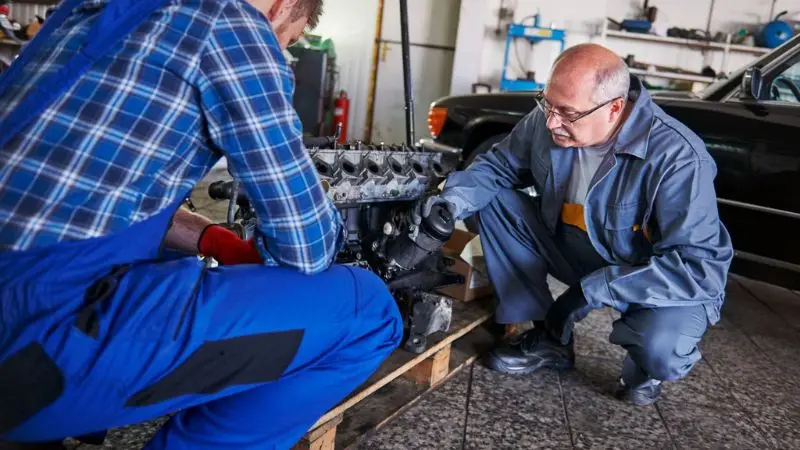
¿Desea aprender sobre la reparación de elevadores hidráulicos? Es posible realizar este procedimiento usted mismo en casa. Le proporcionamos una guía paso a paso para reparar su elevador hidráulico. elevador hidráulico y lograr que su motor vuelva a funcionar correctamente.
Recopilación del equipo necesario
¿Cómo reparar un elevador hidráulico sin reemplazarlo? Lo primero que debe hacer es reunir todo el equipo necesario. Para este procedimiento, necesitará un juego de llaves de vaso, una llave inglesa, un destornillador, una llave dinamométrica, un trapo limpio y un nuevo elevador hidráulicoEn caso de que decida reemplazar solo un elevador defectuoso, no olvide usar guantes y gafas protectoras.
Acceso e inspección de los elevadores
Ahora, observe el tren de válvulas. Verá el taqué hidráulico debajo de los balancines. Revise cada uno para detectar desgaste, daños o acumulación de lodo. Si encuentra algún problema, deberá decidir si reparar o reemplazar los taqués hidráulicos. A veces, la limpieza es suficiente. Otras veces, se necesita una pieza nueva.
Instale elevadores nuevos o reacondicionados.
Si está realizando el mantenimiento o reemplazando el elevadores hidraulicos En su vehículo, siga las instrucciones del manual del propietario. Vuelva a colocar el elevador hidráulico nuevo o limpio en su posición. Asegúrese de que esté instalado correctamente. Este es un paso importante en la reparación del elevador hidráulico.
Reensamblar los componentes del motor
Vuelva a colocar la tapa de válvulas. Apriétela firmemente con la llave dinamométrica. Retire el exceso de aceite. Verifique que haya realizado todos los pasos correctamente. Encienda el motor y escúchelo. Si todo salió bien, el elevador hidráulico funcionará sin problemas.
Conclusión
Los ruidos extraños en el motor pueden indicar un problema con los taqués hidráulicos. Revise con frecuencia el estado del aceite. Compruebe si hay algún problema con su nivel o estado. Examine el tren de válvulas en busca de componentes dañados. La detección y solución temprana de estos problemas le ayudará a ahorrar dinero y proteger su motor.
- Cambie el aceite según las instrucciones del manual del propietario.
- Realizar el mantenimiento de los elevadores si es necesario.
- Pruebe el motor una vez que haya terminado las reparaciones.
Preguntas Frecuentes
¿Cuánto tiempo se puede conducir con un taqué hidráulico defectuoso?
Conduzca lo menos posible. La situación con el elevador puede deteriorarse rápidamente.
¿Qué ocurrirá si se ignora un elevador hidráulico defectuoso?
Si no presta atención al elevador averiado, se producirán las siguientes consecuencias:
- Más ruido del motor
- Fallos de encendido
- Costosos daños en el motor
- Es mejor solucionar el problema antes de que ocurra algo más grave.
¿Cuánto cuesta reparar un elevador hidráulico?
El costo de las reparaciones depende de tu vehículo y de si decides solucionar el problema tú mismo o si prefieres que lo haga un mecánico. Tendrás que gastar entre $20 y $50 en un limpiador de taqués o entre $300 y $1,000 en repuestos y mano de obra.