Is your mower leaving ragged, brown-tipped grass and wet clumps behind? A dull mulching blade is usually the cause. It tears grass instead of slicing it, and that stress invites disease. The good news is that learning cómo afilar mulching blades is an easy DIY job, and a afiladora de cuchillas de cortacésped can make it even faster. Disconnect the spark plug, remove the mower blade, clean and inspect it, file the cutting edge at the factory bevel angle (usually 30 to 45 degrees), balance it, and reinstall it right-side up.
Recomendado para su proyecto
Cómo afilar las cuchillas de la trituradora paso a paso
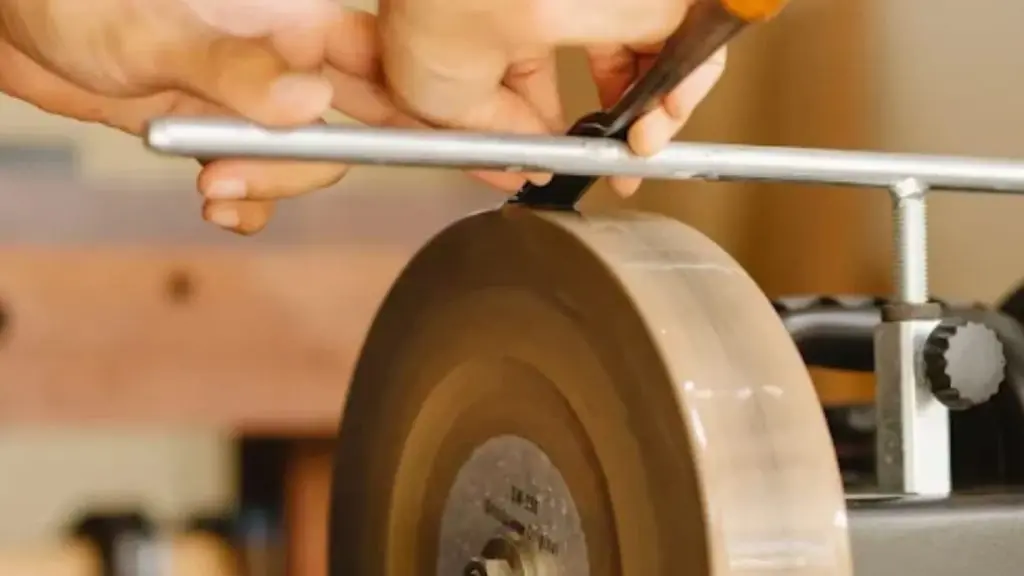
Here is how to sharpen a mulching blade in about 30 minutes. Work on a flat surface with good light. You’ll need a metal file, a clamp or vise, work gloves, and safety glasses. Understanding how afiladoras de cuchillas de cortacésped actually work helps you to sharpen mulching blades more effectively.
Step 1: Safety & Disconnect
- Disconnect the spark plug wire (gas mower) or remove the battery (electric mower).
- Never skip this; a mower can turn over even with the key off.
- Tilt the mower on its side with the air filter facing up to prevent oil and fuel from flooding the carburetor.
Step 2: Blade Removal & Inspection
- Wedge a block of wood against the blade to keep it from spinning.
- Afloje el perno central con una llave (normalmente una llave de tubo de 5/8 de pulgada o 15 mm).
- Draw an arrow or mark the side facing the grass so you don’t reinstall the mulching blade upside down.
- Retire la hierba con un cepillo de alambre. Compruebe si hay grietas, mellas o dobleces profundos. Si la cuchilla trituradora está agrietada, deséchela.
Step 3: Secure & Sharpen
- Secure the sharp mulching blade tightly in a bench vise with the cutting edge facing up.
- Follow the factory bevel angle (30 to 45 degrees). Do not create a new angle.
- Push the file in one forward direction, away from the blade. Lift the file on the return stroke. Five to 10 passes are usually enough.
- Prueba a cortar un trozo de papel. Una cuchilla afilada para triturar lo corta limpiamente; una desafilada lo desgarra.
Step 4: Balance the Blade
- Hang the blade’s center hole on a wall nail or screwdriver.
- If one side dips downward, file a little more metal off that heavy edge until the blade hangs perfectly level. Unbalanced mulching blades cause heavy mower vibrations.
Paso 5: Reinstalación
- Place the sharp mulching blade back on the mower with your marker sign facing down toward the grass.
- Lock the mulching blade with the wood block again, then tighten the center bolt to your manual’s torque spec.
Ese es el método completo para afilar cortacésped mulching blades at home. Sharpening mulching blades by hand takes patience more than skill.
When to Sharpen Mulching Blades?
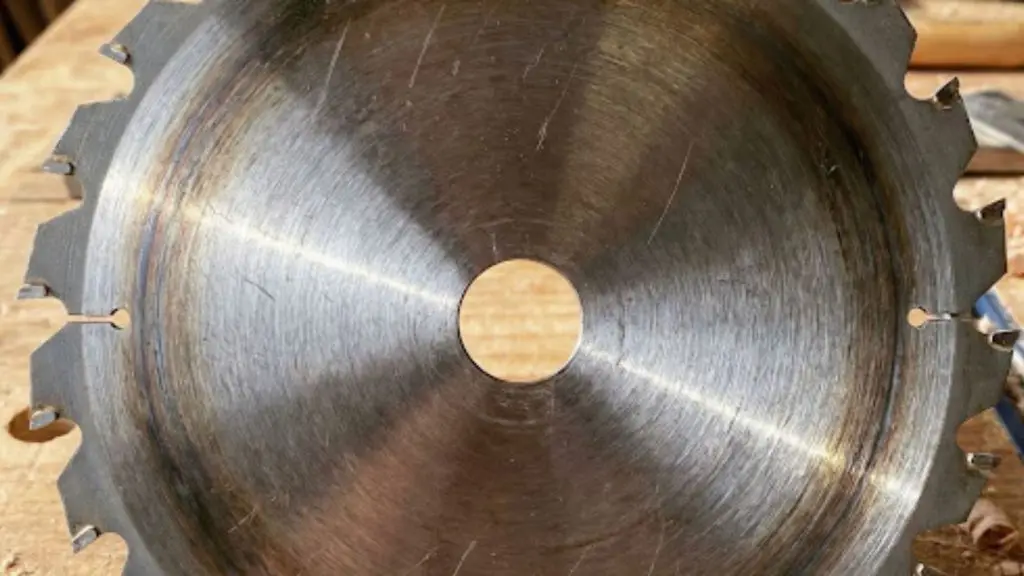
Antes de afilar las cuchillas de la trituradora, compruebe las señales que aparecen a continuación. ¿Aún no sabe cómo afilar una cuchilla de trituradora? En los pasos anteriores se explica cómo afilar las cuchillas de trituradora de la cortadora de césped.
Señales de que la cuchilla de su trituradora está desafilada
- Torn grass tips. Salga del césped después de cortarlo. Las puntas marrones y deshilachadas indican que la cuchilla arranca la hierba en lugar de cortarla.
- Clumps of clippings. A sharp mulching blade recuts clippings into fine pieces. A dull blade leaves wet clumps across the yard.
- Corte irregular. Wavy or patchy stripes appear even when you mow straight lines.
- Shaking and vibration. Strong vibration through the handlebar often points to a dull, bent, or unbalanced lawn mower blade.
Spotted one of these? Most dull blades can be sharpened. Only a bent or cracked blade needs replacing.
¿Cómo se afilan las cuchillas de las trituradoras sin desmontarlas?
First, disconnect the spark plug, tilt the mower, and file along the factory bevel. You need to know that removal is the better choice. If you still want to try, move on. The problem is that you can’t see the whole edge or check the mower’s balance. Removing the blade gives a safer, more even result, so use the steps above whenever possible.
Ángulo de bisel y nivel de afilado para la cuchilla trituradora
The angle and the edge decide how well a sharp mulching blade cuts. Get both right, and the rest is easy. Too steep, and the edge chips on the first rock. Too shallow, and the blade never cuts cleanly. A little attention here saves you from sharpening again in a few weeks.
¿Con qué ángulo se debe afilar la cuchilla de una trituradora?
When you learn how to sharpen a mulching blade, match the factory bevel, which usually sits between 30 and 45 degrees. Changing the angle changes how the blade cuts. By using a trituradora de cortacésped, sharpening lawn mower mulching blades at the right angle comes down to steady, even strokes. A steeper edge turns brittle. A shallower edge leaves the blade dull.
How Sharp Should a Mulching Blade Actually Be?
Necesitas entender how sharp a lawn mower blade Las cuchillas de trituración afiladas no necesitan ser afiladas en exceso. Un filo fino y brillante se desafila rápidamente y se astilla con facilidad al contacto con la primera piedra. Una cuchilla de trituración afilada es firme y uniforme, no extremadamente delgada. Al aprender a afilar una cuchilla de trituración, no busque un filo de navaja.
Si también te lo preguntas, ¿las cuchillas de las trituradoras deben estar afiladas? Sí, pero no al ras de una navaja. No se trata de afeitarse. El filo debe cortar una brizna de hierba limpiamente. Si corta papel con facilidad, está bien.
Herramientas para afilar las cuchillas de las trituradoras
Sharpening a mulching blade starts with the right tool for your comfort level. Here’s a quick comparison of the best lawn mower blade sharpeners para sus necesidades.
| Tipo de herramienta | Uso recomendado | Punto clave |
| Lima metálica | Principiantes | Full control, slow metal removal |
| Amoladora de banco | trabajo rapido | Mantiene el ángulo de bisel constante. |
| Accesorio de taladro | Retoques rápidos | La luz pasa solo |
| Afilador de cuchillas eléctrico | Frequent sharpeners | Holds the angle for you |
Las cuatro herramientas sirven para afilar las cuchillas de las trituradoras. Una lima de metal por sí sola es suficiente para la mayoría de las cuchillas y cuesta poco. amoladora de banco saves time but demands a steady hand. To keep a mulching blade sharp, let the tool rest against the bevel. Mulching blades have a unique shape, so the way you sharpen them is not quite the same as for a standard blade. Before you start, it helps to understand exactly how the two differ.
Mulching vs. Standard Blades
If you are considering mulching blades, you need to understand how sharpening a mulching blade is different from sharpening a standard blade. The answer is simple: sharpening a mulching blade is a bit different from sharpening a standard blade. Mulching blades have a long, curved edge, while regular blades are flat and straight. When you sharpen a mulching blade, you must follow that curved edge carefully. Make sure to sharpen the whole edge evenly. If you miss a spot, the blade will cut the grass unevenly and leave ugly clumps on your lawn.
| Elemento | Cuchilla mulching | Hoja estándar |
| Innovador | Longer and curved | Más plano y sencillo |
| Bisel | A menudo más profundo | Más simple |
| como afilar | Sigue el borde curvo completo de manera uniforme. | Follow the straight edge |
| Si omite una sección | Uneven cut and clumps | Uneven cut |
Can you sharpen mulching blades with an angle grinder?
If your sharp mulching blade has a complex curved design, you can sharpen mulching blades with an amoladora angular. This ensures better control. An angle grinder removes metal fast and builds heat. Make short passes, keep the factory bevel, and let the blade cool between passes. If the steel turns blue, you’ve overheated it and softened the edge. For faster, more controlled sharpening, a bench grinder is a reliable option.
Balance and Common Mistakes
A decent job takes a sharp edge and a balanced blade. Any hurry creates most other faults, and any skipping of balance destroys the product. Many people quit when the edge gets sharp. But that’s only half the job. When you cut metal, it pulls off unevenly. Even a tiny discrepancy can make the mower tremble. A couple more minutes here can save your mower and give you an even cut.
¿Es necesario equilibrar una cuchilla trituradora después de afilarla?
El secreto para afilar las cuchillas trituradoras de la cortadora de césped es el equilibrio. Siempre. Limar elimina metal, y hacerlo de un lado altera el equilibrio. No se puede ignorar el equilibrio de forma segura. Una cuchilla desequilibrada hace vibrar la cortadora y puede dañar el eje.
Para comprobar el equilibrio de la cuchilla, cuélgala de un clavo o un contrapeso. Deja caer un lado, luego lima un poco el lado más pesado y vuelve a comprobar hasta que la cuchilla esté nivelada. Una cuchilla afilada para triturar que se tambalea sigue cortando mal.
What mistakes should you avoid when sharpening mulching blades?
Most problems with how to Afilar las cuchillas trituradoras de la cortadora de césped come from a handful of easy errors. Watch for these when sharpening mulching blades.
- Ángulo equivocado: Changing the factory bevel will kill the cut. Always match the original angle.
- Sobreafilado: La primera piedra deja un filo finísimo. Detente cuando la cuchilla corte limpiamente.
- Skipping the balance check: Una cuchilla desequilibrada hará vibrar la cortadora de césped y desgastará el eje.
- Montaje de la cuchilla en sentido inverso: The mulching wing must be up. Impossible with your chalk.
- Blade repair (damaged): A bent or damaged blade can come apart at full speed. Never sharpen any of them.
Mantén tus cuchillas afiladas durante toda la temporada.
Knowing how to sharpen a mulching blade gets you halfway. The other half is habit. Even a perfectly sharpened blade dulls over time from rust, dirt, and rough mowing. A few simple habits slow that down and keep your cut clean from spring to fall. You’ll also spend less time at the bench.
Sharpening Frequency and Replacement
You can sharpen a blade many times, until the steel wears thin. Plan to sharpen at least twice per season, or after every 25 hours of use. Even if you know how to sharpen a mulching blade well, some blades reach the end of the road. A bent, cracked, or severely worn blade is not worth saving. Replace it instead. A new set of VEVOR afiladora de cuchillas de cortacésped keeps your cut clean without the guesswork.
| Condición de la hoja | Qué hacer |
| Dull edge, no damage | Sharpen it |
| Pequeños rasguños o desgaste menor | Sharpen it and check the balance |
| Hit a rock or stump | Inspecciónelo primero, luego afílelo si no está dañado. |
| Bent or cracked | Reemplázalo |
| Fragmentos faltantes | Reemplázalo |
| Edge worn past the bevel | Reemplázalo |
Quick Maintenance Habits
Afilar las cuchillas de la trituradora es más fácil cuando la plataforma y los tornillos están en buen estado. Los siguientes hábitos de mantenimiento solo toman unos minutos después de cada corte. Si realmente quieres obtener resultados efectivos, asegúrate de seguirlos.
- Check blade tightness. Con el tiempo, la vibración afloja el perno central. Si la cuchilla se mueve, apriete el perno al par de apriete indicado en el manual.
- Clean the deck. Primero, desconecta la bujía y luego raspa la hierba húmeda que se acumula debajo. La hierba incrustada retiene la humedad, oxida el acero y desafila el filo más rápidamente.
- Mow when the grass is dry. La hierba mojada se apelmaza y arrastra el borde hacia abajo.
- Ajusta la altura correcta. Never remove more than one-third of the grass blade at a time. Cutting too low makes the blade strike dirt, which dulls the edge.
- Store the mower dry. A damp shed rusts a sharp mulching blade between mows.
Feel the edge with a gloved finger every few weeks. Then how to sharpen mulching blades stays a once-in-a-while job.
Conclusión
Keep your lawnmower blade sharp so it cuts grass easily and protects your mower. A sharp mulching blade corta el césped más limpio y ejerce menos presión sobre su cortacésped. Debe afilar la cuchilla al menos dos veces al año para mantenerla en buen estado. Si ve que su cuchilla está doblada o agrietada, no la use y reemplácela por una nueva. VEVOR ofrece cuchillas de repuesto sólidas y herramientas de afilado Para que tu corte de pelo luzca perfecto todo el año.
FAQ’s
¿Con qué frecuencia se deben afilar las cuchillas de la trituradora?
Twice per season at minimum. Heavy mowing needs more, so sharpen after every 25 hours of use. If you hit a rock or stump, inspect the mulching blade right away.
What angle should you use when sharpening mulching blades?
Iguala el bisel de fábrica, que suele ser de 30 a 45 grados. Sujeta la hoja firmemente y lima en una sola dirección siguiendo ese ángulo. Cambiar el ángulo hace que el filo se vuelva quebradizo o se desafile.
Do you need a special tool to sharpen mulching blades?
No, una lima de metal básica funciona bien. Las amoladoras de banco y los accesorios para taladros aceleran el proceso, y las herramientas eléctricas... Afiladores de cortacéspedes Como los de VEVOR, mantienen el ángulo por ti. Elijas el que elijas, ajusta el bisel y comprueba el equilibrio.
¿Por qué es necesario equilibrar la cuchilla de una trituradora después de afilarla?
Filing removes metal and shifts the weight. An unbalanced blade shakes your mower, wears the spindle, and cuts unevenly. Hang the mulching blade on a nail, file the heavy side lightly, and recheck until it hangs level.
How do you know when a mulching blade is dull?
Fíjese en la hierba rasgada con puntas marrones, los restos de césped mojados y un corte irregular. Las vibraciones excesivas o el esfuerzo del motor también son señales. Si observa alguno de estos problemas, es hora de afilar la cuchilla.