Los pernos de anclaje están diseñados para permanecer fijos. Esa es su función. Sin embargo, al reposicionar equipos, retirar maquinaria antigua o realizar trabajos estructurales, inevitablemente surge el problema de tener que lidiar con fijaciones que se resisten a salir. Saber cómo extraer un perno de anclaje del hormigón ahorra mucho tiempo, y el método que se utilice es importante, ya que no todos los tipos de anclaje responden igual.
Esta guía abarca la extracción de pernos de hormigón desde todos los ángulos posibles, incluyendo cómo extraer un perno de anclaje roto del hormigón cuando la cabeza ya no está, y la herramienta adecuada para extraer el perno de anclaje en cada caso.
¿Cuáles son los diferentes tipos de pernos de anclaje?
El tipo de anclaje determina el método de extracción al intentar quitar un perno de anclaje del hormigón. Proceder sin saber qué tipo de anclaje se tiene supone una pérdida de tiempo y puede dañar el hormigón circundante.
Anclajes de cuña
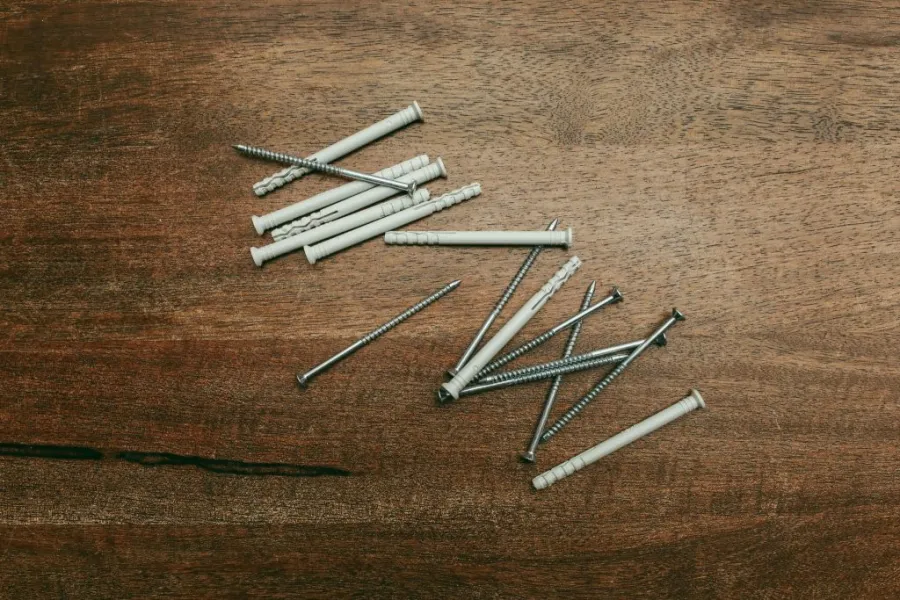
Los anclajes de cuña tienen una abrazadera expansible en la base que se clava en el hormigón al apretar el perno. Están diseñados como fijaciones permanentes. Su extracción es difícil, y en la mayoría de los casos, las soluciones prácticas consisten en desenroscarlos si no estaban completamente cargados o cortarlos a ras de la superficie.
Anclajes de manga
Mecanismo de expansión similar al de los anclajes de cuña, pero con una carcasa más grande. Aplicaciones de uso medio. En ocasiones, se puede desmontar doblando el manguito con un taladro. Lo más habitual es que quede al ras.
Anclajes empotrables
Los anclajes de inserción se colocan en el hormigón sin el perno. El perno se coloca por separado. Se enrosca en el cuerpo del anclaje, que ya está instalado. Primero se retira el perno. Luego se trabaja con la carcasa del anclaje que aún está en el agujero. Normalmente, hay que perforar o taladrar el cuerpo para introducirlo en el hormigón.
Anclajes de tornillo y placas de expansión
Quitar los pernos de anclaje es sencillo. A menudo se pueden extraer con una llave de tubo. En ocasiones, los topes de expansión se deforman lo suficiente como para poder sacarlos. Si el agujero es lo suficientemente profundo, se pueden empujar más adentro del hormigón.
Cómo quitar un perno de anclaje del hormigón.
La forma de hacerlo depende del tipo de perno de anclaje, su estado y el uso que se le dé al agujero.
Método 1: Desenroscar y extraer
Esto funciona mejor con anclajes de tornillo y anclajes de manguito con cargas ligeras. Pruebe esto primero antes de recurrir a métodos destructivos.
- Fije un casquillo a la cabeza del perno ajustándolo firmemente.
- Gire en sentido contrario a las agujas del reloj ejerciendo presión.
- Si el perno gira sin salir, el cuerpo del anclaje está girando dentro del agujero. Deténgase e intente taladrar de nuevo.
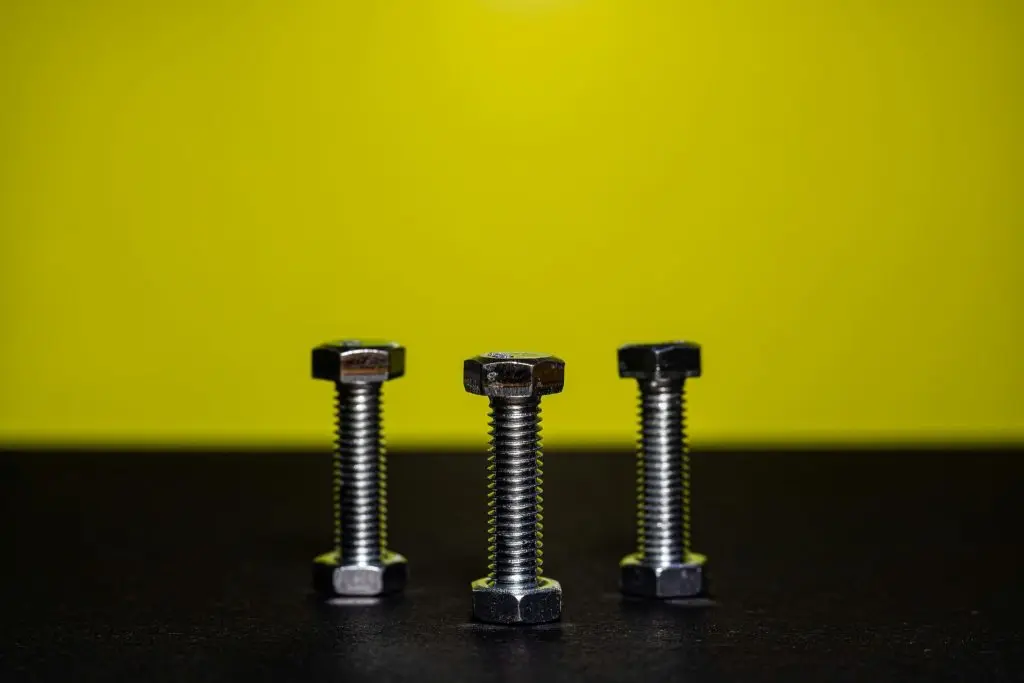
Quitar anclajes implica trabajar con herrajes viejos y nuevos de diferentes fabricantes. Por lo tanto, los tamaños de las cabezas de los pernos pueden ser diferentes. Juego de llaves de impacto de 3/8" Dispone de medidas en unidades SAE y métricas. Esto facilita el trabajo con hardware.
Método 2: Corte al ras
Esta es la forma de hacerlo cuando no necesitas reutilizar el agujero y solo quieres que la superficie quede despejada.
- Utilice una amoladora angular con un disco de corte.
- Corte el perno cerca de la superficie en una sola pasada.
- Cualquier resto de material que quede, empújelo por debajo de la superficie con un cincel y un martillo.
- Rellene el agujero restante con cemento o resina epoxi.
Esta es la forma de retirar los pernos de anclaje de las bases de los equipos, las plataformas de maquinaria antigua y los elementos estructurales que se estén desmantelando.
Método 3: Perforar el anclaje
Cuando el cuerpo del anclaje necesita ser extraído por completo, ya sea para una reutilización limpia del orificio o porque la perforación es la opción preferida cuando el anclaje necesita ser retirado por completo, ya sea para ser reutilizado o para ser apartado del camino.
Para aprender a quitar un perno de anclaje del hormigón, primero debe:
- Consigue una broca para mampostería con punta de carburo y elige una que sea ligeramente más pequeña que el diámetro exterior del anclaje.
- Perfore un agujero alrededor del anclaje y rompa el hormigón para desbloquear el cuerpo de expansión del anclaje.
- Una vez que hayas creado una unión de anclaje débil, utiliza un cincel y un martillo para liberarla.
- Una vez que haya terminado, utilice aire comprimido para eliminar los restos del orificio y prepararlo para su reutilización.
Este método es adecuado para todo tipo de anclajes. Si el corte al ras no es una opción viable, puede utilizar este método.
Método 4: Extractor de pernos para sujetadores rotos o dañados
Esta es la opción para extraer cualquier componente electrónico de anclaje roto que esté cementado. Si la cabeza se ha roto y solo queda un hueco, la mejor opción sería usar un extractor de pernos.
- Para preparar el extractor del cerrojo y facilitar su extracción, marque el centro del hueco del cerrojo roto con un punzón.
- Para extraer el perno, utilice una broca para pernos de rosca izquierda. Perforar en sentido contrario a veces genera la fricción suficiente para extraer el perno roto.
- La mejor opción sería utilizar un extractor de pernos y un extractor en espiral, e introducirlos en el perno mediante un sistema de impacto, girándolo en sentido contrario a las agujas del reloj.
Si la línea de la cabeza está hundida en la superficie con la que está trabajando, Vaso de impacto de ½ Puede proporcionarle la profundidad suficiente para alojar fijaciones empotradas.
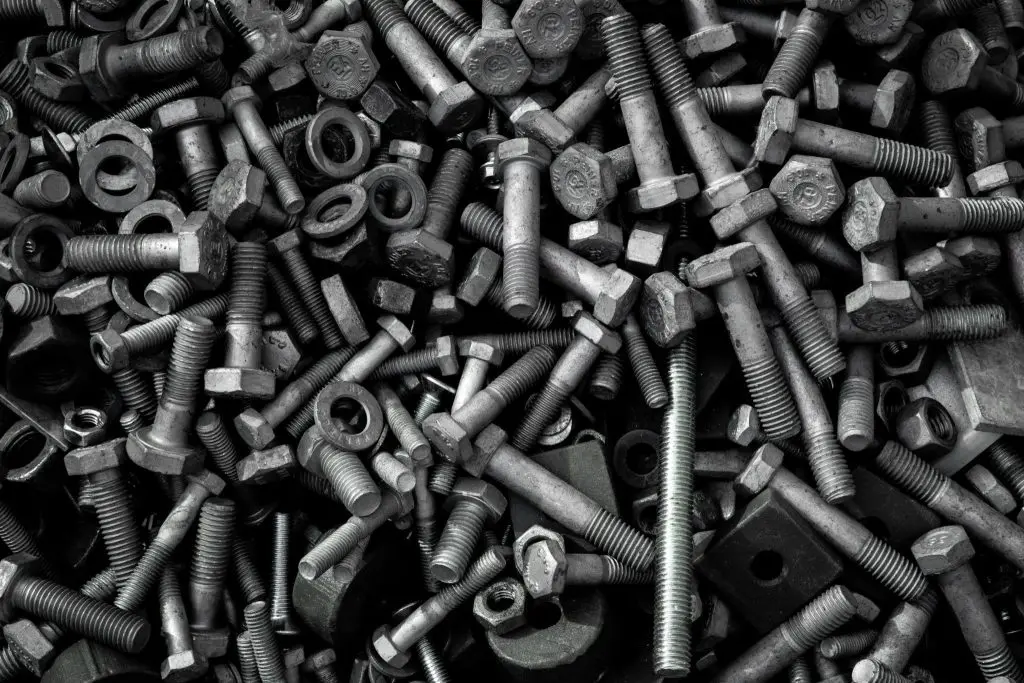
La herramienta adecuada para extraer los pernos de anclaje.
Tener las herramientas adecuadas listas antes de empezar a aprender a quitar un perno de anclaje del hormigón es lo que marca la diferencia entre un trabajo de dos horas y uno de medio día. Aquí tienes la lista completa:
- Atornillador de impacto o carraca con una gama completa de vasos SAE y métricos.
- Amoladora angular con disco de corte para corte al ras.
- Brocas para mampostería con punta de carburo en varios tamaños.
- Juego de extractores de pernos para sujetadores dañados o sin cabeza.
- Cincel frío y martillo para la extracción de anclajes después de la perforación.
- Protección ocular y respirador N95
Una nota importante sobre los vasos: la extracción de los pernos de anclaje ejerce una tensión lateral sobre los sujetadores y los vasos que los juegos cromados estándar no soportan. Los vasos resistentes a impactos soportan el par sin agrietarse. Explore la Gama completa de juegos de llaves de vaso VEVOR si tu juego actual no cubre los tamaños con los que estás trabajando.
Medidas de seguridad en hormigón que no puedes pasar por alto
Al taladrar y pulir hormigón se libera polvo de sílice cristalina. Esto representa un grave riesgo respiratorio acumulativo y no una simple molestia. Al retirar anclajes de hormigón, tenga esto en cuenta:
- Utilice una mascarilla respiratoria N95 o P100 cada vez que taladre o lije hormigón.
- Trabaje en un espacio ventilado siempre que sea posible.
- Si su equipo lo permite, utilice taladros húmedos; el agua suprime el polvo en su origen.
- Nunca utilice aire comprimido para eliminar el polvo de hormigón que pueda dirigirse hacia usted o hacia cualquier persona cercana.
Preguntas frecuentes
¿Se puede reutilizar un agujero después de quitar un perno de anclaje?
Si el anclaje se retiró sin dañarlo y el orificio no se dañó, sí, puede volver a anclar con un anclaje de mayor diámetro. Como alternativa, puede rellenarlo con epoxi y, una vez curado por completo, perforar el orificio al diámetro requerido.
¿Por qué gira mi perno sin salir?
Lo más probable es que esto ocurra porque el cuerpo del anclaje gira dentro del manguito de hormigón. Esto suele suceder con anclajes de cuña y manguito que han perdido agarre en el hormigón. Intentar desenroscar el perno no funcionará. La única solución es cortarlo al ras de la superficie o taladrarlo.
¿Necesito brocas especiales para el hormigón?
Sí, las brocas de acero estándar no funcionan con hormigón. Como mínimo, necesitará una broca para mampostería con punta de carburo. Para agujeros de mayor diámetro o hormigón más duro, lo mejor es usar brocas para taladro percutor compatibles con SDS+ con el taladro percutor adecuado.
Conclusión
Conocer los mejores métodos para extraer pernos de anclaje del hormigón te permite realizar tu tarea sin depender de otros y te ayuda a identificar las dificultades ocultas de muchas tareas aparentemente sencillas. El objetivo es utilizar la herramienta adecuada para cada tipo de extracción de perno de anclaje.