Because porcelain is dense, hard, and can chip if you don’t use the right method or tool, cutting porcelain tile can seem challenging. But with proper preparation and the right equipment, you can make clean, accurate cuts for floors, walls, corners, and other jobs. Cutting porcelain tile without chipping starts with choosing the right diamond blade, measuring accurately, and setting up the tile. You can do this with a wet saw, a cortador de azulejos manual, or an angle grinder. Each technique is described in simple steps so you can confidently cut porcelain and minimise chips, cracks, and waste.
Índice
What You Need to Cut Porcelain Tile Without Chipping
Learn about cutting porcelain tile and have appropriate tools and safety equipment. Porcelain is dense and hard; selecting the appropriate herramientas de corte can help achieve cleaner edges and minimize the risk of cracks.
With the right blade, cutter, measuring tools, and safety equipment, the job becomes easier. The type of cut, tile thickness, and project requirements will also dictate your equipment selection.
Recomendado para su proyecto
Porcelain Tile Cutting Blade
Cómo entender la how to cut porcelain tile without chipping requires a quality cutting blade. The hardness of porcelain is greater than that of regular ceramic tile, so a blade designed for dense materials will work best. A continuous-rim diamond blade is most often used since it will cut through the hard porcelain and result in a smoother edge. Make sure that the diamond blade is compatible with the tool and thickness of the porcelain tile when deciding how to cut porcelain tile with a diamond blade. A good and sharp herramienta para cortar decreases the pressure on the tile and prevents rough edges. Check the blade before cutting and change it when it is worn and dull.
Cortadora de azulejos en húmedo
One of the best tools to achieve straight cuts with porcelain is a sierra para baldosas mojadas. It employs a diamond blade and water for cooling the cutting region and also to minimize the dust. When learning to cut porcelain tile with a wet saw, first make sure the tile is secured to the guide. Turn on the water prior to starting the cut and then feed the tile through the blade steadily. During cutting, the water helps to control heat and keep the blade cooler. A wet saw is particularly helpful for larger porcelain tiles and long, straight cuts.
Tile Cutter and Scoring Wheel
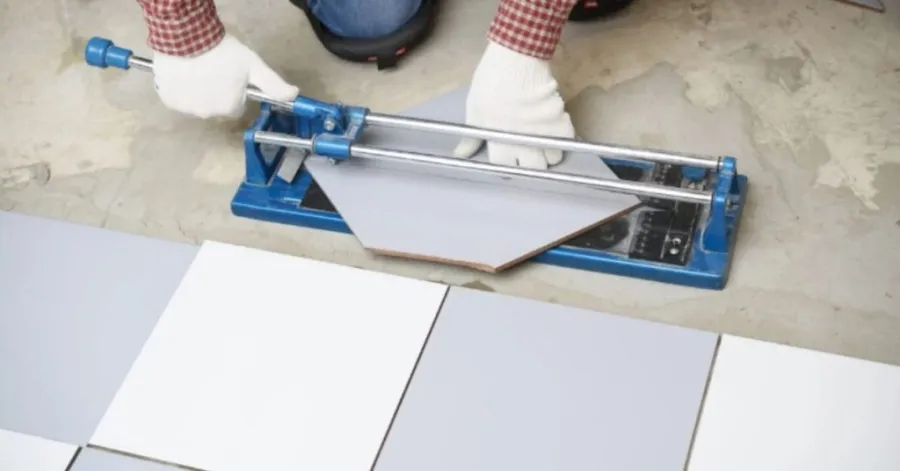
If you prefer not to use a powered saw, a cortador de azulejos manual may be a helpful tool for making straight cuts. If you’re looking for how to cut porcelain tile with a tile cutter, opt for a heavy-duty machine with a porcelain scoring wheel as a suitable option. Score the surface once with firm, even pressure after the tile has been set in place. You should not repeatedly run the wheel over the same line, as this can cause an uneven score and may over-break the tile. A good quality scoring wheel will make a sharp cutting line and will also assist in the creation of a controlled snap. This technique is suitable for straight cuts with a simple shape.
Safety Gear and Measuring Tools
The key to learning how to cut porcelain tile without breaking is not only the herramienta para cortar, but also accurate measurement. Mark each cut with a tape measure, pencil, square, and straight edge. Check measurements twice before scoring or cutting the tile–a tiny error can result in wasted tile. Use safety glasses to keep small pieces of tile out of your eyes and wear suitable hearing protection when using powered equipment. Gloves may also be useful to protect hands from sharp edges of tiles. A stable, organized workspace makes measuring, marking, and cutting porcelain safer and more controllable.
How to Cut Porcelain Tile Without Chipping
When tools are loaded, cutting can be started. Due to the importance of a clean result, careful measuring, controlled pressure, and the correct cutting technique are important.
Take care when cutting porcelain, both by hand and with herramientas motorizadas, not to rush. Spending time on every step can minimize chips, cracks, and uneven edges.
Measure and Mark the Tile Carefully
First, measure the space in which the porcelain tile is to be installed. Use a pencil or appropriate marker to indicate the line to be cut. To be more accurate, use a straight edge or square to make a straight line across the tile. Double-check the measurement against the installation area before cutting. This is particularly important when maneuvering around corners, walls, outlets, or other obstacles. The use of accurate marking can help you to learn how to cut porcelain tile by hand and how to use a powered tool for cutting porcelain tile, and the cutting line is used for the whole process. Allow for a necessary joint/expansion gap if needed.
Score the Tile With Light, Even Pressure
Con un cortador manual, scoring is an important aspect of a clean cut. Position the porcelain tile firmly on the tile cutting machine, and line up the scoring wheel with the line you made. Push the wheel firmly but gently, and do it in a single sweep. Do not press too hard, as excessive pressure can cause damage to the glaze or an uneven score. A clean, consistent score is crucial if you’re learning to cut porcelain tile without breaking it. Once scoring, apply controlled pressure along the scored line using the cutter’s breaking mechanism. This aids in better tile separation.
Use a Wet Saw for Clean Cuts
When you need to make precise cuts through thick porcelain, a sierra mojada might be the best option. Check that there is the right type of blade and that the water reservoir is filled correctly before use. Set the tile next to the saw’s guide and line the saw blade with your mark. Turn on the saw and allow the blade to reach its operating speed before moving the tile. When cutting porcelain tile with a wet saw, hold the tile and your hands steady and cut it with a firm hand. The water can cool the diamond blade and decrease heat and dust when cutting.
Feed the Tile Slowly Through the Blade
Depending on the powered cutter’s speed, porcelain can be passed through at different speeds, which can result in a different quality of the final edge. Push the tile slowly toward the blade, not fast. Too much pressure can cause stress on the tile and can cause chips or cracks, especially around the end of the cut. Keep a firm grip and allow the diamond cutting blade to cut. This technique is helpful when cutting porcelain tile without breaking, particularly with thicker tile or larger format tile. If you encounter any resistance that you are not used to, stop and inspect the blade, alignment, and tile position before you proceed.
Smooth the Cut Edge After Cutting
Once the porcelain tile has been cut, check the edges for small bits, sharp points, or rough edges. Use a rubbing stone, diamond hand pad, or appropriate abrasive material to remove minor imperfections. Make gentle passes along the cut edge, not taking off large amounts of material. This last step is especially beneficial for exposed edges where the cut will show after installation. Minor smoothing around the edges may be required if the tile is going to mate with another tile or if trim is to cover it. It can take time to complete the edge to make the newly cut porcelain easier and safer to handle and enhance the visual impression of the installation.
How to Cut Porcelain Tile With Different Tools

Various porcelain tile shapes and thicknesses, as well as project needs, require different cutting tools. The appropriate technique may help make cutting easier and improve the quality of cuts for cleaner edges.
The following methods explain the use of common herramientas de corte. Use the technique appropriate for your tile and desired type of cut.
How to Cut Porcelain Tile With a Wet Saw
A wet saw will make good straight cuts, particularly of thick and large porcelain tiles. First, measure and clearly mark the tile. Secure it to the saw guide and line the diamond blade up with the cut. Once the water is turned on, let the blade speed up to full before positioning the tile. Slowly and steadily feed the tile, but do not push it too hard. When learning how to cut porcelain tile with a wet saw, it is important to keep the tile stable during the cutting process. Apply even pressure and allow the blade to do the job for a smoother, more controlled result.
How to Cut Porcelain Tile With a Manual Tile Cutter
You can make many straight cuts on porcelain tile with a manual tile cutter, without electricity or water. Use a cutter with a hard porcelain scoring wheel. Lay tile on the cutter and line up the markings with the scoring path. With controlled pressure, roll the wheel over the tile in one motion. The goal is to score clearly across the glazed surface without going over the same line repeatedly. Before applying the breaking pressure while learning how to use a tile cutter to cut porcelain tile, ensure that the tile is supported evenly. A properly scored tile should break easily along the scoring line with a controlled, clean break.
How to Cut Porcelain Tile With an Angle Grinder
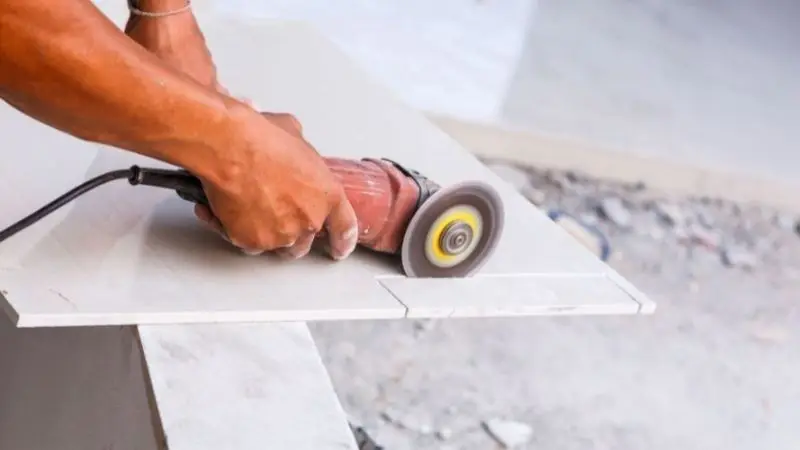
For curved cuts, notches, and shapes that are hard to cut with a cortador manual, an angle grinder can be helpful. Install a proper diamond grinding blade for porcelain tile and mark the cutting line before cutting. Secure the tile on a stable surface and move the grinder carefully across the marked area. When cutting porcelain tile with an angle grinder, do not rush cuts or push the blade into it. Multiple controlled passes can offer more control than one hot pass. Use appropriate eye and hearing protection, and follow the grinder manufacturer’s safety guidelines throughout the operation.
How to Cut Small or Curved Sections
Small notches and curved cuts are more demanding than straight cuts. First, be sure to clearly mark the shape and determine what material must be removed. An angle grinder with a proper diamond blade can slowly be used to form the area, although it is impractical for large areas. If the cut is curved and large, it is best to do multiple relief cuts on the waste material before taking out the rest. This alleviates stress on the tile and provides more control over the shape. If you’re looking to learn how to cut porcelain tile without breaking it, don’t attempt to cut a big piece at once. Smooth the edges with a diamond hand pad to remove any edges that are rough.
How to Prevent Chipping When Cutting Porcelain Tile
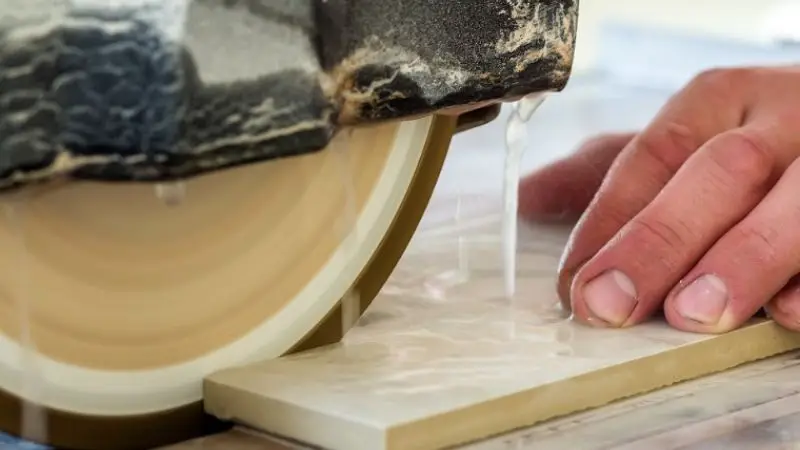
Chips are prevented before the blade comes in contact with the tile. The quality of the finished edge is influenced by the right blade, the proper support, and the controlled cutting speed.
With all saws, whether wet, manual, or angle grinder, work on keeping the tile stable and minimising the amount of pressure used on the saw during cutting. These techniques can lead to better results.
Use the Right Diamond Blade
The type of blade chosen can greatly affect the quality of a porcelain tile cut. The blade for the cut must be appropriate for hard materials, as porcelain is dense and hard. A good continuous-rim diamond blade will give a smooth cutting action compared to an unsuitable or worn blade. If you are learning how to cut porcelain tile with a diamond blade, make sure that the blade fits your cutting tool and that it is designed for porcelain or other dense tiles. A dull blade will need more pressure and could create a rougher edge. A sharp blade helps to cut more efficiently and also helps to minimize the undue stress on the porcelain surface.
Keep the Blade and Tile Wet
When cutting porcelain tile using a “wet” saw, water can be used to help control heat. The dust generated during the cutting process is adjusted, and a continuous water supply cools the blade and the cutting area. Before starting, ensure that the saw’s water system has been properly adjusted and that enough water is supplied to the blade during cutting. If the cutting surface is becoming too dry, stop and inspect the cutting equipment instead of ploughing through the tile. This is particularly useful for long cuts in thick porcelain and for water flow. When paired with consistent motion and the right blade, it can help facilitate a cleaner and more controlled cutting process.
Support the Tile Properly
With proper support, tile becomes less mobile and cuts with less stress. Mount porcelain on a firm, flat surface and be sure the part being cut is well supported. Using a wet saw, hold the tile flat on the saw table and cutting fence. Cracks or rough cuts can result from vibration or flexing of the unsupported sections of the blade as it passes through the material. This is especially critical when using large or narrow format items. Always make sure that the tile is in place and the line to be cut is straight with the blade before feeding it into the cutter. The stable support ensures better control during the cutting process.
Avoid Forcing the Tile Through the Cut
If the porcelain is forced through a blade, this can create unwanted stress on the product and increase the risk of chips or cracks. Instead, move slowly and steadily forward with the tile. The material should be cut with the blade and not by the pressure you apply. If the blade speed drops noticeably or it has a hard time cutting, check the blade and tile alignment before continuing. This is especially important when figuring out how to cut porcelain tile without chipping, as a hasty job can affect the edge finish. Controlled feed allows the cutting tool to break into the dense porcelain and to achieve a more uniform result.
Make Relief Cuts for Difficult Shapes
Relief cuts may be used to help create complexly shaped tiles and to minimize stresses on the tile. These are especially helpful for small notches, corners, and curved areas. First, sketch the outline of the finished shape on the porcelain. Next, make multiple short cuts in the waste area but not through the final outline. These cuts cut the unwanted material into smaller pieces, which can be easily removed. Once you remove the areas, use a diamond pad or abrasive tool to clean up the edge. During porcelain tile cutting, relief cuts can help you cut out harder parts of the tile without putting too much pressure on a single area and risking breakage.
Common Mistakes to Avoid When Cutting Porcelain Tile
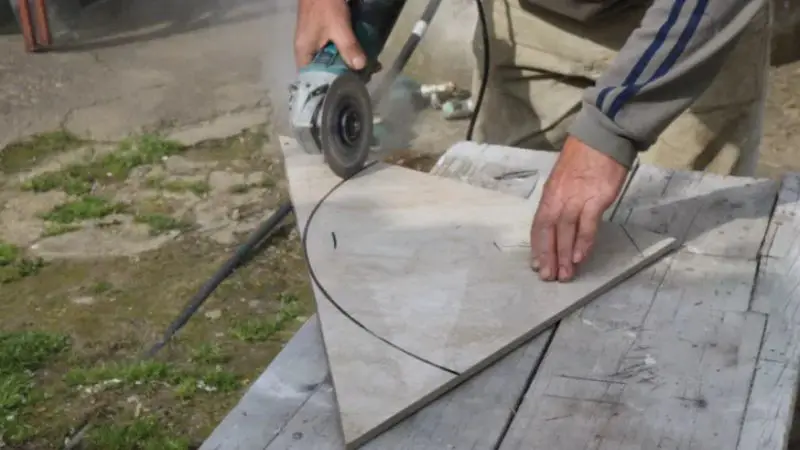
With the correct tools, small errors can have an impact on the quality of a porcelain tile cut. Inadequate preparation, pressure, or equipment can cause chips, cracks, and material waste.
Knowing about these common issues can help you take on each cut with a greater sense of control. To minimize unnecessary mistakes, verify your blade, measurements, tile support, and safety tools before you cut.
Usar una cuchilla sin filo
A dull or worn blade may make cutting porcelain more difficult and may result in a rough or chipped edge. As the cutting surface becomes less efficient, you might feel inclined to exert more pressure, adding to the stress on the tile. Prior to operation, check the diamond blade and ensure that it is appropriate for porcelain. Using a sharp and appropriate blade is important when learning how to cut porcelain tile without chipping, as this will help ensure a controlled cut. If a blade is damaged or too worn, change it following the manufacturer’s instructions. The selection of an appropriate blade can help the herramienta para cortar work more efficiently and improve the smoothness of the finished edge.
Aplicar demasiada presión
Porcelain is dense, but putting too much pressure won’t speed up the cutting process. If the force is overapplied, additional pressure is applied to the tile, potentially resulting in chips, cracks, or an uneven cut. Do not do this, however, but let the cutting tool take the material off at a uniform rate. If you’re using a manual cutter, when scoring, apply controlled pressure and do not repeatedly move the scoring wheel across the same line. Using a wet saw or angle grinder, gently run the tile or tool through the cut. An important way to know how to cut porcelain tile without breaking is to maintain steady pressure while not using force.
Saltarse mediciones
To make the cut on porcelain tiles, the measurements need to be correct; otherwise, the cut can be ruined. Check the installation area carefully before scoring or cutting, and record the measurements on the tile. To ensure the marked line is accurate, use a straight edge or square and verify the dimensions again prior to start-up. Don’t forget to allow for necessary joints or gaps as necessary. A cut that is too small may result in an undesirable gap, and a cut that is too big may not ensure a good fit. Among the important points to learn about how to cut porcelain tile by hand or powered equipment is careful measuring.
Cutting Without Proper Support
If a porcelain tile moves, vibrates, or bends during cutting, it is harder to handle. The lack of support can add tension to the material and help to cause cracks or uneven edges. The tile must be on a secure, flat surface, and the cutting area must be supported. Particularly if large format tiles are used, this can be a problem as unsupported areas may bend when cut. On a wet saw, be sure to hold the tile flat on the table and guide fence. If using an angle grinder, use a suitable work surface to hold the tile in place. With the proper support, you will be able to maintain the alignment and have more control during the cut.
Ignorar las precauciones de seguridad
When cutting porcelain tile, sharp pieces, dust, noise, and other hazards may be created, especially when using powered tools. Wear eye protection that is suitable to protect from flying particles at all times, and hearing protection when necessary by equipment. Wet Saw, Angle Grinder and Other Cutting Tools – Follow manufacturer’s instructions. Never put hands in front of moving blades and ensure stability of work area before work is started. Angle grinders are fast tools, so care must be taken when cutting porcelain tile with an angle grinder. Working safely allows you to be more in control and minimise injury risk.
Cierre
When you know how to cut porcelain tile with the right tool and your work style is cautious, it will be easier. There are many straight cuts that can be made with a wet saw and a cortador de azulejos manual for simple cuts that don’t require electricity. Curves, notches, and detailed shapes can be achieved with the use of an angle grinder. Either way, good measurements, proper tile support, the appropriate diamond blade, and controlled pressure are crucial to a cleaner result. Do not hurry through the cutting, or push the tool through dense porcelain. With the proper cutting procedure and a little extra time to clean up rough edges, you can produce precise cuts in porcelain tiles without all the chipping that can come with it and with a more professional finish.
Preguntas Frecuentes
How to cut porcelain tile?
A wet saw equipped with a good-quality diamond blade may be used for clean, straight cuts. A manual cutter is used for appropriate straight cuts, and grinders are used for curves and notches.
Is it possible to cut porcelain tiles without chipping?
Yes, with the use of an appropriate diamond blade, proper support of the tile, precise measurement, and a slow speed of cut without putting pressure on the blade, chipping can be minimised.
Is it possible to hand cut porcelain tile?
When it comes to cutting porcelain tiles by hand, a heavy-duty manual tile cutter can be used for many tiles. Select an appropriate scoring wheel, use one stable score, and use a controlled breaking force.
Is it possible to use an angle grinder to cut porcelain tile?
Yes, the porcelain tile can be cut with an angle grinder equipped with the right diamond grinding blade. It is especially beneficial for curved cuts, notches, corners, and minute detailed sections.
Why are porcelain tiles brittle and crack easily during cutting?
Some reasons why porcelain can chip are a dull blade, too much pressure, poor support, wrong scoring, or the wrong cutting method. Proper preparation leads to cleaner, more controlled cuts.