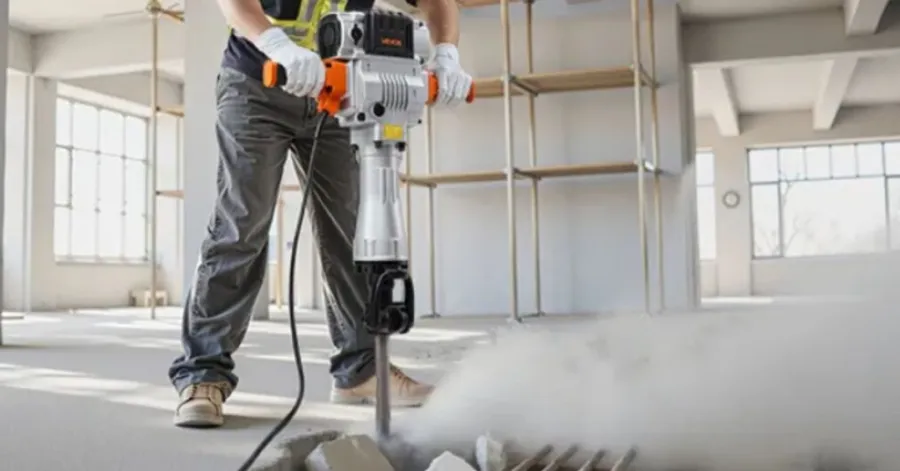
A rompedor de concreto is a powerful tool for breaking concrete. It delivers powerful, quick blows to crack concrete, asphalt, and masonry. These concrete breaker machines are used at demolition sites, for road repairs, and for renovation projects. This article covers how a concrete breaker works. The principal types that you will learn about are hydraulic, pneumatic and electric models. You will also learn a lot about their benefits. Helpful tips for choosing the right concrete breaker to Rompe el hormigón fácilmente will help you match the tool with the job at hand. With the right power tool, you can save time and effort. A good concrete breaker also reduces physical strain.
What Is a Concrete Breaker?
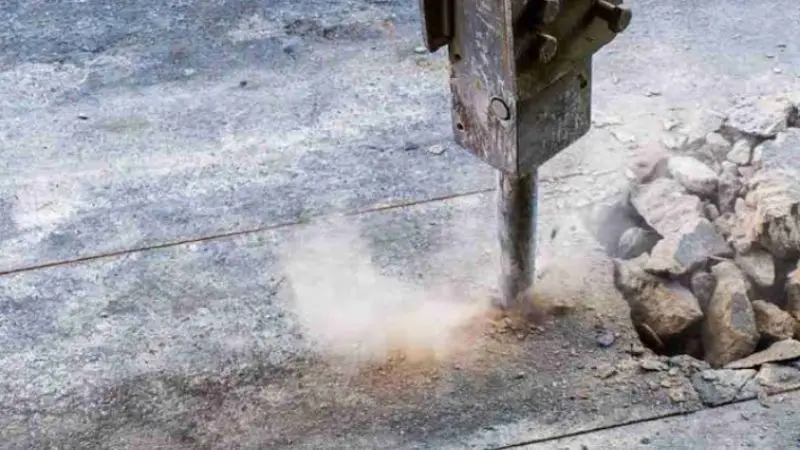
A rompedor de concreto es un powerful demolition machine. It delivers a strong, fast impact to crack hard materials. You hold the handles and put the bit on the surface. The steel chisel is struck on and off by a piston inside. This force can crack concrete, asphalt, and stone. It’s used by workers for small repairs and large construction tasks.
The tool consists of several key components. The outer case contains the power source and striking components. The handles are padded to reduce arm vibration. The bit emits energy directly into the material. Bits are used for different tasks. Cracks begin at a narrow point. A wide chisel breaks big slabs. A spade bit is good for cutting and scraping.
Most models weigh between 30 and 90 pounds. The heavier it is, the more power it provides. The lighter ones will be easier to get around with. The weight is chosen according to the work and your muscle strength. A 35lb tool is well suited for breaking walls. For flat slabs, a 60-pound tool works best.
The tool’s capabilities depend on the power source. Electric models are powered by a standard electrical outlet. A separate power unit is connected to hydraulic models. Pneumatic models need an air compressor. Both types have the best results in specific locations. The correct power source must be selected to be used at the job site. If you have any questions about how to pick a rompedor de concreto, knowing how it works is a great way to help you with that.
Recomendado para su proyecto
What Is a Concrete Breaker Used For?
This is used for demolition. Common jobs are breaking concrete floors and taking out driveways. Holes are also cut in floors for pipes or wires. Workers break up asphalt and concrete on the road so repairs can be made. Building teams use it to clear out old bases and footings.
This tool handles hard jobs that regular jackhammers can’t manage. Each time the breaker strikes, it delivers a more powerful blow. This makes it applicable for the case of thick concrete and steel-reinforced structures. It’s also possible to dig in rocky dirt or break frozen ground. Breakers are used by mining companies to break rocks. When concrete breaking requires high impact force, a concrete breaker would be a good choice for these challenging applications, where it can break thick concrete.
For large tasks, a hydraulic breaker is a good option. It is attached to an excavator or to a portable power unit. This provides continuous high power output for extended work periods. Hydraulic breakers offer powerful impact in challenging applications. They are often used on highways and in large demolition areas. Contractors typically use hydraulic models daily in heavy-duty work. These applications might need the highest-quality concrete-breaking performance, with appropriate power and durability.
If the work is less extensive, an electric model is useful. It is simply connected to a standard electrical outlet. It’s great for indoor repairs, indoor remodeling, and small repairs. Pneumatic models require an air compressor and can function when compressed air is present. This is based on your power and the size of the job. For basic home projects, the best rompedor de concreto for home use is defined by weight, power, and ease of use. Each project requires the right tool for the job.
Types of Concrete Breakers
Hay una gran cantidad de rompedor de concreto designs readily available today. Every one is energized by a different source. It depends on your job site, project size and the equipment that you have. For serious demolition, there are basically only two options: electric or hydraulic models. Learning more about the operation of a concrete breaker can also help you determine which one will work for your project.
Rompedor de concreto eléctrico
An martillo rompedor de hormigón eléctrico is one that operates with the use of normal electric power. It connects to a wall outlet or portable generator. This is ideal for jobs in the home and for small home improvement tasks. You don’t need a power unit or an air compressor. As soon as you locate an outlet, the tool is ready to work.
These models are useful for removing tiles, breaking floors and creating openings in walls. They are lighter than the others and can be carried up stairs or into tight spaces. The majority of electric types require less effort than hydraulic ones. This means they are better suited than heavy demolition tools for light to medium tasks. Electric models might be suitable for smaller jobs since they are easy to set up and operate, and they might be the best rompedor de concreto for home use. Appropriate strength and job matching to the tool weight should be done. A lighter unit reduces fatigue when overhead.
Triturador de hormigón hidráulico
A martillo hidráulico de hormigón is connected to a power pack or an excavator. The piston is driven in the tool with pressurized fluid. This design provides much greater impact energy compared to electric and pneumatic models. They can be found on highways, bridges and large building sites. They are capable of easily handling thick slabs and steel-reinforced concrete.
The advantages of a hydraulic breaker are low noise, low vibration and high production. A hydraulic breaker also runs cooler and lasts longer when used continuously. A comparison of a hydraulic concrete breaker with an electric concrete breaker makes it obvious that one is more powerful than the other. When looking for the right concrete breaker for heavy-duty work, a hydraulic model is often a good choice as it is capable of doing the hard work. You need to have the proper carrier machine or power unit, however. The tool requires supporting equipment to be able to run. Use this type for a project that requires the greatest force and can be backed up by the machinery.
La siguiente tabla compara electric and hydraulic concrete breakers by their common uses, advantages, disadvantages, and the types of projects they are best suited for.
| Tipo | Usos comunes | Ventajas | Desventajas | Uso recomendado |
| Rompedor de concreto eléctrico | Tile removal, floor breaking, wall openings, small renovations | Easy to set up, portable, no compressor needed, suitable for indoor work | Less impact power, requires an outlet or generator | Light to medium-duty jobs |
| Triturador de hormigón hidráulico | Thick slabs, reinforced concrete, roads, bridges, large structures | Very high impact energy, high production, suitable for continuous heavy work | Requires an excavator, power pack, or carrier machine; less portable | Heavy-duty demolition and large construction projects |
Concrete Breaker Hammer Comparison: Best Models for Different Demolition Jobs
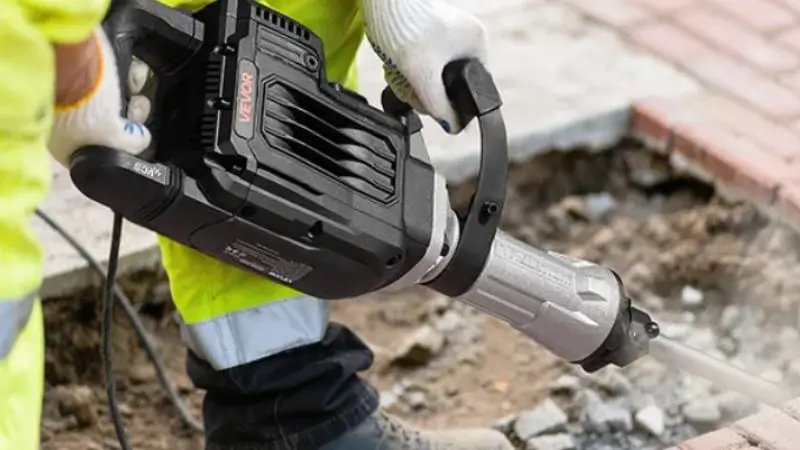
Choosing the right concrete breaker hammer depends on the material, demolition workload, tool weight, and budget. A tool for removing concrete blocks may not be powerful enough for thick reinforced concrete. Electric models are convenient for many renovation projects, while heavy-duty breakers are better suited to demanding demolition work. Comparing impact energy, handling, and price helps you choose a tool that fits your project.
Best Concrete Breaker Hammers for Block Walls and Reinforced Concrete
Concrete block walls and reinforced concrete require different levels of breaking power. For block walls, renovation work, and controlled chiseling, the Bosch GSH 11 E is a practical option. It delivers 16.8 joules of impact energy and weighs 10.1 kg. For heavier demolition, the Bosch GSH 11 VC offers 23 joules of impact energy, while the Makita HM1812 is designed for demanding work on concrete floors and other heavy materials. The HM1812 delivers approximately 73 joules of impact energy but weighs around 31.3 kg. This makes it better suited to substantial demolition than smaller repair jobs.
Before choosing a breaker, consider the concrete thickness, reinforcement, working position, and amount of material to remove. A heavier model can deliver more impact energy, but it also requires more effort to transport and handle. For reinforced concrete, confirm that the selected tool and chisel are suitable for the job.
Electric vs. Pneumatic Breaker Hammers for DIY and Professional Work
Electric breaker hammers are often more convenient for DIY projects because they run from a suitable electrical supply and do not require a separate air compressor. They are useful for home renovation, removing old concrete, and breaking masonry. Many corded models also offer enough power for demanding demolition tasks.
Pneumatic breakers use compressed air and are commonly selected for professional jobs where compatible compressors and air lines are already available. They can be useful for continuous work in suitable construction environments, but the complete setup adds equipment and operating requirements. When comparing electric and pneumatic models, consider the total equipment cost, portability, available power or air supply, and expected working hours. For occasional home use, an electric breaker is usually the simpler option.
Top Concrete Breaker Hammers Compared by Power, Weight, and Price
Al comparar concrete breaker hammers available in France, look beyond the motor’s wattage. Impact energy, measured in joules, indicates the energy delivered with each blow, while weight affects handling and suitability for different working positions. The following table compares selected models using published specifications and indicative French-market prices.
| Breaker hammer | Potencia | Energía de impacto | Peso | Precio indicativo |
| Bosch GSH 11 E | 1,500 W | 16.8 J | 10.1 kg | Desde aproximadamente 590 € |
| Bosch GSH 11 VC | 1,700 W | 23 J | 11.4 kg | Desde aproximadamente 860 € |
| Bosch GSH 16-28 | 1,750 W | 41 J | Check exact version | Check retailer |
| Makita HM1812 | 2,000 W | 73 J | 31.3 kg | Desde aproximadamente 1,297 € |
| Makita HM1317C | 1,510 W | 33.8 J | 17 kg | Desde aproximadamente 783 € |
| Scheppach AB1900 | 1,900 W | 60 J | 16.5 kg | Desde aproximadamente 180 € |
Prices are indicative examples from French-market listings, not guaranteed current offers. They may change with retailer, availability, accessories, and product version. Confirm the exact specifications before purchasing.
The Bosch GSH 11 E is worth considering when handling controlled demolition work. The GSH 11 VC offers greater impact energy in a similar weight range. For heavy floor demolition, the Makita HM1812 provides much higher impact energy, but its weight makes it less convenient for extended work in awkward positions. The Scheppach AB1900 is a lower-cost alternative for buyers comparing heavy-duty demolition tools, although its specifications, build quality, and service support should be checked against the requirements of the job.
Best Breaker Hammers for Professional Demolition Jobs
Professional users must choose a breaker based on the material, working position, and required demolition. The Bosch GSH 11 E and Makita HM1203C are worthwhile for renovation and medium to heavy-duty chiseling tasks. The Bosch GSH 11 VC and GSH 16-28 offer higher impact options for demanding demolition. The Makita HM1317C and HM1812 are also candidates for more difficult work, with the HM182 for substantial floor-breaking tasks.
The price is only part of the decision. Consider the costs of compatible chisels, maintenance, spare parts, transport and fatigue of the operator. A powerful switch can remove the material fast, but for detailed work it is easier to monitor the lighter model. Choose a professional-use tool that balances impact energy with the handling and expected duration of each job.
Overall, the best concrete breaker hammer is which equals the material and the workload without unnecessary weight or cost. Before you decide, compare proven specifications with current French prices.
How Does a Concrete Breaker Work?
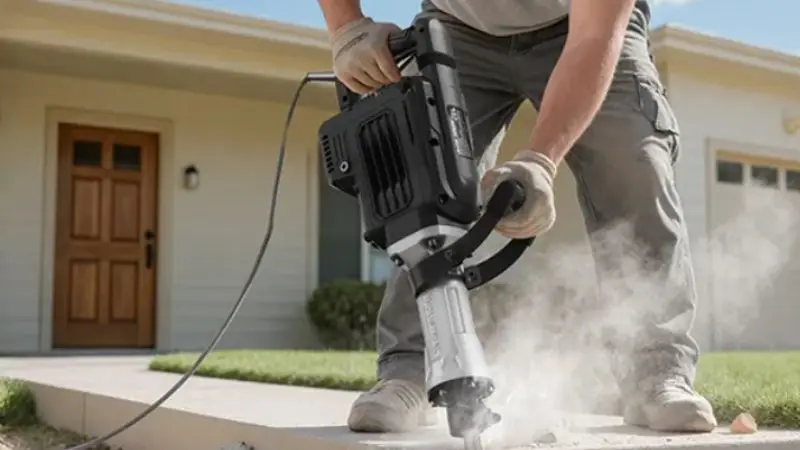
A rompedor de concreto is a tool that is used to break and crack concrete by using repeated hammer blows. Its work is simple; the basic working process is:
- Electricity, compressed air or hydraulic pressure is used to move the piston.
- High-speed impact on steel bits: The piston impacts steel bits at high speed, imparting impact energy to the concrete.
- Cracks open: Repeated blows cause cracks to form and widen, which causes the concrete to break apart.
- Impact transfers through the bit: The piston delivers repeated impact force to the bit, which transfers that force into the concrete. The breaker does the striking work rather than relying on constant pushing pressure.
- Power drives the piston: Electricity, compressed air, or hydraulic pressure powers the breaker’s internal piston and moves it rapidly back and forth.
- The piston strikes the bit: The piston repeatedly hits the steel bit, transferring strong impact energy through the bit and into the concrete surface.
- Repeated impacts break the concrete: The force creates small cracks in the concrete. Continued impacts widen these cracks until the concrete separates and breaks into smaller pieces.
Common Uses of a Concrete Breaker
Este tipo de herramienta de demolición can be seen on many work sites. A unique approach is required for each task. Application of the tool varies depending on the material and size of the job. When breaking concrete with a breaker, it is important to understand how to do it to maximize the tool’s efficiency and minimize unnecessary pressure.
Breaking Concrete Slabs and Floors
Slabs and floors are broken from outside-in. This allows concrete to crack and split. If you use a pointed bit, it is a good idea to begin the fracture. Use a flat chisel for removing large chunks. Rompedores de hormigón are effective for cutting away basement floors, patios and driveways. Holes may also be cut in the floors for pipes or wiring.
If you are using thick slabs, you have to apply more impact force. For reinforced concrete, a hydraulic breaker can provide the power needed. These models are harder-hitting and run cooler in long shifts. The weight of the tool should be matched to the job. A 60 lb unit is better-suited to flat slabs than a lighter unit. If you are looking for a rompedor de concreto to break thick concrete, then you should ensure that you have a model with sufficient impact energy. Maintain a perpendicular position of the bit to the surface. A bit that is angled could slip and cause injury.
Removing Concrete, Brick, and Masonry
This machine is used to demolish walls, footings and old foundations. It easily fractures bricks, blocks and stones. Road crews use it for removing asphalt and concrete during repairs. It is used by building teams to remove old bases and footings. Even mining companies have been employing it to crack rocks.
A martillo demoledor can save time on these jobs. It’s stronger than the traditional jackhammer. It is useful for steel-reinforced and demolition-requiring structures. A hydraulic model provides a high power level for heavy demolition jobs; these might be the ones people requiring the most robust concrete breaker for heavy-duty work may prefer it. It gets connected to an excavator or portable power unit. If the job is small, it’s an electric model that is connected to a standard electrical outlet. It is portable and can be loaded into narrow spaces and up steps. Don’t wear out the tool; use the proper safety gear.
Cierre
A rompedor de concreto is an essential tool when it comes to breaking hard surfaces. They come in hydraulic, pneumatic and electric varieties. This depends on the size of the job, the material and your available power source. A hydraulic breaker is suited to heavy demolition jobs, whereas an electric one is suitable for jobs indoors and small repairs. Pneumatic tools can be used in damp areas.
Never compromise on safety. Wear eye protection, gloves and hearing protection devices. Ensure that the proper tool is being used for the job and get familiar with a concrete breaker before beginning operation. Forcing a light model through thick reinforced concrete is not a recommended approach. Choosing the appropriate breaker will save you time, effort and money. If you are looking for a concrete breaker to break thick concrete, make sure you select a model that has enough impact force to break that type of concrete. The right tool can make your job safe and productive.
Preguntas Frecuentes
¿Qué martillo neumático es mejor para demoliciones pesadas o para cincelados ligeros?
A 40-70 J breaker like Makita HM1812 is recommended for heavy demolition. A 7-17 J type is easier to control for light chiseling.
Enumera los mejores martillos rompedores para demoler suelos de hormigón en Francia, junto con sus ventajas e inconvenientes.
The Makita HM1812 weighs 31.3 kg and delivers 73 J; the Bosch GSH 11 E weighs 10.1 kg and delivers 16.8 J, a good balance of power and handling.
¿Qué martillos demoledores son los mejores para romper entradas de vehículos y cómo se comparan sus energías de impacto?
Driveways: Scheppach AB1900 has a break value of 60 J; Makita HM1203C has a break value of 26J. Breaking thicker concrete requires more energy, but it also increases weight and fatigue.
What are the best breaker hammers for concrete foundations, and how do their recommended uses compare?
Makita HM1812 is suitable for very thick concrete, and Bosch GSH 16-28 is suitable for heavy professional demolition. Select according to physical thickness, access and working hours.