The success of your garden depends on the type of materials you use. When doing landscaping projects, there are two common types, woven and non-woven weed barriers. The choice of the right weed barrier can make a big difference in how your garden performs over time. This guide will help you understand the woven vs. non-woven weed barrier for making a better and more practical decision. Let’s begin!
What is a woven weed barrier?
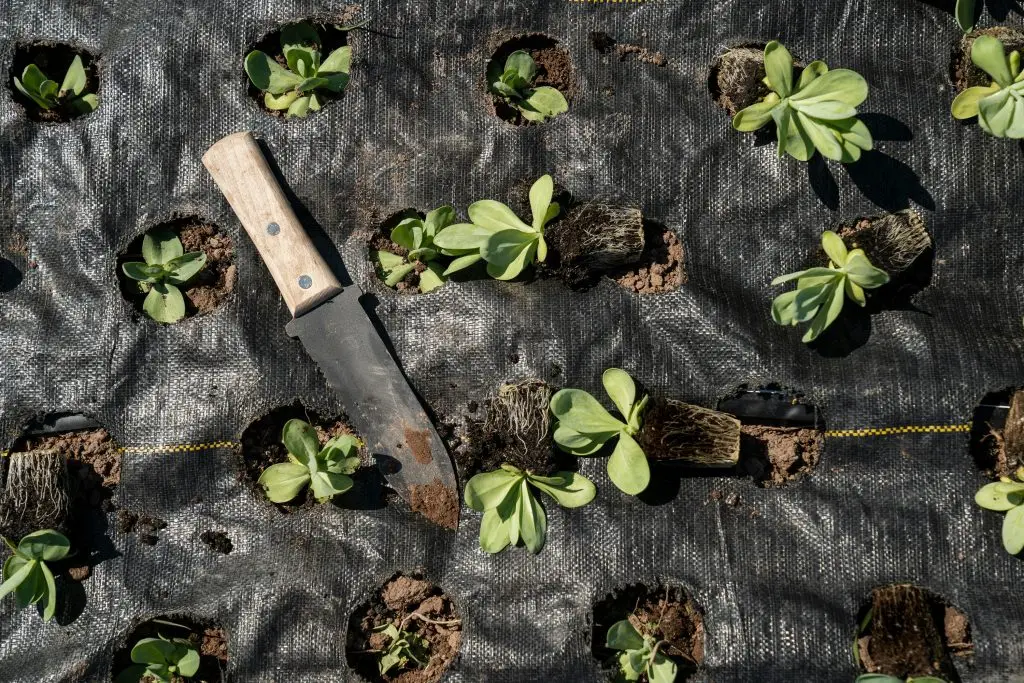
A woven weed barrier is made from weaving polypropylene strands together to form a fabric that looks like a tight mesh. In this structure, water and air can be passed while sunlight is blocked, stopping weed growth.
When it comes to comparing woven vs. non-woven weed barriers, the strong and structured option is the woven type. It is designed for long-term use, and it is preferred in areas where durability means the most.
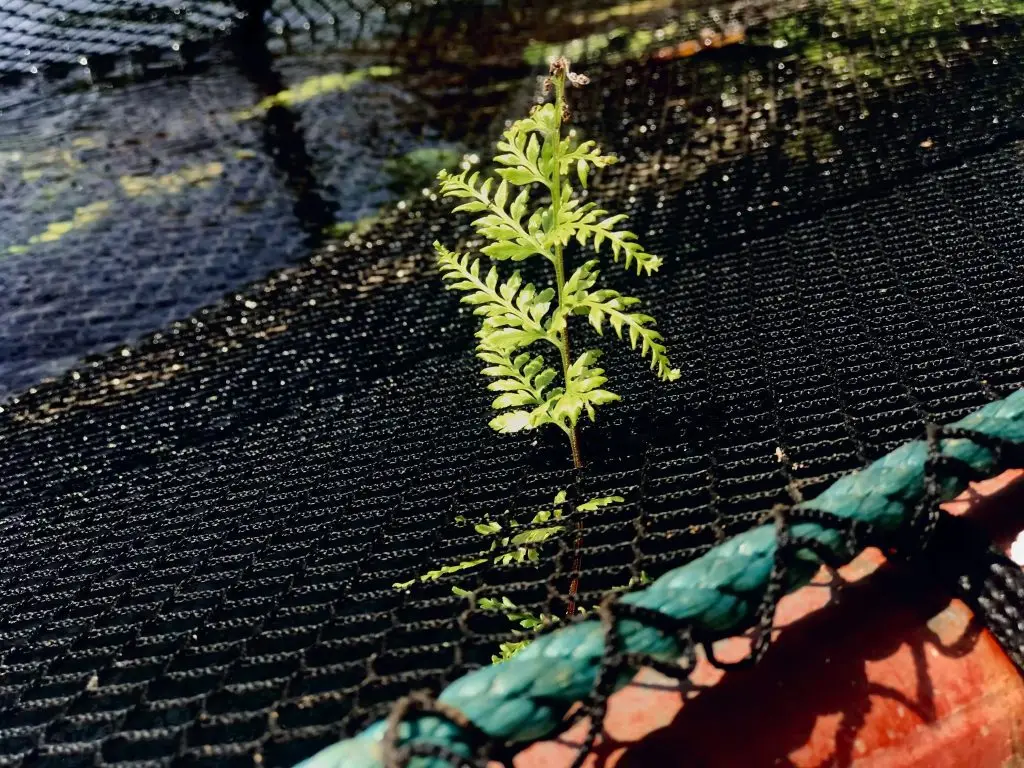
Properties of woven weed barrier
Some of the useful features of woven weed barriers are:
- Water permeability that allows water to pass through without pooling
- High tensile strength to handle pressure from soil and foot traffic
- Maintaining its shape for a longer time
- Resistance to tearing
These features make woven weed barriers a popular choice for long-term projects when deciding between woven vs. non-woven weed barriers.
Applications of woven weed barriers
Areas where woven weed barriers are used frequently are :
- garden beds with perennials and shrubs
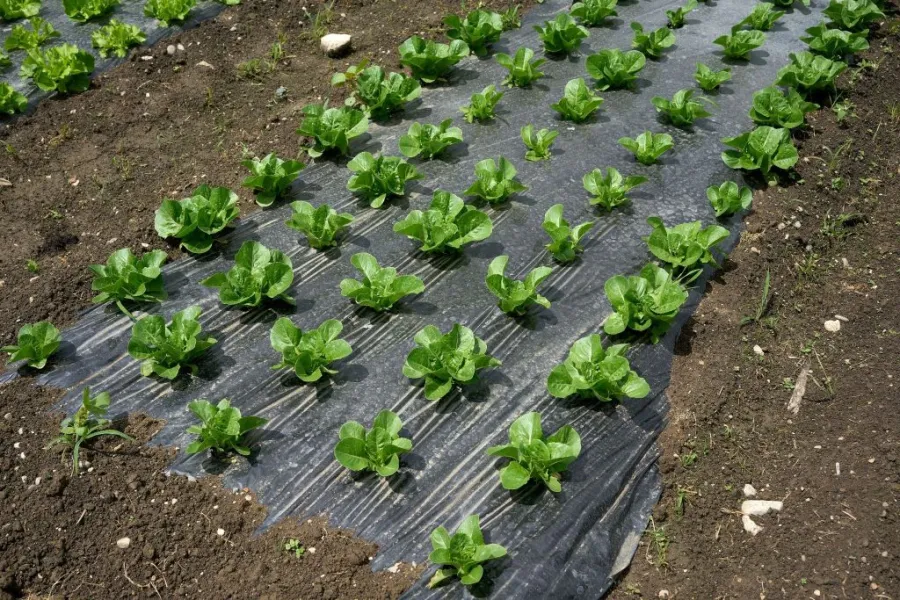
- Pathways and driveways along the houses
- Agricultural use, like crop rows
Most of the time, buyers pick woven materials because strength is the top priority in woven vs. non-woven.
Steps to install a woven weed barrier
Follow these simple steps to install a woven weed barrier:
- The first thing is to cut the area of weeds and debris
- Level the soil surface evenly
- Initiate the fabric equally across the ground
- Make holes for the plants to grow
- Fasten the fabric with landscape pins
- Cover the fabric with stones or mulch
Proper installation is necessary for obtaining the best results in using woven vs. non-woven weed barriers.
Non-woven weed barrier
Non-woven weed fibers are made by bonding fibers together in spite of weaving them. As a result, you get a softer and more flexible material.
When anyone asks what the difference between woven and non-woven is, the structure tells the whole story. Non-woven fabric is not tightly interlaced. It is heat-bonded or pressed firmly.
Properties of non-woven weed barriers
There are unique features and benefits of non-woven weed barriers:
- Efficient water flow and filtration
- Resistance to puncture
- Soft and flexible texture
- Improved adherence to uneven surfaces
These features make non-woven weed barriers more powerful than woven weed barriers. A plastic vapor barrier sheet, for example, is used to avoid moisture absorption and prevent weed growth.
Applications of non-woven weed barriers
They are commonly used for:
- Drainage systems
- Landscaping for uneven ground levels
- Erosion control areas
- Minimalist rocks
If the buyers lean towards filtration and drainage rather than strength, they choose non-woven options.
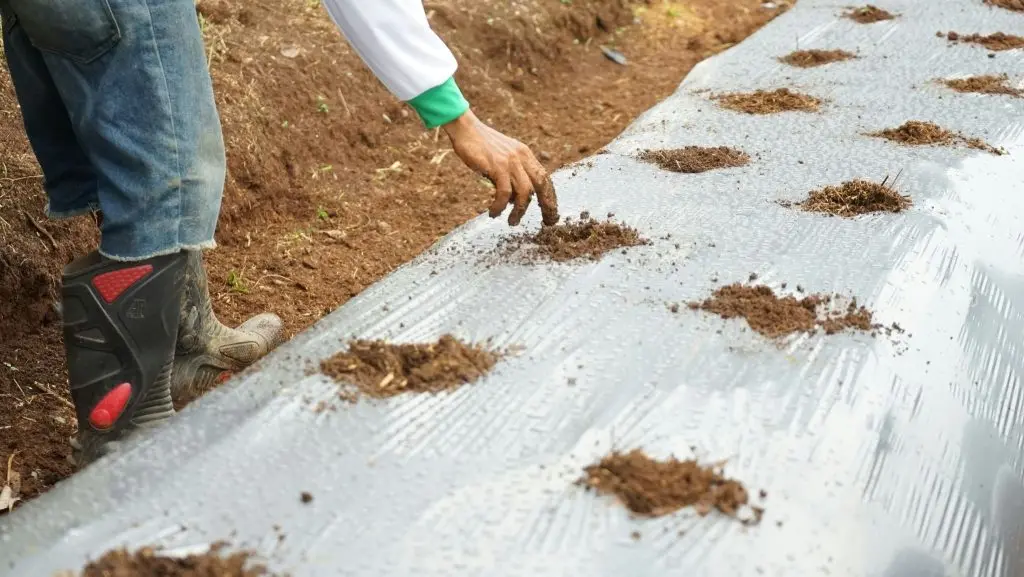
What is the difference between woven and non-woven weed barriers
Understanding the basic differences is important to choose the right product. Look at these factors that will help you clarify them.
Permeability
Non–woven barriers offer faster water flow and filtration as compared to woven barriers. Considering the water permeability is an important point in deciding the woven vs. non-woven weed barriers.
Longevity
As woven barriers are stronger, they last longer. Depending on the usage, non-woven options degrade faster.
Cost
Woven barriers are affordable because of their simple structure. They are budget-friendly for larger areas. Non-woven barriers are expensive because of their manufacturing technique.
Flexibility
Non-woven barriers are easier to shape around the curves because of their flexibility. Woven barriers are stiffer; therefore, they remain in shape.
Strength and durability
Woven barriers are stronger and better options for tough use. This factor is important when comparing woven vs. non-woven weed barriers.
UV resistance
UV protection is associated with both types of weed barriers, but woven barriers perform better under long sun exposure.
Drainage and filtration
The areas where water flow is critical use non-woven barriers. It is because they excel in filtration and drainage.
Puncture resistance
In this case, non-woven barriers are better as they resist punctures better. However, woven barriers can tear under sharp pressure.
Factors to consider before choosing
We have gathered some factors to look for before you buy a weed barrier. Have a look at them and decide according to your specific needs.
Purpose
Why are you buying a weed barrier, for controlling weeds or building a pathway? If your aim is weed control in a garden where plants need water and nutrients to grow, you will require a breathable material. Woven fabrics are used here because they control airflow and block sunlight.
Likewise, if you are working on pathways or places where no plant growth is desired, a non-woven barrier is effective for stronger weed suppression.
In simple words, match the fabric to the job. Your purpose will guide your choice in comparing the woven vs. non-woven weed barrier.
Soil type
When choosing the type of soil, keep in mind that sandy soil drains quickly while clay soil holds water. A woven barrier works well in sandy soil because it prevents soil movement and allows enough moisture.
Clay or compact soil tends to hold water, and for that purpose, non-woven fabric is better. It reduces waterlogging and allows faster water flow.
Longevity
When considering the longevity of weed barriers, check the quality. Woven barriers are a better option for longer durability because of their sturdy manufacturing. Non-woven fabrics break down faster under UV exposure.
Installation area
Consider flat areas for woven weed barriers because a smooth area prevents the material from collapsing. It is tightly secured and limits weed growth.
For surfaces like slope, terrain, or irregular soil, non-woven weed barriers are ideal. It is because they offer high flexibility and soil absorption.
Tips for installation
Follow these steps to get the best of either type of weed barrier:
- Remove existing weeds before installing the barriers
- Secure the fabric with proper pins
- Protect the land by adding a top layer of gravel or mulch
- Prevent the weed growth by overlapping edges
Choosing the correct type of weed barrier improves the performance of a woven vs. non-woven weed barrier.
Which one is best for you?
The choice of weed barriers depends on your needs. For strength and longevity, select a woven weed barrier. If you need good permeability and flexibility, non-woven weed barriers are best for you.
It is better to search for woven vs. non-woven weed barrier ideas before installing any kind. For the best option, match the material to your landscape conditions. Choose strength vs. flexibility as the conclusion of this debate.
Conclusion
Selecting woven vs. non-woven weed barriers is clear without confusion. Each type has a different purpose, and it fits specifically for certain conditions. Understanding the differences will give you a confident approach to save effort and time.
In the end, when choosing between woven vs. non-woven weed barriers, you should choose durability, drainage, and the type of project you are dealing with. A good decision keeps your landscape neat and, in this way, helps in maintaining it for years.