You want a garage work table that makes every job easier. The best garage workbench fits in your space and has a surface that works for any job. Think about the tasks you do, where you store things, and how your garage workshop feels every day. You could either buy a workbench or make your own. Safety and efficiency are the most important things. A workbench makes your garage a place where you can get things done.
Work Table for Garage: What Matters Most
You want a work table for your garage that makes your projects safer and easier to do. The proper garage workbench can change how you use your space. You should think about the materials and features that are most important. These options help you get things done faster, stay organised, and keep your garage workshop safe.
Key Workbench Features
You need a workbench that works for you. Some features make a big difference in how you work every day. The most important things to look for are:
- Sturdy Surface: You need a surface that can handle heavy tools and demanding jobs. A thick surface keeps your work area steady.
- You can keep your tools close at hand with drawers, shelves, and pegboards. You don’t have to spend as much time looking for things.
- Adjustable Height: Some workbenches can be adjusted in height. This helps you work comfortably and prevents back pain.
- Built-In Power: You can easily plug in tools at the outlets on your workbench. You don’t have to run cords all over the garage.
- Safety Features: The rounded edges and stable legs keep you safe. A good workbench won’t tip over or shake.
Why Material Choice Counts
When choosing the best work table for your garage, the materials are essential. The best workbench is made of materials suited to the job. You want something that will last and stay strong.
- Wood: It looks classic and feels warm. Suitable for light repairs and woodworking.
- Steel table: Can handle heavy loads and challenging jobs. Simple to clean and hard to break.
- Plastic or laminate: light and easy to carry. Suitable for small spaces or quick tasks.
Types of Garage Workbenches
Fixed vs. Mobile Workbench
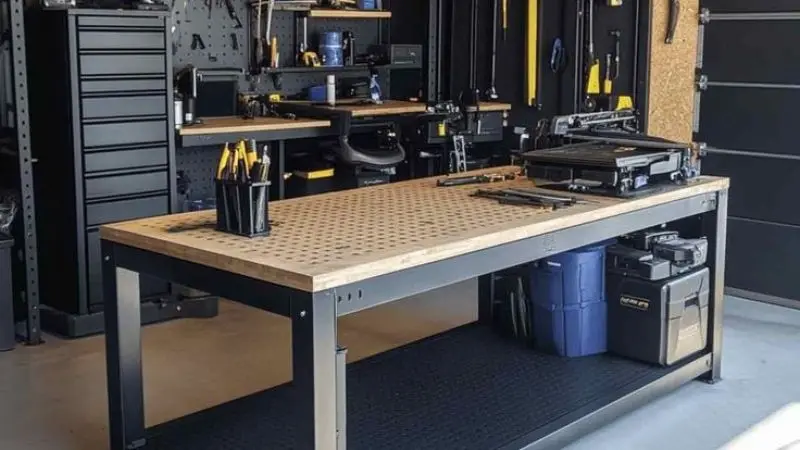
When you choose a garage work table with drawers, you have two main options. A fixed workbench stays in one place. It gives you a good base for doing heavy work. You can attach it to the wall or floor with bolts. If you always use the same space for projects, this type works well. You get more stability and can put shelves or cabinets underneath.
You can move a mobile workbench wherever you need it. You can roll it around the garage with wheels or casters. When you need more room, you can move it. This style is helpful if you work on cars or frequently change your setup. You still get a firm surface, but you can move it around.
Foldable and Compact Options
Some garages don’t have much room. You might need a work table that folds up and fits in a small corner of the garage. You can open and close foldable workbenches as required. Small models can fit against a wall or under shelves. These choices are great for quick fixes or small crafts.
Industrial Workbench Benefits
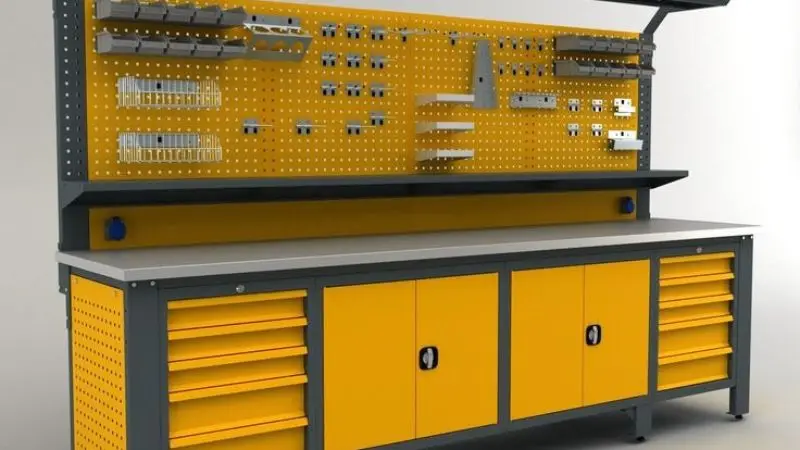
Industrial workbenches offer extra strength and durability. You get thick steel frames and heavy-duty tops. These workbenches handle tough jobs and large tools. If you work with engines or metal parts, you need this kind of support. Industrial workbenches last for years. You can add tool racks, power strips, and even lighting. Many people use them for big projects or commercial tasks. You get a professional feel in your garage.
Workbench Features to Look For
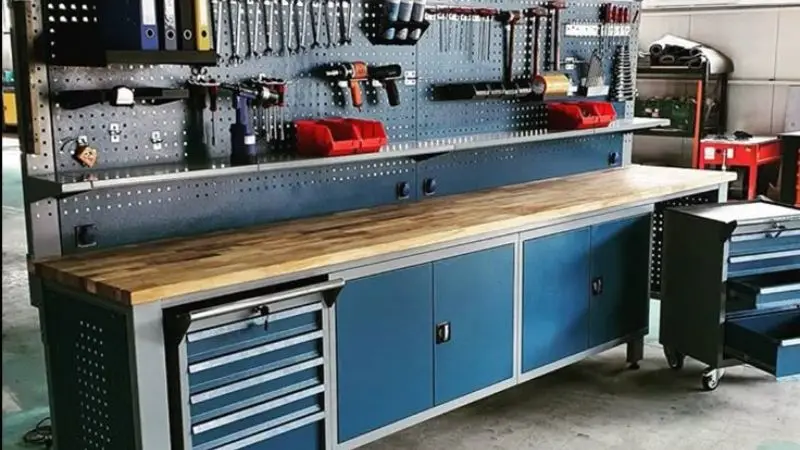
When you shop for a garage workbench, you want to know which features will improve your workspace. The right features help you stay organised, work safely, and finish projects faster. Let’s break down the workbench basics you should look for.
Built-In Storage and Tool Holders
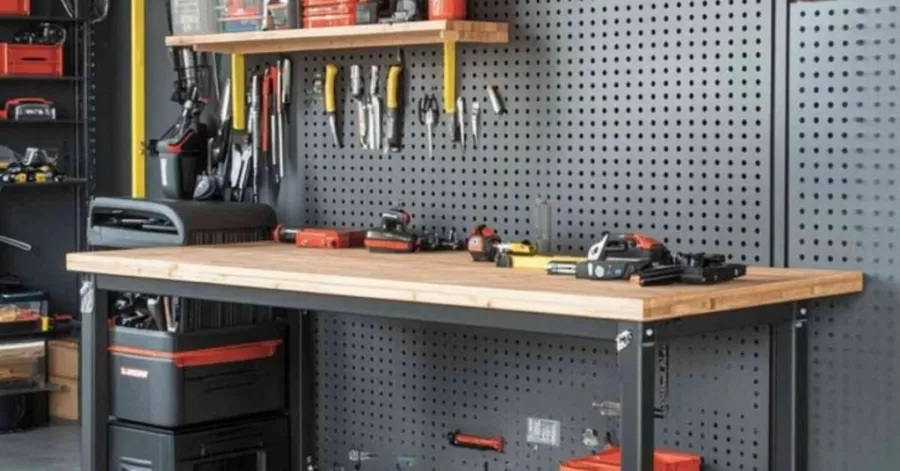
You need built-in storage to keep your tools close at hand. Drawers, cabinets, and shelves give you a place for everything. Pegboards and tool racks help you see your tools at a glance. You waste less time searching for a wrench or screwdriver.
- Drawers keep small items safe.
- Shelves hold larger tools and boxes.
- Pegboards let you hang tools for easy access.
Vice and Clamp Integration
A vice or clamp on your workbench helps you hold materials steady. You need this feature for woodworking, metalwork, or repairs. A high-quality workbench often comes with a built-in vice or clamping spots.
- Vices grip wood, metal, or plastic.
- Clamps hold pieces together while you work.
Power Access and Lighting
You want power outlets on your workbench. Plug in drills, saws, or chargers without running cords across the garage. Some workbenches have USB ports for charging devices. Good lighting helps you see details. LED lights above or under shelves brighten your workspace. You avoid mistakes and work safely.
Stability and Weight Capacity
You need a stable workbench for heavy jobs. Look for thick legs and a solid frame. The best workbench will not wobble or tip over. Check the weight capacity before you buy. Some benches hold hundreds of pounds.
- Thick steel frames support heavy tools.
- Wide legs keep the bench steady.
- An adjustable height garage work table lets you set the right height for each task.
Mobility and Casters
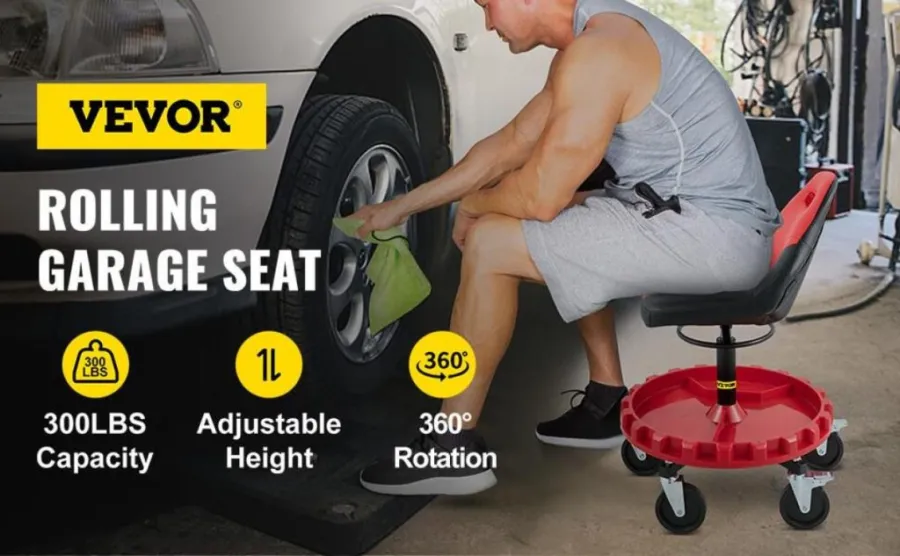
You should move your workbench around the garage from time to time. Wheels or casters make this easy. Locking casters keep the bench from moving while you work. You can adjust how you set up your mobile workbench for different projects.
- With wheels, you can move the bench to a new place.
- Locks keep it steady while you use it.
- Many adjustable-height workbenches come with wheels, making them more flexible.
Workbench Basics and Practical Tips
You need a workbench that works for you. Consider what size workbench would be best for your area. Workbenches with adjustable heights make it easy to work while standing or sitting. Steel and wood are strong and long-lasting materials. Built-in storage helps you keep your tools in order.
Comparison of Workbench Materials
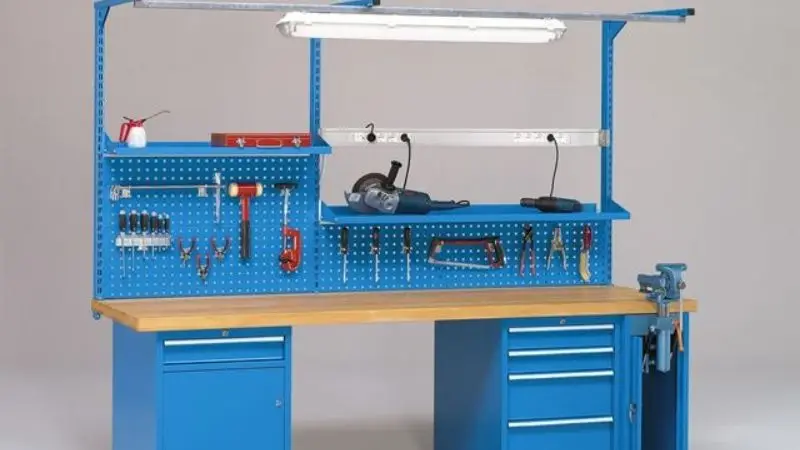
It can be hard to choose the right surface material for a workbench in your garage. You need a workbench that can handle your projects and last for a long time. Let’s look at the most common materials used for workbench surfaces and see which one is best for you.
Wood
Wood is a standard material in classic workbench designs. It feels warm and makes your garage look like it belongs in nature. It’s easy to hammer and sand hardwood surfaces. You can fix scratches and dents with simple tools. If you use hand tools or do woodworking, wood is a great choice. Maple top or oak is often the best type of wood for a workbench. These woods are strong and don’t wear out easily.
Steel and Stainless Steel
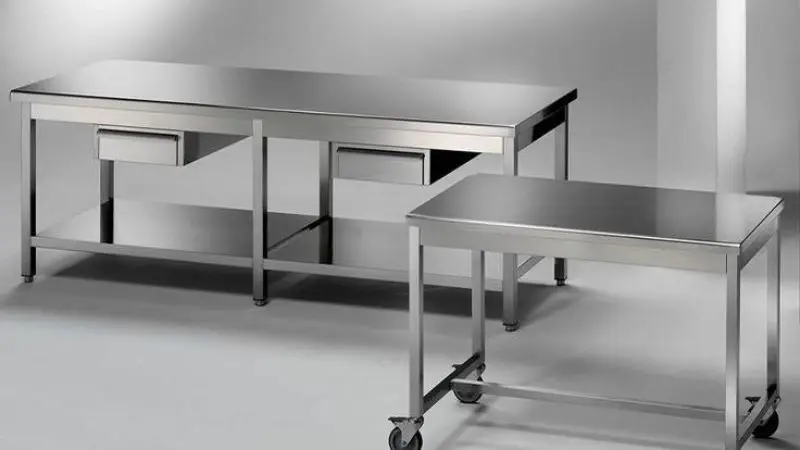
Steel and stainless steel surfaces give your workbench a tough edge. You get a surface that resists dents and rust. Many people pick steel for heavy-duty jobs in the garage. Stainless steel stays clean and looks sharp. You can wipe it down fast after messy projects. The best surface material for a workbench in a busy garage often means steel. You get strength and easy cleaning.
Plastic and Laminate
Plastic and laminate surfaces are suitable for light work. You get a workbench that is smooth and easy to move. Laminate doesn’t get stained easily and is easy to clean. Plastic surfaces are cheaper and lighter. These materials work well in small garages or places where you need to move your workbench frequently. Laminate might be the best material for the surface of a workbench for crafts or electronics.
MDF and Composite
MDF and composite surfaces make a flat, stable workbench. MDF is short for “medium-density fiberboard.” You get a surface that won’t easily warp or crack. Wood fibres and resin are combined to form composite materials. These surfaces are suitable for painting or glueing. For detailed work, you can sand them smooth. MDF is often the best material for the surface of a hobby workbench.
Pros and Cons
Here’s a quick table to help you compare:
| Material | Pros | Cons |
| Wood | Warm, repairable | Can stain, needs care |
| Steel/Stainless | Strong, easy to clean | Heavy, can be noisy |
| Plastic/Laminate | Light, low cost | Less durable |
| MDF/Composite | Flat, stable | Can chip, not for heavy loads |
Designing Your Garage Workbench

Assessing Space and Layout
Start by looking at your garage. Measure the area where you want to put your workbench. Think about how you move around. You want enough room to walk, reach tools, and open drawers. Place your workbench near outlets if you use power tools. Try sketching a simple layout on paper. This helps you see where your workspace fits best.
Matching Workbench to Tasks
Choose a workbench that matches your projects. If you fix bikes, you need a sturdy surface and clamps. If you build models, you want a smooth top and good lighting. Write down the main jobs you do in your garage. Use this list to pick features like vice mounts, shelves, or pegboards. Your workbench should make every task more straightforward to manage.
| Task Type | Best Feature |
| Woodworking | Thick wood top |
| Repairs | Steel frame |
| Crafts | Adjustable height |
Budget and DIY Options
You do not need to spend a lot to get an excellent workbench. Many people try to build a DIY workbench to save money. Use leftover wood or metal for the frame. Add simple shelves for storage. If you buy, compare prices and look for sales. Set a budget before you start designing your garage workbench. This keeps you from overspending.
Customization Ideas
Make your workbench unique. Add hooks for hanging tools. Install small bins for screws and nails. Paint the surface for a fresh look. Attach wheels if you want to move your workbench around the garage. Try building a fold-out shelf for extra storage. Designing your garage workbench gives you control over every detail.
- Add LED lights for better visibility.
- Use magnetic strips for metal tools.
- Build a charging station for your devices.
Choosing Your Work Table for the Garage
Buy or Build?
You face a big choice when you need a new workbench. Should you buy one or try building your garage workbench? Buying saves time. You get a ready-made workbench with features like drawers, sturdy legs, and a smooth top. You can check reviews and use a workbench buying guide to compare options. If you want something unique, building your garage workbench gives you control. You pick the size, materials, and storage. You can match your workspace and style.
Free Plans and Resources
You do not need to spend a lot to get started. Many websites offer free workbench plans. These plans show you step-by-step instructions. You’ll find lists of materials and tools, along with easy diagrams. Some plans include tips for adding shelves or power outlets. You can search for workbench plans that fit your garage size and needs. Here’s a quick list of places to find free workbench plans:
- Woodworking forums
- Home improvement blogs
- YouTube tutorials
Balancing Features and Cost
You want a workbench that fits your budget and your workspace. Make a list of must-have features. Think about storage, size, and weight capacity. Compare prices before you decide. Sometimes, a simple workbench works best. If you need more, look for models with extra drawers or adjustable height.
| Feature | Budget-Friendly | Premium |
| Basic Surface | ✅ | ✅ |
| Built-In Storage | ❌ | ✅ |
| Power Outlets | ❌ | ✅ |
Conclusion
Picking the right work table for the garage helps you finish projects faster. You need a garage workbench with a strong top and good storage. Choose materials that match what you do most. Measure your garage before you buy or build a workbench. Write down what you need for your workspace. Add more shelves or bins to keep tools neat. A good work table for the garage keeps you safe and organised. You will enjoy your garage for a long time.
FAQ
What size workbench fits best in a small garage?
Measure your space before you buy. Most people choose a workbench between 48 and 60 inches wide. You want enough room to work but still be able to move around easily.
Can you build a workbench with basic tools?
Yes, you can! You need a saw, drill, screws, and a tape measure. Many free plans show you step-by-step instructions. You save money and get a custom fit.
How do you keep your workbench organised?
Use bins, pegboards, and drawer dividers. Label everything so you find tools fast. Hang your most-used items within reach. Clean up after each project to keep your space tidy.
What is the best surface for a garage workbench?
Wood works well for most jobs. Steel handles heavy-duty tasks. Laminate resists stains and cleans up fast. Pick the surface that matches your main projects.
Do you need to anchor your workbench to the wall?
If you do heavy work or use large tools, anchoring adds safety. Fixed workbenches stay steady and will not tip. Mobile benches need locking wheels for stability.