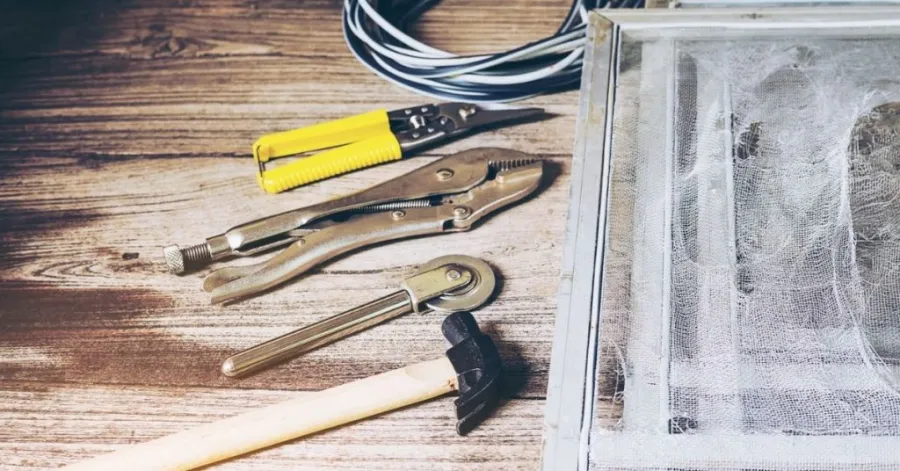
Imagine you’re fixing a lamp or installing a new outlet at home. Before you can connect anything, you need to remove the plastic coating around the wire—and that’s where wire stripping tools make all the difference. These tools let you expose the copper inside without damaging it, helping you work faster, cleaner, and much more safely. With the right tool in your hand, you can tackle electrical projects confidently, avoid mistakes, and get professional-looking results every time. Whether you’re a DIY beginner or someone who loves home repairs, having the proper wire stripping tool makes every project easier.
- Understanding Wire Stripping Tools for Electrical Work
- Different Types of Wire Stripping Tools for Electrical Projects
- Essential Features When Choosing Quality Wire Stripping Tools
- How to Use Wire Stripping Tools Correctly and Safely
- How to Maintain Wire Stripping Tools for Long-Lasting Performance
- Wire Stripping Tools Compared to Other Electrical Tools
- Where to Buy High-Quality Wire Stripping Tools
Understanding Wire Stripping Tools for Electrical Work
Wire stripping tools are important for safely and correctly preparing electrical wires. Before connecting, the insulation must be removed so that the metal core is exposed. Wire stripping tools will keep your project moving quickly, but also minimize damage and offer a consistent outcome. When you have the right tool, the wiring process will be so much easier and a lot more reliable.
What Wire Stripping Tools Do and How They Work
Wire stripping tools are designed to remove the protective insulation around electrical wires without harming the inner conductor. They usually feature precision blades or size-matched notches that accommodate different wire gauges. Once you place the wire in the appropriate notch, you squeeze and pull to reveal the clean metal core.
Wire stripping tools are for eliminating the insulation on wires without harming the wire inside the insulation. They mostly feature accurate blades or size-matched notches that fit various wire gauges. As soon as you get the wire in the right groove, you squeeze and pull to get the clean metal center.
Along with stripping, many modern tools add additional functions that enhance their usability. Electricians want to get the best wire stripping tool for electricians that can do multiple functions within one device.
Here’s what these tools commonly offer:
- Clean removal of insulation without nicking the wire.
- Built-in cutters to trim wires to the correct length.
- Crimping sections for attaching connectors securely.
- Adjustable settings to match different wire sizes.
It is essential to safely use a wire stripper so you don’t cause accidents, and also, damage the wire when stripping it. It is easier to manage many jobs if you understand how manual wire stripping tools and automatic wire stripping tool work.
Why Wire Stripping Tools Matter in Every Electrical Project
Wire stripping tools can greatly enhance the quality and safety of your electrical work. For sturdy connections that won’t come loose, using cleanly stripped wires is essential. Don’t use a knife or scissors to expose conductors. These tools can upset the wire and create small cuts, leading to a weak point/failure. People select these tools due to their accuracy and consistent performance across various tasks.
To decide how to choose the right wire stripping tool for your needs, it can be helpful to consider the frequency of wire work you do. Moreover, think about the type of projects you take on as well as the features that best meet your workflow requirements. When you have the right tool, every connection becomes easier, more reliable, and safer to achieve.
Different Types of Wire Stripping Tools for Electrical Projects
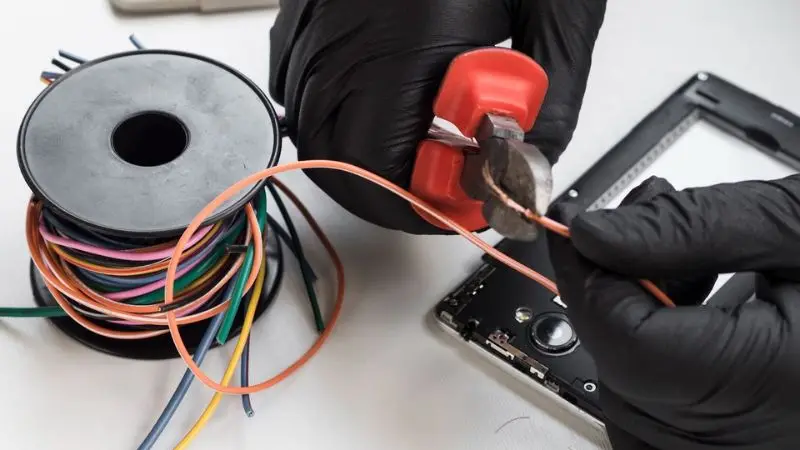
Selecting an appropriate wire stripping tool can greatly enhance your speed, accuracy, and safety while performing electrical jobs. Different tools are made for different projects, skills, and workloads. If you know the difference between the two, you can select the most suitable tool for the job. With the proper selection, you will save time and produce better and more consistent connections.
Manual Wire Strippers for Small Repairs and DIY Jobs
Manual wire strippers were the original go-to for the homeowner or hobbyist who prefers more hands-on control. Their use of a simple squeeze-and-pull motion to remove insulation makes them reliable and easy to use. These tools are created which are having various notches the size of the different gauges of metals. When learning how to safely use a wire stripper, manual strippers give you the assurance that you can feel each cut you make.
Key advantages include:
- Easy-to-read gauge markings.
- Adjustable positions for common wire sizes.
- Built-in cutters or crimpers on many models.
These strippers are perfect for small jobs, those routine problems around the home, and for delicate wiring jobs that need precision. Using manual tools is always a reliable option for accuracy and control.
Automatic Wire Strippers for Faster and Repetitive Work
Automatic wire strippers are suitable tools used to save time and pain. You don’t have to select the right notch; just place the wire in the jaws and squeeze. The tool pulls away the insulation in one clean motion. Because of this, when considering manual vs automatic wire stripping tools, automatic models are well-regarded if you often work with wiring.
What makes them appealing?
- Quick, consistent stripping with minimal effort.
- Ability to handle a wide range of wire gauges.
- Smooth operation for repetitive tasks.
- Often includes cutting and crimping functions.
These tools are perfect for medium to larger projects and automotive wiring, or whenever you need to strip a lot of wires.
Motorized and Machine Wire Strippers for Heavy-Duty Applications
Wired and machine-driven wire stripping tools are made for heavy work. They are mainly found in workshops, production centers, or workplaces with heavy wiring needs. The motor in these wire stripping machines removes insulation quickly and precisely, allowing them to work on thick and special cables. If you’re trying to figure out how to choose the right wire stripping tool for industrial tasks, motorized models offer tremendous efficiency.
They are commonly used for:
- Stripping multiple wires in fast, repeated cycles.
- Handling thick or specialty cables, such as armored wiring.
- High-precision industrial wiring setups.
Using these tools offers efficiency and consistency, making them a must-have for professionals dealing with challenging cable specs or large quantities of wire.
Specialized and Multifunctional Wire Stripping Tools for Unique Tasks
A specialized wire stripping tool may be needed for a wire that requires extra caution or precision. Some of these are designed specifically for coaxial cables, fiber optic cables, or ribbon wires. Other tools, however, combine cutting, crimping, and stripping into one small device. They are great for technicians who require flexibility and for anyone juggling different types of electrical work.
Common capabilities include:
- Compatibility with specialized wire types.
- Multi-purpose functions that combine several tools in one.
- Adjustable components to work with varied gauges.
These tools come in handy for applications in electronics, automotive wiring, and technical areas that run different types of wires and where efficiency is essential.
Essential Features When Choosing Quality Wire Stripping Tools
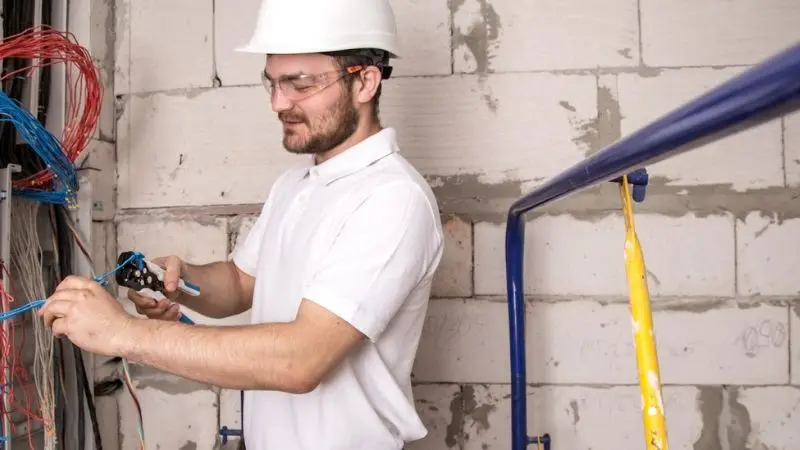
The importance of an appropriate wire stripper in successful electrical projects can never be overstated. When you look for the best wire stripping tools for electricians or do a manual vs automatic wire stripping tool comparison, the features that you look for will determine the speed, precision, and safety of your projects. Knowing about each feature can help you make an empowered decision.
Cutting Capacity and AWG Compatibility
A wire stripping tool’s cutting ability determines what wiring it can strip or cut. This means that every tool works with a certain-sized American Wire Gauge. Pick the right tool for your project! Some strippers are designed for delicate electronics, while others strip heavy wiring for household or automotive use. Before you go out to buy a wire, make sure to check the AWG range listed.
Key points to consider:
- Ensure the AWG range matches the wires you use most.
- Look for tools compatible with both thin and thick wires.
- Choose a model suited to your typical project type.
Choosing a tool that is the right size will result in smooth, clean stripping of the cable without damaging the conductor inside.
Grip Comfort and Ergonomic Handling
When you are stripping multiple wires or working on anything long, comfort becomes quite important. A practical design allows you to use the tool for longer without tiring your hand.
Tools that have cushioned and non-slip handles promote a natural grip and a smoother motion, which results in superior performance with less strain.
Look for features such as:
- Soft, anti-slip handle materials.
- Designs that support long work sessions.
- Handle sizes that fit your hands comfortably.
A comfortable grip also helps when learning how to safely use a wire stripper, giving every cut a controlled, predictable feel.
Material Strength and Overall Build Quality
The durability of your wire stripping tool will influence your decision on which to choose. Quality tools are made of hardened steel or strong alloys; aside from that, they are resistant to bending, rusting, and dulling. A reliable tool retains its edge for extended periods, ensures precise cuts, and is proof against wear after heavy usage.
Qualities that indicate strong build quality include:
- Hardened steel or alloy construction.
- Corrosion-resistant materials.
- Solid, well-secured moving parts.
When a tool is sturdy, it is worth its weight in gold for years to come.
Precision Blades for Clean, Accurate Stripping
A wire stripping tool is only as good as its blades. The insulation will be taken off without nipping the wire if the blades are sharp. Wire cutters are actually not just simple cutters; instead, they come with some very handy tools for ease of functioning.
Important qualities to look for:
- Sharp blades that deliver smooth cutting action.
- Adjustable settings for various wire types.
- Consistent, clean insulation removal.
Your connections are stronger, safer, and more dependable with accurate blades.
Built-In Safety Features for Secure Use
Always include safety as part of your selection process, particularly if you regularly work on electricals. A lot of wire stripping tools come with safety features that help you use and store them safely. Using these details can prevent accidents and improve overall control of the tool.
Helpful safety elements include:
- Locking mechanisms that keep blades closed.
- Insulated handles for added shock protection.
- Secure grip surfaces to reduce slips.
Ensure a pleasant and smoother stripping experience when choosing tools with intelligent safety features.
How to Use Wire Stripping Tools Correctly and Safely
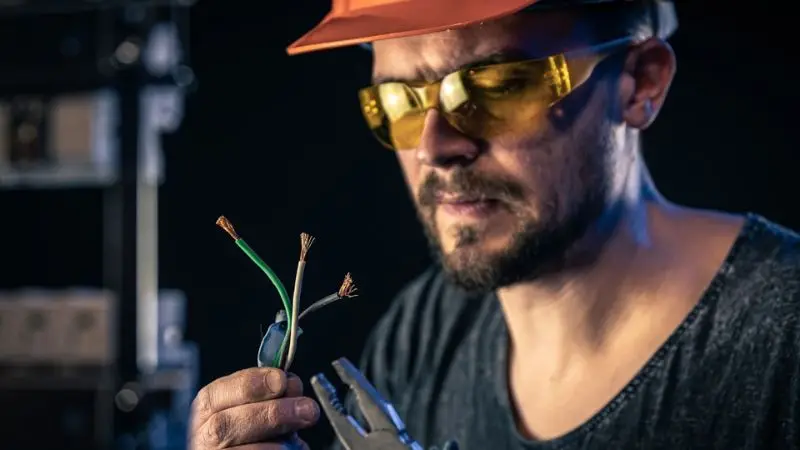
Learning how to handle wire stripping tools the right way is essential for making clean electrical connections. Whether you’re practicing how to use a wire stripper safely or deciding between manual vs automatic wire stripping tools, proper technique helps protect both the wire and your hands. With a careful approach, every stripped wire becomes smoother, cleaner, and more reliable for the job ahead.
Step-by-Step Method for Safe Wire Stripping
To strip wires properly begins with the right preparation and a steady hand. Start with a tool that is almost appropriate for your wire gauge. The wire will list the AWG range of compatible tools. After you’ve confirmed the size, insert the wire into the notch and hold it there. Gently squeeze the handles, and the blades will hold onto the insulation. Then pull the insulation away in one clean, smooth motion. Take a look at the exposed conductor to see that it hasn’t been damaged. Using wire stripping tools is a bit tricky, but this technique will give you the confidence to perform the task perfectly.
Key actions to remember:
- Match the wire gauge to the correct notch.
- Hold the wire steady during cutting.
- Use smooth pressure rather than force.
- Examine the exposed conductor for damage
Avoiding Common Errors When Stripping Wires
Most of the mistakes are caused when we hurry or use the wrong tool. Using excessive force can nick the copper and weaken the wire, which can affect the strength of the connection. When you’re using a sharp knife or pair of scissors instead of the proper tool, quite often you’ll end up with uneven cuts or damaged conductors. A wrong notch may leave insulation bits behind or nick the insulation of the wire. A wire can break if it gets bent or twisted too much. Be attentive when using the best wire stripping tools for electricians to make sure that your wires do not weaken, to ensure long-term use.
Common errors to avoid:
- Using excessive force while squeezing.
- Cutting with knives or non-electrical tools.
- Choosing the wrong notch for the wire gauge.
- Bending or twisting the conductor unnecessarily
Techniques for Clean, Accurate, Damage-Free Wire Ends
Whether the wire ends are clean and smooth is a function of blade sharpness, process capabilities, and performing the operation consistently. To start off, make sure your tool is free from residue and clean so that the blades make an even cut. Keep the wire held tight and remove just the amount needed for the connection. If the exposed conductor has scratches or dents, trim the wire and re-strip it lighter. Practice on a spare wire and become confident in how to choose the right tool to strip different wire insulations. Using quality tools and steady hands, your wire ends will always be neat, precise, and ready for a reliable connection.
Helpful practices include:
- Checking blade sharpness before starting.
- Stripping only the required insulation length.
- Re-cutting and retrying if the conductor is damaged
- Practicing on spare wires to refine your technique.
How to Maintain Wire Stripping Tools for Long-Lasting Performance
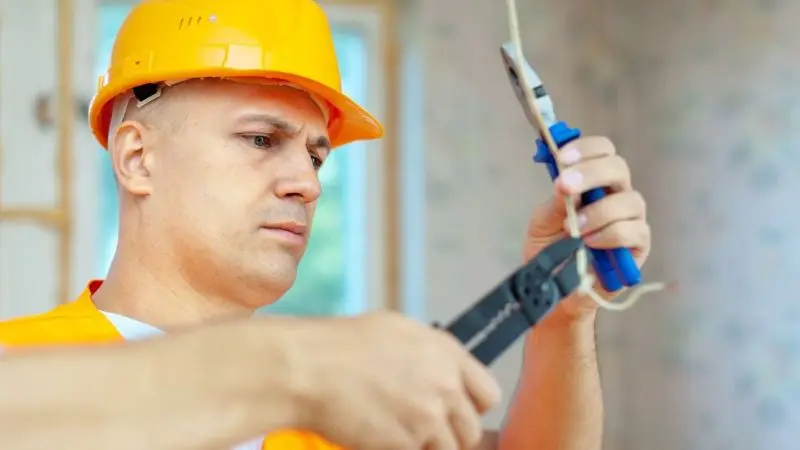
If wire stripping tools are not properly maintained, they will become blunt, rough, and dull. Proper tool care will deliver cleaner results and reduce the likelihood of damaging wires. If you clean, lubricate, and store your tools properly, they will work like new for a long time. Your investment will be protected, too.
Cleaning and Lubricating Your Wire Strippers
Cleaning your wire stripping tools keeps dust from building up on their moving parts. After every use, take a dry cloth and wipe the blades and other surfaces free of dust and insulation pieces. When you see sticky stuff and dirt, lightly just use a tiny brush or cotton swab to clean it. Just a little rubbing alcohol can help remove tough dirt without damaging the tool.
Once a month, apply a single drop of light machine oil to the pivot point for smooth operation. Move the handles in and out several times to spread the lubricant. When you use a device often, make it a practice to give it a little twist. This simple routine reduces friction, keeps the mechanism responsive, and extends the life of the tool.
Caring for Blades and Replacing Them When Necessary
Sharp blades create clean and undamaged wire ends. Constantly inspect the cutting edges to see if they are dull, nicked, or not even. If they start to get worn down, they can be sharpened using a fine file or sharpening stone. This helps prevent accidental wire damage while stripping.
Some tools for stripping wires have replaceable blades because it is helpful for professionals or anyone who works with wires. If sharpening isn’t improving performance anymore, getting a fresh pair of manufacturer-approved blades will ensure that your tool continues working at its best.
Proper Storage Practices to Protect Your Tools
When you store your wire stripping tools safely, they will be ready for the next job. They should always be stored in a dry place to prevent rust, such as a toolbox, drawer, or organized workspace.
If your tool has a locking feature, close and lock it before storing it to guard blades and avoid accidental opening.
An easy way to keep your tools organized is hanging them on a pegboard. This is especially useful if you use the tools often. If they are kept away from corrosives and heat, they will not ruin the metal or the handles. With proper care, your wire strippers will remain reliable and last for years.
Wire Stripping Tools Compared to Other Electrical Tools
Wire stripping tools do not work like pliers or cable cutters. Learn the differences to pick the right tool for each project step. While we have all seen these tools next to each other in a toolbox, they have totally different uses. Selecting the right product will give you cleaner results, safer handling, and improved efficiency on the job.
Wire Strippers vs. Pliers: How Their Functions Differ
Wire strippers are specially designed tools that remove insulation without damaging the conductor. Likewise, they are essential for making electrical connections. Pliers are made for gripping, bending, twisting, and holding wire, not stripping it. Plier types may have cutting edges. However, they do not pull insulation as precisely as an electrician’s knife.
Wire strippers work very well when you need to expose the metal core for wiring, especially if you are using gauge. Pliers can help with the bending of wires, tightening, and giving leverage. When you use each tool for its intended purpose, you can stay safe and accurate.
Wire Strippers vs. Cable Cutters: When Each Tool Is Needed
Cable cutters and wire strippers often perform the same job, but have very different functions. A cable cutter has strong and sharp blades designed to cut through thick wires, cords, and heavy cables. Their use is to give clean cuts throughout the entire wire.
Wire strippers serve a more specific purpose than cutters, as they aim to only remove the insulation. They supply the accuracy required for stripping metal without cutting into it. If we know this difference, we can prevent damage to our electrical connections. Using the right tool is essential, as the wrong one may damage the wire or connection.
How to Choose the Right Tool for Each Electrical Task
Projects usually need more than one tool, and knowing when to use each one will improve your workflow. Whenever you want to remove insulation from a wire while keeping the wire core safe, use wire strippers. The pliers are ideal for holding, twisting, or bending a wire in position.
Save the cable cutter for thick and multi-stranded cables. It would provide you with a strength cut and a clean edge. Using each tool where it is best suited will result in clean, safe, and efficient wiring, no matter how big or small the project.
Where to Buy High-Quality Wire Stripping Tools
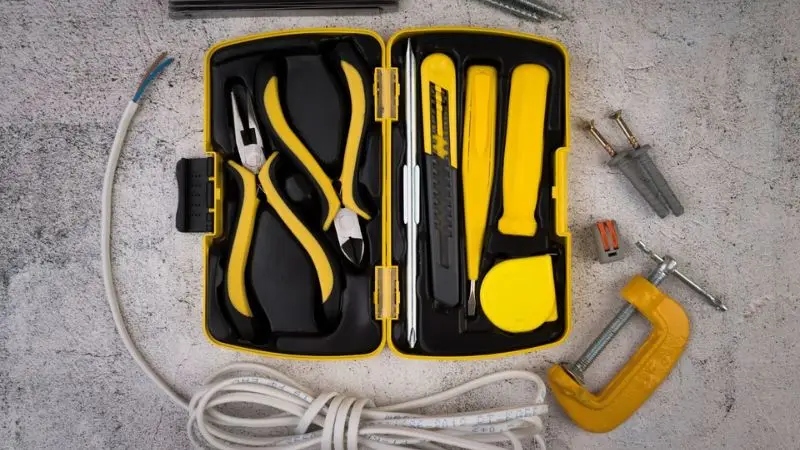
It is important to choose which establishment to purchase reliable wire stripping tools from. The best stores have the right mixture of brands, competitive prices, and competent customer support. You can either shop in stores or online. Either way, the retailer can help to compare the features of the tools to make your choice easier. This is very useful when you are looking for the best wire stripping tools for an electrician, and when you are learning how to choose a wire stripping tool for yourself.
Top Online Retailers for Electrical Tools
Many trusted retailers offer wire stripping tools online, making it convenient to browse different models and read customer reviews before purchasing. Online stores often provide wider selections than local shops and make it easy to compare features, prices, and user experiences. VEVOR stands out for offering durable, professional-grade wire stripping tools at competitive prices. Amazon offers a broad range of wire stripping tools for every budget, paired with fast shipping and extensive customer feedback.
Home Depot and Lowe’s provide reliable choices for homeowners and professionals, often including detailed product guides. Grainger specializes in high-grade, industrial-level tools that appeal to electricians and technicians. Harbor Freight offers affordable options for budget-conscious buyers without sacrificing basic performance.
How to Choose The Best Store for Your Needs
The appropriate store for you depends on what matters most–selection, price, shipping speed, or brand. Online shopping is convenient. You can easily check the reviews of the products to avoid falling for something unreliable. When you visit a local hardware store, you have the advantage of testing the tool out in your hand before purchasing.
Many retailers also have seasonal discounts, tool bundles, or free shipping with a minimum purchase. Sign up for newsletters from your favorite stores to snag offers. Buying wire stripping tools from reputable sellers greatly increases the chance that you will get a durable tool.
Wrap Up
Wire stripping tools are essential safety and reliability equipment for electrical work, whether you’re working on a small home project or a large professional one. When you select, use, and maintain the right tool, you will be assured of cleaner cuts, stronger connections, and lasting performances. Manual, automatic, and specialized tools all have their differences; knowing this allows you to choose the tool that fits your workflow. When everything is done correctly and taken care of, wiring is easier, faster, and safer. If you invest in good tools and learn how to use a wire stripper properly, you will improve results.
FAQ
What wire gauge sizes can most wire strippers handle?
Most wire strippers work on wire gauges from 10 AWG to 22 AWG. You should check the markings on your tool. Some models handle wider ranges for special projects.
Can you use wire strippers for stranded and solid wires?
Wire strippers work well on stranded wires as well as solid wires. Always match the notch to your wire type. Stranded wires are quite delicate and must not be cut at any point.
How do you know when to replace your wire stripper?
For best results, you will need to change your wire stripper when its blades become dull. If you see frayed wire ends or uneven cuts, the tool may need new blades or a full replacement.
Are automatic wire strippers better for beginners?
Automatic wire strippers assist novices in working faster and prevent errors. You do not need to guess the notch size. These tools make stripping easier for most users.
What are some safety tips for using wire strippers?
Always wear safety glasses. Keep your hands dry. Do not strip wires near water. Lock your tool after use. Inspect wires for damage before connecting them.