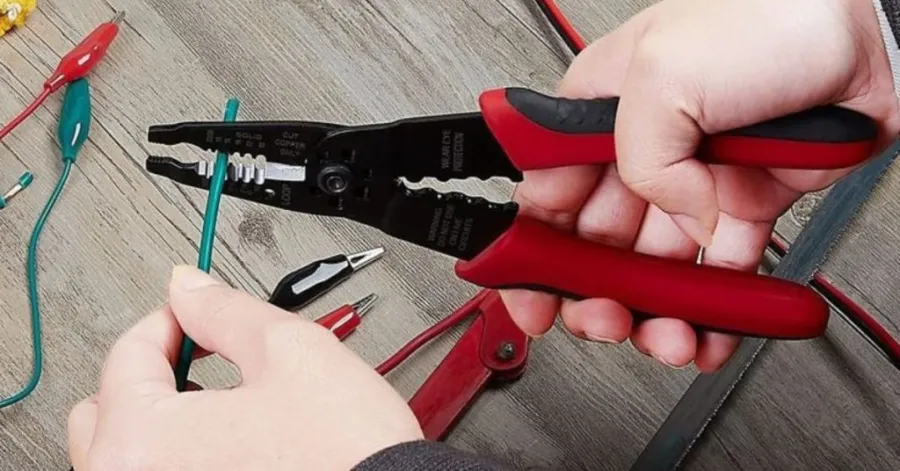
Wire cable stripping tools let you strip wires safely and effectively. Make sure your tool is the right size for the wire. Put safety first by wearing protective gear and keeping your work area clean. With the right tool and careful steps, you’ll find that stripping wires is easy.
Wire Cable Stripping Tools
Tool Types
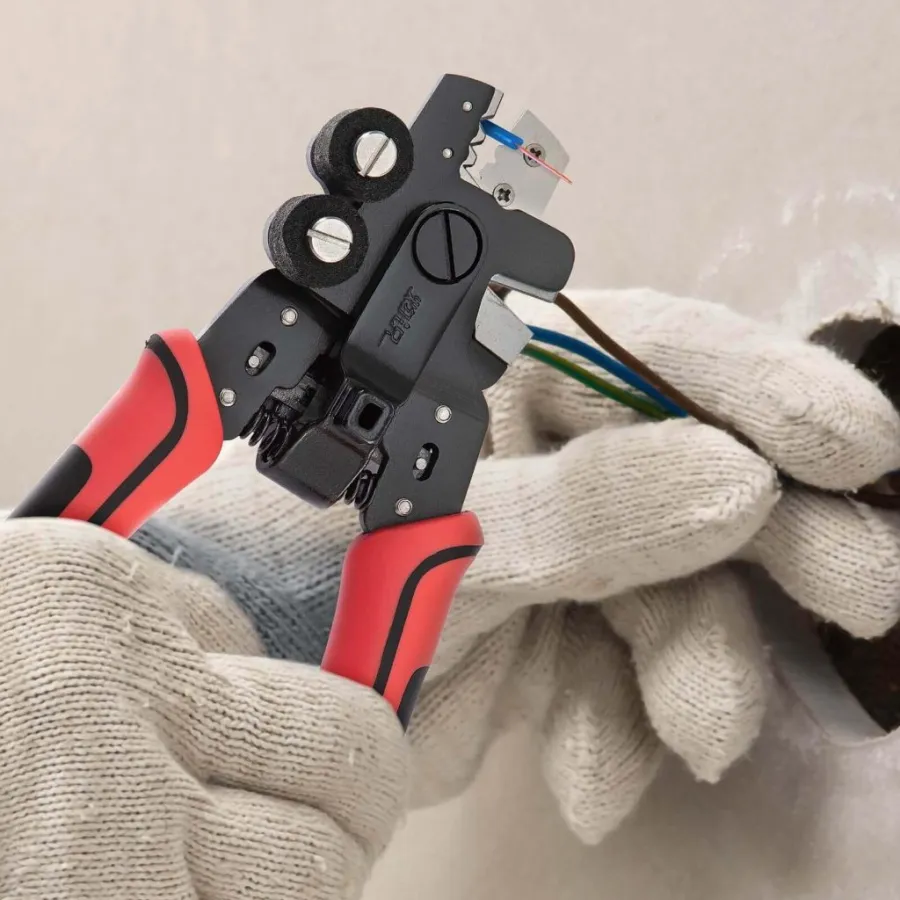
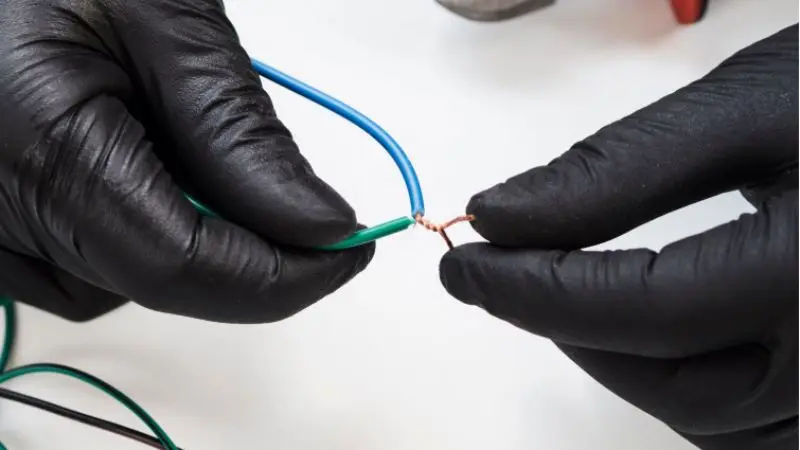
You will find several wire cable stripping tools available for different tasks. Wire strippers are the most common. You use them to remove insulation from electrical wires. Some wire strippers have adjustable jaws for various wire sizes. You may also see automatic wire strippers. These tools grip and strip the wire in one motion. Another option is the cable stripping and cutting tool. This tool can cut and strip larger cables, such as coaxial or multi-core wires. Some cable stripping and cutting tools work best for thick or armored cables. You should choose the right tool for your project to make the job easier and safer.
Choosing the Right Tool
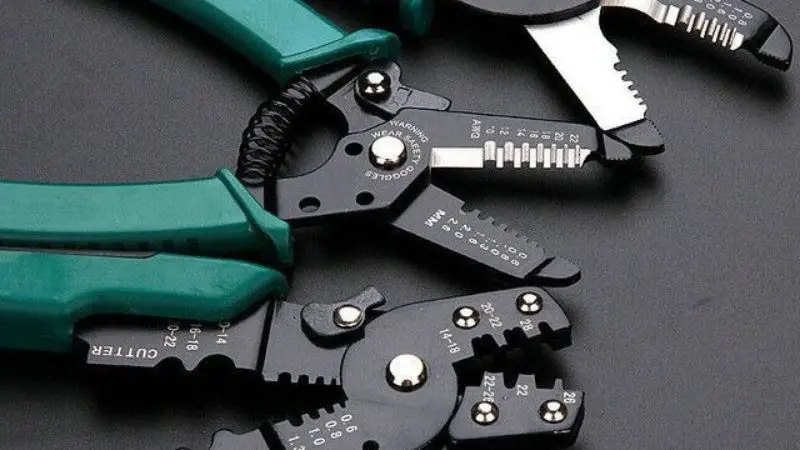
You need to match your wire cable stripping tools to the wire type and size. Wire strippers work well for household electrical wires. If you work with data cables or coaxial cables, you should use a cable stripping and cutting tool. Look for wire strippers with clear markings for wire gauges. This helps you avoid mistakes. Some cable stripping and cutting tools have built-in cutters. These tools save time and reduce the need for extra equipment. You should test the tool on a scrap piece of wire before starting your main project.
| Tool Type | Best Use | Special Features |
| Wire strippers | Electrical wires | Adjustable jaws, gauge marks |
| Cable stripping and cutting tool | Coaxial, thick cables | Built-in cutter, ergonomic grip |
Cable Stripping Tool and Cutting Tool Features
You should look for specific features when choosing a cable stripping and cutting tool. Ergonomic handles help you grip the tool comfortably. Sharp blades make clean cuts and strips. Some wire strippers have spring-loaded handles for easy use. You may want a cable stripping and cutting tool with a safety lock. This feature keeps the tool closed when not in use. Tools with replaceable blades last longer. You should always inspect your wire cable stripping tools before each use. Clean, well-maintained wire strippers, cable stripping, and cutting tools work better and keep you safer.
How to Strip Electrical Wire
Workspace Prep
How to use wire stripping tools? Start by setting up your workspace. Choose a clean, flat surface with good lighting. Remove any clutter from your area. Place all your tools within reach. You need wire strippers, a self-adjusting wire stripper, and a cable stripping and cutting tool. Wear safety glasses and gloves to protect your hands and eyes. Make sure your wire is not connected to any power source. Double-check that your wire is safe to handle.
Measuring and Marking
Measure the length of insulation you want to remove. Use a ruler or tape measure for accuracy. Mark the spot with a permanent marker or masking tape. This step helps you avoid stripping too much or too little. If you plan to connect the wire to a terminal, check the terminal’s requirements for exposed wire length.
Steps for Stripping Wire
To safely and effectively strip electrical wire, follow these steps:
- Keep the wire firmly in one hand.
- Pick the right notch on your wire stripper or self-adjusting wire stripper. Make sure the notch matches the gauge of your wire.
- Put the wire in the notch. Check to see that the marked spot is in line with the blades.
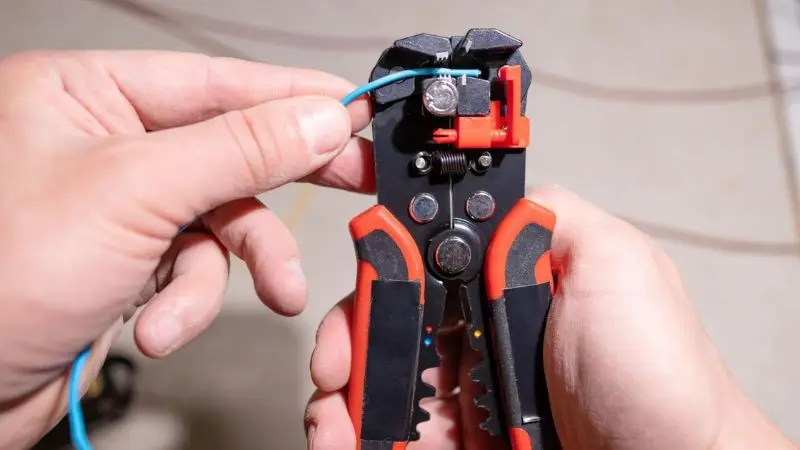
- Gently squeeze the handles. When using a manual stripper, turn the tool around the wire. If you have a self-adjusting wire stripper, let it hold the wire and strip it in one motion.
- Take off the insulation without any bumps. Don’t pull or twist the wire.
- Look at the wire that is showing. Look for metal that is clean and not damaged.
Inspecting for Damage
Check the metal that is showing after you strip the wire. Check for cuts, nicks, or bent strands. Damaged wires can make connections weak or dangerous. If you see any damage, cut off the stripped part and try again. Use the right notch and apply light pressure to avoid damaging the wire. Check your wire-stripping tool for dull or misaligned blades. If needed, adjust your tool.
Tips for Protection – Keep Yourself Safe
Personal Protective Equipment
You need to protect yourself before you start stripping wires. Always wear safety glasses to shield your eyes from flying bits of insulation or wire. Gloves help protect your hands from sharp edges and accidental cuts. Choose gloves that fit well and allow you to grip your tools easily. Wearing the right gear is one of the most important safety precautions when stripping wires. You lower your risk of injury and work with more confidence.
Preventing Injuries
By using the best wire cable stripping tools for electricians, you can avoid most injuries by following a few simple steps. Always cut away from your body when using a cable stripping and cutting tool. Keep your fingers clear of the blades. Use the correct tool for the wire size. If you use too much force, you might slip and hurt yourself. Work slowly and pay attention to each step. Never rush the process. Make sure your tools stay sharp and clean. Dull blades can slip and cause accidents. Here are some quick reminders:
- Check your workspace for clutter.
- Keep tools organized and within reach.
- Do not use damaged or broken tools.
Safe Disposal
After you finish stripping wires, you need to clean up safely. Collect all insulation scraps and wire pieces. Place them in a container or bag. Do not leave sharp bits on your work surface or floor. Dispose of waste according to local rules. Some wire and insulation materials can be recycled. Ask your local recycling center if they accept these items. Keeping your workspace clean helps maintain safety for you and others.
Stripping Wire Troubleshooting & Maintenance
Common Mistakes
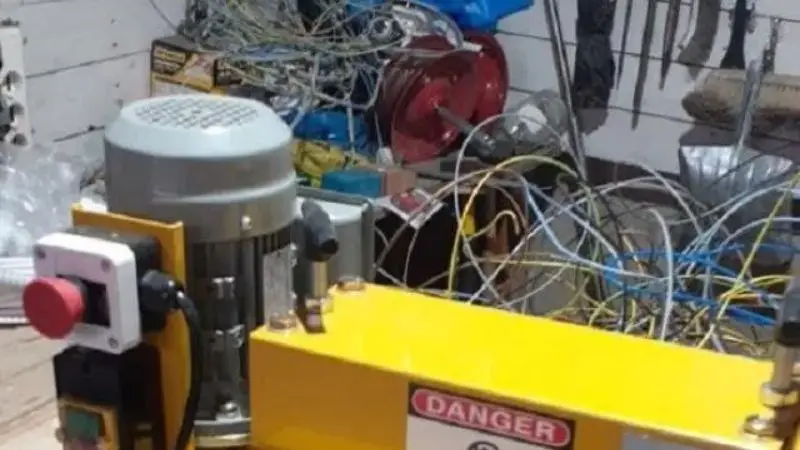
You may run into problems when you strip wires. Many people use too much force when stripping wire, which can damage the wire. Some choose the wrong notch, which can cut into the metal strands. If you strip too much insulation, you expose more wire than needed for electrical connections. You should avoid these common mistakes to avoid poor results. Here are some common mistakes to avoid:
- Using a wire stripper with dull blades
- Selecting the wrong wire gauge notch
- Pulling or twisting the wire too hard
- Not checking for nicks or cuts after stripping
If you see damaged wire, cut off the bad section and try again. Wire cable stripping tools for home projects can help you avoid many errors by automatically adjusting to the wire size.
Tool Care
You need to keep your essential tools for stripping in good condition. Clean your wire stripper after each use. Wipe off dust and bits of insulation. Check the blades for wear. Sharp blades make your work easier and safer. Lubricate moving parts if the tool feels stiff. Store your wire stripper in a dry place to prevent rust.
When to Get New Tools
If your wire stripper’s blades are dull, the handles are bent, or it doesn’t work well, you should get a new one. You might need a new tool if it slips or doesn’t cut insulation cleanly. Using old tools can hurt wires and make electrical connections unsafe. You should check your tools regularly and replace them when needed.
Conclusion
If you follow the proper steps, you can safely strip wires. Pick the right tool for stripping cables for your project. Check your tools before you use them. Every time, put on gloves and safety glasses. Take care of and clean your wire strippers often. Do these things over and over to get better.
FAQ
How do you know which notch to use on a wire stripper?
You can match the notch size to the wire gauge printed on the tool. Test on a piece of scrap wire first if you’re not sure. The right notch takes off insulation without cutting the metal strands.
Is it possible to strip wires without a wire stripper?
You can use scissors or a utility knife, but this method increases the risk of damaging the wire. Take your time and be careful. A good wire stripper gives you safer, cleaner results.
If you nick the wire while stripping, what should you do?
If you see a nick or cut in the wire, cut off the broken section. Use less pressure to strip the insulation again. Damaged wires can make connections weak or even dangerous.
How often do you need to clean your wire stripping tools?
After each use, you should clean your tools. Remove any dust and insulation. Look for wear on the blades. Clean tools last longer and work better.
Why is it essential to wear safety glasses and gloves?
Gloves keep your hands safe from sharp edges. Safety glasses protect your eyes from flying debris. You are less likely to get hurt if you use both every time you strip wires.