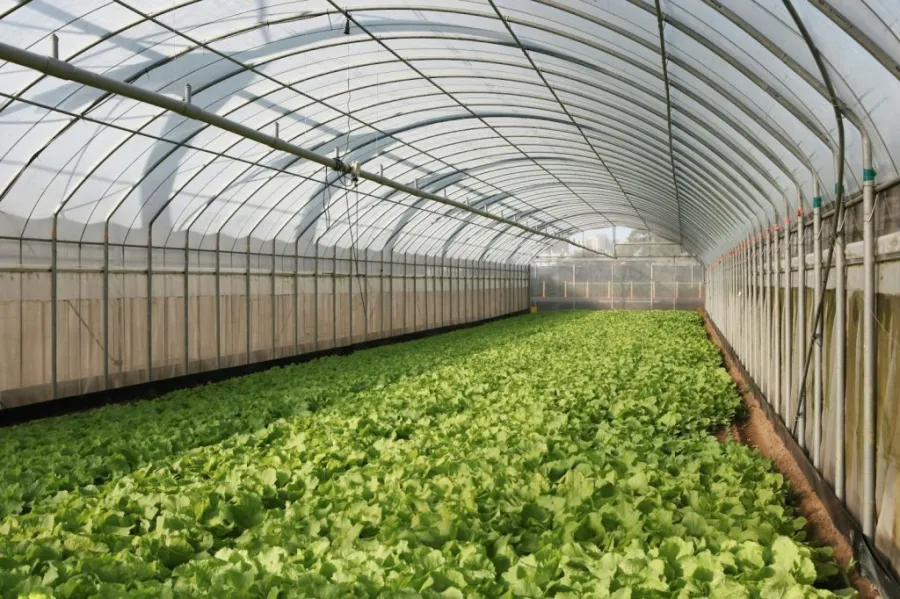
Have you ever entered your greenhouse on a cold morning and been bitten by the cold air? Yeah, your plants feel it too! Warming them during winter does not necessarily translate into huge bills and technical solutions.
The correct winter greenhouse heating plan will allow you to save your plants, lengthen your growing season, and have everything growing even when the frost arrives. Let’s discuss warm plants, clever heating tricks, and how to transform your greenhouse into a winter home.
What is a winter greenhouse?
A winter greenhouse is a warm jacket for your plants; it keeps them warm and happy when the world outside goes icy. It is constructed in such a way that it captures the sun and keeps it out of frost, allowing vegetables, herbs, and flowers to flourish all year round.
To all the beginners interested in winter greenhouse heating, this is the best installation to have in case you want to stretch the growing season without worrying about the weather at all times.
Factors that affect greenhouse temperature
Keeping your greenhouse warm isn’t just about turning on a heater; it’s about balance. Several factors quietly decide whether your plants feel cozy or catch a chill.
Sunlight and insulation
Sunlight is your main heat source. The more light your greenhouse captures during the day, the warmer it stays at night. But without proper insulation, that warmth escapes fast. Use double-layer plastic or bubble wrap to trap heat; it’s a simple trick for those learning how to heat a greenhouse in winter for free.
Greenhouse size and structure
Bigger isn’t always better! A large greenhouse loses more heat, while a smaller one warms up faster and stays cozy longer. The materials you use, like polycarbonate or glass, also affect how well heat stays in. For efficient winter greenhouse heating for beginners, build smart, not just big.
Outdoor climate and seasonal variation
Your local weather plays a huge role. If you live somewhere with long, cold winters, you’ll need stronger insulation and possibly a greenhouse heater. In milder climates, sunlight and thermal mass might do the trick. Understanding your region helps you plan energy use and save on winter greenhouse heating cost.
Types of greenhouse heating systems
There’s no one-size-fits-all approach to heating your greenhouse. Different methods suit different needs, budgets, and climates, so here’s a look at what actually works for real gardeners.
Electric heaters
Perfect for beginners! Electric heaters are easy to use, efficient, and safe. Others have inbuilt thermostats which automatically regulate the temperature, thus winter greenhouse heating for beginners is easy. They are more expensive to operate in the long term, but they are best suited to smaller areas where regular warmth is the most important.
Gas and propane heaters
These are heavy heaters, and they are suitable for bigger greenhouses. The gas or propane models are fast to warm, although they require adequate ventilation to prevent the accumulation of carbon.
Although they increase the cost of winter greenhouse heating, they provide a reliable alternative in cold climates or during those nights when the temperatures drop suddenly.
Solar-powered systems
In case you are fond of environmentally friendly tricks, then this one is for you. Fans, pumps, or small heaters can be powered by solar panels, which will save a lot of money on energy bills.
It is a brilliant idea for those who are in search of how to heat a greenhouse during winter without spending money. In addition, it is silent, eco-friendly, and it functions well alongside thermal mass.
Passive heat storage (thermal mass)
Consider it to be a great way of natural heating. During the day, large barrels of water, concrete floors, or bricks absorb heat, and in the night, they gradually give it out.
It is low maintenance, economical, and best suited to save on heating the greenhouse in winter. To most growers, it is the best method of ensuring that plants are happy without the use of gadgets in large numbers.
How to prepare your greenhouse for winter
Before the frost rolls in, give your greenhouse a little winter makeover. A few smart tweaks now can save you stress, money, and frozen plants later.
Seal gaps and insulate walls
Walk around and check for sneaky drafts; those tiny air leaks can undo all your heating work. Seal cracks with weather stripping or caulk, and insulate walls using foam boards or recycled materials. This simple prep step makes winter greenhouse heating more efficient and cuts down on wasted energy (and costs!).
Use thermal curtains or bubble wrap
Bubble wrap isn’t just for packaging; it’s greenhouse gold. Line your walls and windows with it to trap warm air inside. Add thermal curtains at night to keep the chill out. These small upgrades can drastically reduce your winter greenhouse heating cost while keeping your plants snug and thriving.
Check ventilation and airflow
Good airflow prevents hot and cold zones from forming. Open vents occasionally on sunny days and use a small fan to circulate warmth evenly. Proper ventilation also helps your greenhouse heater work more efficiently and keeps humidity levels balanced, no more steamy, mold-prone corners.
Use compost, heat, and water barrels
Here’s a clever trick: let nature help heat your space. Compost piles release steady warmth, and water barrels absorb daytime heat to release overnight. Combined, they create a gentle, natural winter greenhouse heating system that costs next to nothing and helps maintain stable temperatures.
Optimize layout for air distribution
Think of your greenhouse like a mini ecosystem; air needs to move freely. Avoid crowding plants, and leave pathways for heat to circulate. Place your greenhouse heater strategically near the center or intake vent to spread warmth evenly. A smart layout saves energy and keeps every leaf comfortable.
Combine multiple low-energy methods
Don’t rely on one trick; mix and match. Use bubble wrap, thermal mass, and natural compost heat together. Layering methods makes your winter greenhouse heating more reliable without spiking your energy bill. It’s all about balance: small, consistent warmth beats overpowered heating any day.
Troubleshooting common heating problems
Even with perfect prep, greenhouses have their quirks. If your plants still look chilly or your heater’s acting up, here’s how to troubleshoot like a pro.
Uneven temperature or cold spots
When there are places that remain colder, you are out of air. Reorganize plants, look at the blocked vents, or introduce a small fan to spread the air evenly. In intractable spots, reflective panels will be used to reflect heat.
Stable temperatures ensure that your greenhouse heater is much more effective and will save you on the total cost of winter greenhouse heating.
Heater failing to regulate the temperature
When your heater is running but the room appears cold, then you should check the insulation. Poor wiring or leaky seals may quickly drain heat. Wipe the heater vents, change filters, and test the thermostat. The winter greenhouse heating system can be maintained regularly to ensure efficiency and reliability throughout the season.
Too much moisture and mold
Unventilated warm air is a bother. Excess moisture promotes mould, which is damaging to plants and machines. Open the vents a few minutes a day or use a small dehumidifier. The equal airflow prevents your greenhouse heater from overheating your greenhouse to a sauna.
FAQ
What is the ideal temperature for a greenhouse during the winter?
The majority of plants grow at 45°F to 60°F in winter, which varies with the species. This range can be kept constant by maintaining winter greenhouse heating to ensure that growth is constant and that frost does not destroy the crop during freezing nights.
Is it possible to heat a greenhouse with solar energy throughout the year?
Yes, solar energy can be used all year round, particularly with good insulation and thermal mass. It is an environmentally friendly method of saving on heating in the winter greenhouse and maintaining the same temperatures during the day and night.
Which type of heating is more efficient, propane or electric?
The electric heaters are suitable for small areas and constant temperatures, whereas the propane covers bigger greenhouses more quickly. Each greenhouse heater has its strong points, depending on insulation, climate, and your energy rates.
What can I do to store heat in my greenhouse?
Close seal cracks, apply bubble wrap, and insert water barrels to store passive heat. A combination of these basic methods reduces winter heating of greenhouses and also keeps your plants warm.
Conclusion
A greenhouse during winter does not only mean comfort, but also the longevity and health of your plants. With smart winter greenhouse heating and efficient systems, you will be able to save your garden during the coldest months.
You can either be trying out the solar warmth or improving your greenhouse heater, but invest in reliability. To find high-quality and low-cost tools and high-quality equipment, visit Vevor, the greenhouse and gardening one-stop shop.