As soon as the cold comes in, many homeowners start to ask themselves, “Why is my heater making noise?” A heater should make some regular noises when it turns on or off, but a strange or constant noise can mean something more. If you hear buzzing, clicking, banging, or knocking, your furnace might be trying to tell you something. Noticing these changes can help you determine if the problem is small enough for you to fix or serious enough to call in a professional. When you pay close attention to your heater and act early, you will keep the heater running safely, quietly, and efficiently all season long.
Common Types of Heater Noises and What They Mean
When your heater starts to make unusual sounds, you can identify the problem early on. Homeowners often wonder, “Why is my heater making noise?” in order to figure out whether the sound is harmless or something more serious. Different parts of the heating system create different types of noise, which have their own specific meanings. Recognizing these sounds will help you know what a sound means so you can react appropriately and stay safe and comfortable at home.
Here are the most common noises a heater makes and what they may mean.
Banging or Popping Sounds Coming From Your Heater
It is normal for some heaters to make mild popping noises as metal parts expand and contract. However, a louder banging noise suggests there might be a problem. The sounds occur at start-up, which may seem unexpected or sudden. Banging that happens repeatedly can be caused by ductwork movement, but also by delayed ignition. When gas builds up and is ignited, you get a loud pop that homeowners often notice quite quickly. It can be the reason someone asks, “Why does my heater make a noise when it first starts up?” If the banging noise is increasing in volume and frequency, the ignition system may require inspection to ensure safe operation.
Clicking Noises When the Heater Turns On or Off
Clicking noise is one of the most common sounds a heater makes as a result of the start or stop of a cycle. This sound is typically produced by internal switches, sensors, or ignition parts working properly. If clicking happens for longer than a few seconds, or it clicks but does not then commence a startup, the ignition board or flame detection may be faulty. Homeowners often ask, “Why is my heater clicking?” Usually, this occurs if you hear your heater try to ignite, but it fails. It is a telltale sign of some wiring or ignition-related wear that disrupts your heating cycle.
Humming or Buzzing Sounds During Heater Operation
It’s normal for heating systems to hum softly as motors and transformers vibrate when in operation. When the soft hum starts to become a buzz, our alarm bells ring. Changes like these usually indicate that screws are loose, panels are shifting, or internal parts are starting to vibrate more strongly. Sometimes, buzzing can actually be happening because something is wrong with the electrical tension, or the transformer is going out. This is normally when most people will start asking, “Why is my heater making a loud buzzing noise?” as they hear this weird noise coming from the heater. When buzzing is able to get addressed quickly, it won’t make the system work any harder than it needs to. This will also keep your energy efficiency intact and avoid any more vibration that can loosen the other parts over time.
Squealing or Screeching Noises From the Blower System
Noise, like screeching, comes from moving parts inside the blower assembly. A worn-out fan belt also causes these sounds when it slips or loses tension. When a belt dries out, frays, or stretches, it will result in a high screeching noise whenever the motor starts to spin. The noise might sound similar to scraping if the metal parts rub against each other due to the wear down of the lubricant. When a homeowner thinks, “Why is my heater making noise?” that high, sharp squeal can be one of the most concerning noise signs. Fixing it early saves the blower motor from damage. Prevents airflow disruption and enhances the heater’s convenience and durability.
Rattling or Knocking Sounds Inside the Heater Cabinet
If you hear rattling coming from your heater, that means something has come loose inside. Usually, this sound is not so noticeable. However, as the airflow becomes stronger as it heats, the noise becomes more noticeable. Screws that are not quite tightened, panels that are not secured properly, or brackets that seem to have shifted can cause rattling. Homeowners often describe the sound as knocking, leading them to ask, “Why is my heater making a knocking noise?” Even a small loose piece can make a consistent vibration that travels through the home. Repairing the cause of the rattle stops the noise from recurring and prevents component failure.
Whistling or High-Pitched Heater Noise From Airflow Issues
Whistling is almost always linked to airflow restriction. The noise that you hear when air cannot easily flow through a narrowed or blocked opening is a whistle sound. You will hear it from vents or the furnace cabinet, which means that the heat exchange is restricted. Clogged filters, closed vents or ducts with pressure imbalances can often cause this to happen. On the other hand, homeowners will sometimes think they’re hearing hammering or popping noises. When the heater starts making noise, particularly during startup, it leads to the question ‘why is the heater noisy’. Repairing proper airflow usually reduces the whistle of your heater. It should operate more smoothly and efficiently.
Most Common Reasons Your Heater Is Making Noise
When unusual sounds begin coming from your heating system, it’s natural to wonder what’s causing them. Many homeowners ask, “Why is my heater making noise?” when the heater suddenly becomes louder or starts producing new sounds during operation. Several common issues can trigger these noises, and understanding them helps you respond quickly. Some causes are simple and easy to fix, while others may require professional attention. Knowing the source of the sound makes it easier to maintain a quiet, reliable, and efficient heating system throughout the season.
Dirty or Clogged Air Filters That Restrict Airflow
Air filters are important for the ability of your heater to function smoothly. When a filter clogs with dust and debris, airflow is restricted. Now the furnace needs to work harder. Whistling sounds, light banging, or airflow disturbances may come through the vents due to pressure changes. When the filter requires the system to push air through a tighter space, many homeowners start to hear noises and begin to question, “Why does my heater make noise when starting up?” If you regularly replace the filter, that will help airflow, improve performance, and prevent the heating system from working too hard.
Ductwork Expansion and Contraction During Heating Cycles
Metal ductwork naturally reacts to temperature changes. When hot air blows through the cold duct, the metal expands, causing popping or banging. When the heater switches off, the ducts cool down. At this point, they contract and may make similar noises all over again. These noises are normally perfectly acceptable. But they may get louder if the ducts are getting older, don’t fit together tightly, or are exposed to greater temperature swings. Some homeowners misinterpret these sounds as mechanical issues. They start searching for these phrases: Why is my heater making a loud buzzing noise and knocking noises. Noticing any changes in the loudness of the noise can tell you whether the ducting is excessive.
Sediment Buildup Inside the Furnace Causing Rough Operation
As time goes on, sediment, dust, and debris can settle in the furnace, mostly at burners or heat exchangers. The lack of heating is also a cause of rumbling, grinding, and vibrating noise. If the sediment build-up is severe, it may even block some components and make a loud sound on starting up, reminiscent of a pop or thump. Homeowners often misunderstand these changes as “Why is my heater knocking?” Keeping the internal components clean allows it to operate with ease without overheating and making any harsh noises that develop due to sediment interfering with fuel burning and heat flow.
Loose Screws or Components Creating Rattling or Vibrating Sounds
If you hear rattling sounds inside the heater cabinet, it’s likely that screws, panels, or brackets have loosened. Heating systems vibrate when they run. Movement, which can be very minor, can cause the metal parts to shake or tap against one another.
A loose panel can make a rattling sound, while an internal component that’s shifting will cause a low vibration sound that gets louder the longer the heater runs. Homeowners often find our heaters to be noisy, asking themselves, “Why is my heater making noise?” during the regular heating cycle. When loose parts get handled quickly, you don’t get any noise, and other components don’t loosen up.
Faulty Blower Motor or Fan Producing Squealing or Grinding
The blower motor blows warm air into your home. When it starts to fail, you can often hear it. A scratched belt can produce a loud squealing noise, and dry or worn-out bearings can produce a grinding noise. You gradually get used to these noises as they become more prominent. A lot of homeowners experience this while asking questions like “why is my heater making a clicking sound,” or squealing-related issues. Don’t ignore a failing blower motor. Warm air from a bad motor can overheat, reduce airflow, and burn up the motor.
Ignition or Burner Problems Causing Clicking or Popping
A heater repeatedly clicking when trying to light suggests a faulty ignition system of the heating unit or appliance. If the ignition of gas is delayed, then the popping sound may be a loud one. One of the most common reasons people ask, “Why is my heater making noise?” is when the furnace kicks on. The burners might be dirty, the igniter out of alignment, or a control part faulty. When the clicking or popping sounds occur repeatedly, it indicates there is a problem with your furnace ignition system; being a critical safety system, it should be checked by a professional.
How to Fix a Noisy Heater (Step-by-Step Guide)

When your heater gets noisier than usual, it makes one wonder, “Why is my heater making noise?” While not all noises are a cause for concern, many are due to simple problems you can fix yourself. A soundless heater uses less energy, runs more efficiently, and makes your house comfortable. The following steps will help you find out the reason for the noise and get the operation back to smooth and quiet without much fuss. You might want to check the following before you call a professional.
Inspect and Replace Your Air Filter to Restore Proper Airflow
If your heater is making noise, something as simple as cleaning or changing the air filter may help. When a filter gets dirty or clogged, it will restrict airflow. Then a pressure change occurs that causes a whistling, banging, or turbulence of airflow. One of the most common causes for “why does my heater make noise when it starts up” is dusty or dirty filters. Hold the filter up to the light, and if you cannot see through it, you will need to replace it. Furthermore, replacing a filter can not only reduce noise but also make heating more effective. A new filter allows the system to breathe easier, takes the strain off the blower motor, and provides cleaner air inside the home as the heater turns on and off.
Check for Loose Screws or Components That Cause Rattling Sounds
Rattling noises usually occur when screws, panels, or internal brackets inside the heater cabinet have come loose. Vibration from regular use gradually causes components to loosen and get out of position. A tapping or shaking noise is produced that travels through the duct system. Some homeowners wonder, “Why is my heater making a knocking noise?” Tightening each accessible panel and screw helps secure the components again. Doing this simple step often reduces unwanted vibration and allows the heater to run more smoothly, in turn placing less stress on internal components.
Clean the Furnace Burners for Quieter Ignition
If burners collect dust or debris over time, they may start to pop, grind, or rough on startup. If the burner flames do not ignite properly or burn unevenly, combustion sounds will be louder. The irregular ignition is a common source of frustration that will have you wondering, “Why is my heater making noise?” Gently cleaning away crud allows for cleaner burning and reduces sharp or sudden sounds at startup. The burners on a gas stove improve the efficiency of heating. They ensure a better startup while the heating cycle gets underway. Furthermore, they also promote a more stable flame pattern through the heating cycle.
Flush Out Sediment Buildup That Causes Rough Heating Sounds
When debris accumulates in a heating appliance, it can impede the burner, heat exchanger, or internal chambers. Rumbling, banging, or grinding noises develop when these deposits collect, getting worse as time goes on. You can see this clearly at startup when the system first responds to changes in fuel and airflow. Removing the sediment allows your unit to heat evenly and helps reduce the stress that causes vibrations, overheating, or uneven temperature in the home. Many homeowners take these sounds as a mechanical failure and start searching, “Why is my heater making a loud buzzing noise?”
Examine Your Ductwork for Leaks, Gaps, or Loose Connections
The ductwork in your home naturally expands and contracts when heated air is pushed through it. However, if there are loose or unsealed sections, it can make more banging, popping, or whistling sounds. When air goes through small holes, the pressure changes a lot. Making it seem noisier than it really is. Sometimes, people question “why is my heater making noise”, when in reality, it’s the ducts that are the problem. To reduce sudden noises, check visible sections of the ducts. Press on the connections and make sure the joints are tight. When your ducts are in good shape, the airflow is more efficient, and this helps the heating system function better overall.
When to Call a Professional HVAC Technician
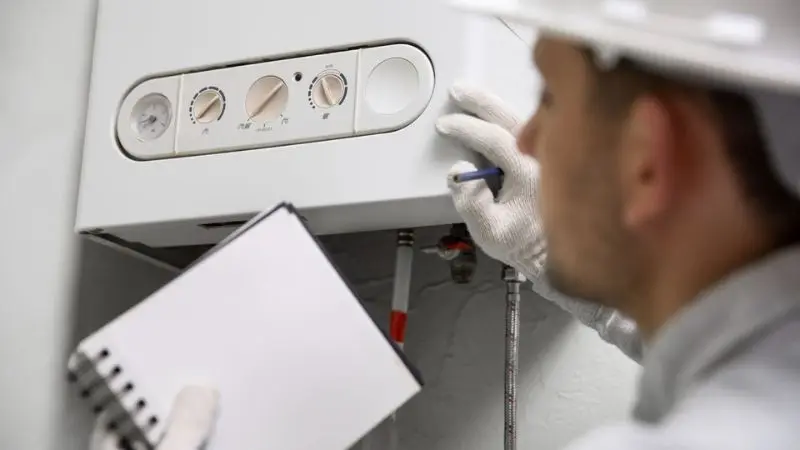
Although some heater noises only require a simple fix, others may be more serious, needing your expert opinion. Some sounds can be addressed at home while others indicate failing components or unsafe conditions. Many people first notice strange sounds when they ask themselves, “Why is my heater making noise?” However, if the noise starts to become louder, more frequent, or more complex, a professional inspection is probably the safest option. A specialist can tell if there is an electrical failure, if there is wear and tear, if there is an ignition problem, and if there is an airflow issue without having seen the insides. If you call an expert right away, you’ll stop damaging your heating system, allow it to operate safely, and save on repairs.
When Heater Noise Signals a Serious Problem Requiring Immediate Help
Some heater noises show up suddenly and must not be ignored. If there are loud bangs, sharp screeches, or grinding sounds, there’s probably internal damage. These noises could indicate issues with the blower motor, ignition parts, or other mechanical components inside the furnace. When homeowners hear a clicking sound or heavy banging, they start to panic. They often look up phrases such as “why is my heater making a clicking sound” or similar. The furnace may be having issues if it turns off in quick succession, there are burning smells coming from the appliance, or the vents vibrate. If these warning signs are caught early enough, damage to systems can be prevented. In addition, the home can be protected from possible damage.
Noises That Indicate a Safety Hazard and Require Fast Action
Some noises of a furnace are more than annoying; they could indicate dangerous furnace conditions, such as a fuel buildup or an electrical issue. If the button is pressed repeatedly and does not click, the ignition has failed and has let gas out, which is unsafe. If you hear a booming sound at startup, it might mean there’s a delay in ignition. If you hear grinding, that can mean the motor is failing and overheating. These worries lead homeowners to quickly start sounding the alarm, asking, “Why is my heater making noise?” But if noises indicate danger, do not do any repairs yourself. The safest approach would be to turn off the system and contact a licensed technician to protect your home.
How to Prevent Heater Noise in the Future
A quiet heater starts with steady maintenance and regular checks. Many homeowners wonder why their heater makes noise only when the sounds exceed the tolerable limit, but sound-related problems can usually be prevented long before they appear. With a simple maintenance schedule, your heating system is more efficient, safe, and quieter. Little habits can prevent your heater from being overworked and help stop sudden breakdowns.
Schedule Regular HVAC Maintenance to Avoid Future Noise Problems
One of the best ways to prevent the heater noise from developing is through professional HVAC maintenance. A qualified expert can discover a problem before it becomes a loud bang, click, or buzz. This service makes sure that your system is clean and well-tuned.
During yearly maintenance, technicians usually.
- Check the blower motor and fan for signs of dragging.
- Tighten any loose screws or panels that may cause rattling.
- Investigate the ignition system to determine why my heater overspeed noise occurs at startup, or to identify a delayed ignition.
These steps keep your heater running quietly and efficiently throughout the winter.
Regular maintenance will also help make your system last longer and avoid unplanned heating shutdowns.
Keep Filters Clean and Replace Them on Time to Reduce Airflow Noise
Furnace noise issues are commonly caused by clogged air filters on the furnace. If your heater has restricted airflow, it can lead to whistling, banging, or other pressure-related sounds that will make you ask yourself, “Why is my heater making a loud buzzing noise?” It’s easy to keep your filter clean, which is an easy thing to do. It will help airflow remain smooth and quiet.
A simple filter care routine includes.:
- Checking the filter every month.
- Holding it up to the light to see if dust blocks the airflow.
- Replace it every 1–3 months based on usage.
- Make sure the filter fits securely inside the slot.
The heater does not have to work too hard; the filters allow it to “breathe” better. The air in the house is also better as a result. Regularly maintaining your filter helps your system operate quietly, prolongs its life, and prevents airflow problems that create noise from happening.
Wrap Up
Most heater sounds have simple explanations. They can be annoying, but understanding what is causing the sound is worse. Different noises like banging, clicking, and buzzing give insight into issues with your home heating. When people say, “Why is my heater making noise?” it is usually due to a need for cleaning, new filters, or inspection. When you listen to these noises, you can detect problems early and prevent expensive repairs. If you have regular maintenance, clean filters, and address any extra noises, you’ll be able to keep your heater working safely, efficiently, and quietly all season. A little care goes a long way.
FAQ
What is the remedy for a loud heater at night?
You should turn off your heater and check for loose parts. If the noise continues, call a technician in the morning. Safety comes first.
How often should you clean or replace your air filter?
You should check your air filter every month. Replace it every one to three months. Clean filters ensure your furnace works smoothly and silently.
Can you fix a noisy heater yourself?
Changing a filter or tightening up screws are easier problems to fix. If you hear strange noises or feel unsure, get a professional to help.
Why does your heater make a burning smell when it starts?
If you smell something burning, that is probably dust burning off inside. Turn the system off and call for help if you see smoke or the odor persists longer than an hour.