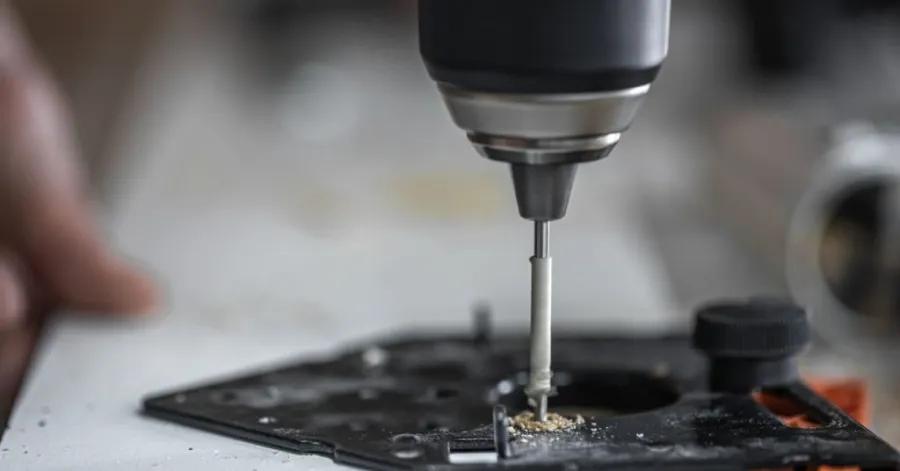
When you wonder which drill bit for metal to use, choosing the right one is essential for clean, precise holes. High-speed steel bits with a split point tip work best because they reduce wandering and give you better control. Always check the type of metal you’re drilling and select a bit material and angle that match the project. Using the correct drill bit and the right drill machine protects your tools, speeds up your work, and prevents damage to your material. Whether drilling steel, aluminum, or copper, knowing which drill bit for metal makes every job safer and easier.
Which Drill Bit for Metal Should You Use?
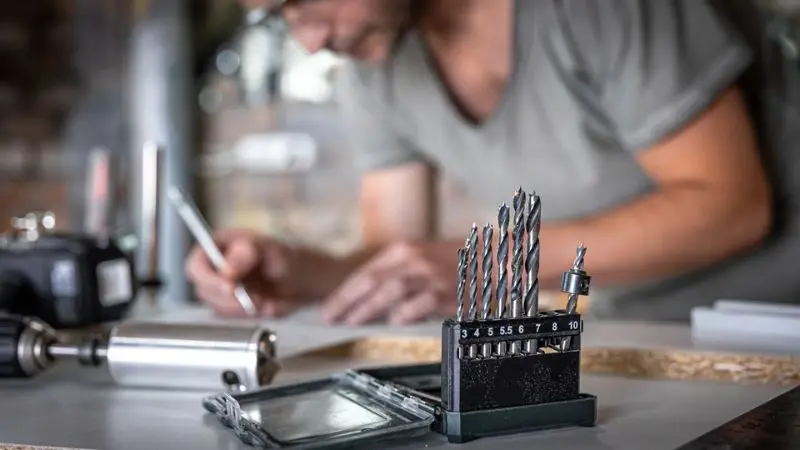
One of the initial questions when beginning a metal project is what drill bit is best when working with metal. Finding the appropriate bit is the ideal solution that guarantees clean holes, keeps your tools protected, and gets you time savings. The optimal size is determined by the kind of metal and the project at hand. Knowing the materials and bit designs will assist you in drilling more efficiently and safely with your drill machine.
Best All-Purpose Drill Bit for Metal
Another bit that works very well on numerous metal operations is a high-speed steel (HSS) bit. They also work well with softer metals such as aluminum, and many find them to be a good drill bit for aluminum. The HSS bits are economical and offer suitable control to the novice. They open holes much more easily with a point angle of 118 and minimize wandering. These bits deal with most work on everyday DIY projects. Using the right piece also assists you in drilling metal without breaking the bit, leaving smooth and clean finishes. HSS bits are multi-purpose, inexpensive, and only necessary in home workshops.
Titanium vs. Cobalt Bits
Titanium-coated and cobalt bits are designed for harder or repeated metal drilling. Titanium bits resist heat and are perfect for long-lasting use on softer metals like aluminum or mild steel. Cobalt bits are stronger and ideal for tough metals such as stainless steel and iron, making them the best drill bit for stainless steel or drill bit for iron projects. Both often have a 135° angle, which reduces walking and ensures smoother holes. Choosing the right bit material and angle helps you drill through metal without damaging the bit, saving time and keeping your tools sharp.
How to Choose the Right Drill Bit by Metal Type
Using the right drill bit with a drill machine helps you achieve clean holes while protecting your tools. Different metals have varying hardness and drilling requirements, so choosing the correct bit is essential. The material, point angle, and drilling speed all affect the quality and longevity of your work. Knowing how to drill into metal safely prevents breaking the bit and ensures each hole is precise and smooth, making every project easier and more efficient.
Drill Bit for Aluminum
Aluminum is soft, so a standard HSS bit works well, making it the ideal drill bit for aluminum. Titanium-coated bits are also a good choice if you want extra durability for repeated use. A 118° point angle helps start holes easily and reduces wandering. Using light cutting oil or WD-40 keeps the bit cool and improves the finish. Choosing the right drill bit for aluminum lets you drill through metal without damaging the bit, giving smooth, clean results every time.
Drill Bit for Mild Steel and Iron
Mild steel is harder than aluminum, and iron is even tougher. HSS or titanium-coated bits work for mild steel, while cobalt bits are often the best drill bit for iron. A 135° split point angle helps the bit cut efficiently and prevents slipping. Slow to medium speeds are ideal, so knowing what drill speed is best for metal is important. Applying light oil protects the bit and ensures clean holes. Using the correct drill bit for mild steel or iron prevents damage and makes drilling much easier.
Drill Bit for Hardened Steel
Hardened steel is very tough, which requires tough bits such as cobalt. Cobalt bits are the most suitable drill bits to use on hardened steel as they do not become dull and retain their hardness when heat acts upon them. With a 135 split point, it is possible to drill in a shorter time and with greater precision. These practices include working with a slow drilling pace and cutting oil, as well as constant pressure. When drilling hardened steel, the correct drill bit must be selected so that you drill through metal without damaging the bit to enhance precision and safety to both the metal and your tools.
Drill Bit for Stainless Steel
Stainless steel is hard and can quickly dull ordinary bits, so a cobalt bit is the best drill bit for stainless steel. Use a 135° split point to help the bit bite and prevent slipping. Apply plenty of cutting oil, drill slowly, and maintain firm pressure. If the bit smokes or turns blue, stop and let it cool. Using the correct drill bit for stainless steel and proper speed ensures smooth, precise holes and teaches you how to drill through metal without damaging the bit.
Drill Bit for Metal Sizing and Matching
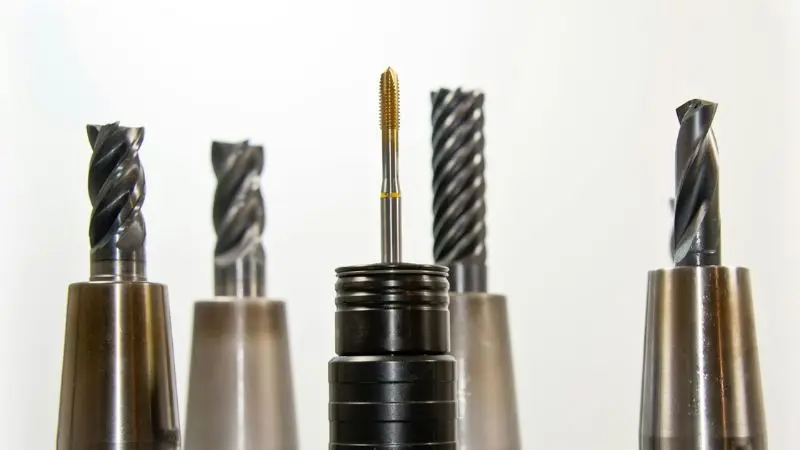
Choosing the appropriate drill bit when drilling through various metals helps create clean holes and protects your equipment. Metals vary in their drilling requirements and hardness, so it is essential to know which drill bit to use. The proper material, point angle, and speed of the drill bit can provide improved outcomes and durability. It is also essential to know how to drill into metal without breaking the bit, so every project receives a clean, smooth hole.
Pick the Correct Size
Choosing the right size drill bit for metal is essential for clean, precise holes. The diameter of the bit should match the fastener or hole you want to create. Using a bit that is too small means screws or anchors won’t fit, while a bit that is too large can make the fastener loose.
- Check the fastener size on the packaging or measure it with a ruler.
- Short bits are best for thin metal sheets, while longer bits reach through thick or stacked pieces.
- Always ensure the bit is long enough without bending or breaking.
By picking the right drill bit for metal, you drill efficiently and reduce the risk of damaging your tools or the material. This helps you drill through metal without damaging the bit.
Match Bits to Screws and Anchors
Properly matching drill bits to screws and anchors ensures a secure fit. Consider the following:
- Screws: Use a bit that matches the screw’s core diameter, not the threads.
- Anchors: Follow the recommended drill bit size listed on the anchor packaging.
- Testing: Always try the fit on a scrap piece of metal before drilling your final piece.
Using these simple checks guarantees strong, precise holes and prevents mistakes that could ruin your project.
Sizing Guide for Common Fasteners
You can also use a sizing chart to match drill bits to fasteners. Hardware stores often provide charts showing which drill bit works best for screws or anchors.
- Too small a hole → widen with a larger bit.
- Too large a hole → use a bigger fastener or fill the gap with a metal plug.
- Double-check measurements before drilling to save time and avoid errors.
Following these guidelines makes it easier to select the right drill bit for metal and ensures your projects are safe, accurate, and professional-looking.
Troubleshooting Mistakes When Drilling Metal
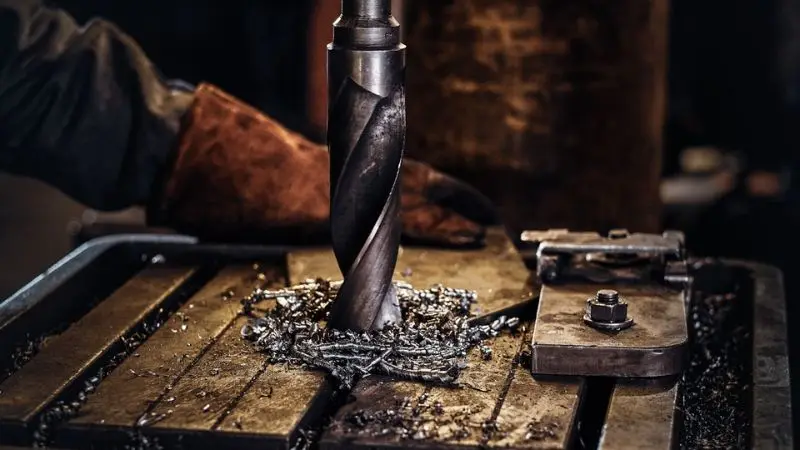
The small problems when drilling metal occur even to experienced DIYers. Holes can either run too small or too big, or the bit can drift, which results in crooked holes. An understanding of how to resolve these errors will save you time, frustration, and tools. These easy repair tricks also mean that you’re learning how to drill through metal without destroying the bit, so that your projects come out accurate and professional.
Fixing Small Holes
Small holes often happen when you use the wrong drill bit for metal or measure incorrectly. If a hole is too small for your screw or anchor:
- Switch to a slightly larger drill bit and drill again in the same spot.
- Test the fastener on a scrap piece of metal to ensure a proper fit.
- Double-check fastener diameter using a ruler or sizing chart before drilling.
Using the correct drill bit for metal and testing first reduces mistakes and makes drilling faster and safer.
Fixing Large Holes
Holes that are too large can make screws or anchors loose. You may notice screws spinning or anchors failing to hold. To fix a large hole:
- Use a bigger screw or anchor with a larger diameter.
- Fill the hole with a metal plug or epoxy if a larger fastener isn’t an option.
- Drill a new hole nearby if needed.
Always double-check measurements before drilling to prevent oversized holes and maintain a secure fit.
Preventing Bit Slippage
Bit slippage occurs when the drill bit moves or wanders on the metal surface, causing crooked holes. You can prevent slippage by:
- Use a split point drill bit to keep the bit in place.
- Making a starter dent with a center punch and hammer on your mark.
- Holding the drill steady and starting at a slow speed.
If the bit slips, stop and reset your mark. These steps help you drill through metal without damaging the bit and keep your holes clean and accurate.
Wrap Up
Which drill bit for metal makes all the difference in your projects. From aluminum to stainless steel, mild steel, and iron, each metal requires the right bit material, point angle, and drilling speed. High-speed steel, titanium-coated, and cobalt bits each have their strengths, while proper sizing and matching to fasteners ensure secure, precise holes. Using techniques like split point bits, center punches, and the right cutting oil helps you drill through metal without damaging the bit. Following these tips saves time, protects your tools, and delivers professional, smooth results every time.
FAQ
What is the most useful drill bit to use with metal?
Getting down to high-speed steel (HSS) bits to start with. These bits are suitable for most soft metals. Drills with ease and maintains good control. Find a split point design in order to avoid sliding.
What do you do to prevent drill bit scooting on metal?
Drill a small opening by hand in the area you are to drill. This guides the bit. There is also an option of a split-point drill bit to improve accuracy. Begin drilling at low speed to have better control.
Will regular wood drill bits be able to work on metal?
Metal drill bits should not be used on wood. These fragments can become blunt easily, and they might fracture. Always choose bits designed to be used on metal, such as HSS, titanium, or cobalt.
What can be done to keep the drill bits cool when drilling metal?
Grease the drilling area by applying either cutting oil or WD-40. This cools and extends your life a bit. Slowly drill and take a break when the bit gets hot.
Use oil for cooling.
Drill at a slow speed.
Let the bit rest if needed.