It is a common question: what is the optimal time to spray for weeds? Because you want the spray to be effective, timing is really important. At what time of day is it most effective to spray for weeds? Consider focusing on the fall and spring seasons. Between mid-September and the beginning of November, you will see excellent results. At what time of day is it most effective to spray for weeds? You need to check the weather and find out where you are. The answer to when to spray for weeds varies by weed type.
In this article, we will talk about when is the best time to spray for weeds and how timing affects weed control results. You will learn the ideal seasons, weather conditions, and times of day for effectively spraying different types of weeds.
When Is the Best Time to Spray for Weeds?
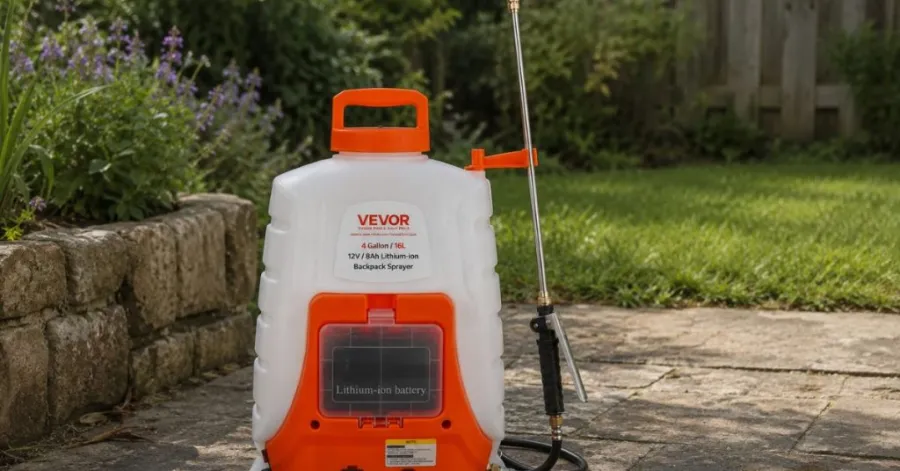
@frankbrooks8 @Vevor_US battery powered backpack sprayer #vevor #vevortools #sprayer #gardensprayer #backpacksprayer #lawncare #yardwork #gardentok #tiktokshopcreatorpicks #tiktokshopsummerturnup
♬ original sound – FrankzFindz
Early morning vs late afternoon spraying
You want your lawn to be the very best it can be. When should I spray weeds in my lawn? Spray at different times of day. There is less wind and colder temps, and you wake up early in the morning. This makes the lawn weed killer more effective at sticking to the weeds. Leaves stay wet longer, so weed control tactics work better. And late in the afternoon is a terrific time. The sun is not as fierce, and so the grass does not dry out as rapidly. You avoid the hottest part of the day, when weed and feed are least likely to work.
Tip: Do not spray lawn weed killer at noon. Heat can cause lawn weed killer to evaporate before it works.
Best weather conditions for applying weed spray
Weather is an important element in weed control. Look for a dry day with no rain in the forecast. The best temperature to spray weeds should be between 60° and 85° F. This range is when lawn weed killer works best. Wind can blow weed-and-feed off your lawn. “You want calm days so you can control where the weed killer goes. Humidity helps the weed controls adhere to the weeds.
Seasonal timing: spring, summer, and fall breakdown
You need to know the proper time to do weed control. When is the best time to spray weeds in spring? The ideal time to apply pre-emergent weed treatments is in spring. That prevents the weeds from growing. Weeds tend to come up throughout the summer. Control them with post-emergent lawn weed killer. Fall is the greatest time to battle tough perennial weeds. The lawn is getting prepped for winter, and the weed-and-feed is going down to the roots.
| Season | Best Weed Control Action |
| Spring | Pre-emergent weed controls |
| Summer | Post-emergent lawn weed killer |
| Fall | Weed and feed for root control |
You get the best lawn when you use the right weed killer for lawns at the right time. Plan your weed control for each season to keep your lawn healthy and free of weeds.
Best Time of Year to Spray Different Types of Weeds
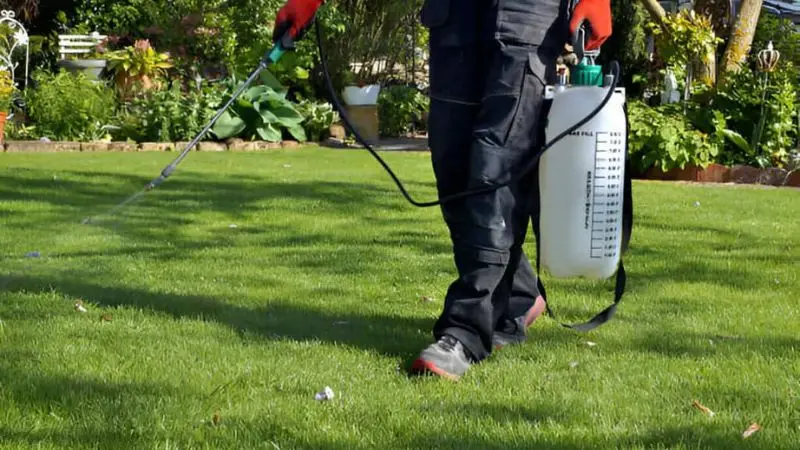
Spring weed control for pre-emergent treatment
You want to stop weeds before they begin. Can you spray weeds after rain? The best time to apply pre-emergent products to your grass is during the spring. These treatments establish a barrier to prevent weed seeds from germinating. Put them out early in the season, as soon as the earth begins to warm. That timing allows you to hit weeds before they pop out of the ground. Most common weeds are prevented from taking over your lawn when treated in the spring. You’ll have fewer weeds later in the year.
Summer spraying for actively growing weeds
Summer is characterized by warm weather and abundant growth. Should you spray weeds before rain? Summer is the time when you will see weeds in your grass. Fast-spreading weeds can spread rapidly. You will need to use post-emergent sprays all season long. The best time to use these controls is when the weeds are young and growing actively.
- Walk your lawn often to spot new weeds.
- Spray on a calm, dry day for the best results.
- Target summer weeds before they set seeds.
You can keep your lawn looking healthy all summer if you act quickly.
Fall weed control for perennial weeds and root systems.
It’s fall, and it’s time to get after those difficult perennial weeds. They are weeds that survive the winter by storing roots. The best time of day to spray weeds is in the fall. ‘This helps you control the weeds that come up every year. Spray after the first frost but before the ground freezes. This time provides you the best shot at killing the entire marijuana, roots and all.
Note: Fall treatments help your lawn stay weed-free next spring.
Pre-Emergent vs Post-Emergent Weed Spraying Timing
When to apply pre-emergent herbicides
You want to stop weeds before they come up. Applying pre-emergent herbicides early in the season is most effective. Look for the soil’s best temperature to spray weeds to get to around 55°F. This is when many weed seeds begin to sprout. Check the temperature with a soil thermometer. Use preemergent agents before weeds appear. This procedure creates a barrier to weed seeds germinating.
You should water your lawn after applying these herbicides. Water helps move the product into the soil, where it can stop weeds.
When post-emergent weed killers are most effective
You have weeds in your yard. How long after spraying weeds does it take to work? Post-emergent herbicides are used to manage certain weeds after they have emerged. The best control is achieved on young, vigorously growing weeds. Apply spray on a dry, quiet day. Keep the temperature at 60°F to 85°F. This range helps the herbicide cling to the foliage and perform well.
- Walk your lawn often to spot new weeds.
- Treat weeds before they get too big.
Post-emergent weed control works best when you act quickly. You can keep your lawn looking neat all season.
Combining both for year-round weed prevention
You want a weed-free lawn all year round. When should I spray weeds in my lawn? Combine both types of herbicide sprays for great effects. Use a pre-emergent pesticide in early spring to prevent new weeds from emerging. During summer and fall, they spray post-emergent chemicals to kill any weeds that break through. This strategy provides you with the greatest weed management.
| Season | Herbicide Type | Main Goal |
| Early Spring | Pre-emergent | Stop weed seeds |
| Summer | Post-emergent | Kill growing weeds |
| Fall | Both (as needed) | Prevent and control |
You can keep your lawn healthy and green by following this simple schedule.
Weather Conditions That Affect Weed Spraying Effectiveness
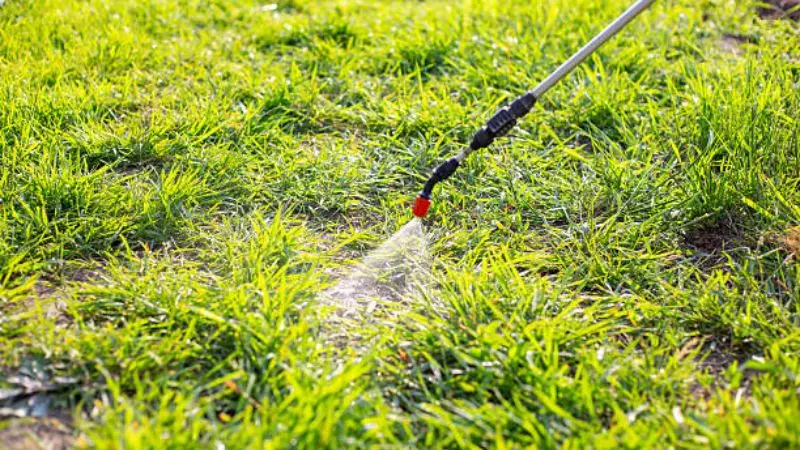
Ideal temperature range for spraying weeds
When is the best time to spray weeds in spring? You need to watch the temperature when spraying for weed control. You want it between 60° and 85° F. The spectrum is good for weed control solutions because the chemicals adhere to the leaves. Weeds do not absorb the product if you spray when it is too chilly. Spraying when it is too hot will cause the weed control to evaporate before it works.
Tip: Use a thermometer to check the temperature before you start. This helps you avoid common weed issues.
Wind, rain, and humidity considerations
Should you spray weeds before rain? Check the wind before spraying. Wind might blow weed control away from your target zone. You want it calm so the spray actually hits the weeds. Rain is another element. If it rains soon after spraying, the weed control is washed away. You waste time & money. Humidity helps the spray adhere to the foliage: wet weed control, high humidity.
- Always check the weather forecast.
- Wait for a calm, dry day with moderate humidity.
- Avoid spraying if wind speeds are above 10 mph.
| Weather Factor | Effect on Weed Control |
| Wind | Reduces accuracy |
| Rain | Washes away product |
| Humidity | Helps absorption |
Why you should avoid spraying before rainfall
Never spray weed control just before a downpour. Weed problems can be caused by rain, as the best time of day to spray weeds is when the leaves are wet. The weed control doesn’t get to the roots. You squander time and don’t tackle weed problems. Keep an eye on the weather and spray times to improve your weed control outcomes.
Best Time to Spray Weeds for Maximum Results
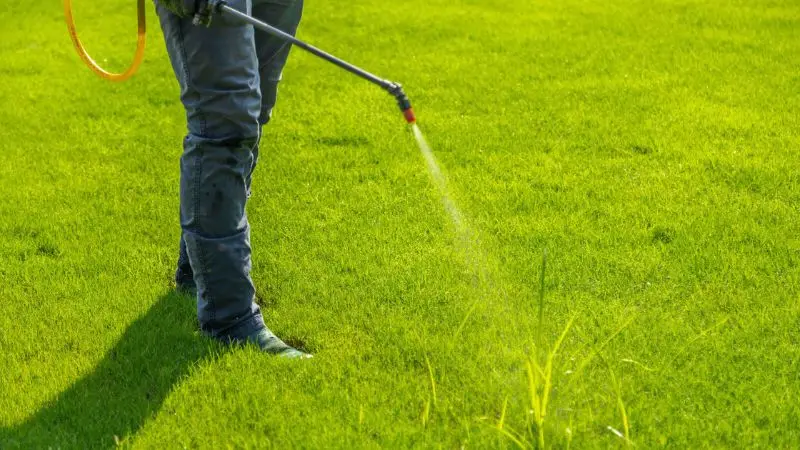
Morning application advantages
Can you spray weeds after rain? You can spray for weeds in the morning and get good results. The air is cold, and the wind is calm. If the leaves are wet with dew, the spray will adhere better. You are avoiding the heat so the product does not evaporate soon. The sun comes up. Weeds begin to take nourishment. That means they take up the weed killer more quickly. Walking your lawn early can help you identify problem spots. You have the morning to check the weather and organize your day.
Evening spraying benefits
How long after spraying weeds does it take to work? In addition, you have the option of spraying weeds in the evening. The wind speed decreases, and the temperature drops. When the sun goes down, you should avoid bright light. Both the product and the weeds remain moist for longer. Your concerns regarding evaporation are unfounded.
- Evening spraying lets you avoid busy hours.
- You can check your lawn for new weed growth.
- You help the product work overnight.
You get a calm setting and steady results. Evening works well if you miss the morning window.
Times to avoid spraying weed killers
It is best to avoid spraying weed killers during the middle of the day. When should I spray weeds in my lawn? The sun is shining brightly, and the temperature is rising. The product dries so quickly that it does not penetrate the plant’s roots. An increase in wind speed causes spray to move away from the weeds. The product may be submerged in rainwater.
| Time of Day | Reason to Avoid |
| Midday | Heat and evaporation |
| Rainy hours | The product washes away |
| Windy times | Spray drifts |
You protect your lawn and get the best results by choosing the right time to spray for weeds.
Conclusion
When is the best time to spray for weeds? When you spray for weeds at the appropriate time, you will achieve the best possible outcomes given the circumstances. When preparing your applications, it is important to consider the weather, the type of weed, and the season. Pre-emergent treatments should be applied in the spring, and post-emergent sprays should be used in the summer and fall. Pre-emergent treatments require application in the spring. It will be easier for you to prevent weed-related problems if you keep an eye on the weed calendar for your region or set reminders for the particularly significant months.
FAQ
How often should you spray for weeds?
You should spray for weeds two to three times each year. Focus on early spring and fall. Check your lawn often; if you see new growth, spot-treat as needed.
Can you spray weed killer on wet grass?
You should avoid spraying on wet grass. Wait until the grass dries. This helps the product adhere to the leaves and work more effectively.
Is it safe for pets after spraying weed control?
Keep pets off the lawn until the spray dries. Most products become safe after drying. Always read the label for safety instructions.
What happens if it rains after spraying?
Rain can wash away the spray before it works. Try to spray when you expect dry weather for at least 24 hours.
Will one treatment remove all weeds?
One treatment may not remove every weed. Some weeds need more than one spray. Repeat treatments give you better results.