When selecting a winch size for a car trailer, a rule of thumb is 1.5x. A decent rule of thumb is to have a winch rated at least 1.5 times the vehicle’s weight. Keep in mind that the best winch size for a vehicle trailer depends on the ramp’s slope. The higher the incline, the more pulling force you’ll require. Always include a safety margin to ensure reliability. Bearing this in mind, you can easily find the best vehicle trailer winch size for your needs.
In this article, we will explain what size winch for car trailer is based on your vehicle’s weight and towing needs. You’ll also learn why the 1.5x rule, ramp angle, and safety margin are important when selecting a reliable trailer winch.
Table of Contents
- What Size Winch Do You Need for a Car Trailer?
- How to Calculate the Right Winch Size for Your Car Trailer
- Recommended Winch Sizes for Different Vehicle Weights
- Electric vs Hydraulic Winches for Car Trailers
- Steel Cable vs Synthetic Rope: Which Is Better for a Car Trailer Winch?
- Factors That Affect the Winch Size You Need
What Size Winch Do You Need for a Car Trailer?
@beckenholdt Vevor winch 130000lb with braided synthetic rope! #vevor #vevortools #vevorttshop #automotive #automotivetechnician #mechanic #mechaniclife #mechanicsoftiktok #winch #winchout #towing #towingtiktok #towingandrecovery #offroad #offroad4x4 #offroadtiktok #4x4 #4x4offroad #tiktokshoploveatfirstfind
♬ original sound - Becken
The General Winch Size Rule
How to choose the right winch size for a car trailer? You want to know the largest winch size for an auto trailer. The rule of thumb is straightforward. Multiply the weight of your car by 1.5. This offers you the minimum pulling power you need. If your automobile weighs 4,000 pounds, you will want a winch rated for at least 6,000 pounds. This rule will make your loading process safe and help prevent overstressing your winch.
Recommended For Your Project
Why Vehicle Weight Isn’t the Only Factor
You may assume the only thing that matters is the weight of the car. Other things are a huge part of it. The angle of the ramp changes the force your winch needs. The steeper the ramps, the more pulling power you need. The condition of the car matters, too. If the automobile can’t roll, the winch has to work harder. Weather and terrain can affect how easily you can load your vehicle. These are all things recommended winch size for hauling vehicles when choosing the winch size for your car trailer.
Recommended Winch Capacities by Vehicle Type
Use the chart below to match your vehicle type to the best winch capacity for loading a car trailer. This helps you select the right winch and understand the features of car trailer winches.
| Vehicle Type | Recommended Winch Capacity |
| Small Cars (up to 3,000 lbs) | 4,500 lbs |
| Sedans/SUVs (3,000–5,000 lbs) | 7,500 lbs |
| Pickup Trucks (5,000–7,000 lbs) | 10,000 lbs |
| Heavy Vehicles/Equipment (7,000+ lbs) | 12,000 lbs+ |
You see that heavier vehicles need stronger winches. Always add a safety margin to your calculation. This keeps your winch reliable and ready for tough jobs.
How to Calculate the Right Winch Size for Your Car Trailer
Determine Your Vehicle’s Gross Weight
First, determine your vehicle’s gross weight. You can check the sticker on the inside of the driver’s door or in the owner’s manual. The gross weight is the weight of the car, passengers, and goods. Write down the number. You will need it for each step thereafter.
Consider Rolling Resistance
The rolling resistance influences winch force. If your automobile rolls easily, the winch has to do less work. If your automobile has flat tires or locked-up brakes, the winch has to pull harder. You can use a simple rule:
Account for Trailer Ramp Angle
The ramp angle affects the force you need to pull your car. The steeper the ramps, the more effort the winch size calculator for vehicle trailers requires. Verify the angle of the ramp on the trailer. If the ramp is steep, add an extra 20% to your overall weight. If the ramp is gentle, you can even omit this step.
| Ramp Angle | Add to Weight |
| Gentle (under 10°) | 0% |
| Moderate (10°–20°) | 10% |
| Steep (over 20°) | 20% |
Add a Safety Margin
Always include a safety margin. This recommended winch size for hauling vehicles makes your winch dependable and safe. Take your final weight and multiply it by 1.5. This follows the 1.5x rule for how big of a winch to use for a car trailer. You are protecting yourself from unexpected issues. After completing these procedures, you can determine the correct winch size for your car trailer. You make sure your winching is up to snuff, and your loading operation is safe.
Recommended Winch Sizes for Different Vehicle Weights
Winch Size for Small Cars
How to choose the right winch size for a car trailer? If you’re just towing tiny cars, you don’t need a large-duty winch. Most compact cars weigh less than 3,000 pounds. Select a winch with a minimum rating of 4,500 pounds. This size provides you with just enough power to load easily, plus a safety margin. A 4,500-pound winch is good for compact cars, hatchbacks, and certain coupes. This winch size will enable you to load these cars smoothly.
Winch Size for Sedans and SUVs
Sedans and SUVs are heavier than compact automobiles. Many sedans and medium SUVs are between 3,000 and 5,000 pounds. Choose a winch with a 7,500-pound or higher rating.
Note: If you often load heavier SUVs, consider upgrading to a 10,000-pound winch for added peace of mind.
Winch Size for Pickup Trucks
Pickups need stronger winches. The average haul is between 5,000 and 7,000 pounds. You require a winch with a minimum rating of 10,000 pounds.
| Truck Type | Recommended Winch Size |
| Light-duty Pickup | 9,500–10,000 lbs |
| Heavy-duty Pickup | 12,000 lbs |
A 10,000-pound winch covers most situations. For larger trucks, you may need even more power.
Winch Size for Heavy Vehicles and Equipment
Heavy cars and equipment require the strongest winches. If you’re pulling huge vans, commercial trucks, or machinery that’s over 7,000 pounds, you’ll want a winch rated at 12,000 pounds or more. The best winch capacity for loading a car trailer depends on your vehicle type and will help keep your trailer job safe and efficient.
Electric vs Hydraulic Winches for Car Trailers
Benefits of Electric Trailer Winches
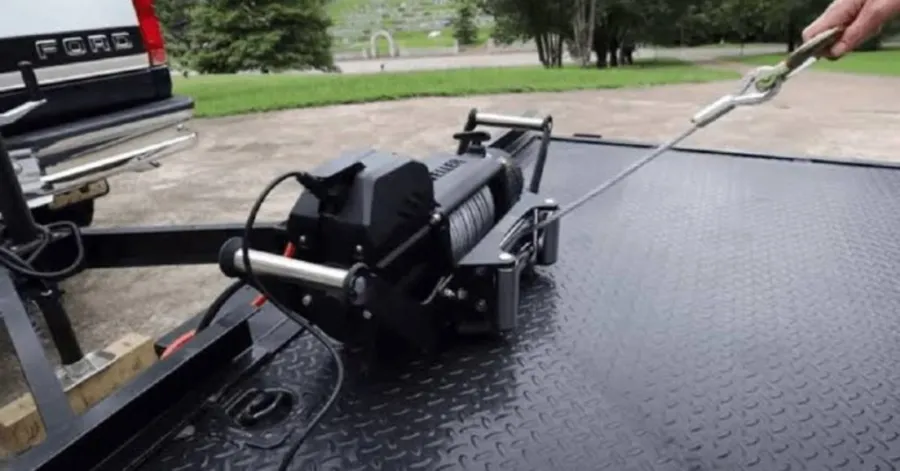
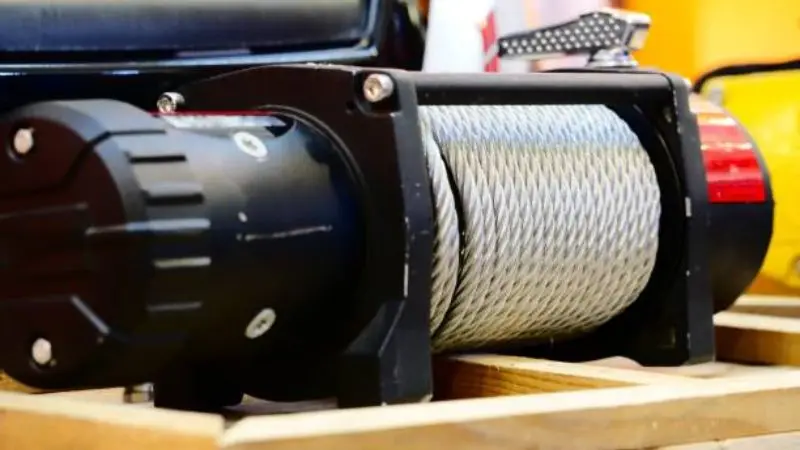
Electric trailer winches are simple to operate. You attach them to your car battery. You press a button, and it starts tugging. They are good for most automobile trailers. No extra tools or hard setup required. They are recommended winch size for hauling vehicles and suitable for fast jobs and normal loads. Most models include a remote control. You may run the winch remotely. Some electric trailer winches turn themselves off. This protects your equipment and prevents overload.
Advantages of Hydraulic Winches
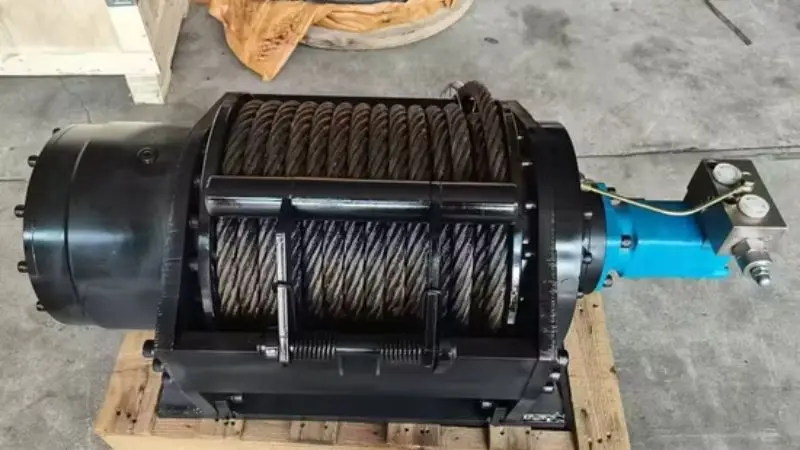
Hydraulic Winches Use Fluid Power: You hook them up to your car’s hydraulic system. They draw a very constant pull on heavy loads. They can be used extensively without getting hot. They work a long time without pausing. Hydraulic winch size calculator for vehicle trailers are more robust in harsh environments. You’ll see them on commercial trailers. You’ll see them on big equipment transporters. Hydraulic winches require particular setup and attention. • Check the hydraulic system frequently.
| Feature | Electric Trailer Winches | Hydraulic Winches |
| Installation | Simple | Complex |
| Portability | High | Low |
| Continuous Use | Moderate | Excellent |
| Maintenance | Low | High |
Which Option Is Best for Most Car Trailer Owners?
An electric winch for car trailer weight guide is the best choice for most car trailer owners. They are easy to install and operate. You can do typical work and some big loads. Hydraulic winches are the finest option for commercial operations or large jobs. Think about your needs and your budget. Electric trailer winches include many features found in vehicle trailer winches. They load safely and easily. You can count on them for everyday use.
Steel Cable vs Synthetic Rope: Which Is Better for a Car Trailer Winch?
Pros and Cons of Steel Cable
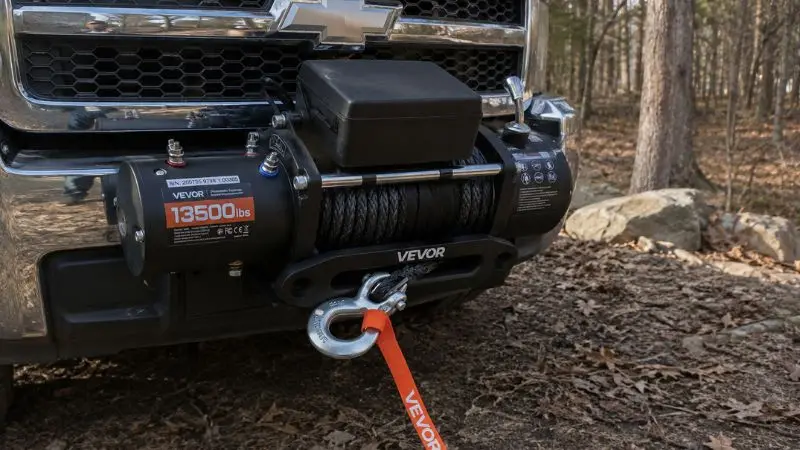
Steel cable has long been the norm for winches. You will realize it is sturdy and dependable. Steel cable supports heavy loads and is resistant to abrasion from rocks or sharp edges. If you operate your winch in tough conditions, steel cable can last a long time.
Pros of Steel Cable:
- High strength for heavy vehicles
- Good resistance to heat and abrasion
- Lower cost than synthetic rope
Cons of Steel Cable:
- Heavy and hard to handle
- Can develop sharp burrs that cut your hands
- Rusts if you do not keep it dry
- Stores more energy, which can snap back dangerously if it breaks
Benefits of Synthetic Winch Rope
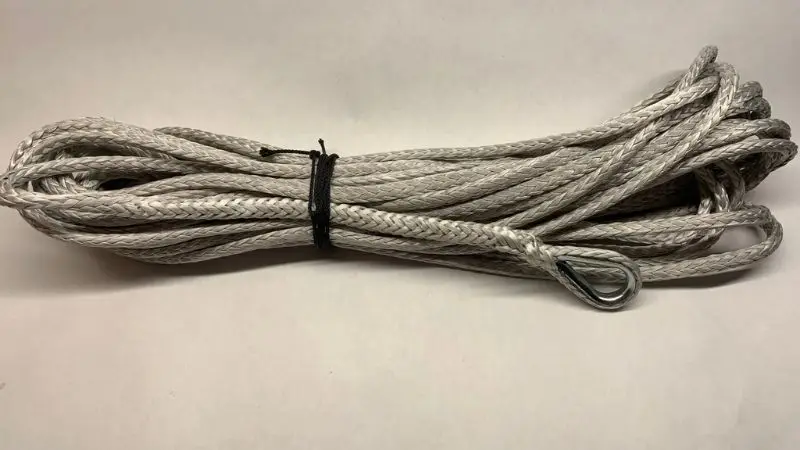
Synthetic winch rope is a more modern choice. It will be lighter and easier for you to utilize. It is a synthetic rope that floats on water and won’t rust. You can tie knots in it for fast fixes. Many individuals opt for a synthetic rope because it is safe and easy to handle.
Benefits of Synthetic Rope:
- Lightweight and easy to pull or coil
- No sharp burrs, safer for your hands
- Does not rust or corrode
- Safer if it breaks, with less snapback
Which One Offers Better Safety and Durability?
You want the best winch capacity for loading a car trailer and the most durable alternative for your car trailer winch. Synthetic rope is safer; it does not store as much energy as steel cable. If it snaps, it falls to the ground and doesn’t snap back into place. Steel cable is more resilient in tough, rocky situations, but needs more maintenance to keep rust and sharp edges at bay.
| Feature | Steel Cable | Synthetic Rope |
| Safety | Lower | Higher |
| Durability | Higher (in rough use) | Good (with care) |
| Weight | Heavy | Light |
| Maintenance | Needs oil, rust checks | Easy, keep clean |
Factors That Affect the Winch Size You Need
Vehicle Weight Distribution
Always check how your car’s weight is distributed throughout its frame. How to choose the right winch size for a car trailer? When you’ve got most of the weight in the front, your winch has to work harder to pull. Uneven weight might make loading more challenging. In such cases, a winch with a larger capacity can be used. Always have your heaviest end going up the ramp first.
Loading Disabled or Non-Running Vehicles
If you often load immobile autos, you’ll need a more powerful winch size calculator for vehicle trailers. Resistance is higher in non-running vehicles. Even worse are flat tires, locked brakes, or missing wheels. In these instances, you must choose a winch with a higher grade.
- Add 50% to your vehicle’s weight if it cannot roll.
- Use ramps with a gentle slope to reduce strain.
Incline and Ramp Length
The angle and length of your trailer ramp will affect how much force your winch needs to exert. Steeper ramps need greater pulling strength. The longer ramps distribute the load, making it easier to pull.
| Ramp Angle | Effect on Winch Size |
| Gentle (<10°) | Standard winch size |
| Moderate (10–20°) | Add 10% capacity |
| Steep (>20°) | Add 20% capacity |
Frequency of Use
If you’re a regular winch user, you’ll want to get one built for consistent, hard labor. Small winches will get tired out fast with heavy use. Buy an electric winch for car trailer weight guide with a stronger motor and a higher duty cycle. This adds to the durability and reliability of your winch.
Weather and Terrain Conditions
Wet, muddy, or slippery conditions make loading tougher. Extra resistance for your winch to overcome. Rough terrain might also add to the load. If you work in harsh weather or off-road regions, you should get a winch with greater capacity.
Conclusion
What size winch for car trailer? A few basic steps are all it takes to determine the winch that best suits your requirements. Before you can use the 1.5x rule, you need to know your vehicle’s weight. When building your ramp, always allow for a safety buffer, and bear in mind the angle of the ramp. Make sure you are buying a winch brand you can depend on. Check your winch before you start working. Make sure it is in good condition and check the directions. Should you still be unsure which size car trailer winch you need, please review the manufacturer’s instructions.
FAQ
How do you know if your winch is strong enough?
Check your vehicle’s weight. Multiply it by 1.5. Your winch should meet or exceed this number. Always add extra capacity for safety. If your winch struggles or overheats, you may need a stronger one.
Can you use a winch with a higher capacity than needed?
Yes, you can use a winch with a higher rating. This provides greater safety and longer winch life. You avoid overloading the winch. Just make sure your trailer can handle the extra force.
What happens if you use a winch that is too small?
A small winch may overheat or break. You risk damaging your trailer or vehicle. Loading becomes unsafe. Always choose a winch with enough capacity for your heaviest load.