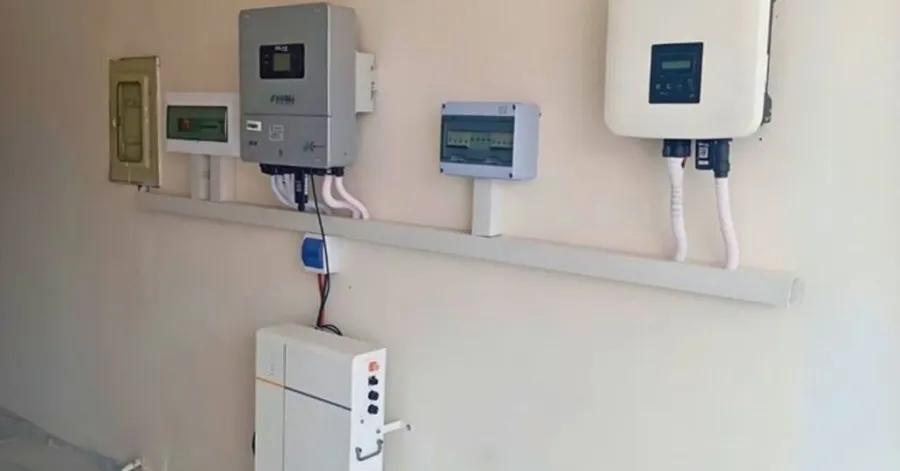
Perhaps you will be confused when asking yourself the question, “What size power inverter do I need?” When it comes to your devices or home, the answer will be very clear even though you have never used a home power inverter before. It is important to follow some simple steps that will allow you to use your energy safely and efficiently. If you choose the right size according to your power inverter requirements, then your appliances will be safe and you will not make any mistake.
What Size Power Inverter Do I Need?
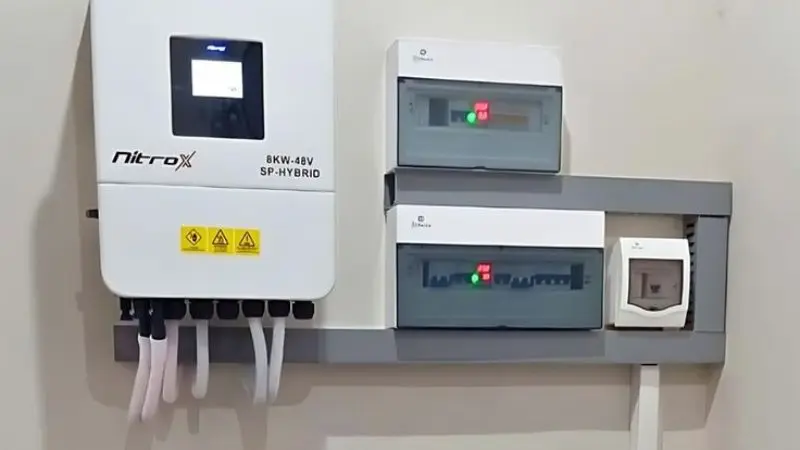
Calculate the Total Wattage of Your Devices
First, you should determine the wattage of each appliance. You can see the wattage value on the label of each appliance. Record the wattage values of each appliance. Then, sum up these wattage values. This way, you will calculate the total wattage load. How many watts does an inverter need to power a laptop and a phone? If you want to use a lamp, a fan, and a laptop, you should sum up their wattages.
Check Starting Watts vs Running Watts
Some devices need more power to start up. For example, a refrigerator or a power tool draws more starting current. This is called surge or peak wattage. Running wattage is the power needed to keep working. Always check both numbers for your devices. Use the higher starting wattage in your total wattage load. This makes sure your power inverter can handle energy spikes. It is helpful if you want to know what size inverter I need for power tools.
Add Extra Capacity for Safety
Do not use your power inverter at full capacity all the time. Add extra capacity to your total wattage load for safety. A good rule is to add 20% to your total wattage. This helps your inverter last longer and keeps your devices safe. For example, if your total load is 1000 watts, choose an inverter rated at least 1200 watts. This extra space covers any surprise wattage needs.
Simple Formula to Determine Inverter Size
You can use a simple formula to answer the question, “What size power inverter do I need?” This formula includes your wattage needs and extra capacity. If your total wattage load is 800 watts, multiply by 1.2. You need a power inverter with at least 960 watts. This method helps you choose the right size inverter for your energy needs.
Power Inverter Size Chart
Choosing the right inverter size depends on what you want to use it for. Look at this chart to help you find the right inverter. This helps you use your energy well and keeps your devices safe.
Inverter Size for Small Electronics
A small inverter works for things like phones, tablets, cameras, or LED lights. These items do not need much energy. Most small electronics require an inverter rated at 150 to 300 watts.
| Device | Typical Wattage | Recommended Inverter Size |
| Smartphone | 5-10 W | 150 W |
| Laptop | 40-70 W | 200 W |
| Camera Charger | 10-20 W | 150 W |
| LED Light | 5-15 W | 150 W |
Inverter Size for Household Appliances
What size inverter do I need for a refrigerator? You need a bigger inverter for household appliances. These things use more energy. For example, a microwave, coffee maker, or refrigerator may require 1,000 to 2,000 watts. Always add extra power for safety.
- Microwave: 1000-1500 W (use 2000 W inverter)
- Refrigerator: 600-800 W (use 1200 W inverter)
- Coffee Maker: 800-1200 W (use 1500 W inverter)
Inverter Size for RVs and Campers
What size inverter do I need for an RV? When you travel in an RV or camper, you often use many things at once. You might need to power lights, a TV, a small fridge, and chargers. Most RV owners choose an inverter between 2,000 and 3,000 watts. This size gives you enough power for daily use and some extra for comfort.
Inverter Size for Off-Grid Solar Systems
If you live off-grid or use solar panels, you must plan your energy use. Off-grid systems often power many things, like lights, pumps, and some household appliances. Most off-grid homes use an inverter between 3000 and 5000 watts. This size supports your energy needs and helps you live well without grid power.
How to Calculate Your Power Requirements
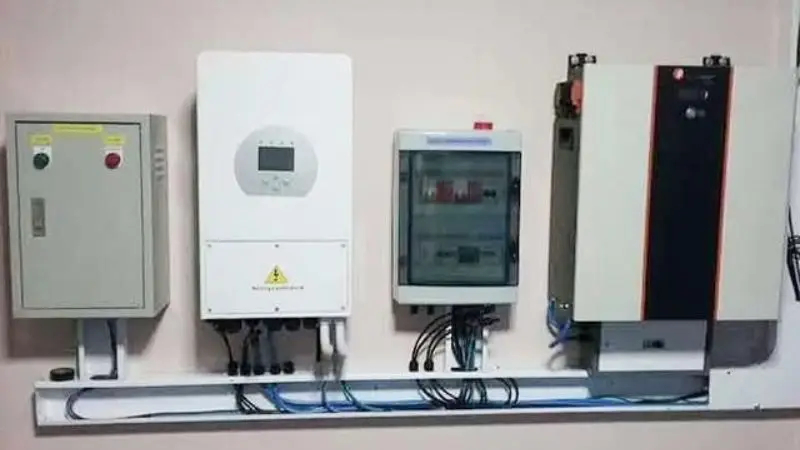
Make a List of Devices You Will Use
Start by writing down every device you want to power with your inverter. Think about your daily routine. List each item you plan to use, such as a phone, laptop, fan, or microwave. This step helps you see your total load. You need to know all the devices before you can measure your energy needs.
Find the Wattage Rating of Each Device
Look at the label on each device. You will find the wattage number there. If you cannot find it, check the user manual or search online. Write down the wattage for each device next to its name. This number shows how much energy the device uses when running. You need this information to calculate your total power consumption.
| Device | Wattage (W) |
| Laptop | 60 |
| Fan | 50 |
| Microwave | 1000 |
| Phone | 10 |
Add Up the Total Power Consumption
Add the wattage numbers for all your devices. This gives you the total power consumption. If you use some devices at the same time, add their wattage together. This total shows your maximum load. You must know your total power consumption to pick the right inverter.
Choose an Inverter With Enough Capacity
Now you know your total load and total power consumption. Pick an inverter that can handle more than your maximum load. Always choose an inverter with extra capacity. This keeps your devices safe and helps your inverter last longer. Check the inverter’s rating and make sure it matches your power requirements.
Conclusion
Conclusion
The selection of the appropriate home power inverter is quite straightforward and follows several simple steps:
- Write down all devices that need power;
- Determine the wattage of each one;
- Add the wattages and determine the total load;
- Select the inverter with sufficient power output.
Keep track of your needs and add the power needed for additional devices. This way, you can protect your devices and enjoy a stable power supply.
FAQ
What will happen if I use an inverter that is too small?
Your inverter will overload and turn off. The devices won’t even start, or they might break. Choose an inverter with sufficient capacity to meet your needs.
Can I power several devices simultaneously?
Of course, you can do it. Calculate the total wattage of all devices and choose an inverter with sufficient capacity to power them.
What type of inverter should I use? Pure sine wave or modified?
You’d better use a pure sine-wave inverter for delicate electronic devices, medical equipment, or appliances with electric motors. A modified sine wave inverter is for simple devices such as lighting or a charger.