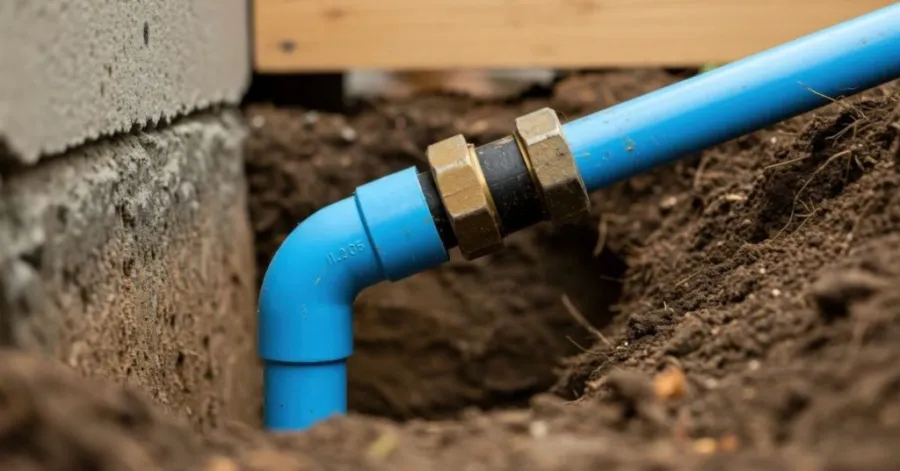
You’ll often see PEX pipes in modern plumbing systems, but what are PEX pipes, and what makes them so popular? PEX, short for cross-linked polyethylene, is a strong yet flexible material used for water lines. It doesn’t rust like copper or steel, and it bends easily without breaking. Because PEX requires fewer fittings, installation is faster and simpler. It works perfectly in tight spaces and offers long-lasting performance with little maintenance. Many homeowners and plumbers choose PEX for its durability, affordability, and ease of use—making it one of the best choices for today’s plumbing projects.
What Are PEX Pipes?
Have you ever wondered why plumbers often choose PEX pipes for home plumbing? These pipes are made from cross-linked polyethylene, a strong and flexible material that makes water lines both reliable and easy to install. People use flexible PEX pipes for home plumbing because they can bend around corners without breaking and require fewer fittings. They’re a popular choice for new water systems since they save both time and labor during installation.
Understanding PEX Material
The strength of PEX pipes comes from the way they’re made. Manufacturers use a special process to link polyethylene molecules, giving the pipe both durability and flexibility. You can bend PEX easily without worrying about cracks or leaks. It also resists rust, corrosion, and chemical damage—perfect for both hot and cold water lines. Water flows smoothly inside these pipes, reducing noise and keeping your system efficient. That’s one reason PEX pipes are used for plumbing in many modern homes today.
PEX vs. Other Plumbing Pipes
When comparing PEX pipes to copper or steel, the differences become clear. PEX is light, flexible, and quick to install. It bends around tight corners, so you don’t need as many connectors. That means less time and fewer materials are required during setup. In contrast, copper and steel pipes are more rigid, need extra joints, and take longer to fit. PEX also resists rusting—something steel pipes can’t avoid—and it costs much less overall.
If you’re thinking about upgrading your plumbing, understanding the advantages and disadvantages of PEX pipes helps you make the right choice. While they shouldn’t be used in direct sunlight, they’re perfect for indoor systems that need long-lasting, efficient water flow.
Key Features of PEX Pipes
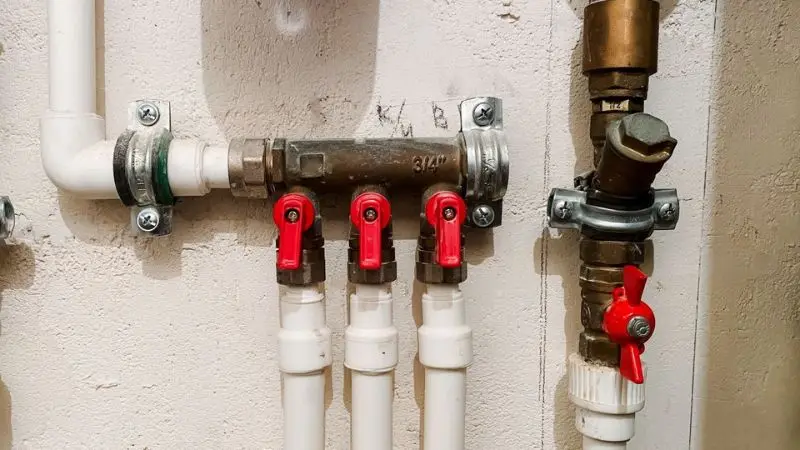
Before choosing the right plumbing system, it helps to know what makes PEX stand out. These pipes are known for being flexible, durable, and simple to work with. Whether you’re building a new home or upgrading an old one, flexible PEX pipes for home plumbing can save you both time and money. Let’s take a closer look at the main advantages and disadvantages of PEX pipes so you can make an informed decision.
Advantages of Using PEX Pipes
PEX pipes offer many practical benefits for both homeowners and plumbers. Their flexibility lets you bend them around corners and obstacles without using many fittings, reducing the chance of leaks. You can install long sections without cutting or joining multiple pieces. PEX is tough, resists cracks, and works for both hot and cold water. It doesn’t rust or corrode, making it last much longer than metal pipes. Plus, you can install it quickly using basic tools—no glue or heat required. Overall, PEX makes plumbing jobs faster, cleaner, and more reliable.
Disadvantages of PEX Pipes
While PEX pipes are a great option, they do have a few limits. One of the main drawbacks is that they can’t be used outdoors for long periods because sunlight damages the material. You should always install them indoors or in protected spaces. Some people also raise concerns about chemicals leaching into water, so it’s best to use PEX only where it meets safety standards. Additionally, connecting PEX to old metal pipes may need special fittings and tools. Understanding the advantages and disadvantages of PEX pipes helps you choose the right type for your project.
Different Types of PEX Pipes

When exploring what PEX pipes are used for in plumbing, you’ll notice they come in three main types: PEX-A, PEX-B, and PEX-C. Each type has its own level of flexibility, strength, and cost, so choosing the right one depends on your specific plumbing needs. Understanding how each type performs will help you decide which PEX is best for your home.
PEX-A: The Most Flexible Option
PEX-A is known for its excellent flexibility and strength. You can bend it easily around corners and tight areas, which makes it perfect for home plumbing repairs and remodelling projects. Because it can expand and contract without cracking, it works well in both hot and cold water systems. PEX-A also uses expansion fittings, which simplify the installation process. If you want flexible PEX pipes for home plumbing, PEX-A is the top choice for easy bends and smooth installation.
PEX-B: The Strong and Reliable Choice
PEX-B is slightly less flexible than PEX-A but stronger overall. It resists cracks and holds up well under high water pressure, making it ideal for new home construction or long water lines. You typically connect PEX-B using crimp rings, which are quick and secure. It’s also more affordable than PEX-A while still offering long-lasting performance. Many plumbers prefer PEX-B because it balances strength, cost, and ease of use—making it a reliable choice for how to install PEX pipes in new plumbing systems.
PEX-C: The Budget-Friendly Option
PEX-C is the least flexible of the three types, but still works well for smaller plumbing projects. It’s often used for short pipe runs or quick repairs where bends aren’t needed. This type is produced through a different manufacturing process, which makes it less costly but slightly stiffer. Although it’s not ideal for complex installations, PEX-C is a practical option for simple fixes or temporary solutions. If you’re on a budget and need an easy-to-handle pipe, PEX-C can still get the job done efficiently.
Common Uses of PEX Pipes
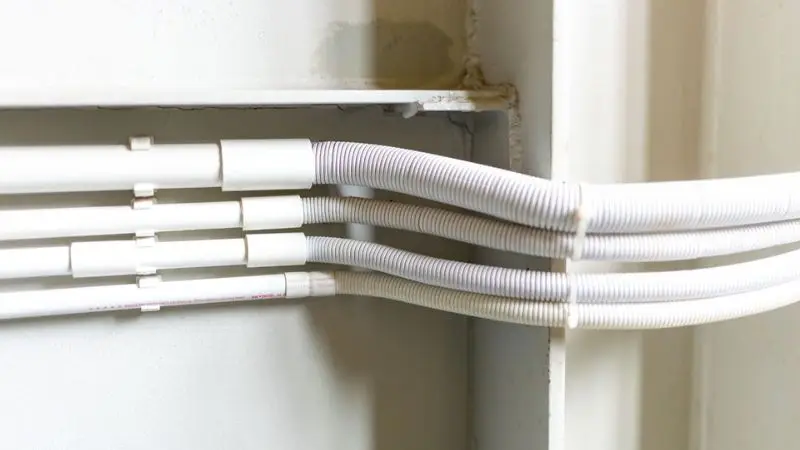
When thinking about what PEX pipes are used for in plumbing, it’s easy to see why they’ve become so popular in modern homes. Their flexibility, strength, and simple installation make them suitable for a wide range of applications. Whether you’re updating old plumbing or starting fresh with a new build, flexible PEX pipes for home plumbing are reliable, cost-effective, and easy to handle.
PEX Pipes for Residential Plumbing
PEX pipes are widely used in residential plumbing systems for both hot and cold water lines. They bend easily around corners and fit neatly into tight spaces, which reduces the need for multiple joints and fittings. Fewer connections mean fewer chances for leaks and faster installation overall.
You can also run long stretches of pipe without cutting, saving time and effort. PEX is ideal for new homes, remodeling projects, or replacing old copper and steel pipes. Once installed, it requires very little maintenance, making it a practical choice for homeowners who want long-lasting performance.
PEX Pipes for Heating Systems
PEX pipes are also used in home heating systems because they handle warm water efficiently and safely. One of the most common uses is radiant floor heating, where the pipes are laid beneath the floor. Warm water flows through the lines, evenly heating the room and adding comfort underfoot. PEX is also great for baseboard heating, as it resists rust and corrosion, helping your system last longer. It keeps heat inside the pipe, improving energy efficiency. Before installing, it’s best to check local codes and follow approved methods to ensure safe, reliable operation.
If you’re considering how to install PEX pipes for heating or plumbing, you’ll find the process straightforward and beginner-friendly, making PEX a top pick for modern residential systems.
How to Install PEX Pipes
If you’re learning how to install PEX pipes, you’ll be glad to know the process is simple and beginner-friendly. PEX is known for being easy to handle and flexible, which makes it ideal for both small repairs and full plumbing projects. With just a few basic tools and fittings, you can complete installations quickly and safely. Let’s look at the common methods and tools used for PEX installation.
Installation Methods for PEX Pipes
There are two main ways to install PEX: crimping and expansion. Crimping involves sliding a metal ring over the pipe, inserting the fitting, and tightening it with a crimp tool. This creates a secure, watertight seal. The expansion method works differently — an expansion tool stretches the end of the pipe before inserting the fitting. Once released, the pipe naturally shrinks back around the fitting to form a tight bond.
Both methods are fast and clean since you don’t need glue, solder, or heat. The flexible PEX pipes for home plumbing easily curve around corners and through walls, reducing the number of joints and leak points. Whether you’re running hot or cold water lines, PEX lets you complete your plumbing with fewer materials and lower labor costs.
Tools and Fittings for PEX Installation
Installing PEX doesn’t require complicated equipment — just a few key tools. You’ll need a pipe cutter to make smooth, even cuts, a crimp tool for tightening rings, and an expansion tool for fittings that use the expansion method. PEX fittings come in different shapes, such as elbows, tees, and couplings, to help direct or connect the pipes as needed.
Always make sure your fittings match the pipe’s diameter for a secure fit. Once connected, PEX pipes stay strong and leak-free with minimal maintenance. Because of their flexibility and simplicity, PEX pipes are used for plumbing in many modern homes, offering a dependable solution that saves both time and effort.
Wrap Up
PEX pipes have changed the way we handle home plumbing. They’re strong, flexible, and simple to install, making them perfect for both new projects and repairs. You can use them for water lines, heating systems, or even full home upgrades.
With fewer joints and less risk of leaks, they offer long-lasting results and save time on labor. Whether you’re learning how to install PEX pipes or exploring the advantages and disadvantages of PEX pipes, you’ll find they’re a smart, cost-effective choice. For anyone wondering what are PEX pipes and what they are used for in plumbing, the answer is simple—almost everything.
FAQ
Can you use PEX pipes for both hot and cold water?
Yes, you can use PEX pipes for hot and cold water lines. The material handles high temperatures and does not crack easily. You get safe water flow in your home. Always check the label for temperature ratings before you install.
Do PEX pipes need special tools for installation?
You need a pipe cutter and either a crimp or expansion tool. These tools help you join pipes and fittings quickly. You do not need glue or heat.
- Pipe cutter
- Crimp tool
- Expansion tool
Are PEX pipes safe for drinking water?
PEX pipes meet safety standards for drinking water in most areas. You should check local codes before you install. Some places have extra rules for water safety. Always use certified PEX for the water you drink.
How long do PEX pipes last?
You can expect PEX pipes to last over 40 years. The material resists rust and cracking. You get low maintenance and fewer repairs over time. PEX pipes give you a long-lasting plumbing solution.