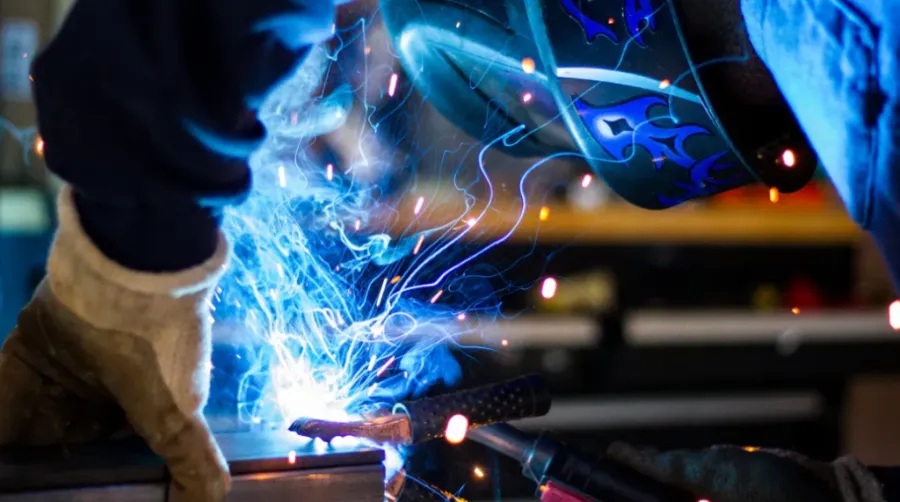
Welding for beginners is one of the most profitable and popular skills to have. It can help you build a career, make money and even do your own repairs and fixes without paying a dollar. But if you’re just starting out, it can seem quite daunting.
So in this article, we’re going to explore everything you need to know about welding for beginners. From the types of welding to safety precautions and more, keep reading:
What Is Welding for beginners?
Welding joins two pieces of metal together using heat, pressure, or both. You melt the edges of the metal using a welding kit for beginners so they fuse and become one strong piece. This skill is everywhere. You see it in cars, bridges, bikes, and even art.
Welding has a long history. The first metal electrode arc welding patent came out in 1890. Over the years, inventors created new ways to weld. By the 1940s, gas metal arc welding (GMAW) changed the game with faster, cleaner welds. Today, you find advanced methods like robotic welding and even virtual reality training.
What are the different types of welding?
When you start learning about welding for beginners, you will see there are a few main ways to join metal. Each method has its own strengths and challenges. Let’s break down the most common welding techniques so you can pick the best one for your first project.
1. MIG Welding
If you want a simple and fast way to weld, try mig welding for beginners. Many people call it the easiest method for welding for beginners. You use a machine that feeds a wire and gas at the same time. This makes the process smooth and quick. Here’s why so many new welders choose mig welding:
- mig welding equipment is easy to find in stores and online.
- You only need to attach the ground clamp, set the voltage, pick your gas, and load the wire.
- Many machines have controls that adjust the settings for you.
- You can practice and get better with just a few tries.
Note: Mig welding kit is the most popular process for beginners. It uses a wire and shielding gas to make strong, clean welds fast.
2. Stick Welding
Stick welding is another great choice, especially if you want something affordable. You use a stick-shaped electrode covered in flux. This method works well outside or in windy places because it does not need extra gas. Here are some things to know about stick welding:
- You can use it almost anywhere, even outdoors.
- The equipment costs less than other types.
- You will see more sparks and need to clean up slag after each weld.
Stick welding is common in construction and repairs. It takes a bit more practice to get smooth welds, but you can fix many things with it.
3. Tig Welding
You might hear about tig weldings. These are also important welding technique. It gives you the most control. You use a tungsten tip and add filler metal by hand. This method makes very neat welds, but it is slower and needs more skill.
4. Flux-cored arc welding
It is like mig welding but uses a special wire with flux inside. You do not need a gas tank, so it works well outside. It does make more spatter, so you will need to clean up after.
Essential Gear For Welding
When you start welding for beginners, you need the right gear. Good equipment keeps you safe and helps you learn faster. Let’s look at what you need before you strike your first arc.
Safety Equipment
Safety comes first in welding for beginners. You face risks like sparks, fumes, and electric shock. The right gear protects you every time you weld.
Here’s a checklist of what you need:
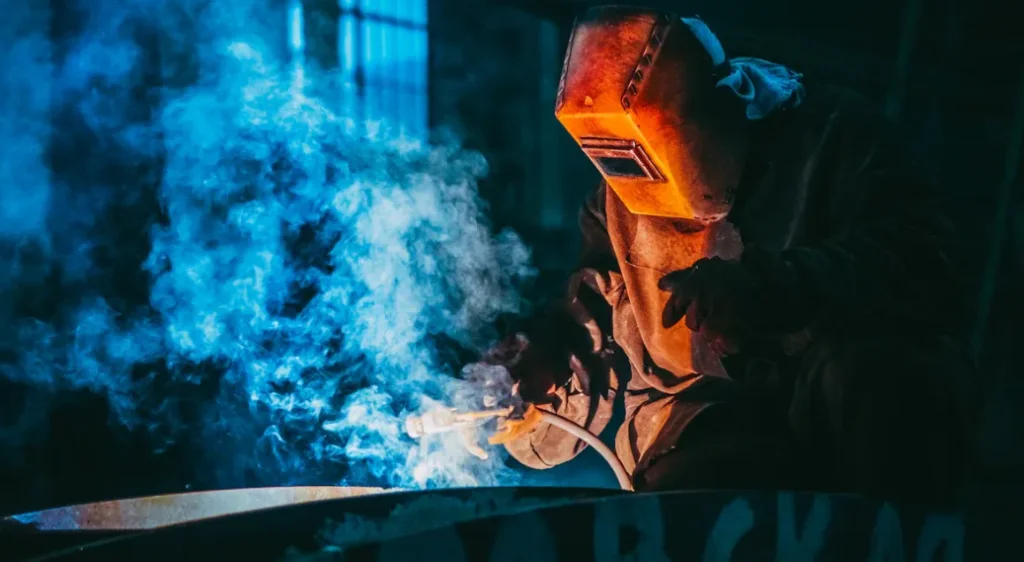
- Welding helmet with the right shade lens. This keeps your eyes safe from bright light and flying sparks.
- Flame-resistant clothing. Wear long sleeves and pants made from cotton or leather.
- Leather gloves and apron. These protect your hands and body from heat and sparks.
- Steel-toed boots. Your feet stay safe if something heavy drops.
- Respirator or mask. This keeps you from breathing in harmful fumes.
- Ear protection. Welding can get loud, so protect your hearing.
- Fire extinguisher nearby. Always be ready for emergencies.
OSHA sets rules for all this gear. They want you to stay safe and healthy. Studies show that welders who use proper PPE have fewer injuries. Training helps you use your gear the right way.
Tip: Always check your safety gear before you start. A quick look can prevent big problems.
Basic Tools
You don’t need fancy tools to start welding for beginners. Simple, reliable tools work best. Here’s what you should have:
- Welding machine. Pick one that’s easy to set up. Many beginners like MIG welders because they are simple and safe.
- Ground clamp. This keeps your work safe and steady.
- Welding wire or rods. Choose the right type for your machine.
- Wire brush or chipping hammer. Clean your welds for better results.
- Measuring tape and marker. Mark your cuts and welds clearly.
- Clamps. Hold your metal pieces tight while you work.
Consumer reviews say that beginner welders like machines that are easy to use and set up. Brands like Vevor offer budget-friendly options for hobbyists. You want tools that balance power, safety, and price. Data from welding dashboards also helps you track your progress and spot problems early.
Note: Keep your tools clean and check them often. Good tools make welding for beginners safer and more fun.
Workspace & Materials
Safe Setup
Getting your space ready is the first step in welding for beginners. You want a spot that keeps you safe and helps you focus. Here’s how you can set up your home welding area:
- Pick a flat, clean surface. Keep your table or bench away from anything that can catch fire.
- Check your power. Most small welders use 120V outlets, but bigger jobs need 240V. If you’re not sure, ask an electrician.
- Keep gas cylinders upright and secure. Store them away from sparks and heat.
- Ventilate your space. Open windows or use a fan to move fumes away from your face. The American Welding Society says local exhaust ventilation is best.
- Wear your safety gear. Always use a helmet, gloves, and flame-resistant clothes.
- Manage cables and hoses. Keep them tidy so you don’t trip.
- Use a safety checklist. Double-check your gear, workspace, and tools before you start.
Tip: A clean, clutter-free area lowers your risk of accidents. OSHA says most welding injuries happen when people skip safety steps.
Material Prep
Great welds start with clean metal. In welding for beginners, prepping your material makes a big difference. Here’s what you should do:
- Clean the metal. Wipe off dirt, oil, and grease with acetone. Use a wire brush or sandpaper (80-100 grit) to remove rust and paint.
- Check for cracks. Look closely and grind out any cracks on both sides.
- Pick the right metal. Start with mild steel. It’s easy to weld and forgiving for mistakes.
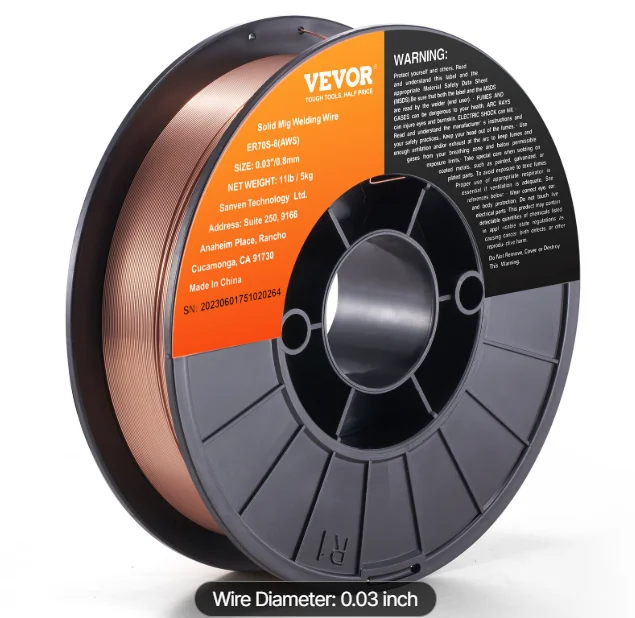
- Choose the right filler. For mild steel, use ER70S-6 wire if you’re MIG welding.
- Secure the earth clamp. Attach it to bare metal for a solid connection.
Note: Clean metal helps you avoid weak welds and ugly beads. Experts say even a little dirt can ruin your work.
Welding for beginners gets easier when you prep your workspace and materials the right way. You’ll stay safe and get better results every time.
How to Weld
When you properly prepare your workspace and materials, welding becomes easier for freshers. Every time, you’ll get better outcomes and stay safe. How to Weld Although learning to weld can seem like a big step, with the correct guidance, it is possible. From machine setup to your first weld, this section will guide you through the fundamentals. Remember these beginner welding tips.
Machine Setup
- The first thing you must do is set up your welding machine. Strong, clean welds are made easier with a proper setup. Here is a straightforward, step-by-step tutorial:
- Examine your tools for damage and tidy up your workspace.
- Turn on your welding machine after plugging it in.
- Reset the device to the manufacturer’s default configuration.
- Decide on the welding parameters. To select the appropriate voltage and wire speed, consider the type and thickness of your metal.
- Attach your ground clamp to clean metal after loading the wire or electrode.
- On a scrap metal piece that corresponds to your project, perform a test weld.
- Verify your test weld. Check for good penetration and uniform beads.
- To make sure your settings are what you need, use a gauge or tape measure.
- Any adjustments you make for the future should be noted in writing.
- To prevent unintentional changes, lock your settings.
Initial Steps in Welding
- You are now prepared to attempt your first weld. Begin with a small project and practice with scrap metal. Here’s how to weld for the first time:
- Put on all of your protective gear. Put on boots, gloves, a helmet, and clothing that can withstand flames.
- Make sure your metal is clean. Use sandpaper or a wire brush to remove any paint, oil, or rust.
- Attach the ground clamp to the metal that is exposed.
- Maintain a 10- to 15-degree angle with the welding gun. Keep the tip away from the metal by 1/4 to 1/2 inch.
- To move the gun in a straight line, pull the trigger. Move steadily and slowly.
- Observe the weld bead. Increase the heat if it appears excessively high. Reduce the heat or slow down if it is too flat.
- Take a moment to inspect your weld. A well-done weld appears smooth and even. Poor welds appear sloppy or have holes or cracks.
- Try practicing in various positions. To improve your skills, try flat, horizontal, and vertical welds..
FAQ
What is the most effective method for beginners to begin welding?
Start with a small beginner’s welding kit. Try using mild steel for easy projects. Use scrap metal to practice. Prioritize safety. If you can, take a class or watch videos. Practical experience will help you learn more quickly.
How can I determine whether my weld is sufficiently strong?
Verify the evenness and smoothness of your weld. A good beginner’s welding bead is shiny and free of cracks and holes. Try bending the metal. Your weld is strong if it holds. Try again after adjusting your settings if it breaks.
Can I do welding for beginners at home safely?
Yes, you can. Set up a clean, fire-safe area. Wear all your safety gear. Keep flammable items away. Use good ventilation. Always have a fire extinguisher nearby. Follow these steps, and you will stay safe while learning welding for beginners.
Conclusion
By practicing frequently, you will improve your welding skills as a beginner. Try easy projects like constructing a small frame or joining two pieces of steel. Make the next weld better by applying the lessons you’ve learned from the previous ones. Observe the formation of the bead and pay attention to variations in the arc’s sound. You can modify your technique by using these hints.
And of course since you are going to need professional equipment, VEVOR has your back! Check out our Portable Handheld Welding Machine or browse through our collection and shop away your needs!