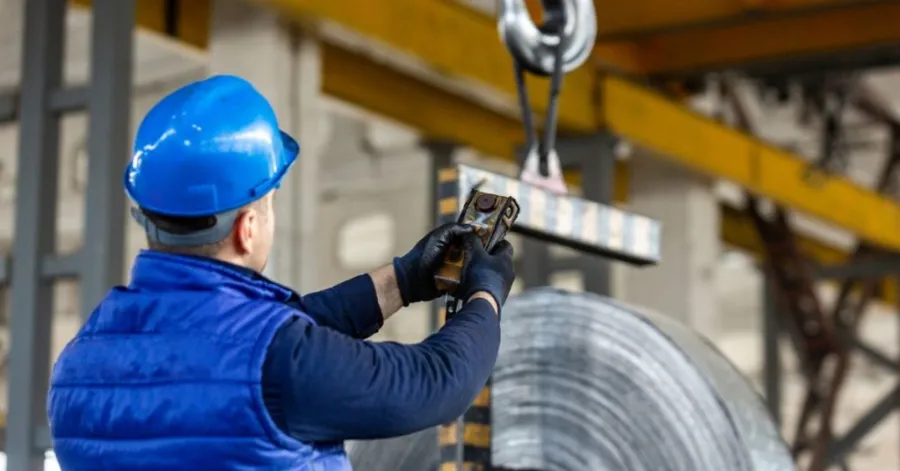
When you work in a warehouse, you see many kinds of warehouse lifting equipment every day. These are used to lift heavy objects and are called warehouse lifting equipment. Its lifting capacity is sufficient to lift engines, tools, or other items. It enables you to complete your economic teamwork faster, saves you money, and makes your customers happy. These machines reduce manual labour, improve worker safety, and speed up warehouse tasks. It is designed for varying load capacities, lift heights, and operating conditions. It offers adaptable material handling support. Picking the right tool keeps you safe and helps you finish faster.
Overview of Warehouse Lifting Tools, Uses, and Safe Selection

Most machines and tools are located in a warehouse. These assist in moving, lifting, or piling heavy objects. They help make your job safer and faster. The warehouse’s electric Lifting equipment includes forklifts, pallet jacks, and hoists. All the tools have different tasks, yet they facilitate the movement of items. Lifting equipment in a warehouse comes in many types. Some machines transport goods from one point to another. Others will assist you in climbing high shelves or pulling heavy pallets.
Uses of Lifting Equipment
You could use it for outdoor and recreational purposes. These assist order pickers in accessing high-shelf items without requiring them to climb. These tools will enable you to work more quickly and help your team complete the project on time. It was used to move stones, outdoor furniture, or fencing. It is used for lifting in home garages or workshops, as well as in lighter industrial or construction applications.
The following are some of the key tasks that lifting equipment performs in material handling:
- Relocate products quickly to the correct location in the warehouse.
- Move heavy products in and out to save time and energy.
- Fewer incidents of manhandling to ensure safety and health.
- Raising items to safe places
Lifting Tools: Safety of Choice
There are many shapes and sizes of lifting equipment used in warehouses. They use transport vehicles that move goods between loading docks and storage areas. They have forklifts capable of handling heavy pallets, and pallet jacks are suitable for short-distance transport. The best Warehouse lifting equipment for heavy loads is selected for a specific task, so you can choose the option that suits your needs. You will be able to work more efficiently and reduce the risk of injury by understanding the types of lifting equipment and their functions. Choosing the appropriate tool for the task helps your warehouse operate normally.
Main Types of Warehouse Lifting Equipment and Their Uses

The electric wire rope hoist helps users in many practical ways, making their work more organised. It includes various types, such as forklifts and pallet jacks. These machines are used to move loads from one place to another. An electric hoist with remote control can be classified as either an electric chain hoist or a wire rope hoist. It’s also perfect for vertical lifting and makes the tasks quick and precise. Its main types help prevent misuse and ensure it is used for its intended purpose, avoiding damage.
Forklifts and Their Types of Use in a Warehouse
Forklifts are in almost every warehouse. They lift, move, and stack heavy things. They help move pallets and boxes fast. They are widely used in warehouses. New forklifts are equipped with seat belts and alarms for safety. You can pick electric, diesel, or gas forklifts. It’s designed for specific tasks such as reaching high shelves, handling long materials, or navigating uneven surfaces. It improves warehouse efficiency by identifying the appropriate forklift type for each task. It also has weight limits and height restrictions.
Pallet Jacks and Their Types
Pallet jacks are simple tools used to move pallets or loads from one location to another. It works hand in hand with lifting and positioning heavy loads by reducing physical effort. You use pallet jacks in small spaces and for quick jobs. The types of warehouse lifting equipment prevent workplace accidents. They are suitable for stores, factories, and warehouses. Pallet jacks help you move heavy things safely and fast.
Here are some types of pallet jacks:
- Manual pallet jacks require you to push or pull.
- Electric pallet jacks use a motor to help you.
- Electric ones can lift more and are easier on your body.
Scissor Lifts and Their Common Uses in the Warehouse
Scissor lifts help workers and goods reach high shelves. They give a safe place to stand for checking or fixing things. Scissor lifts can reach heights of 10 feet to over 70 feet. The weight they hold varies by model. You use scissor lifts to inspect stock and perform repairs. They help you reach high places safely. Guardrails and non-slip floors keep you safe.
There are the following uses of scissor lifts:
- Stacking Inventory: Put goods on high shelves safely
- Assembly and Packing: Raise boxes or materials to a comfortable height.
- Order Picking: Reach items on top shelves without risk of injury.
- Moving Heavy Items: Transport heavy items safely over short distances.
Conveyor Systems and Their Uses
Conveyor systems are devices that move material from one location to another. You can find gravity, belt, and roller conveyors in warehouses. These systems make moving things faster and easier. It helps sort and move products, and some have sensors to track items. Electric lifting equipment for warehouses makes work quicker and more accurate. It is helpful in warehouses, factories, and industrial settings. It also reduces manual labour and speeds up the handling process. It ensures that the material moves safely with minimal physical effort. It enhanced safety and adaptability for multiple applications.
Types of Hoists and Cranes Used in Warehouses
Hoists and cranes lift very heavy things. You use lever hoists, beam trolleys, and gantry cranes for big jobs. They can lift things that forklifts cannot. You use hoists and cranes to lift machines and move materials to higher levels. These warehouse lifting equipment for small businesses help load trucks safely and quickly. These hoists lift heavy items quickly and require less manual effort. They are also cost-effective for lighter loads or for areas without electricity. The overhead cranes move along tracks fixed to the warehouse ceiling. The gib cranes are fixed in place, and the entry cranes have legs that support them from the ground. These types increased productivity and versatility for different loads.
Uses of Stackers in Warehouses
Stackers lift and stack pallets, enabling you to use tall shelves for storage. They let you lift items higher, reducing heavy lifting. There are manual, electric, and rider stackers; each kind is suitable for different jobs. It is often used as an alternative to forklifts for indoor use. It can be manual, semi-electric, or fully electric, depending on the load weight. The best warehouse lifting equipment for heavy loads maximises vertical storage space. It ensures that warehouse operations remain smooth and organised. It also enables safe handling, faster workflows, and improved space management.
Lift Tables and Their Uses in Warehouse Operations
Lift tables raise goods to a good working height, making lifting safer and easier. They can hold from 500 to 20,000 pounds, based on the model. They help stop injuries by keeping work at a safe height. You use them for packing, building, and moving heavy things. These ensure the warehouse can manage diverse inventory without requiring multiple specialised tools.
These also have the following uses that are described below:
- Improving efficiency, safety, and ergonomics when handling heavy items.
- Keeping work safe and reducing fatigue.
- Move and stack heavy items safely on high shelves or racks.
- Making the hoist an essential tool for modern material handling.
How to Choose the Right Warehouse Lifting Equipment
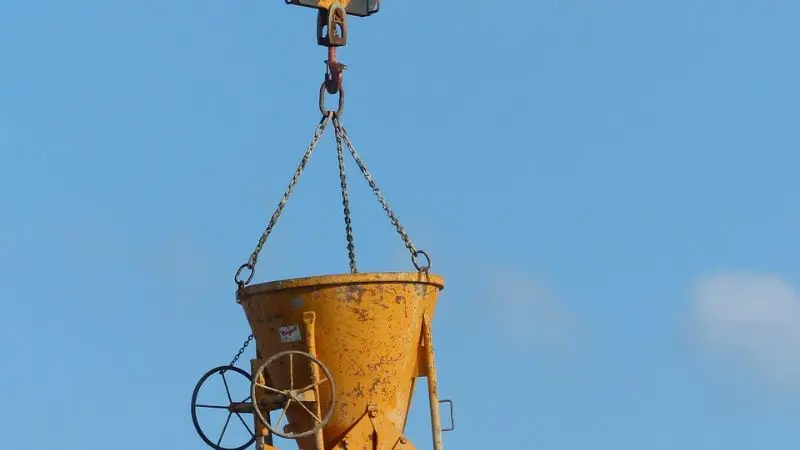
Choosing the right lifting equipment in a warehouse helps keep you safe. It also enables you to work faster. You should think about what you need to lift. You also consider how often you lift items and where you move them. Every tool has its own job. Using the right one helps you avoid accidents. It also keeps your team safe.
Choosing the Right Tool
You see many types of warehouse lifting equipment, like forklifts, pallet jacks, and cranes. These warehouse lifting equipment for small businesses tools help you move, lift, or stack goods safely and quickly. You can learn more from guides that explain equipment types and buying tips. New trends include automation, smart controls, and systems that save time and space.
To choose the best equipment, follow these steps:
- Check the weight and shape of what you lift.
- Pick manual or electric tools for your job.
- Use strong slings for heavy loads.
- Make sure your equipment meets safety standards.
- Think about long-term costs.
- Work with trusted brands.
- Inspect and maintain your gear often.
The following are some of the key considerations to make before selecting lifting equipment:
Application Requirements: Consider the tasks you have to perform, such as picking up boxes or shifting pallets.
Load Characteristics: Consider the weight, bulk, and lightness of the items. Some things can be easily broken and require care.
Ergonomics, Safety, and Compliance: Ensure the equipment includes safety features and is easy to use.
Potential of Integration and Automation: Ensure the tool integrates with other machines or robots.
Total Cost of Ownership: Look at the cost, maintenance, energy consumption, and life expectancy.
Vendor Reputation: Select brands that provide good support and service.
Safety and Efficiency
Cost, safety, and the effectiveness of each tool should also be compared. You must also always have the right tool for the job. This also ensures the equipment is user-friendly and equipped with safety features. When you regularly move heavy objects, a tool that supports the load and helps prevent injuries is recommended. By selecting the appropriate lifter, you can ensure your warehouse is safer and more efficient. Search for phone tools that are suitable and have robust safety features. Ensure they are used with robots if you plan to use them. This helps your team work more efficiently and stay safe.
Wrap Up
Using lifting equipment in the warehouse improves the safety, speed, and efficiency of handling heavy loads. They comprised Forklifts, pallet jacks, scissor lifts, hoists, stackers, and lift tables, each with a distinct purpose. Types of warehouse lifting equipment vary based on load weight, size, and the task at hand. They also have built-in safety measures, routine maintenance, and a comfortable design that is vital for accident prevention. It simplifies workflow, reduces worker fatigue, and maximises storage capacity. To conclude, the use of appropriate lifting equipment makes warehouse operations safer and more productive.
FAQs
How should lifting equipment be used in the warehouse?
It is always important to check the equipment used. Use protective clothing, including gloves and safety helmets. Instructions on each tool. Do not exceed the weight limit when lifting. You should seek assistance when you are not sure.
What about the selection of the appropriate lifting equipment in your warehouse?
You must consider what you intend to move. Seek the weight and size of your goods. Consider the heights that you have to climb. Select the equipment that suits your space and occupation.
Is it a piece of lifting equipment that can be used in all jobs?
You cannot perform all jobs with the same tool. The tools are most appropriate for particular tasks. For example, scissor lifts can assist with high shelves, whereas forklifts transport heavy pallets.
What is the frequency of inspection of lifting equipment in the warehouse?
Before using your equipment, you should check it daily. Look for damage or problems. Arrange periodic examinations with a speciality. This protects you and extends your equipment’s lifespan.
What are the errors associated with the use of lifting equipment?
Most individuals forget to check the weight limit. Some do not wear safety gear. Other people hurry and fail to obey orders. These are some of the errors that should be avoided to remain safe and safeguard your team.