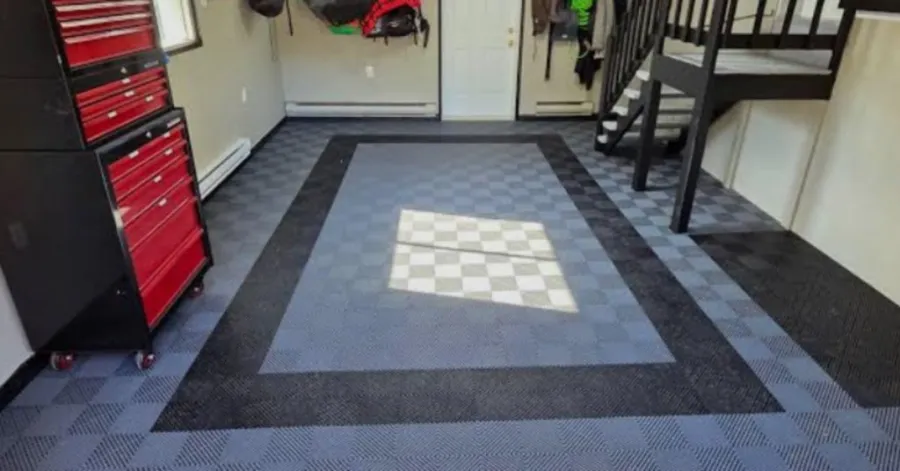
Choosing the right garage floor can enhance the look, protect the concrete, and help with daily cleaning. VEVOR garage flooring offers options such as interlocking polypropylene tiles, PVC, and floor mat tiles for various spaces and uses. The best choice, however, depends on your garage size, vehicle weight, equipment, and maintenance needs. This honest review of VEVOR garage flooring considers important product features, options, installation requirements, and practical considerations before buying. You will also learn to compare materials, explore floor coverage, and choose suitable floors for parking, workshops, storage, or at-home gyms, without missing essential product specifications.
What to Consider When Choosing Garage Flooring
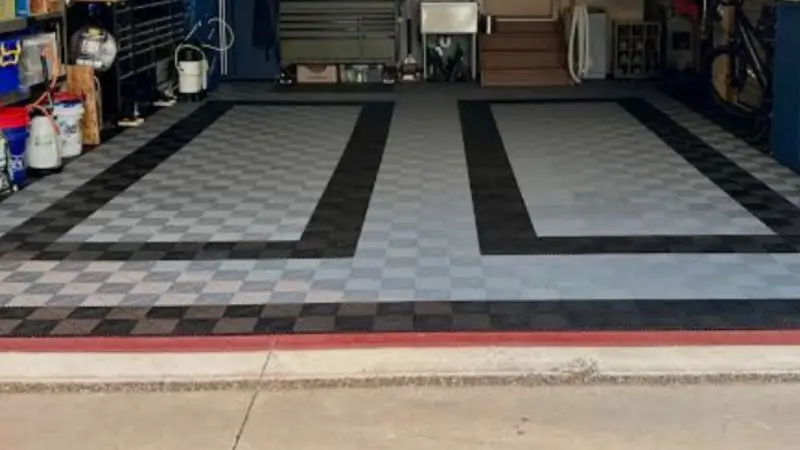
The right garage floor choice is a surface that supports daily operation, protects the concrete beneath, and helps keep it easy to maintain. Think about how you use your garage, your vehicle weight, equipment weight, and budget before investing in Vevor garage flooring. These factors will help you decide if interlocking tiles, mats, or rubber floors will be your space’s best fit.
Recommended For Your Project
Durability and Load-Bearing Capacity
Durability is important in garage flooring’s choice, since the surface has to support vehicle weight, tools, and regular foot traffic. VEVOR garage flooring options consist of interlocking tiles of PP and PVC, and the load capacity varies from model to model. When you ask whether VEVOR garage floor tiles are good, please check the specified load capacity, the material’s thickness, and the anticipated use before buying. Also think about whether the floor will support a parked car, heavy-duty workbench, or workshop equipment. In accordance with installation instructions and the manufacturer’s weight limit, damage may be avoided, and the floor’s life extended.
Slip Resistance and Surface Texture
The garage floor can become slippery when exposed to water, oil, dust, or other contaminants. Therefore, look for a surface that, under normal working conditions, provides good grip. Some VEVOR garage flooring options come with diamond-patterned textures designed to enhance traction. When considering VEVOR garage flooring, it is worth checking the surface design and manufacturer slip-resistance information instead of trusting appearance alone. Textured tiles can be useful in garages where people frequently transport tools or use vehicles. However, no surface is fully slip-proof, so clean spills quickly and follow the recommended cleaning instructions to keep the work area safe.
Ease of Installation and Maintenance
The installation process may impact the time and effort required for your garage upgrade. Many VEVOR garage flooring tile options utilize the interlocking design, making it possible to connect pieces without glue or complex installation equipment. The property may be accepted by the owners of households that choose to do DIY. Read an honest rating of VEVOR garage flooring; look at it more than just installation speed. Check whether tiles need rubber hammers, if the edges require finished pieces, and if the existing floor must be level and clean. Look for floors you can sweep out after daily use, vacuum, or easily wipe down for maintenance.
Cost, Coverage, and Long-Term Value
The total cost of garage flooring depends on the product price, the area you need to cover, and any additional materials for installation. Before you buy VEVOR garage flooring, measure the length and width of your garage in order to calculate the square footage required. Compare package coverage to your measurements and allow for additional pieces when cutting the tile around the corners or obstacles. In considering the best VEVOR garage floor for home garages, account should be taken of durability, cleaning requirements, replacement needs, and installation costs, in addition to the original price. Lower costs can be appealing at first, but the best value is choosing floors that suit your room and using them on a daily basis.
Best VEVOR Garage Floor Tiles for Home Garages
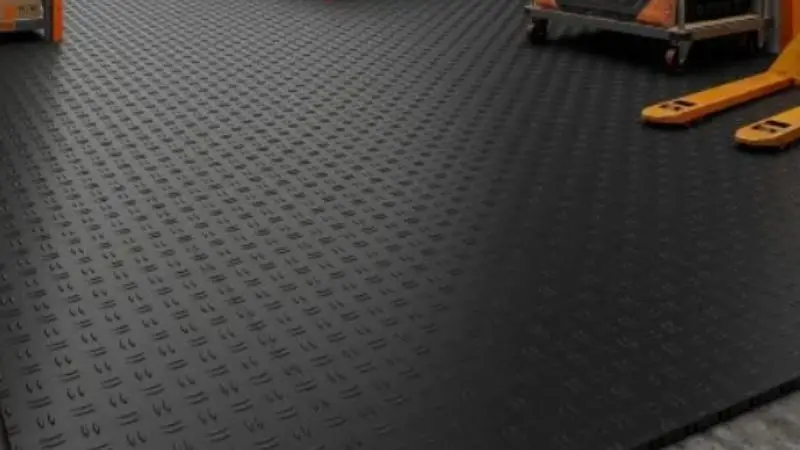
For home garages, VEVOR garage flooring 12 × 12-inch interlocking polypropylene (PP) tiles are available in different colors. The VEVOR 25-Pack Garage Floor Tiles, VV-PVCDB-HS25 (black), measures 12 × 12 inches per tile and accommodates a 0.5-inch (12 mm) thickness. Each tile weighs around 0.7 lb, and the product has a 55,000 lb load capacity. Installation makes use of an interlocking design without glue. If you are looking for the best VEVOR garage flooring for home garages, this option pays off for parking and storage space. Check the manufacturer’s load-rating conditions and package coverage before ordering.
Best VEVOR Garage Flooring for Workshops and Repair Areas
Workshops require flooring that can withstand tools, walking, and vehicle movements. One option is the VEVOR 16-Pack Diamond-Plate PVC Garage Floor Tiles, model GYDB-51.551.50.5-B. Each tile measures 20.2 × 20.2 inches (513 × 513 mm) and is 5 mm thick. The packaging weighs approximately 47.6 lb and includes 45.32 sq. ft. The product list gives the maximum load of 8,000 kg/m² and defines the surface as slip-proof and oil-resistant. If you consider VEVOR garage floor tiles to be good, compare these specifications to your equipment and working conditions. Without glue or for cleaning, the tiles can be removed.
Best VEVOR Garage Floor Mats for Small Spaces
For a small parking or work space, VEVOR garage flooring tiles may cover a select section without any need for a full garage rejuvenation. The VEVOR 8-Pack Diamond-Plate PVC Garage Floor Tiles, model GYDB-51.551.50.5-B, measures 20.2 × 20.2 inches per tile and has a thickness of 5 mm. The pack contains eight pieces, weighs approximately 24 lb, and covers 22.7 sq. ft. Its structured surface was designed to enhance grip, while its modular design allows individual tiles to be removed for cleaning. When reading VEVOR garage flooring honest review content, make sure that it discusses the exact product you intend to purchase. These are interlocking tiles, not rollout mats.
Best VEVOR Rubber Flooring for Multi-Purpose Garages
For parking, storage, exercise, and DIY projects, a multipurpose garage may be used; the floor must therefore conform to the main activities. VEVOR garage flooring contains polypropylene tiles and PVC bars; however, these materials shall not be described as rubber material. VEVOR 12 × 12-inch Garage Floor Tiles, VV-PVCDB-S25 model is offered, for example, through a polypropylene silver pack of 25 pieces. Each tile is 12 mm thick and weighs approximately 0.7 lb, with a specified load capacity of 55,000 lb. When comparing the best VEVOR garage flooring for garages at home, take a look at this option for modular floor coverings. In the case of an actual rubber floor, check the material, roll, thickness, and load class of an accurate VEVOR product list before recommending it.
Best VEVOR Garage Flooring for Different Applications
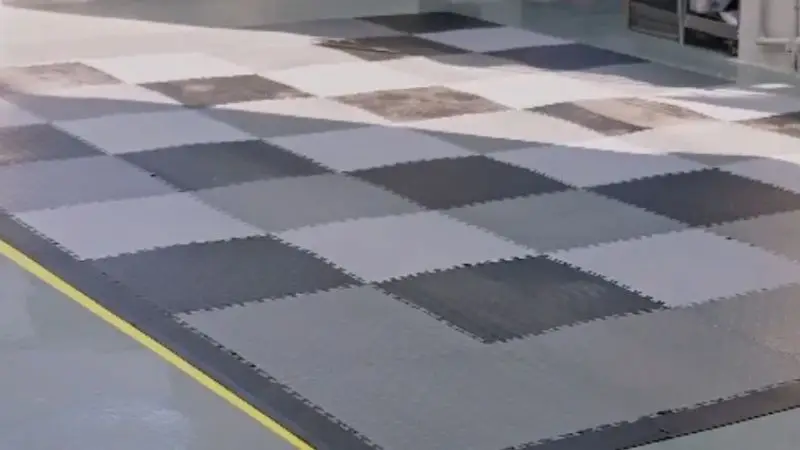
The right garage floor depends on how you use the space, from parking vehicles to completing DIY projects and the organization of home appliances. Comparing VEVOR garage flooring options by application helps you choose the right material, surface texture, and installation style. Consider your equipment’s weight, the chance of spills, and how often you’ll need to clean the floor before you decide.
Garage Flooring for Parking Cars and Light Trucks
Choose flooring that can handle vehicle movement and distribute weight across the surface for car parking and light trucks. VEVOR’s 12 × 12-inch polypropylene garage tiles are 0.43 inches thick in one model and 0.53 inches thick in another. The manufacturer can show a rolling load capacity of up to 55,000 lbs for specific models. When you are requesting VEVOR garage flooring, check the specifications and installation requirements of the exact model instead of relying on the entire load capacity. The best VEVOR garage flooring for a residential garage should also be available in your parking space, allowing the doors to open freely and providing appropriate surfaces for the vehicle and surrounding driving area.
Garage Flooring for DIY Projects and Tool Work
DIY projects often involve moving tools, building furniture, and working with materials that can leave dust or spills. VEVOR 20.2 × 20.2-inch PVC locking tiles are 5 mm thick, and the 16-piece pack is about 45.32 square feet. While tiles for cleaning can be removed, their diamond plate surface is designed to improve grip. When you discover VEVOR garage floor tiles that are good, consider the resistance to water and oil indicated, along with the specific requirements of your workshop. These VEVOR garage flooring considerations may help you determine if PVC tiles fit your workbench area, tool storage zone, or home repair workspace.
Garage Flooring for Home Gyms and Hobby Areas
A garage that is used for physical exercises, crafts, or entertainment requires flooring that is suitable for both operation and equipment. Some VEVOR polypropylene tiles are used for gyms and other rooms so that you can have a multipurpose room. Hard plastic tiles, however, may not provide attenuation for floor exercises or drop-down weights. Before choosing VEVOR garage flooring, check the product for your activity and whether you need additional fitness mats. When comparing the best VEVOR garage floor for home garages, consider coupling, comfort, equipment durability, and easy cleaning. Choose an appropriate surface for intended use instead of counting every tile in the garage as working well at the gym.
Garage Flooring for Storage and Utility Spaces
Storage facilities require flooring that makes it easier to organize boxes, cupboards, garden equipment, and household appliances. VEVOR’s 12 × 12-inch polypropylene tiles are available in various pack sizes, including 25-piece and 50-piece options in selected lists. 50-piece 12-inch tiles cover about 50 square feet, which makes it easier to estimate how many packages you require. When comparing VEVOR garage floor Tiles Customer Reviews, concentrate on feedback with the same size and material you’re going to buy. The best VEVOR garage flooring for home garages shall provide sufficient surface coverage for racks and walkways without creating irregular edges. Measure the suitable area of the floor and take into account obstacles before ordering.
Key Features to Compare in VEVOR Garage Flooring
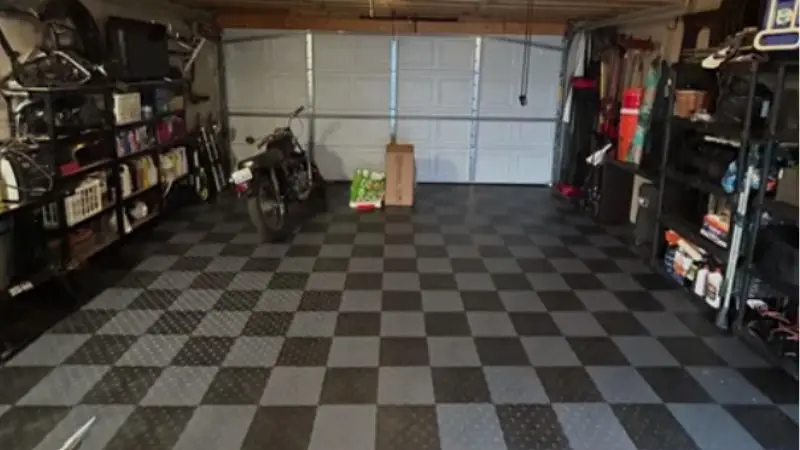
Product specifications can help you compare garage flooring parameters more precisely than just the look or the price. Before choosing a product, carefully review the material, thickness, tile dimensions, connection, and cleaning instructions. The details may affect the time of installation, the cover of the floor, and your suitability for use. When you compare them side by side, you can also tell whether the option is a practical solution for your garage.
Material and Surface Design
The materials in Garage flooring vary in their flexibility, surface texture, and usage. VEVOR offers polypropylene tiles with a higher double diamond pattern and PVC tiles with diamond plate surfaces. These designs have been designed to improve traction and provide a practical working surface. When comparing VEVOR garage flooring products, check the material used to identify the correct model, as PP, PVC, and rubber are not interchangeable terms. If you ask if VEVOR garage floor tile is really useful, you might want to look at surface texture, resistance to spills, and compatibility with your equipment. The right choice depends on whether your garage is used primarily for parking, storage, repair, or other activities.
Tile Size, Thickness, and Floor Coverage
Tile dimensions and thickness affect the quantity of flooring and the shape of the surface resulting from your garage. VEVOR 12 × 12-inch PP tiles are available, for example, in select 25-piece and 50-piece packs covering 25 or 50 square feet. 20.2 × 20.2-inch PVC tiles cover approximately 22.7 square feet per pack of eight or 45.32 square feet per pack of 16. Before VEVOR garage flooring is decided, it is worth comparing the coverage of the pack with the full installation area. The best VEVOR garage flooring for garages at home should also fit around doors, sewerage systems, pillars, and built-in cabinets. Cut and allow spare parts when calculating your order.
Interlocking Systems and Edge Ramps
The locking system connects the separate tiles to a continuous coating of the floor. Selected VEVOR polypropylene tiles use a tool-free connection, while its 20.2-inch PVC tiles may require a rubber mallet to secure the joints. Some layouts may also require compatible edge ramps or corner pieces to build a good transition at the garage entrance. When analysing VEVOR garage flooring, check if this accessory is included in the chosen model or requires a separate purchase. Both the installation requirements and the finished appearance should be considered in an honest scrutiny of VEVOR garage flooring. Confirm that ramps and tiles are compatible for ordering and follow the manufacturer’s instructions to reduce any gaps, uneven joints, or in-service movement.
Water Resistance and Cleaning Requirements
Garage floors can collect rainwater, mud, dust, oil, and other daily mess, so cleaning requirements are important. VEVOR describes selected PP tiles as waterproof and stain-resistant, while the 5 mm PVC tiles are reported as water- and oil-resistant. These features can facilitate routine maintenance, but they do not mean that any spill or chemical on the surface is harmless. As you read client feedback on VEVOR garage floor tiles, look for comments on a specific model’s cleanup and longer-term use. To get VEVOR garage flooring, follow the manufacturer’s care instructions and, where recommended, use a mop, cloth, or vacuum. Clean spills quickly and regularly check under removable tiles, as moisture may collect underneath.
How to Install VEVOR Garage Flooring
Installation of interlocking garage tiles may be a manageable DIY project if you are prepared to plan the surface and the layout before starting. The process includes measuring the space, tile layout, attaching pieces, and inspecting the finished floor. Read instructions for your exact model before installing Vevor garage flooring, as tile and edge accessories can vary. Appropriate preparations help to create a carefully designed layout and to reduce unnecessary cuts or consumables.
Prepare and Measure the Garage Floor
Start by removing vehicles, tools, storage cabinets, and other items from the installation area. Remove dust and debris, then clean the existing concrete floor and let it dry completely. Before laying the VEVOR garage flooring, check for cracks, rough areas, and humidity problems. The surface must be appropriate for the specific tile system you bought. If you think VEVOR garage flooring is worth the deal, keep in mind that careful preparation is important for final appearance and stability. Repair significant surface damage prior to installation, and follow manufacturer instructions on moisture and floor conditions. Measure the length and width of the garage to calculate the total area to be covered.
Plan the Layout and Calculate Material Requirements
Once the floor is clean and dry, decide where to start the first row of tiles. A straight wall or garage entrance can help to guide the layout according to the shape of the room. The total floor area of the Vevor garage flooring shall be calculated and compared with the coverage shown in the retail package. For example, 50-piece 12 × 12-inch tiles cover approximately 50 square feet, and 16-piece 20.2 × 20.2-inch PVC tiles cover 45.32 square feet. When selecting the best VEVOR garage flooring for garages at home, allow additional material for cuts around corners, pillars, and doorways. Before ordering, check the quantity and compatibility of the package.
Install the Flooring and Finish the Edges
Begin with the planned starting point and connect your tile in accordance with the instructions of the manufacturer. The VEVOR 20.2 × 20.2-inch PVC Guide recommends that you use a rubber hammer to protect the closing edges. Other models may use different connection systems, so avoid treating each tile in the exact same manner. If you select the VEVOR garage flooring, work row by row, and check that the joints remain aligned. If you’re looking at whether VEVOR garage floor tiles are good, then it is of great importance that something important should exist between these pieces. Finish exposed edges with compatible ramps or trim, if required, and do not require the installation of incompatible features.
Check the Floor and Follow Care Instructions
After installation, walk through the finished surface and check for gaps, loose tiles, or raised edges. Check the perimeter and make sure the entrances remain easily crossed. Follow the VEVOR garage flooring care instructions for your specific product. The sampled VEVOR PVC tiles can be cleaned with a cloth or a mop. The vacuum can take dust and garbage away. Avoid corrosive cleaning agents, abrasive brushes, and sharp cleaning products if the manufacturer recommends so. An honest review of VEVOR garage flooring should also take into account maintenance after installation and not just the initial scheme. Clean spills immediately and regularly inspect the floors, especially in areas that are exposed to vehicle traffic or humidity.
Wrap-Up
Choosing a suitable garage flooring will begin with understanding how you can use your space and how to handle your surface. VEVOR garage flooring offers different tile materials and dimensions; i.e., compare product dimensions, thickness, load ratings, and installation requirements before ordering. If you are questioning whether VEVOR garage flooring would be worthwhile, let’s look at the specific characteristics of the model, the need for maintenance, and the total cost rather than just the price. Please measure the garage carefully, prepare the floor, and follow the manufacturer’s instructions during installation. With the right product and the right maintenance, you can create a clear and practical garage space.
FAQs
1. Compare interlocking commercial mat tiles and list the best systems for easy installation.
Interlocking PVC and polypropylene tiles offer convenient installation without extensive adhesive use. Compare connection systems, tile thickness, coverage, edge ramps, and load capacity to select suitable flooring for workshops, garages, and commercial spaces.
2. Which commercial floor mats are best for wet areas and slip resistance—top picks?
Drainage mats, textured rubber mats, and suitable PVC mats work well in wet areas. Check verified slip-resistance ratings, drainage design, chemical compatibility, and cleaning requirements to maintain safer working conditions.
3. List the most durable commercial floor mats for warehouse and industrial floors.
Heavy-duty rubber mats, industrial PVC mats, and load-rated interlocking tiles suit demanding environments. Compare static and rolling load ratings, chemical resistance, wear durability, and compatibility with forklifts and pallet jacks.
4. Compare rubber vs vinyl commercial floor mats and list the best options of each.
Rubber mats generally provide cushioning and flexibility, while vinyl mats offer varied textures and straightforward cleaning. Choose rubber for suitable industrial workstations and PVC for compatible workshops, entrances, and utility spaces.
5. Which commercial floor mats offer the best value for money—top 5 recommendations?
Consider interlocking PVC tiles, polypropylene tiles, rubber anti-fatigue mats, drainage mats, and heavy-duty rubber mats. Compare coverage, durability, maintenance, installation costs, and workplace suitability to determine long-term value before purchasing.