You use a vacuum sealer for food to remove air from bags and lock in freshness. This simple tool helps you keep food safe by stopping bacteria and freezer burn. With a vacuum sealer, you make food preservation easy at home. Give it a try and see the difference!
What You Need for a Vacuum Sealer for Food
Essential Equipment
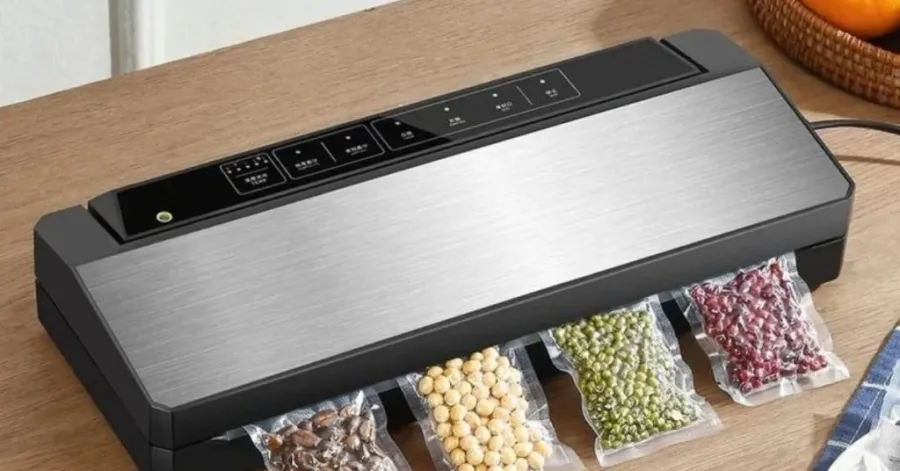
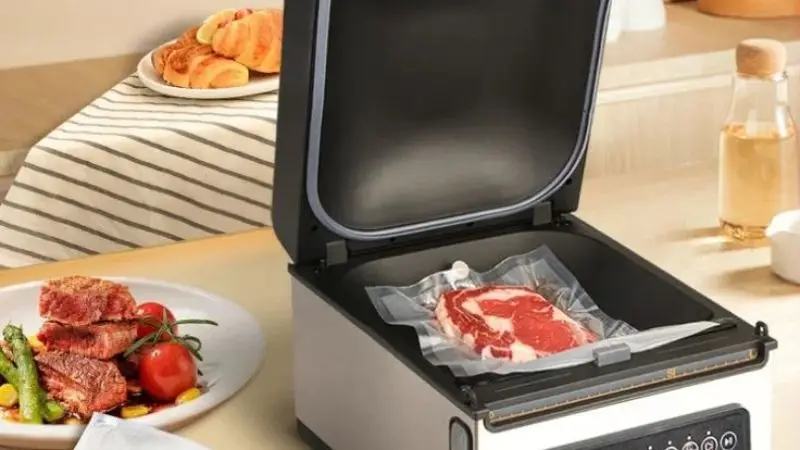
You only need a few things to get started with a vacuum sealer. First, you need a food vacuum sealer. This machine pulls the air out of your bags and seals them tight. You also need vacuum bags. These special bags keep air out and lock in freshness. Most people use a countertop vacuum sealer for food at home. Some models are small and easy to store. Others are bigger and work well for large batches of food.
Types of Vacuum Sealer Bags
You have a few choices when it comes to vacuum bags. Some bags come in rolls, so you can cut them to the size you want. Others are pre-cut and ready to use. You can also find reusable vacuum bags that help you save money. Make sure you use bags made for your vacuum sealer. The right bags give you an airtight seal. If you use the wrong bags, air can sneak in and spoil your food.
Useful Accessories
A few extra tools can make vacuum sealing even easier. You might want a bag cutter to get straight edges. Some people use a marker to write dates on their vacuum-sealed bags. You can also buy special containers for foods that do not fit in bags. These accessories help you stay organized and keep your food fresh for longer.
Step-by-Step Guide: How to Use a Vacuum Sealer for Food
Preparing Your Food for Sealing
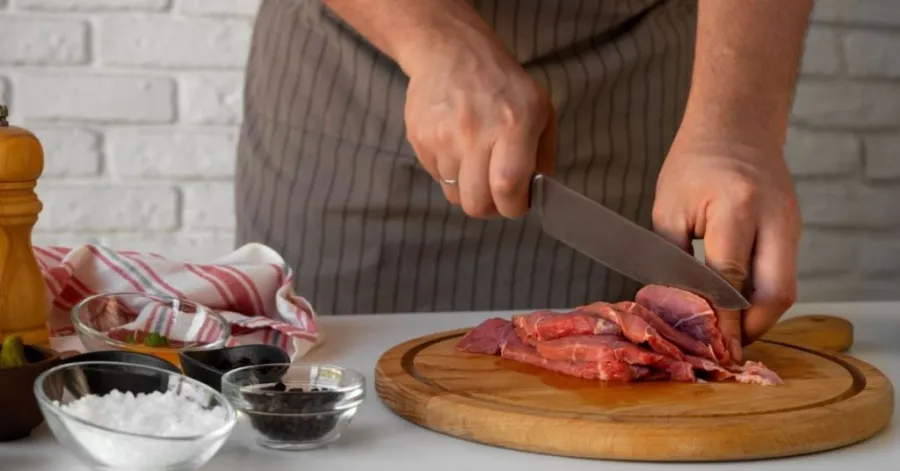
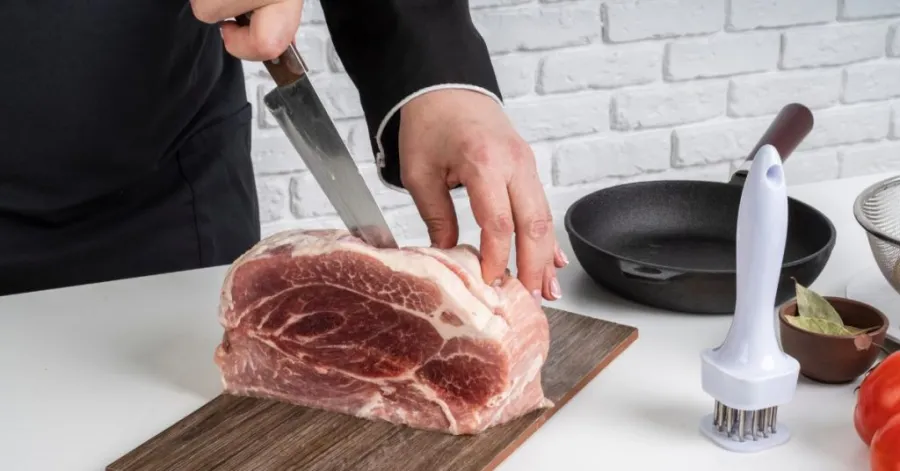
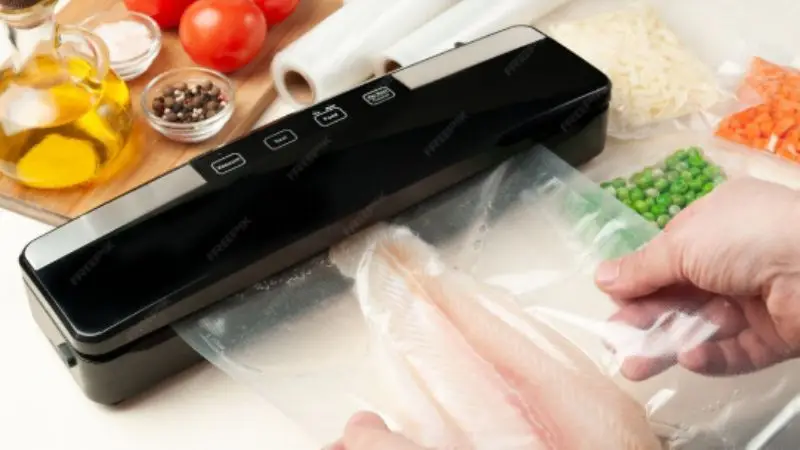
You want the best vacuum sealer for meat and vegetables. Start by getting your food ready. Wash fruits and vegetables. Pat them dry with a clean towel. Cut the meat into portions that fit inside your vacuum-sealer bags. If you want to freeze soup or sauces, pour them into a container and chill them first. You want your food as dry as possible before using your vacuum sealer. Moisture can make sealing harder.
Choosing the Right Vacuum Sealer Bags
Pick bags that work with your food vacuum sealer. Some bags are thick and strong for long-term storage. Others are thinner and better for quick use. You can use rolls to make custom sizes or grab pre-cut bags for convenience. Always check the bag’s label to make sure it’s compatible with your vacuum sealer. The right bag keeps air out and freshness in.
Sealing Process Explained
Place your food in the bag. Lay the open end inside your vacuum sealer. Close the lid and press the button. The vacuum sealer for food removes air and seals the bag tightly. You hear a click or beep when it’s done. Check the seal to make sure it’s airtight. If you see bubbles or gaps, seal it again.
Storing Vacuum-Sealed Food
Want a vacuum sealer for freezer storage? Store your sealed food in the fridge, freezer, or pantry. Use a table to organize your storage:
| Food Type | Storage Place | Shelf Life |
| Meat | Freezer | Up to 2 years |
| Vegetables | Fridge | 1-2 weeks |
| Cheese | Fridge | 4-8 months |
Vacuum sealing workflow helps you keep food fresh and safe. You save space and reduce food waste with a vacuum sealer.
Tips and Tricks for Effective Food Preservation
Preventing Typical Vacuum Sealing Errors
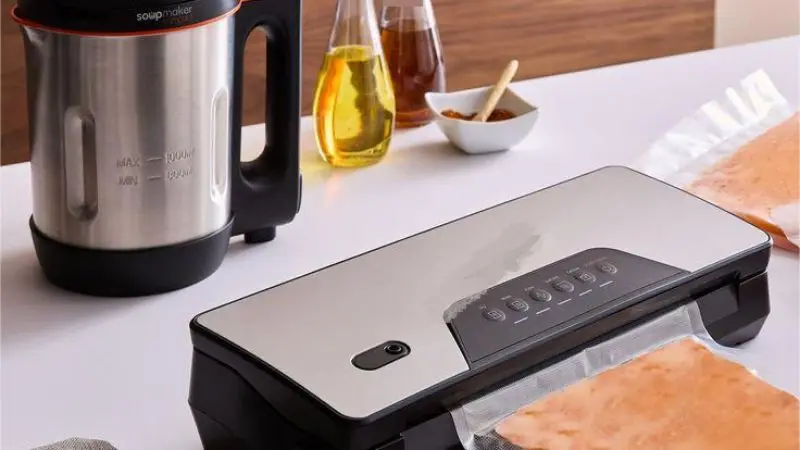
You must avoid a few simple mistakes if you want your food to stay fresh. Avoid packing too much in your bags. To ensure your vacuum sealer closes the bag securely, leave a small opening at the top. Ensure the bag’s edges remain dry and clean. The seal may not function if food or water gets on the edge. Before storing your food, always make sure the seal is intact. Rerun the food vacuum sealer if air bubbles are visible.
Maximizing Shelf Life
Increasing Shelf Life
A few clever moves can extend the shelf life of your food. For every kind of food, use the appropriate bag. For meat and long-term storage, thick bags are ideal. For short-term use or snacks, thin bags work well. Put the date and food type on each bag’s label. Use older foods first by rotating your food. This helps you prevent waste and maintain the organization of your storage. All you need are top-rated vacuum sealers for home use.
- Use a table to track your storage:
| Item | Date Sealed | Use By Date |
| Chicken | 6/1/24 | 6/1/26 |
| Berries | 6/2/24 | 6/16/24 |
Cleaning and Maintaining Your Vacuum Sealer
You want your vacuum sealer for food to last a long time. Wipe it down after each use. Remove crumbs and food bits from the sealing area. Check the gasket and replace it if it looks worn. Store your food vacuum sealer in a dry spot. Clean the outside with a damp cloth. If you take care of your vacuum sealer, you get better results every time.
Foods Best Suited for Vacuum Sealing
What foods work best with your vacuum sealer for food? The good news is, you have lots of options! Some foods stay fresh much longer when you remove the air and seal them tightly. Here are some top picks:
- You get the most out of your vacuum sealer when it comes to meat and poultry. Fish fillets, chicken breasts, and steaks all freeze well and don’t burn.
- Cheese: The flavor and texture of hard and semi-soft cheeses are preserved. You can seal either a block or a slice.
- Vegetables: Start by blanching vegetables like green beans, broccoli, and carrots. They retain their color and crunch thanks to this step.
- Fruits: Peaches, apple slices, and berries remain juicy and sweet. To preserve their shape, freeze soft fruits before sealing.
- You can prevent nuts and seeds from going bad. To keep them in your pantry for longer, seal them.
- Prepared meals and leftovers: You cut down on waste and save time. For simple meals, portion out cooked rice, soups, or casseroles.
If you store your food correctly, you can see how much longer it lasts. Try a variety of foods to see what suits you the best!
Conclusion
You now know how to use a vacuum sealer for food. This tool helps you keep food fresh and safe. Try a home vacuum sealer for food. You will see less waste and more flavor. Share your results with friends or family. Ready to start? Give it a go today!
FAQ
How is a vacuum sealer cleaned?
Unplug the vacuum sealer. Use a moist cloth to clean the exterior. Clear the sealing area of any crumbs. For additional cleaning advice, refer to the handbook.
Are vacuum sealer bags reusable?
If a bag is clean and undamaged, you can reuse it. Give them a thorough wash. Before using them again, let them dry.
My vacuum sealer isn’t sealing correctly; why?
Examine the bag’s edge for any food or moisture. Verify that the bag is compatible with your machine. If you notice air bubbles, try sealing again.