Underground plumbing repair is essential for a working home. Homeowners should be aware of common plumbing problems that occur underground. Underground plumbing issues can cause foundation weakness. It may start with little leakages or clogs, but if not repaired in time, it can result in permanent damage.
But the question is how to detect problems. In this blog, we have compiled the signs of underground plumbing problems and common repair methods. If you know the basics of repairing, you can prevent minor issues that can turn into major problems.
Common Underground Plumbing Problems
Underground plumbing can have issues that affect water and drainage. Recognizing these problems enables you to address them early.
Clogs and Blockages
The main problem in sewer pipes is clogging. It results in the accumulation of grease, debris, or trash. This buildup slows water flow and can cause backups. If you ever see the water draining slowly or pooling in sinks, this is a clear sign of blockages.
Plumbers use tools like drain snakes or hydro-jetting to clear clogs. If you have these tools, you can clear your drain by yourself. These methods fix the issue without harming the pipes.
Cracked Pipes and Leaks
An underground water line can crack from shifting soil, heavy weight, or old age. Cracks often lead to leaks, which make water soak into the ground. You might notice wet spots in your yard or a higher water bill.
Broken pipes can cause more significant problems if left unattended. Fixing cracks may involve replacing parts or utilizing trenchless repairs, such as pipe relining.
Tree Root Problems
Tree roots are a significant cause of sewer pipe trouble. Roots grow toward water, and sewer pipes are a good source of water. When roots get into pipes, they can block, crack, or even break them.
Signs of root problems include slow drains, strange gurgling noises, or bad smells near your home. Plumbers use root cutters or trenchless tools to remove roots and fix pipes.
Corrosion and Pipe Deterioration
Corrosion is a significant issue for underground plumbing pipes, particularly those made of metal. Over time, moisture, soil, and chemicals wear them down. If left unaddressed, corrosion can damage your plumbing and incur significant repair costs. You might spot corrosion through these signs. Water looks reddish or brown.
Water pressure becomes weaker. Leaks happen often, or areas feel damp. Stopping corrosion starts with good care. Have your plumbing checked regularly and address minor issues promptly. If your pipes are old, think about upgrading to newer materials. This can prevent sudden plumbing issues and save you money in the long run.
Causes of Underground Plumbing Problems
Tree Roots Growing into Pipes
Tree roots can cause significant issues with large sewer pipes. They grow toward water, and sewer pipes are a great source. When roots enter, they block water and damage pipes. You may notice slow draining, unusual noises, or unpleasant odors.
To prevent root problems, plant trees at least 10 feet away from sewer pipes. If roots are already inside, plumbers can remove them with special tools. They might also use trenchless repairs to fix pipes without digging up your yard.
Soil Movement and Ground Shifting
Moving soil can damage underground pipes. The nearby construction can cause the ground to shift. This pressure can cause pipes to crack or become misaligned. Heavy rain is also the cause of the movement of soil, leaving the uncovered pipes more prone to damage or cracks.
To minimize damage, ensure your yard drains properly. If soil movement has caused issues, plumbers can check and fix it. They may suggest pipe relining or replacing damaged sections.
Aging or Poor-Quality Pipes
Old or weak pipes often break over time. Materials like cast iron or steel rust and weaken, causing leaks. Bad installation can also cause pipes to fail prematurely. Signs of old pipes include rusty water, low pressure, and frequent leaks.
If you have old pipes, then the only solution is to replace them, because the rusted pipes deteriorate over time. Switching to strong materials like PVC or copper makes pipes last longer. Regular pipe care helps avoid sudden problems.
Improper Installation or Maintenance
The hiring of a less experienced plumber while installing the pipes results in continuous issues in the future. Never compromise the main task of installation. Otherwise, be ready for the poor drainage right after installation.
If pipes are not installed correctly, they may not function properly. This can lead to leaks, clogs, or even broken pipes. Failing to maintain pipes increases the likelihood of damage over time.
Common Problems from Bad Installation
Strictly inspect the plumber during installation. If you see the following problems, switch the plumber:
- Misaligned Pipes: Crooked pipes can cause leaks or uneven water flow.
- Weak Connections: Loose joints let water leak out, causing flooding or erosion.
- Incorrect Slope: Sewer pipes require a right angle to move waste effectively. A wrong slope can lead to clogs or backups.
Issues from Skipping Maintenance
If you skip the maintenance step, dirt, grease, and trash can clog pipes over time. This can cause blockages or rust. Signs of poor maintenance include water draining slowly in sinks or tubs. The clogs or backups happen often, which results in bad smells coming from drains or sewer areas.
How to Stop These Problems
You can prevent issues by installing pipes correctly and keeping them clean. Follow these to achieve both:
- Prefer Skilled Plumbers: Choose experts who are well-experienced in underground plumbing.
- Regularly Check: Inspect pipes frequently to identify problems early.
- Clean Pipes Frequently: Use safe tools to clear the clogs and blockages from pipes every few months. You can use hydro jetting for this purpose.
Warning Signs of Underground Plumbing Issues
Spotting problems early can save money and prevent considerable damage. Underground plumbing issues often start small but can quickly escalate. Knowing the signs helps you fix them before they become serious.
Slow Drains or Frequent Backups
Slow drains are a common sign of sewer trouble. Water may take longer to go down sinks, tubs, or toilets. Backups happen when water or waste comes back up through the drains. These problems are often caused by clogs, tree roots, or broken pipes. Test your drains by running water for a few minutes.
Watch how it flows. If many drains in your home are slow or backing up, the main sewer line may be the issue. If you don’t pay attention to these symptoms, you could end up with worse problems, such as burst pipes or sewage spills. Fixing problems right away stops more damage and keeps your plumbing working well.
Wet Areas in the Yard
If you have wet spots in your yard, even if it hasn’t rained or been watered, it could be a sign of plumbing difficulties. Leaking sewer pipes allow water to seep into the soil, creating soggy patches. These spots may feel soft or squishy when you step on them.
Wet areas can attract bugs or cause bad smells. If you see these signs, check further. A sewer line inspection can show if a leak is the cause. Leaving leaks unfixed can harm your yard and property. Fixing leaks promptly prevents soil damage and avoids costly repairs.
Sewage Smells Around Your Home
Bad smells near your home often mean sewer problems. Sewage odors come from leaks, clogs, or broken pipes. The smell is strongest near drains, your yard, or sewer lines. Walk around your property to check for unusual smells.
If the odor persists, call a plumber for a sewer line inspection. They can find the source and suggest repairs. Fixing the issue removes the smell and keeps your home safe. Regular checks help prevent odors and keep your plumbing system functioning properly.
Sudden Increase in Water Bills
A higher water bill can mean underground plumbing problems. If your water use hasn’t changed, but the bill rises, your pipes might have issues. Leaks or cracks in underground wastewater can go unnoticed. Several factors can cause your water bill to increase.
Small leaks underground can waste a significant amount of water daily. Damaged pipes let water escape into the ground, raising costs. Sometimes the meter is wrong, but this happens less often. Running toilets or faucets can exacerbate the problem if left unchecked.
How to Find Hidden Leaks
You can check for leaks even if they’re underground. Follow these steps:
- Check the water meter: Turn off all the water taps in your house. If the meter moves in spite of this, it is a sign of leaks.
- Look for any wet spots: If the underground pipe has leakages, there may be wet areas on the surface.
- Pay attention to sounds: A leak could be the cause of the sound of water running when everything is off.
Underground Plumbing Repair and Replacement Options
Underground sewer line repairs can seem harsh, but knowing your choices helps. If you know how to repair underground plumbing, different methods are more effective depending on the problem and your budget.
Trenchless Repair Methods
Trenchless underground drain repairs are the modern method for fixing sewer pipes. These methods don’t need big holes or digging. They keep your yard, driveway, and garden mostly untouched. The following are standard trenchless methods:
- Pipe Bursting: This breaks the old pipe while pulling in a new one. It’s great for pipes that are badly damaged or collapsed.
- Cured-in-Place Pipe (CIPP) Relining: A soft liner with resin is put inside the broken pipe. Once it hardens, it becomes a strong new pipe inside the old one.
Traditional Excavation Repairs
Digging up the ground is still a reliable method for repairing sewer pipes. This method is most effective when the damage is severe. A trench is dug to access the pipe, allowing it to be repaired or replaced. When to choose excavation:
- The pipe has collapsed or can’t be fixed.
- Tree roots have caused significant harm.
- The sewer line is too old and needs to be replaced.
Pipe Relining vs. Pipe Replacement
Deciding between relining and replacing pipes depends on their condition and your goals.
Pipe Relining:
Relining involves creating a new pipe within the old one. It’s less messy and works for pipes with small damage. This method adds years to your sewer line without requiring its replacement. It requires little digging and is quicker to finish. The best part is it’s also cheaper for small fixes.
Pipe Replacement:
Replacing means removing the old pipe and installing a new one. It’s best for pipes that are very damaged, rusty, or outdated. It gives you a brand-new, strong sewer line and removes all old damage and weak spots. It is also great for long-term fixes.
Both options are helpful for sewer repairs. Relining keeps your current system intact, while replacement provides a fresh start with new materials.
Cost Considerations for Each Option
Knowing the cost of underground plumbing repair helps you plan better. Each repair type has its own price, based on the damage, materials, and labor required. Below is a simple guide to what you might pay.
Trenchless Repair Methods
Trenchless repairs usually cost less than digging methods. They save money by avoiding big holes and fixing their yard. The cost for trenchless maintenance is about $80 to $250 per foot. For most sewer lines, this adds up to $4,000 to $20,000. What affects the cost?
- Pipe Length: Longer pipes need more work and materials.
- Damage Severity: Pipes that are badly damaged require more time to repair.
- Type of Method: Pipe bursting often costs more than relining.
Traditional Excavation Repairs
Excavation repairs mean digging to reach the broken pipe. This is necessary for severe damage or a full pipe replacement. It costs more because of the digging and yard repairs. The cost is between $50 and $250 per foot, which adds up to $3,000 to $30,000. Things to consider about what will cost more:
- Landscaping Repairs: If you fix the grass, plants, or pavement, it will cost more.
- Permits: Some places require a permit to be obtained by paying a fee for digging.
- Labour Intensity: The more digging, the more labour costs.
Pipe Relining vs. Pipe Replacement
Your choice depends on your budget and the condition of your pipes.
- Pipe Relining: Costs $80 to $250 per foot, like trenchless repairs. It’s suitable for small damage and extends pipe life.
- Pipe Replacement: Costs $50 to $250 per foot. It removes all old damage and lasts longer.
Hidden Costs to Watch For
When fixing sewer pipes, be aware of potential extra costs. These include:
- Inspection Fees: Camera checks cost $100 to $500, but are essential.
- Emergency Repairs: Fixes that need to be done right away often take more work.
- Material Upgrades: PVC or copper are better materials that cost more but last longer.
You can plan and avoid surprises if you are aware of these prices.
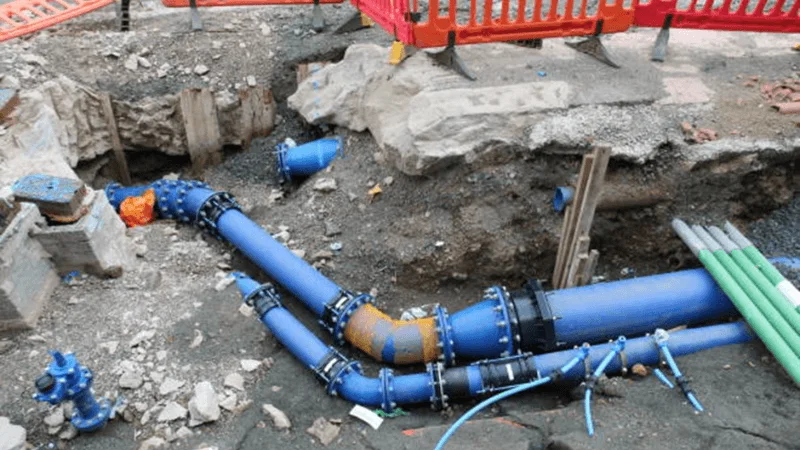
Underground Plumbing Repair: DIY Repairs vs. Hiring Pros
When DIY Repairs Are Feasible
You may undertake some repairs on your own for underground plumbing. Easy tasks, such as clearing minor clogs or fixing exposed pipes, can be handled by a homeowner without the need for a plumber. Use tools like plungers or drain snakes to remove blockages.
For leaks that are visible, pipe patches or sealants can serve as temporary fixes. DIY works best for simple problems that are easily accessible. If the issue is minor and you feel confident, you can save money by doing it yourself.
Benefits of Hiring Licensed Plumbers
Licensed plumbers ensure that repairs are done correctly. They utilize advanced tools, such as sewer cameras, to quickly locate and resolve issues. A professional offer:
- Experience: They are experienced enough to know how to fix plumbing problems that are out of sight.
- Fast repairs: Plumbers utilize specialized tools that enable them to complete repairs more efficiently.
- Permanent fixes: Professionals generally do the long-lasting repairs. They also give warranties for the work they do.
How to Choose the Best Plumber
It’s essential to select the right plumber for repairs that require work underground. Not all plumbers have the tools or skills for these jobs. You need to know which is best for your tasks. Use these steps to find the best one:
1. Check if they have the Licensing and Insurance
Always use a licensed plumber. A licence proves that they have the necessary training and skills. If something goes wrong while you’re making a repair, insurance will cover you.
2. Look for Someone Who is Experienced in Underground Plumbing
Not many plumbers know how to repair underground pipes. Find plumbers who have experience working on sewer lines, performing trenchless repairs, or relining pipes. Plumbers with greater experience are better at solving problems quickly and well.
3. Look at Reviews and References
You can find out what people think about the plumber by reading online reviews. Use sites like Google, Yelp, or the Better Business Bureau. You may also ask the plumber for the names of people who have used their services in the past.
4. Look at the Prices & Services
Consider three points about a plumber: their prices, services, and warranties. Never choose a plumber who demands low costs; keep in mind that if your plumber lacks professionalism, they will not provide permanent repairs. The problems may happen again in the future.
Conclusion:
Underground plumbing repair is quick and saves you a lot of money. If you are a homeowner, look for symptoms such as slow or wet plumbing. Regularly checking your plumbing can help you identify problems early and prevent unexpected issues. Never let any issue in plumbing go unseen; react quickly. Professional plumbers can resolve underground matters safely and accurately. I hope you now know what to do next time you see any sign of damage.
FAQ
1. How can I know if my pipes are leaking underground?
Look for wet places in your yard, high water bills, or foul smells. These are signals that there might be a leak. You can also check your water meter. Shut off all the water in your residence and see if the meter still moves.
2. Are trenchless repairs better than digging up pipes?
Trenchless repairs are quicker and don’t ruin your yard. They’re suitable for minor pipe problems. Digging is better for severe damage or broken pipes. Select based on the severity of the issue and your budget.
3. Can tree roots harm my sewer pipes?
Yes, tree roots grow toward water and can get into pipes. They can block, crack, or break them. Plant trees far from sewer lines to minimize this risk. If roots invade, plumbers can cut them and fix pipes using trenchless tools.
4. Should I attempt to fix the underground plumbing myself?
DIY works for easy jobs like clearing clogs or patching leaks you can see. Underground repairs require specialized tools and skills. Trying them yourself might void warranties or make things worse.
5. How often should I check my underground plumbing?
Have your plumbing system checked at least once a year to identify potential problems early. Regular inspections stop leaks, rust, or root issues. Plumbers use cameras to check pipes without digging.