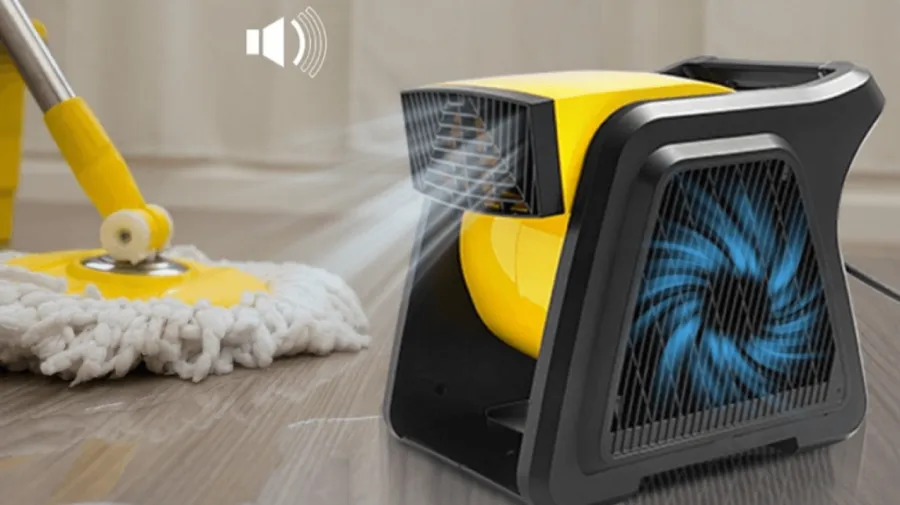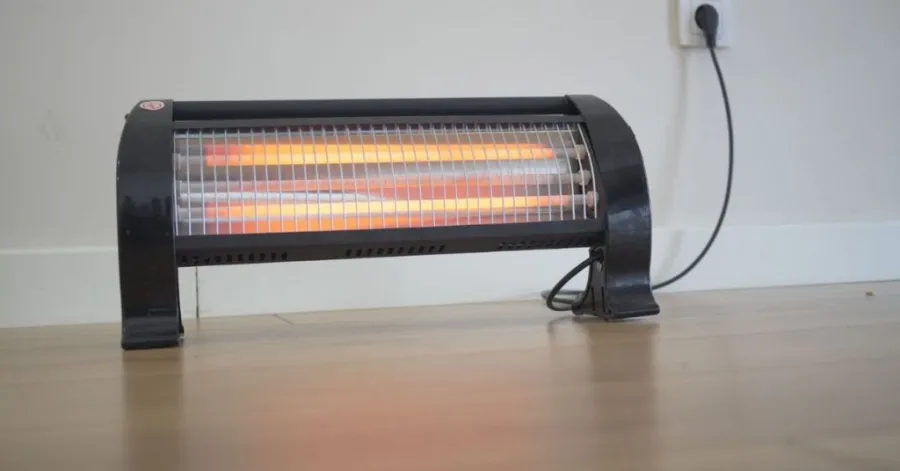
When it comes to keeping your home warm, knowing the different types of heating systems can help you choose the one that works best for your space and budget. Each system has its own way of providing heat. Each system has its own way of providing heat. Forced-air systems, including a diesel heater, use furnaces and ducts, while radiant heating warms floors and walls directly.
Boilers heat water for radiators, and heat pumps transfer heat from outside air or the ground. Ductless mini-splits heat single rooms, and baseboard heaters line walls with steady warmth. Solar heating captures sunlight, while hybrid systems combine two methods for efficiency. The right choice depends on your climate and home size.
Forced Air Heating System: How It Works
Forced air heating is one of the most common types of heating systems found in homes across the United States. This system uses a furnace, which can run on gas, electricity, oil, or even a diesel heater, to heat air. Once the air reaches the right temperature, a blower pushes it through ducts that distribute the warm air to different rooms in the house.
You can easily manage the temperature with a thermostat, which signals the furnace to turn on whenever the room starts to cool down. This cycle keeps your space consistently warm and comfortable, especially in colder months.
Pros of Forced Air Heating
- Heats your home quickly and efficiently.
- Works with air conditioning, so the same ducts provide both heating and cooling.
- Filters can help reduce dust and allergens in the air.
- Allows for add-ons like humidifiers or air purifiers.
Cons of Forced Air Heating
- Ducts can leak, causing energy loss and higher bills.
- The system may blow dust or allergens around the house.
- Some rooms may heat unevenly, leaving warm and cool spots.
- The blower can be noisy when it runs.
Is Forced Air the Best Heating System for You?
Forced air heating is a great choice if you want fast, even warmth throughout your home. It works especially well in medium to large houses and is one of the best heating system options for cold climates. This system can include traditional furnaces or a diesel heater, making it versatile for different fuel types.
Since it uses ducts, it also doubles as part of your cooling system, making it versatile for year-round comfort. If your home already has ductwork, installation is simple, and you’ll benefit from one of the most reliable types of central heating systems available today.
Radiant Heating System

Radiant heating provides comfort by warming surfaces instead of blowing hot air. This system sends heat directly through the floor, walls, or ceiling using either electric wires or hot water tubes installed beneath the surface.
When you switch it on, the floor warms first, and that heat gradually rises to fill the room. Because it does not rely on ducts or fans, radiant heating works quietly and doesn’t circulate dust or allergens. The result is a steady, soothing warmth you can feel from your feet all the way up.
Pros of Radiant Heating
- Provides even, gentle warmth throughout the room.
- Operates silently without noisy fans or blowers.
- Reduces airborne dust and allergens, ideal for people with allergies.
- Feels warmer at lower temperatures, helping save energy.
- Works especially well with tile, stone, or concrete flooring.
Cons of Radiant Heating
- Installation costs are higher, particularly in existing homes.
- Repairs can be challenging since the system is built under floors or walls.
- Takes longer to heat up compared to forced air systems.
- Thick carpets block heat and limit performance.
Is Radiant Heating the Right Choice?
Radiant heating is best suited for new homes or major remodel projects where installation can be planned from the start. It’s an excellent option if you want quiet, steady warmth and already have hard surface floors.
For people living in colder regions, radiant heating can be considered the best heating system for cold climates because it delivers comfort without drafts. As one of the most comfortable types of electric heating systems, it provides a reliable way to keep your home cozy all winter long.
Boiler Heating Systems
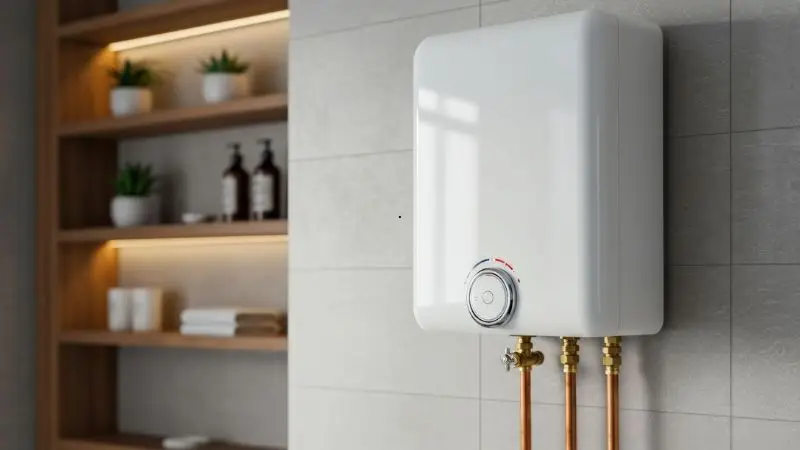
Boiler systems heat your home by using hot water or steam instead of forced air. The boiler warms water through gas, oil, or electricity, and the heated water then flows through pipes to radiators or baseboard heaters placed in each room.
As the radiators release heat, the air around them becomes warm, spreading steady comfort throughout the space. Some boilers use steam instead of hot water, but the result is the same—quiet, even warmth without the need for fans or ducts. Many people consider boilers one of the most reliable types of central heating systems because they heat the whole house from a single main unit.
Pros of Boiler Systems
- Provides steady and comfortable heat in every room.
- Operates quietly without noisy fans or blowers.
- Compatible with multiple fuel sources like gas, oil, or electricity.
- Reduces airborne dust and allergens since no air movement is involved.
- Allows zoning, so you can control temperatures in different areas of the house.
Cons of Boiler Systems
- Installation costs are higher than those of some other types of heating systems.
- Takes longer to heat up the home compared to forced air.
- Pipes can freeze in very cold weather if heating is not maintained.
- Cannot provide cooling during warm seasons.
- Leaks in pipes or radiators may cause water damage.
Is a Boiler the Best Heating System for You?
Boiler heating systems are an excellent choice if you want quiet, reliable, and even heating throughout your home. They work particularly well in older houses that already have radiators installed and are highly effective in colder climates where strong, steady warmth is essential.
While they may cost more to install, boilers are among the most dependable options when comparing the pros and cons of heating systems. If you prefer avoiding ducts and the circulation of dust, a boiler could be the best heating system for cold climates and a solid option among the different types of heating systems.
Heat Pump Heating Systems
Heat pumps are unique because they don’t generate heat—they move it from one place to another. During winter, the system pulls heat from the outside air or the ground and transfers it into your home. The outdoor unit collects this heat, even when the air feels cold, while the indoor unit releases it into your rooms.
Unlike a diesel heater, which burns fuel to produce warmth, a heat pump uses electricity to move existing heat efficiently. A thermostat helps you control the temperature with ease. In summer, the process reverses, and the system works like an air conditioner, making heat pumps one of the most versatile types of electric heating systems available today.
Pros of Heat Pumps
- Provide both heating and cooling in one system.
- Use less energy compared to many other heating systems.
- Can lower energy bills over time.
- Operate quietly without burning fuel inside your home.
- Reduce fossil fuel use, making them environmentally friendly.
Cons of Heat Pumps
- Higher upfront installation costs compared to some systems.
- Lose efficiency in extremely cold weather.
- May require a backup heating source in freezing climates.
- Outdoor units can freeze and need maintenance during winter.
Is a Heat Pump the Best Heating System for You?
Heat pumps are an excellent choice if you want energy-efficient comfort all year long. They work especially well in homes located in regions with mild to moderate winters, though newer models are designed to handle colder climates too. By reducing fossil fuel use, heat pumps not only help the environment but also cut down on long-term energy bills.
When comparing the pros and cons of heating systems, a heat pump often stands out as the best heating system for cold climates where efficiency and flexibility are important. If your home doesn’t rely on natural gas or oil, this can be a smart and sustainable option.
Ductless Mini-Split Heating Systems
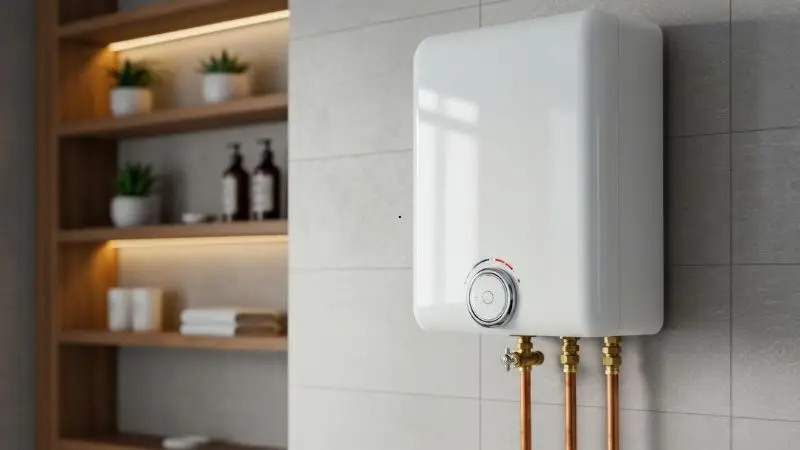
Ductless mini-splits are designed to provide heating and cooling without the need for ductwork. The system includes two main parts: an outdoor unit and one or more indoor units. These connect with small pipes that carry refrigerant between them.
Each indoor unit is mounted on the wall of the room you want to heat and comes with its own remote or wall control panel. The system works by moving heat from the outside air into your home. Since every unit operates independently, you can set different temperatures in different rooms, making ductless mini-splits both flexible and efficient.
Pros of Ductless Mini-Splits
- Provide flexible heating for individual rooms.
- Avoid energy loss since no ducts are required.
- Save money by heating only the rooms you use.
- Operate quietly without spreading dust or allergens.
- Allow easy expansion by adding more indoor units.
Cons of Ductless Mini-Splits
- It has more expensive initial installation charges than some other systems.
- Indoor units can be easily observed by the walls.
- The system requires filter cleaning on a regular basis.
- Failure to warm big houses as well as central heating systems.
Is a Ductless Mini-Split Right for You?
Ductless mini-splits are a smart option when you want to provide focused heating in a specific location without the need for duct installation. They are particularly handy in smaller houses, extensions, or old houses that do not have ductwork. Control the rooms individually; you can save energy and have custom comfort in every part of your house.
When discussing various heating system models, ductless mini-splits are notable for their efficiency, flexibility, and innovative design. They are also the most effective when weighed between the advantages and disadvantages of the heating systems for people who like to have control over single rooms.
Baseboard Heating Systems
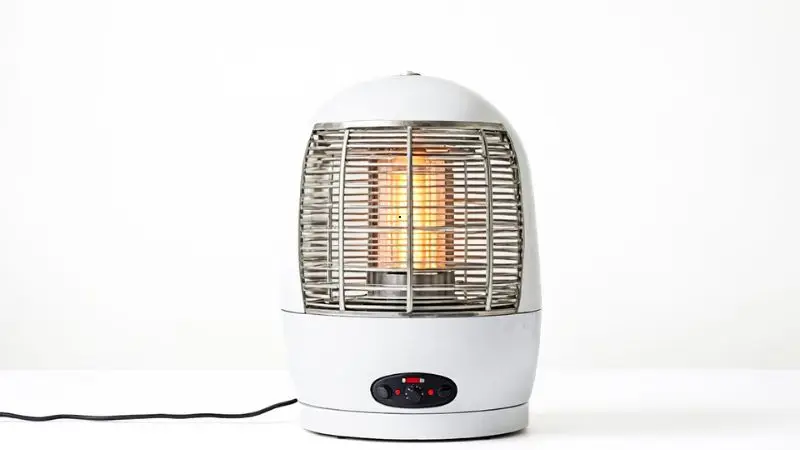
Baseboard heaters provide warmth using long, narrow units mounted along walls. There are two main types: electric and hydronic. Electric baseboard heaters contain metal elements that heat up when electricity passes through them, causing warmth to rise and fill the room. Hydronic baseboard heaters rely on hot water from a boiler, which flows through pipes inside the unit and transfers heat into the space.
Each heater can be controlled with a wall thermostat or a dial, allowing you to adjust the temperature room by room. This system is quiet and does not rely on ducts or fans, making it a clean and efficient way to heat your home.
Pros of Baseboard Heaters
- Easy to install, even in homes without ducts.
- Allow independent temperature control in each room.
- Quiet operation with no air movement or dust circulation.
- It does not require a large furnace or central system.
- Electric baseboard heaters can serve as backup heat.
Cons of Baseboard Heaters
- Electric models can cost more if used as the main heat source.
- Heaters occupy wall space, which may limit furniture placement.
- It takes longer to heat large rooms.
- Hydronic models require a boiler, adding cost and maintenance.
- Regular cleaning is necessary to maintain efficiency.
Is Baseboard Heating Right for You?
Baseboard heaters are an excellent choice if you want simple, quiet, and flexible heating. They work well in older homes, small houses, or new additions without ductwork. If you need extra heat in cold spots or want room-by-room temperature control, baseboard heaters provide an effective solution.
They can also serve as backup heating in very cold climates. Among the different types of heating systems, baseboard heaters stand out for their easy installation, quiet operation, and ability to give precise control over each space, making them a practical option for many homeowners.
Active Solar Heating Systems
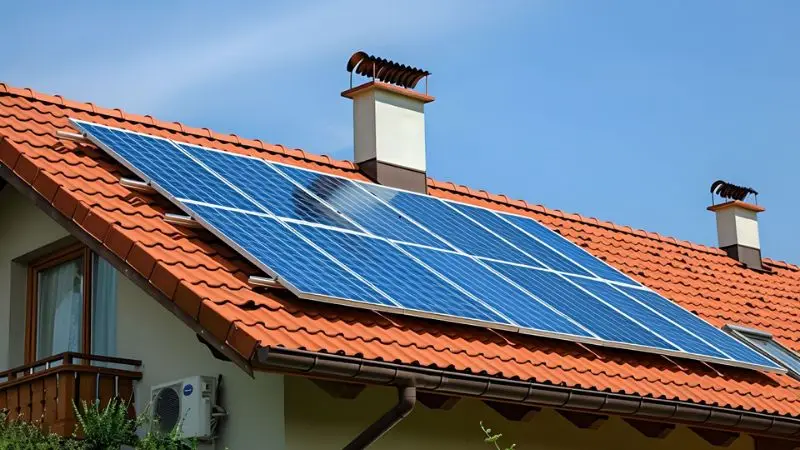
Active solar heating utilizes the heat of the sun to heat your house. Solar collectors mounted on top of your roof, in your yard, capture the sunshine and transform it into heat. Special fluid is circulated with a pump in the collectors, and it heats up and flows into a storage tank.
You can then use this stored heat to warm air or water in your house. A control system controls the amount and timing of heat delivery. Active solar heating has become one of the most environmentally friendly types of heating systems commonly used by homeowners to maintain a steady level of comfort.
Pros of Active Solar Heating
- Reduces energy bills by using free sunlight.
- Environmentally friendly, producing no pollution.
- It can be combined with other heating systems for reliability.
- Decreases dependence on gas or electricity.
- Provides steady warmth during sunny days.
Cons of Active Solar Heating
- High upfront installation costs for collectors and equipment.
- Requires adequate sunlight to work effectively.
- May need a backup heating system for cloudy days or nighttime use.
- Collectors and equipment require regular cleaning and maintenance.
- Space is needed for storage tanks and piping.
Is Active Solar Heating the Best Choice?
Active solar heating is ideal for homes in sunny regions with good roof space and clear exposure to sunlight. It’s especially beneficial if you want to reduce your energy bills and lower your environmental impact. When combined with other heating systems, it provides reliable year-round comfort.
Among the different types of heating systems, active solar heating stands out for its sustainability and energy efficiency. If you want to embrace clean energy while still keeping your home warm during winter, active solar heating offers a smart and modern solution.
Hybrid Heating Systems
The hybrid heating systems are a mixture of two techniques used to keep your home warm. The majority of systems are heat pump/furnace, and occasionally a diesel heater can be installed, which is backup/secondary heat. In moderate weather, the heat pump does the heating, whereas during cold weather, the furnace should be activated as the temperature falls, and further warmth is required.
A smart thermostat automatically switches between the heat pump and furnace based on outdoor conditions. This setup ensures that your home stays comfortable year-round while optimizing energy use. Hybrid systems are considered one of the most versatile types of heating systems because they balance efficiency, comfort, and performance.
Pros of Hybrid Heating Systems
- Provide reliable heating in all seasons.
- Use less energy when the heat pump runs in mild weather.
- Lower energy bills since the furnace operates only when necessary.
- Maintain comfort even during very cold days.
- Help reduce your carbon footprint by using more efficient energy sources.
Cons of Hybrid Heating Systems
- Higher upfront installation costs.
- Require regular maintenance for both the heat pump and furnace.
- Take up space for two types of equipment.
- The furnace may still rely on fossil fuels, which affects the environment.
- Users need to learn how to operate the smart thermostat effectively.
Is a Hybrid Heating System the Best Choice?
The hybrid heating systems suit the locations with low temperatures and mild seasons. They work well in medium and large houses, and they are energy efficient without being uncomfortable. You should consider hybrid systems, which are such a clever choice in case you need a flexible, reliable heating system that would balance cost-reduction and environmental effects.
In conclusion to the advantages and disadvantages of heating systems, hybrid systems have an edge of flexibility and integrate the functions of heat pumps and furnaces. Hybrid systems represent one of the most effective heating system choices among homeowners who would like to receive the maximum efficient heating and be comfortable all year round.
Comparing Different Types of Heating Systems
The decision to settle on the appropriate heating method to use in your house may seem very confusing since there are so many alternatives. They have different working mechanisms and some fit better in specific weather conditions, households, and electrical demands.
Among these options, some homes may even use a diesel heater for reliable warmth in cold climates. In this part, we will identify the principal categories of heating systems, emphasize their advantages and disadvantages, and help you understand which of them could best suit your house.
Key Differences Between Heating Systems
When choosing the right heating system, it helps to understand how each type works. Different systems deliver heat in unique ways, and each has strengths and weaknesses depending on your home and climate. By knowing the key differences, you can narrow down which options fit your needs.
- Forced Air Heating: Uses ducts and a furnace to quickly heat large spaces.
- Radiant Heating: Warms floors or walls for quiet, even heat.
- Boiler Systems: Heat water that travels to radiators or baseboards for steady warmth.
- Heat Pumps: Move heat from outside air or ground into your home, providing energy-efficient heating and cooling.
- Ductless Mini-Splits: Offer room-by-room temperature control without ducts.
- Baseboard Heaters: Mounted along walls, providing quiet, localized heat.
- Active Solar Heating: Captures sunlight to generate clean energy for heating.
- Hybrid Systems: Combine two methods, like a heat pump and furnace, for flexible, efficient comfort.
Choosing the Right Heating System for Your Home
When choosing a heating system, one will not only have to go by cost or by style. You must take into account not only your climate, but also the size of your house, your energy budget, and what kind of system will be appropriate to your current installation. Considering these makes the difference, you have to ensure that you stay in your comfort zone and, at the same time, remain efficient in your system.
- Climate: Areas with a mild climate are first supported with heat pumps or ductless mini-splits. Cold climates frequently require boilers, radiant heating, or a hybrid system.
- Home size: Large homes are suitable with forced air or hybrid systems. Baseboard heaters or mini-splits are to be installed in smaller homes or in room additions.
- Budget: Systems in use, such as active solar heating or hybrid, are more expensive in the short run, but conserve energy in the long term. Forced air and baseboard heaters are also less expensive to install, but are long-term energy-consuming units.
- Existing Infrastructure: Check if your home has ducts or space for new equipment before deciding.
- Professional Advice: Consult an HVAC professional to help determine which system fits your home best.
Choosing the right heating system ensures comfort, energy efficiency, and cost savings. By weighing the pros and cons of heating systems, considering your climate, home size, and budget, you can pick one of the best heating systems that meets your needs perfectly.
Wrap Up
Choosing the right type of heating system keeps your home comfortable and energy-efficient. Each option, from forced air and radiant heating to boilers, heat pumps, ductless mini-splits, baseboard heaters, active solar, and hybrid systems, works differently and fits different needs. Consider your climate, home size, and budget when deciding.
Cold regions may need boilers or hybrid systems, while mild areas suit heat pumps or mini-splits. Understanding the pros and cons of heating systems and the types of central and electric heating systems helps you pick the best heating system for cold climates or your specific home needs.
FAQ
Which is the most energy-saving household heating system?
Hear pumps and active solar heating give you optimum energy efficiency. These systems consume less energy in comparison with most. You not only save money, but also save bills and benefit the environment.
How many times do you need to have your heating serviced?
Everyone should have his or her heating system serviced yearly. Routine maintenance provides a safe and efficient running. A professional will be able to identify an issue at its earliest stage and prevent an expensive fix.
Is it possible to install various heating systems within the same house?
You may use several systems, yes. Hybrid systems are popular among many people. You have the advantages of both, such as a heat pump on sunny days and a furnace on cold days. Integrating systems can provide you with more comfortable and cheaper energy expenses.
But what do you know regarding the best heating system fit in your home?
You might consider your climate conditions, the size of your home, and your financial capability. Seek the counsel of an expert. They will be able to assist you in selecting the most appropriate system.