Are you ready to level your unlevel yard? To make the job easier and more efficient, you need to use the right tools. The following are some essential tools to level a backyard: a leveling shovel, rototiller or landscape rake; a garden hose, PVC pipe, Levellawn Pull Master ™; brooms, edgers, push brooms, and a carpenter’s square. The tools you need to achieve a level, smooth surface will require less effort.
The right tools will save you time and give you professional results, even if this is your first yard project. This guide will tell you about the DIY backyard leveling tools and tips so that you can find the best tool to level a backyard by yourself.
Tip: Use a leveling tool to make quick and visible progress.
Why Leveling Your Backyard is Important
Prevent Water Pooling and Drainage Issues
After a rain, you may notice puddles on your lawn. The puddles may remain for several days, making your lawn a soggy mess. You can help the water flow away from plants and your home by leveling your backyard. This will keep your lawn healthy and prevent mud from forming. This will also prevent water damage to your foundation. You can solve these problems by using the correct equipment to grade before they worsen.
After a heavy downpour, walk around your garden. Find areas where water tends to collect. When leveling, you should pay attention to these areas.
Improve Safety for Outdoor Activities
A yard that is bumpy can cause tripping hazards. Children and pets enjoy playing and running outside. Uneven terrain can lead to twisted ankles and falls. Smoothing out your yard makes it safer for all. You can walk, play soccer, have a picnic, or set up a table without having to worry about holes and dips. Grading equipment helps create a safe, flat surface for your favorite activities.
- Easy yard work and mowing
- Safety for family gatherings
Prepare for Landscaping, Patios, or Decks
Do you want to build a patio or garden bed? First, you need to create a flat surface. You may find that your deck or patio stones will shift if you begin with an uneven surface. You can start any project with a solid foundation by leveling your backyard. With confidence, you can build a firepit, plant flowers, or lay sod. Your home will also look well-maintained and neat with a flat yard.
Are you planning to add new features to your yard? Level your yard before you start. This will save you time and money.
Essential Tools to Level a Backyard

You want a smooth, even yard. The right leveling tools make the job much easier. Here’s what you need to get started:
Shovels and Spades – The Basics for Digging and Moving Soil
A good spade or shovel is essential for leveling a lawn. These tools are useful for digging up grass, moving dirt, and filling in low areas. Select a shovel that is sturdy and has a comfortable grip. A spade is ideal for digging deeper holes and cutting edges.
Tip: Keep your shovel clean. You can work faster if you keep your shovel clean.
Garden Rakes – Smooth Out Uneven Areas
You can use a garden rake to break up soil clumps and spread them evenly. It can be used to remove rocks and roots. Rake the soil to make it flat and smooth. This simple step can make a huge difference to the appearance of your yard.
Wheelbarrows – Efficient Soil and Material Transport
It takes a lot of time to move dirt by hand. Wheelbarrows allow you to carry heavier loads more easily. You can use a wheelbarrow to move soil, gravel, or even tools in order to level your backyard. Your wheelbarrow should have a sturdy wheel and handle.
Levels and Laser Levels – Ensure Accuracy for Flat Surfaces
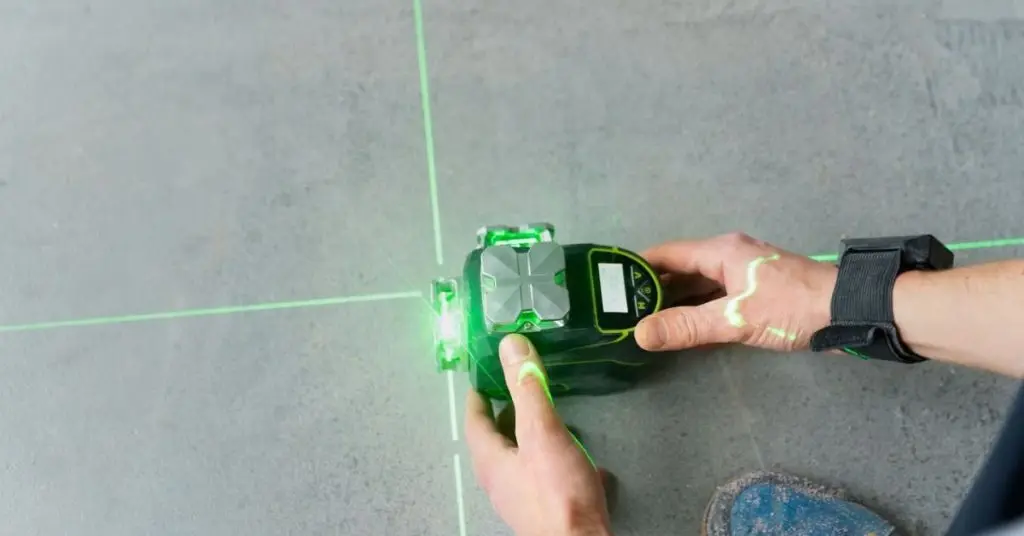
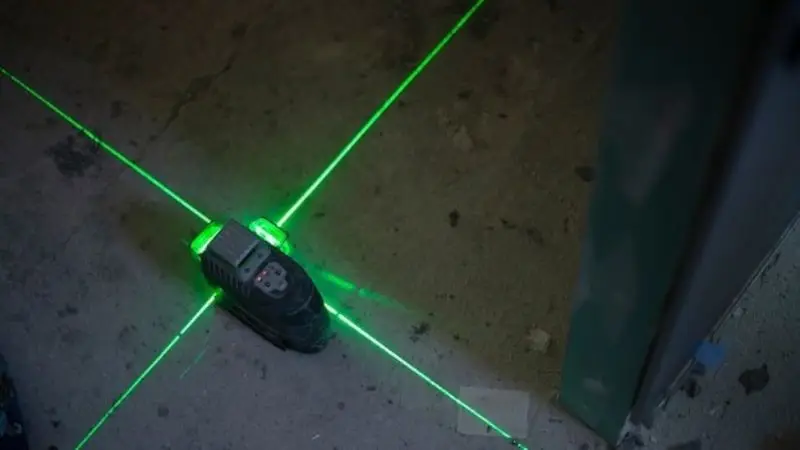
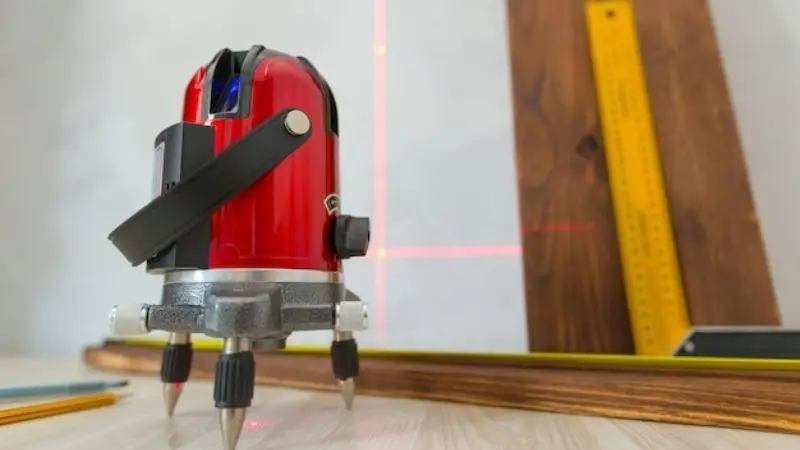
You want to make sure that your yard looks even. Check your progress with a Laser Level or a carpenter’s level. Use the level to check if the surface is flat. For larger yards, laser levels are a good option.
Lawn Rollers – Compact and Even Out Soft Ground
You need to compact the soil after you have spread it. The lawn roller flattens the soil. For extra weight, fill the roller with sand or water. Roll the area over until it feels firm.
Landscape Screeds – Professional Finishing Tool for Large Areas
A landscape screed can help you complete your yard faster if you have a large one. You can use this tool to drag a straight line over the soil. This tool gives you a flat, smooth surface. Screeds are the preferred tool of many professionals for grading lawns.
Before you begin, gather all the tools needed to level your backyard. This will save you time by avoiding extra trips to your shed.
Optional Tools to Level Backyard Precisely

Your backyard should look great. Basic tools aren’t always enough. Use optional tools to achieve even better results. These tools will help you to create straight lines, loosen hard soil, and firm the ground.
String and Stakes – Simple DIY Method for Straight Lines
Use string and stakes for marking straight lines on your lawn. This method will help you to see the areas that need leveling. Simply drive stakes into the soil and tie a string between them. This guide will help you keep your edges neat. This trick is popular because it is cheap and easy.
Tip: Tighten the string so that it does not sag. This will give you a better line.
Rototillers – Loosen Soil for Easier Leveling
A rototiller breaks up hard soil fast. The machine is pushed over the area to be leveled. The blades turn and dig the soil. With less effort, you can fill in low spots and move dirt. Rototillers are great for large yards or soil that is difficult to work with. This tool is on many lists of equipment for leveling the ground.
- Rototillers are time-saving.
- The soil becomes softer and easier to shape.
- Rent one instead of buying
Plate Compactors – Compact Soil for Long-Lasting Flatness
Plate compactors flatten the soil by pressing it down. As the machine vibrates, you walk behind it. This tool is most effective after adding new soil or sand. Professionals use plate compactors to grade their yards. The yard will remain level for many years.
Wear ear protection whenever you use a plate compactor. These machines can get loud!
Mix and match the tools according to your project. Try adding a few of these tools to your yard if you want it to look like a professional did the job.
Step-by-Step Guide to Leveling Your Backyard
Learn how to level a backyard without hiring a professional by acting upon following the steps.
Measure and Mark the Area
Begin by determining which area of your yard needs to be leveled. Grab the tape measure and take a walk around the area. Mark the corners using stakes. Stretch the string between the stakes in order to outline the area. This will help you to stay organized and create a clear area.
Use brightly colored string to make it easier to see while you are working.
Remove Grass, Rocks, and Debris
Clear the area. With a shovel, dig up the grass and weeds. Throw rocks, sticks, and other trash into the wheelbarrow. Before you begin moving soil, make sure the surface is clean. This will make the rest of your job easier.
- Remove large roots with your hands.
- Rake the area with a rake to collect smaller debris.
Note: There are some tools to level a backyard for grass installation.
Add or Remove Soil to Even Out Low and High Spots
Look for any bumps or dips. Move soil from high to low areas using your shovel. Add topsoil to large dips. Use a garden rake to spread the soil. Make the soil as flat as you can.
Note: Don’t pile soil too high. Next, you will smooth it.
Compact and Smooth the Ground
Grab your plate compactor or lawn roller after you have moved the soil. Press or roll the soil to compact it. The soil will not shift later if you do this. Smooth out the surface with a landscape or leveling rake. The ground should feel firm.
Check Levels Regularly to Ensure Accuracy
Keep checking your progress. A carpenter’s square can be placed on a pipe or a long board. It can be laid out in different places around your yard. You’re on the right track if the bubble stays at the center. A laser level is ideal for larger areas.
After every major step, check the level. Saving time now by making small adjustments will save you later.
Repeat these steps until you have a level and well-prepared backyard.
Tips for Maintaining a Level Backyard
Regular Lawn Care and Aeration
Regular Lawn Care & Aeration
Your backyard should be healthy and weed-free. Regular lawn maintenance helps to keep the soil level. Cut your grass frequently. Get rid of weeds as soon as possible. Aerate the lawn at least twice a year. Aeration allows air, water, and nutrients to reach the roots. For larger yards, you can rent a plug-aerator. Aeration breaks up compacted dirt so that your yard remains level for longer.
Aerate your lawn early in the spring or fall. Your lawn will become stronger and fill out the low spots.
Monitor Drainage After Rain
Rain can change your yard fast. Water can collect in low spots or flow in odd patterns. After a heavy downpour, walk around your yard. Search for puddles and soggy areas. These areas may need additional attention. Add soil, adjust slope, or install drainage solutions. Water can be moved away from trouble spots by using a gravel trench or French drain.
- Check for standing water following storms
- Look out for muddy patches on patios and walkways
- Drainage problems should be addressed early to avoid bigger problems
It is important to maintain good drainage in your yard and home.
Periodically Add Soil to Low Spots
Over time, low spots can appear. The ground shifts as the soil settles and roots grow. Add fresh topsoil to fix these dips. Spread soil with a shovel over the low area. It is best to rake it flat and compact it with a lawn roller. Use a carpenter’s level or a straight board to check the level. Repeat the process as necessary.
| Step | What to Do | Tools Needed |
| Find the low spot | Walk and inspect the yard | Eyes, tape measure |
| Add soil | Spread topsoil | Shovel, wheelbarrow |
| Smooth area | Rake and compact | Rake, lawn roller |
| Check level | Use the level or the board | Carpenter’s level |
Keep a small amount of topsoil on hand. Fixing dips is a quick way to keep your lawn looking good.
Conclusion
There are many options available when it comes to the tools to level a backyard. You can create a safe and smooth space for your family with these tools to level the backyard. With confidence, you can take on bumps, dips, and drainage issues. You’ll soon see the results if you start by gathering your materials. Why wait? You can have your dream yard today!
Are you ready to start? Imagine your level, new backyard!
FAQ
How long does it take to level a backyard?
Most small yards take a weekend to level. Larger spaces or tough soil might need a few extra days. You can finish faster if you have the right tools and a helper.
Can I level my backyard without special equipment?
Yes, you can use basic leveling tools like a shovel, rake, and string. You might need more time and effort. Renting a rototiller or lawn roller can make the job easier.
What type of soil should I use to fill low spots?
Use topsoil for best results. It helps grass grow and drains well. Avoid using sand or clay alone. Mix compost for extra nutrients.
How do I keep my yard level after heavy rain?
Check your yard after storms. Add soil to low spots if needed. Aerate your lawn once a year. Good drainage keeps your yard flat and healthy.