Choosing the right tool for drilling holes can completely change how your project turns out. The right bit gives you cleaner holes, saves time, and helps your tools last longer. Before you start, think about the material you’re drilling—wood, metal, plastic, or concrete—and the size of the hole you need. Each job has a drill bit made for it, and picking wisely makes the work easier and safer. Using a good drilling machine with the right bit ensures better control and precision. Whether you’re a beginner or already handy with tools, a little knowledge goes a long way in drilling success. With the right tool, every hole can be neat, accurate, and professional.
Quick Guide to Choosing the Right Drill Type
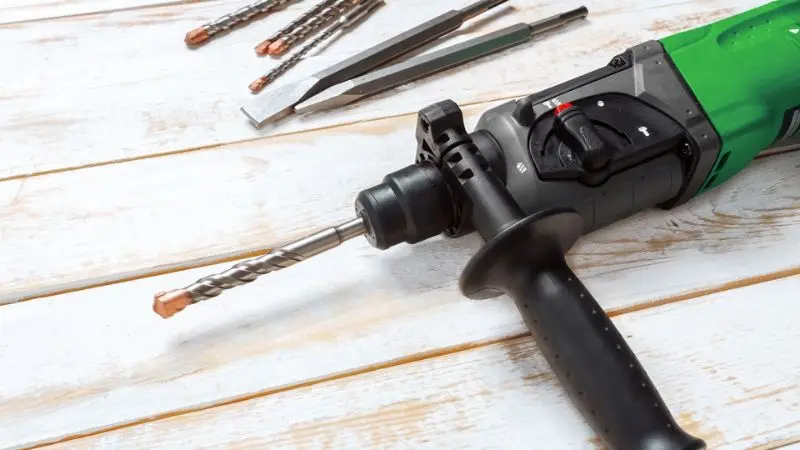
Choosing the right drill makes every project easier, faster, and safer. The type of drill you pick depends on both the material and the kind of hole you need. When you match the right tool with the right surface, you protect your equipment and get cleaner results. Let’s look at how materials and drill types work together.
Why Material Matters
Before you pick up a drill, it’s important to know what material you are working with. Every surface reacts differently when using tools for drilling holes. Wood is soft and cuts easily, while metal is much harder and needs a strong bit. Concrete is tough and can quickly wear down your tools if you use the wrong setup. Tile and glass are delicate and may crack without the proper bit, and plastics can melt if you drill too fast. By matching the right drill bit to your material, you get cleaner holes, protect your tools, and save yourself time.
How to Pick the Right Drill Type
You want to choose the right drill type for your project, and the best way to start is by thinking about two things: the material and the size of the hole you need. Each surface works best with a certain kind of drill and bit.
Here’s a simple guide:
- Wood – A cordless or corded drill works well. Use twist or spade bits at medium speed for clean holes.
- Metal – A corded drill is usually the best drill for drilling holes in metal. Pair it with twist or step bits, and work slowly to avoid overheating.
- Concrete – A hammer drill with a masonry bit is ideal. Move at a slow pace for strength and safety.
- Tile and Glass – Use a rotary drill with water cooling and a spear-point bit. Very slow speed prevents cracks and chips.
- Plastics – A cordless or corded drill with a twist bit at a slow to medium speed avoids melting.
Beyond choosing the drill itself, you should also think about bit geometry and power:
- Twist bits are versatile and work for most jobs.
- Spade bits are better when you need large holes in wood.
- Masonry bits have reinforced tips made for concrete.
- Step bits are perfect when drilling metals with different hole sizes.
The diameter of the bit decides how big the hole will be. Remember, larger bits require more drill power, while smaller ones call for steady control. Speed also matters—a drill that spins too fast can harm both the material and the bit.
If you’re unsure, start with a twist bit. It’s simple, reliable, and works across many different materials. Matching the right drill type to your project will always give you cleaner results and save you time.
Tools for Drilling Holes by Material
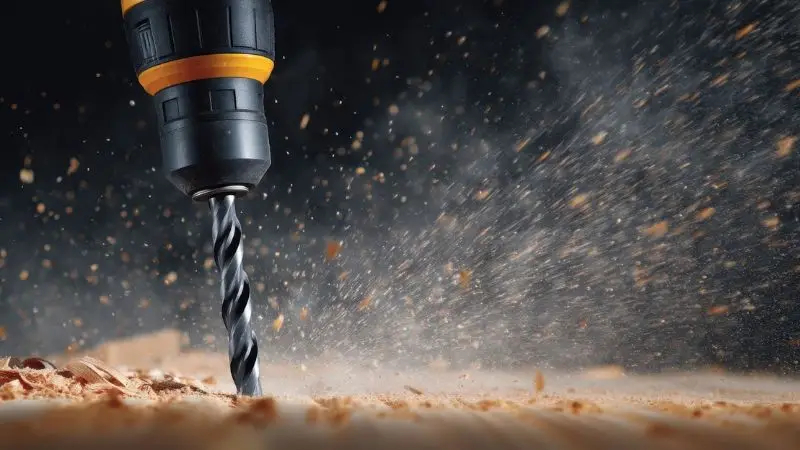
Different materials need different approaches when drilling. Each one requires the right drill type, bit, and speed to get clean, safe results. Let’s look at how to handle wood, metal, concrete, tile, glass, and plastics.
Drilling in Wood
Wood is one of the easiest materials to work with. A cordless or corded drill is often enough, and the choice of bit depends on the hole size:
- Twist bits – good for general use.
- Spade bits – perfect for larger openings.
- Brad point bits – ideal for clean, precise holes.
- Auger bits – remove chips quickly for deep holes.
For most jobs, medium speed works best. Drill slower for hardwood to prevent burning. If your project needs high accuracy, solid carbide or brad point bits are reliable tools for drilling small, precise holes. Always choose the drill bit size that matches your design for neat results.
Drilling in Metal
Metal requires extra care and strength. A corded drill or drill press gives consistent power, while the right bit ensures accuracy:
- Twist bits – suitable for most metals.
- Step bits – useful for larger holes.
- Replaceable tip drills – allow quick changes.
- Solid carbide drills – handle tough metals.
Use slow speeds to protect your tools. The best drill for drilling holes in metal is usually corded, as it avoids power loss. Cutting oil keeps bits cool and improves performance. For high-precision projects, indexable or solid carbide drills help maintain accuracy and extend tool life.
Drilling in Concrete
Concrete is tough and needs more power than other materials. A hammer drill or rotary hammer works best, paired with masonry bits. You can also use:
- Masonry bits – break through concrete effectively.
- Solid carbide bits – ideal for smaller, smoother holes.
- Replaceable tip drills – useful for large projects.
Keep the drill at a slow speed, and let the tool do the work. Forcing it may break the bit. The safest way to drill a hole in concrete is with steady pressure and the right masonry bit. For big jobs, rotary hammers with insert drills save time.
Drilling in Tile and Glass
Tile and glass are delicate, so you need to drill slowly and carefully. A rotary drill is recommended, along with:
- Spear point bits – reduce cracking risks.
- Diamond-tipped bits – cut cleanly through glass.
- Solid carbide bits – give precise results.
Always use water to cool the bit and prevent damage. Start with light pressure to score the surface before drilling deeper. By controlling the speed and applying patience, you can create neat holes without cracks. For projects that require accuracy, solid carbide or diamond-tipped bits are excellent choices.
Drilling in Plastics
Plastics can soften or melt if drilled too fast, so speed control is important. A cordless or corded drill works well, with the following bits:
- Twist bits – best for everyday use.
- Step bits – suitable for larger holes.
- Replaceable tip drills – quick and convenient.
- Solid carbide bits – ensure smooth finishes.
Use slow to medium speed and always support the plastic with scrap wood to prevent cracking. For smooth, accurate results, solid carbide drills are reliable tools for drilling small, precise holes. Choosing the right bit size avoids rough edges and keeps your project looking clean.
Key Factors for Drill Bit Selection
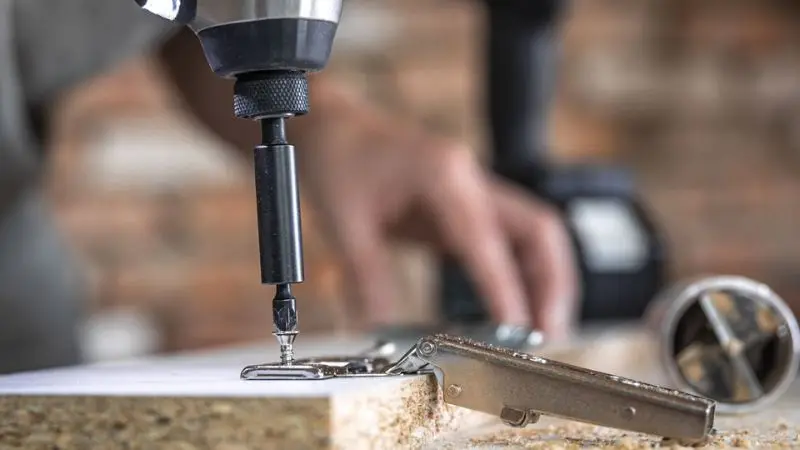
Selecting the right drill bit goes beyond choosing a size. The material, coating, geometry, and shank type all play a major role in how your tool performs. When you understand these factors, you know how to choose the right drill bit for a hole and get cleaner, safer results every time.
Bit Material and Coating
The material and coating of a drill bit determine both strength and durability. High-speed steel bits are the standard for most projects, but when you need extra power, solid carbide drills provide longer life and sharper cutting edges. Coatings such as titanium or black oxide help reduce heat and friction, making drilling smoother.
If you’re aiming for accuracy and tight tolerances, solid carbide drills with protective coatings are a smart choice. Many indexable insert drills and replaceable tip drills also use advanced coatings for better performance. By selecting the right combination, you protect your tools and achieve clean, professional holes.
Geometry and Size
Drill bit geometry directly affects how efficiently material is cut and removed. Twist bits are versatile and useful across wood, plastic, and metal. For larger openings in wood, spade bits work best, while step bits are perfect for drilling multiple hole sizes in metal or plastic. Solid carbide drills excel at making smooth, precise holes where accuracy is essential.
Indexable inserts and replaceable tip drills are designed with special shapes that make drilling faster and more convenient. Always match the drill bit size to your project needs, because using the wrong size can damage your material or your tools for drilling small, precise holes.
Shank Type
The type of shank decides the level of safety with which the drill bit fits your tool. Straight shanks are ordinary and are compatible with the majority of the handheld exercises. The only difference is that hex shanks have a fixed position, avoid slipping, and are therefore perfect for power tools. Indexable features like indexable insert drills or replaceable tip drills might also have specialized shanks, which enable quick switching during large projects.
Straight shanks are common in solid carbide drills, which offer improved grip in tight tolerances. The selection of an appropriate shank guarantees a more feasible drilling process, effective and faster operation, and precise holes. And it always seems good to have a good fit between the shank and the drill chuck.
Drilling Tips and Troubleshooting
Even with the right drill and bit, problems can occur. By learning how to prevent damage, achieve smooth holes, and avoid common mistakes, you’ll get better results and keep your tools in top shape.
How to Prevent Damage While Drilling
The first step is knowing how to choose the right drill bit for a hole. Using the wrong size or type can crack wood, dull bits in metal, or even break fragile glass. Always match your drill speed to the material—slow speeds for metals, concrete, and plastics, while faster speeds are fine for softwood. If you’re unsure what tool is used to drill holes in wood, a cordless drill with twist bits is a safe option. For tougher jobs, solid carbide drills give lasting performance. Replaceable tip drills also reduce wear and allow quick changes, while cooling with cutting oil or water prevents cracks and overheating.
How to Drill Clean and Accurate Holes
Clean, accurate holes start with sharp bits and steady technique. The best drill for drilling holes in metal is usually a corded drill with step bits or solid carbide drills, since they give smooth finishes without excess heat. For deep holes, indexable insert drills maintain accuracy. If you’re working with delicate materials, patience is key. For concrete, remember the safest way to drill a hole in concrete is with a hammer drill, a masonry bit, and slow speed with firm pressure. For projects that need precision, brad point or solid carbide drills are excellent tools for drilling small, precise holes. Proper technique ensures a neat result every time.
Common Mistakes to Avoid When Drilling
Many drilling mistakes come from rushing or skipping preparation. Drilling too fast generates heat and damages both the material and the bit. Using the wrong bit for the job leaves rough, uneven holes. If you forget to check the material, you may split wood, overheat metal, or crack glass. For wood, always think about what tool is used to drill holes in wood—choosing the wrong one can ruin your surface.
For metal, skipping the best drill for drilling holes in metal makes the process harder and less precise. And for concrete, failing to use the safest way to drill a hole in concrete risks broken bits and poor results. Regularly maintaining your tools and selecting the right bit saves time, avoids frustration, and delivers professional-quality holes.
Wrap Up
Drilling may look simple, but the right tool, bit, and speed make all the difference. Whether you’re figuring out what tool is used to drill holes in wood, looking for the best drill for drilling holes in metal, or learning the safest way to drill a hole in concrete, careful choices protect both your material and your tools. Always think about how to choose the right drill bit for a hole, and keep precision in mind with the right tools for drilling holes. With the right knowledge, every hole you drill will be clean, accurate, and safe.
FAQ
What kind of drill bit do most materials relate to well?
A twist drill bit would work with wood, metal, and plastic. This chip produces clean holes and can be used with numerous drills. When you get ready to have the simplest option, a twist bit is a good place to begin. Contact with materials should always be checked by the label on the bits.
So, how can I prevent overheating my drill bit?
Hard materials should be worked with slow speeds. To add mixing oil used in metals or water in tiles and glass. Take breaks if you feel hot. Page angles are used to reduce friction.
It’s possible that I can perform the same drill on metal?
One drill can be used in both conditions, where speed can be adjusted. Metal is best when using corded drills. Wood is treated with cordless drills. – The bit is always different from the material.
Why do my plastics crack when I drill them?
You can press too hard or overdrill. Prop the plastic against scrap wood. Use a sharp twist bit. Play slowly to mediumly in order to labor. Let the drill do the work. Avoid forcing the bit.