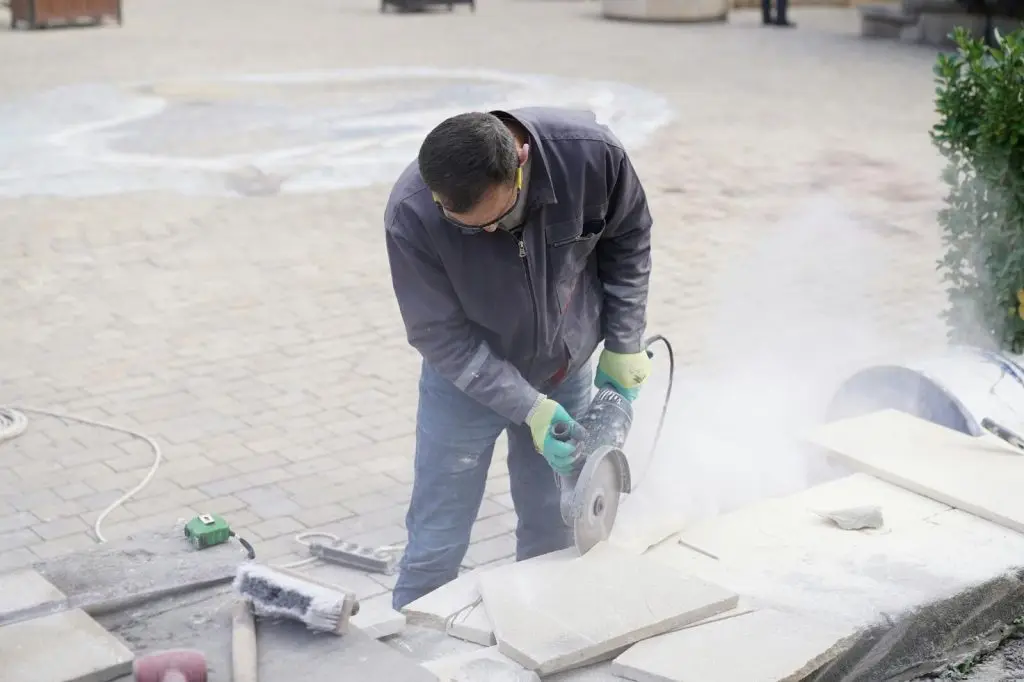
If you are embarking on a tile project, whether it is a bathroom wall, flooring, or a kitchen countertop, a wet tile saw stands out for delivering fast and professional results. Manual tile cutters can be used for professionals or small jobs, but they have a few limitations.
In this detailed guide, we will walk through these two types of tile cutters, the manual tile cutter vs tile saw, how they work, and the key differences between them. We will help you choose the right one for your task. Let’s start!
What is a tile cutter?
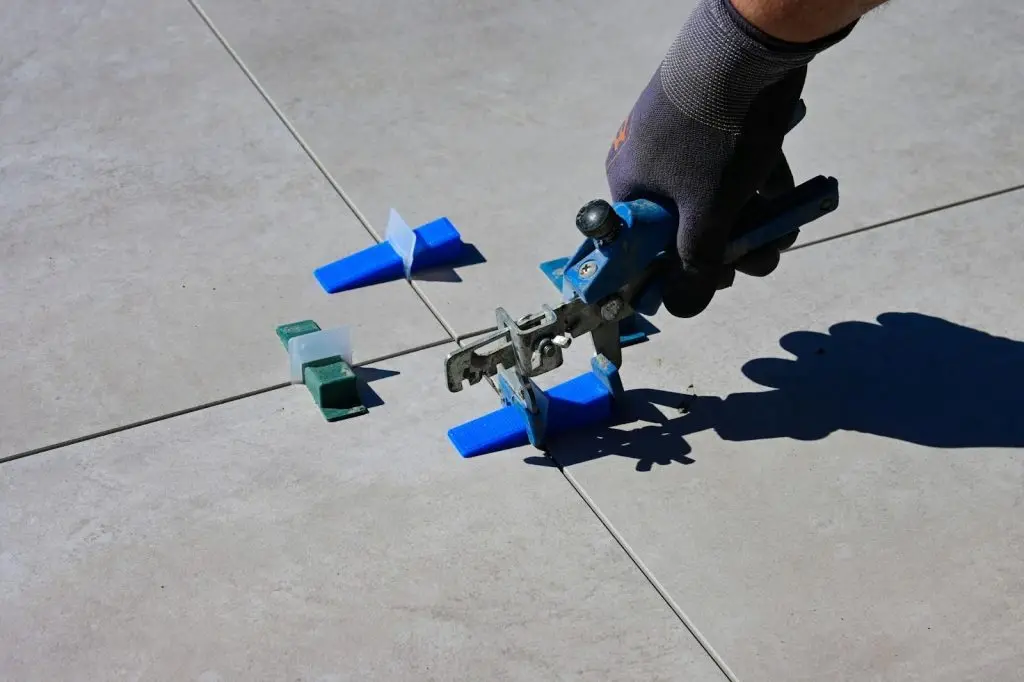
A tile cutter is a tabletop or handheld tool for cutting ceramics and some porcelain tiles. It contains a scoring wheel that scores the tiles as you pull the handle across it. After that, the tool applies pressure to break the tile along the scored line.
The cutters are mostly used by DIY users, contractors, and home renovators working with ceramic walls or floor tiles. They are lightweight, quiet, and convenient to use with minimal setup. Its common uses are:
- Cutting ceramic tiles for building walls and floors
- Repetitive cuts on softer materials
- Making straight cuts on tiling layouts
Despite these uses, the cutters are limited to use on hard materials or difficult cuts like L-shape, curves, or notches.
What is a tile saw?
A tile saw is also called a tile wet saw and has a circular diamond blade for cutting tiles. Most of the tile saws use water to minimise the dust, cool down the blade, and reduce chipping. Therefore, they are called a wet saw.
It is commonly used by professional tilers for cutting dense porcelain, granite, marble, glass, and natural stone. It has high precision and power to cut almost any tile material, therefore being the first choice for tilers. Its typical uses are:
- Cutting huge or rigid porcelain tiles
- Cutting glass tiles accurately
- Cutting natural stones like granite, slate, marble, etc.
- For achieving smooth, chip-free edges
- Making angled or curved cuts
Wet tile saw or tile cutter for porcelain delivers the best results, but they are more expensive than other cutters and require skill training for using them safely.
Differences between tile cutter vs tile saw
Let’s have a look at the key differences between tile cutter vs tile saw:
Cutting Mechanism
A tile cutter uses a manual snap-and-score mechanism in which the scoring wheel scratches the tile glaze. Pressure is applied to break the tile along the snap line.
A tile saw uses a motorised diamond saw that rotates at high speed and passes through the blade to create a cut. Water is used to clean the blade and reduce dust.
Decision: The saw gives powerful and precise cutting, and the tile cutter depends on a proper scoring technique.
Materials Tool Can Handle
Tile cutters are best for:
- Ceramic tiles
- Porcelain tiles(not too thick)
Tile saw are best for:
- All tile materials
- Best for marble, tiles, and glass
- Works great on textured, thick, or brittle tiles
Decision: If you are working on different types of tile materials, you need a tile saw.
Types of Cuts Possible
A tile cutter can handle straight cuts only. It can cut diagonally, too, but it depends on the type of model. It can’t cut curved, round, or complex shapes.
A tile saw can handle straight, diagonal, L or U-shaped, bevel, curved, or even very fine detailed cuts.
Decision: Tile saws are the perfect winner for versatile cutting needs.
Precision and Edge Quality
Tile cutter:
- Quick straight cuts
- Needs proper scoring; otherwise, it causes uneven edges
- Hard porcelain is likely to break
Tile saw:
- Provides accurate finishing on glass and stone
- Offers neat, smooth, and accurate edges
- Gives exact cuts for tight-fitting installation
Decision: Tile saw provides superior, finished, and consistent cutting over a tile cutter.
Speed and Efficiency
The tile cutter is fast for repetitive cuts, and it doesn’t require power. It is easy to set up and doesn’t require much skill training for use.
Tile saw offers faster cutting for thick and hard materials. Its setup is quite lengthy because of water, blade adjustment, and cleanup. It is ideal for professional tilers for cutting tiles in special and complex shapes.
Decision: When comparing tile cutter vs tile saw, tile cutters are good for simple and small ceramic work. Tile saws are good for complex and heavy-duty work.
Cost
Tile cutter cost ranges from low to medium. It is affordable for DIYers, homeowners, and occasional users. Tile cutter blades need replacement over a period.
Tile saws are more expensive, especially wet saws, but they offer greater stability. They are good for long-term investment for professionals. Wet saws require water for cleaning and neat work.
Decision: As compared to tile cutter vs tile saw, cutters are cost-effective, while tile saws are an expensive investment for professional users.
Maintenance & Durability
Tile cutters require minimal maintenance, as you only need to oil the scoring wheel occasionally. For a longer life of the tool, clean the blade after every use to avoid corrosion.
Tile saw maintenance is more careful than cutters. You have to clean the water reservoir and maintain the motor and the blade. Sometimes worn blades need replacement, too.
Decision: Comparing tile cutter vs tile saws, we come to the conclusion, cutters require less maintenance, but tile saws are complex to care for. On the other hand, they are versatile for precision tile work.
Noise & Safety Considerations
Tile cutter:
- Very calm and quiet
- No power requirement
- Low risks as compared to other tools
Tile saw:
- Motor and blade create noises
- Requires safety gear like glasses, gloves, and ear protection
- Water causes less dirt, but makes the workplace slippery
Decision: As compared tile cutter vs tile saw, tile cutters are quiet and safe, but tile saws make noise and require safety precautions.
How to select between tile cutter vs tile saw
Choosing the right cutter depends on several factors. We will help you decide what to choose between a tile cutter vs tile saw:
Consider tile material
If you are working on ceramic tiles, a tile cutter is more than enough for your project. It can cut the thin tiles with precision effortlessly.
For porcelain tiles, you will need a tile saw because it is more powerful than a cutter. It cuts the porcelain tiles neatly without any cracks.
If your work is based on glass, you need a tile saw, as no tool can cut the glass more accurately than a saw.
Look at the cut requirements
Another important factor to look for is the cutting requirements. If you want simple and straight, a tile cutter is ideal for that. It is easy on your pocket and convenient to use.
If you are a professional, you have to cut tiles in complex shapes like curves, bevels, rounds, diagonals, or notches. For that, we will recommend a tile saw for its perfection in this work.
Project size

Before buying the right tool for your project, analyse the size of your project. If you are working on bathrooms and backsplash, you can have a tile cutter for that.
Working on large flooring or professional work needs a pro cutter, like a tile saw. It is rigid and works more efficiently.
Budget
For DIYers and small household tasks, you should have a tile cutter. It is cost-effective and performs small tasks conveniently.
If you are a professional, you will need a fine tile saw for daily tasks. It is expensive, but it is a good investment for the long term.
Skill level
Beginners and DIYers can work easily with a tile cutter, as it doesn’t require many skills and training.
A tile saw gives precision, but it needs proper training and skills to use. Only professionals can handle it correctly.
Workspace availability
Tile cutters need a small workspace and don’t require electricity. It works neatly without any noise.
A tile saw needs water, electricity, and a proper and stable setup for working. It is good for big projects with professionals.
FAQs
Is a tile cutter good for porcelain tiles?
Yes, it is good, but for only medium-thin porcelain tiles. Thick and hard porcelain tiles may get cracks or damage from a tile cutter. For large porcelain tiles, you should have a tile saw for best results.
Can a tile saw cut glass or stone tiles?
Yes, a tile saw with a diamond blade or glass blade can cut various material surfaces accurately. It can cut glass, marble, porcelain, slate, granite, and natural stones precisely.
Which gives a cleaner finish: tile cutter or tile saw?
A tile saw gives the perfect cut with the smoothest finish. It produces fewer chips and works best on delicate surfaces. It gives perfectly smooth and polished edges. When we compare tile cutter vs tile saw, cutters are good enough for ceramic tiles, but they can’t provide precise work on other materials.
Conclusion
In a nutshell, comparing tile cutter vs tile saw, tile cutters and tile saws are both essential tools for tile cutting, but they are suitable for different purposes. A tile cutter is affordable, easy, and it cuts ceramic tiles accurately. It is convenient to use for household tasks and DIY work.
A tile saw is the right choice for professional and complex tile cutting. It is expensive, though, but it is a good investment for the long run. Cutters can’t do accurate cutting on different materials.
The choice of the cutter depends on your project, skill level, budget, and the type of material. We have provided you with the uses and comparison of both the wet saw vs manual tile cutter. Choose the one that works best for you!