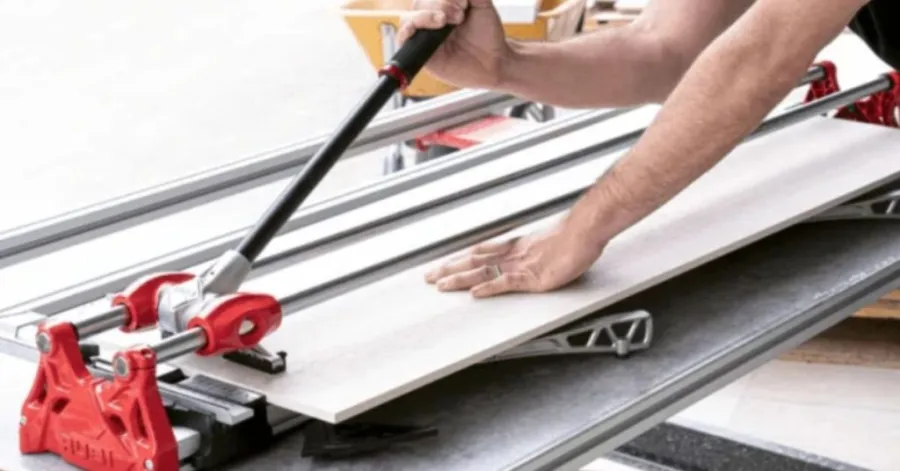
The ideal home tile cutting machine can make your renovation project easier, faster, and more accurate. Manual cutters, electric tile cutting machines, and wet tile saws are available, and the best option depends on the tile type, size, thickness, cutting needs, and your skill level. A good manual cutting tool may suffice for ceramic tiles, but dense porcelain may need a more powerful wet saw and the right diamond cutting blade. This guide outlines the differences between common tile cutting machines and what to look for before purchasing them for a home project. You can compare cutting capacity, accuracy, portability, durability, and ease of use to choose a durable machine that delivers clean, consistent cuts.
Table of Contents
Best Tile Cutting Machines for Home Use
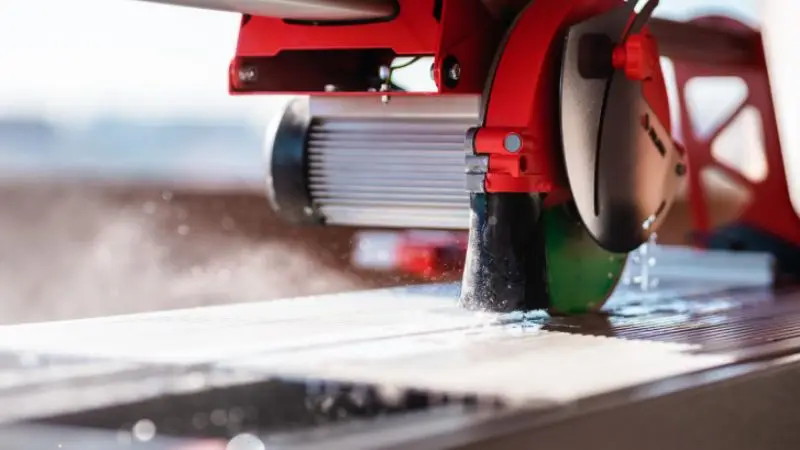
The right machine depends on the tile material and size, the type of cut, and the operator’s skill level. The following options are available – both manual and electric – to meet various home renovation needs. Different tile-cutting machine models vary in cutting power, portability, and accuracy, catering to different needs in both professional and residential settings. When selecting a model, take into account the size and type of tile. The best tile cutting machine for a beginner will be easy to use; more advanced models will be suitable for more significant or demanding projects.
Recommended For Your Project
VEVOR 35-Inch Manual Tile Cutter
The VEVOR 35 Inch Manual Tile Cutter is a convenient option for home improvement projects with ceramic tiles, porcelain tiles, and other tiles. It has a long cutting ability, so it can be used for larger tiles, and the manual design is easy to use and doesn’t need electricity or water. Strong build and flexible cutting parts ensure straight cuts under even pressure. As a beginner learning how to use the tile cutting machine, this one will offer an easy option for manual cutting. It can also perform well in DIY flooring, wall, or backsplash applications.
Pros:
- Cutting capacity for larger home renovation tiles of long length.
- Manual operation, no electrical or water consumption needed
- Can be used in different ceramic and porcelain tile projects
Con:
- In thick or dense tiles, manual cutting might be more labor-intensive.
QEP 10600Q 24-Inch Manual Tile Cutter
The QEP 10600Q 24-Inch Manual Tile Cutter is a tool meant for homeowners who often cut ceramic and porcelain tiles. Its compact size makes it easy to handle and store, and its cutting capacity suits common home tile sizes better than larger manual cutters. The manual scoring and snapping process is relatively simple, very useful when learning how to cut tiles with a tile cutting machine. It is particularly useful for backsplashes, bathroom walls, kitchens, and small floor jobs. Because of its ease of use, it can assist the novice in making clean, straight cuts without having to install an electric saw.
Pros:
- Ideal for typical ceramic and porcelain tile applications.
- It’s easy to put in a small closet or cupboard at home.
- Easy to operate with simple hand operation for straight cuts
Con:
- Less cutting power than larger tile cutters
RUBI SPEED-N 62-Inch Tile Cutter
The RUBI SPEED-N 62-Inch Tile Cutter is designed for tile cutting on large tiles where extended cutting capacities and accuracy are paramount. It is also available in a long format, which is ideal for large tiles that can be challenging to cut with smaller, hand-held saws. The manual design works without the use of electricity or water, and can be helpful for remodeling work indoors. This model features the reach necessary for longer straight cuts for homeowners using large porcelain slabs or floor tiles. It can also attract seasoned DIYers who are searching for a tile cutting machine they can use for professional tasks on challenging projects.
Pros:
- Excellent cutting performance for large format tiles due to a long cutting capacity.
- No electricity or water needed for manual operation
- Ideal for big porcelain and floor work
Con:
- Storage and handling may be more challenging with large sizes
DEWALT D24000S Wet Tile Saw
For homeowners seeking accurate cuts on challenging tile jobs, the DEWALT D24000S Wet Tile Saw is a powerful electric tile saw. It is a wet-cutting machine that helps to control dust and heat and to cut harder materials with smoother results. The saw works with ceramic, porcelain, and other types of tile that are frequently used in home remodeling. It can also be electric and help you with repeated cuts, particularly on larger floor or remodeling jobs, as compared to manual scoring. To understand how a tile cutting machine works, a wet saw is the best example: a powered diamond saw blade and water system.
Pros:
- Powerful electric cutting for demanding tile work.
- Wet cutting system to control heat and dust.
- For ceramic, porcelain, and larger renovation projects.
Con:
- Needs electricity and water, and is more complicated to set up than a manual cutter
SKIL 3540-02 Wet Tile Saw
SKIL 3540-02 Wet Tile Saw is an electric tile saw that is budget-friendly for homeowners who want to use an electric tile saw and do not wish to select a larger professional machine. Its portability is ideal for DIY bathroom, kitchen, backsplash, and flooring projects because it is compact. The built-in water system cools the blade during cutting and limits the amount of dust that can be thrown into the air, as opposed to dry cutting. It’s simple to use, which makes it easy even for first-time users of the electric tile cutting machine. It’s especially handy when you need to repeatedly cut straight through a regular home tile.
Pros:
- Affordable option for do-it-yourself tilework
- Space-saving for use in homes
- The water system helps to cool the blade while cutting.
Con:
- The tile size may limit projects with smaller cutting capacity.
RIDGID R4021 Wet Tile Saw
The RIDGID R4021 Wet Tile Saw is engineered to help homeowners who are looking for reliable electric cutting for their own tile work on home improvement projects. Its wet cutting system ensures heat and dust control while ensuring the blade travels through tile more easily. It can be used for bathroom floors, kitchen backsplashes, walls, and other home projects that involve lots of repeat cutting. It can eliminate physical effort in comparison with manual scoring, particularly for harder tile materials, due to its powered operation. This is a wet saw that can be a good option for anyone seeking the best tile cutter for porcelain floor tiles when shopping for them.
Pros:
- Can be used for various DIY home renovation projects
- Wet cutting to control the heat and dust from blades
- Powered cutting helps to alleviate the manual cutting burden
Con:
- More complicated to set up than a manual cutter, and larger.
Here is the quick comparison of tile cutting machines:
| Tile Cutting Machine | Type | Best For | Main Strength |
| VEVOR 35-Inch Manual Tile Cutter | Manual | Home renovation projects | Long cutting capacity and simple operation |
| QEP 10600Q 24-Inch Manual Tile Cutter | Manual | Ceramic and porcelain tiles | Compact design and easy handling |
| RUBI SPEED-N 62-Inch Tile Cutter | Manual | Large-format tiles | Extended cutting capacity and accuracy |
| DEWALT D24000S Wet Tile Saw | Wet saw | Demanding home projects | Powerful cutting and water-cooled operation |
| SKIL 3540-02 Wet Tile Saw | Wet saw | Budget DIY projects | Compact design and wet cutting |
| RIDGID R4021 Wet Tile Saw | Wet saw | DIY renovation work | Powered cutting for harder materials |
Choosing a machine without considering your actual project can lead to poor cuts, wasted tiles, or unnecessary expense. The right choice depends on the tile material, size, cutting method, and expected workload.
How to Choose the Best Tile Cutting Machine for Home Use
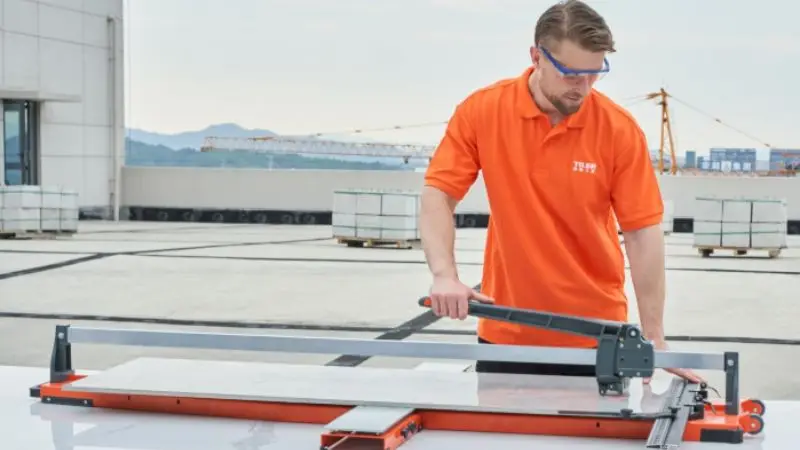
It becomes easier to select the right machine once you know the project you’re tackling. Your choice will depend on the tile material, size, cut quality, and machine design. Take these factors into account prior to purchase.
Consider the Tile Material
The type of tile you plan to cut should be your first consideration. Ceramic tiles tend to be easier to score and break, and many people are able to cut them by hand. Porcelain is denser and harder, and may need a more powerful cutting wheel, or a wet saw using a suitable diamond blade. For simple cuts, a quality manual tile cutter might suffice if you’re looking for the best tile cutter for ceramic tiles. If you are working with porcelain or thicker materials, find a machine that is able to resist higher forces and repeated cuts.
Check Cutting Capacity and Tile Size
When purchasing a machine, always be sure to find out the longest length it will cut and what diagonal cut it will tolerate. Too small a cutter may restrict the tile sizes you can use and make some projects challenging. Measure the size of the largest tiles and determine their size relative to the machine’s specifications. The smaller manual cutters are good for regular-sized wall and floor tiles; larger format tiles may need a longer cutter or a wet saw. The selection of a suitable capacity also facilitates the use of the tile cutting machine easily to cut tiles, because the tile can be kept well supported during the cutting process.
Choose the Right Blade or Cutting Wheel
The quality of cutting is significantly affected by the blade or scoring wheel. Manual cutters use scoring wheels, which, when moved over the tile, make a controlled line that is then snapped, whereas electric machines often use diamond blades. Selectively match the cutting part to the type of tile and thickness. Dense porcelain can be cut better with a suitable diamond blade, and an appropriate scoring wheel can cut ceramic tiles cleanly. The chipping is also reduced, and the machine will work smoothly during your project if you have the right component.
Consider Cutting Accuracy
When it comes to tiling around walls, corners, fixtures, and more, it’s crucial to get it right. Search for a machine that has steadfast guides, a secure tile-holding mechanism, and legible measurement markings. Manual Cutters – score in a straight line in a controlled manner and avoid lots of movement. Electric machines must have stable cutting surfaces and reliable guides for repeated cuts. When it comes to visible flooring and detailed layouts, precise cutting can minimize wasted tiles and enhance the overall appearance. When making multiple identical cuts, a machine that maintains alignment throughout the operation is particularly useful.
Check Ease of Use and Portability
Take into account the ease of setup, operation, transportation, and storage. Manual cutters tend to be less expensive and portable, and can be operated without electricity or water, making them suitable for smaller jobs. An electric wet saw may have more cutting power, but it requires more setup and cleanup time. If you don’t have a lot of room, a small model might be more convenient. Simple controls and tile support can help beginners make the process of using a tile cutting machine easier.
Compare Price and Durability
Construction quality and intended use should be taken into account when considering price. For the occasional home mending, a simple hand saw may be all that’s needed, but if you’re a regular renovator, a sturdier saw might be worth it. Examine the frame, cutting tool, guides, scoring wheel, and other parts. Don’t assume that a more expensive machine is necessarily the better one; pay attention to whether the features are suitable for your projects. When looking for the best tile cutting machine for home use, opt for the machine that offers the capacity and durability you need without the bells and whistles that you aren’t likely to use.
Manual vs. Electric Tile Cutting Machines
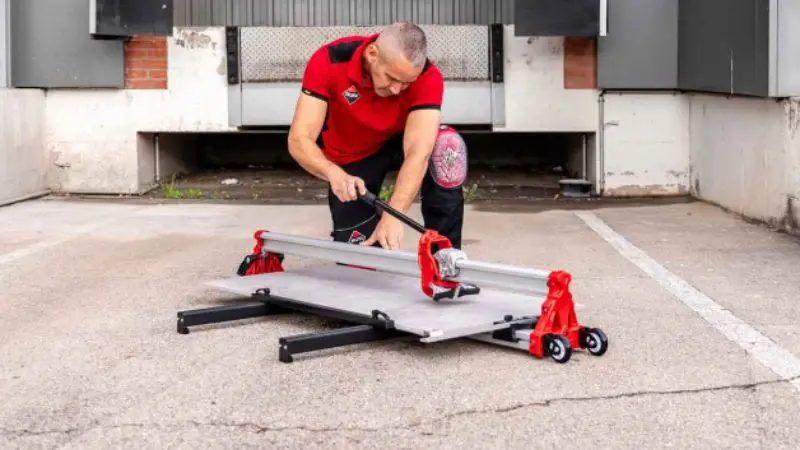
There are a number of different kinds of tile cutting machines, and every type will operate in a different way. Knowing these can help you choose a machine suited to your tile materials, project size, cutting style, and experience level.
Manual Tile Cutters
Manual Tile Cutters have a scoring wheel that cuts a line into the tile so that it can be broken in a controlled manner. Then, pressure will be applied down the score line to break the tile’s bond. They don’t require power or water, making them well suited for interior renovation projects and fast straight cuts. Manual cutters are suitable for ceramic tiles, and with the appropriate scoring wheel, can also cut certain porcelain. They’re fairly mobile and easy to care for. A manual tile cutting machine for beginners could be a suitable option for simple residential tasks, allowing you to master the basic cutting techniques.
Electric Tile Cutters
Instead of scoring and breaking the tile by hand, an electric tile cutter is powered with a blade to cut through the tile. They are able to make successive cuts with a reduced amount of physical effort and are handy for harder or thicker materials. Electric machines may manage ceramic, porcelain, and other kinds of tiles. They are especially helpful when you need a lot of cuts, as in a bigger renovation project. They typically require an electrical supply and work area, however. Always refer to manufacturer operating instructions and use the proper blade for your tile when learning to use a tile cutting machine.
Wet Tile Saws
Wet tile saws are electric saws that use water to circulate around the cutting area to help cool the blade and to control dust. Ideal for dense porcelain, thick tiles, and projects where multiple or exact cuts are necessary. The water system also can be used to control heat from cutting. Wet saws are capable of making straight cuts and may be designed for making bevel, diagonal, or other special cuts. They have more cutting power and are a good option for the more difficult renovation efforts, but they do need more space, setup, and cleaning than manual cutters.
Which Type Is Best for Home Projects?
The best type is dependent on the material of your tile, the size of your project, the cuts you need, and your experience. For straightforward ceramic tile applications or for the occasional do-it-yourself project, a manual cutter might be a practical option. If you require more power or repeated cuts, an electric cutter might be a better choice. For dense porcelain, thicker tiles, or when more flexibility is needed, consider using a wet saw. Don’t buy a machine just because it’s labeled the best tile cutting machine; think about what your project needs. This will help you to select the machine that is useful, precise, and simple to use.
Common Mistakes to Avoid When Buying a Tile Cutting Machine
Selecting a machine based on the project you need to cut can result in substandard cuts, wasted tiles, and extra costs. The right option will depend on the material of the tile, size of the tile, the method used to cut them, and the amount of cutting that is expected.
Choosing the Wrong Machine for Your Tile
A common error is buying a machine without first confirming it can handle your tile material and thickness. In general, ceramic tiles can be scored more easily than dense porcelain, which will need a more robust scoring system or a powered wet saw. Before purchasing, review the tile manufacturer’s guidelines and the machine’s capabilities. A manual cutter can be adequate for simple ceramic activities; however, it might not be appropriate for every thick or tough tile. When choosing the best tile cutting machine for your project, consider the cutting method used rather than the appearance or popularity.
Ignoring Cutting Capacity
Another significant factor that’s often overlooked is cutting capacity. Investigate the maximum straight-cut and diagonal-cut sizes and compare with the largest size tiles you intend to use. It may be hard or impossible to cut large tiles accurately for a machine that is not large enough. It can also require you to employ different techniques, which can lead to substandard edges or breakage. Measure your tiles and leave sufficient space for the kinds of cuts necessary for your project before buying. This is especially critical for the selection of a big-sized cutter or the best tile cutting machine for home use.
Using the Wrong Blade
The cutting blade or scoring wheel should be compatible with the tile material and machine. An improper component may result in rough edges, chipping, or irregular cuts. Manual cutters use scoring wheels, and electric wet saws generally feature diamond blades that are used to cut tiles. Always refer to the manufacturer’s details before changing/replacingthe cutting component. A blade not intended for the material can also wear prematurely, and cutting performance is affected. The right selection makes for more efficient operation of the machine, and contributes to cleaner results during your renovation project.
Buying Only Based on Price
While taking the lowest-cost machine may be sensible to cut project costs, the cost does not necessarily signify the suitability of the cutter. An inexpensive model may not cut as deeply as your project needs, have as many options, or be as sturdy. However, if you need to occasionally repair small issues, you might end up paying for features you don’t use with a professional machine that is costly. Make a comparison of the construction quality, cutting capacity, tile compatibility, and expected workload before deciding. The goal is to find a machine that delivers the performance you need at a reasonable price.
Overlooking Safety and Maintenance
Prior to purchasing any type of cutting machine, safety and maintenance considerations should be taken into account. Electric models will need to have the water managed correctly, require electrical protection and periodic cleaning, and manual cutting models will need the scoring components and moving parts to be maintained in good condition. Check for easy operating instructions, sturdy construction, and easy-to-replace parts. Routine maintenance can help to maintain the cutting precision and prolong the lifespan of the machine. Even before you make the decision as to what model to select, you need to think about the ease with which you can maintain and store it. An easy-to-operate machine that is hard to maintain may eventually become a nuisance.
Wrap Up
There are several factors that should be considered when selecting the best tile cutting machine, including the type of material, the size of the tiles, the cutting technique, precision, and usage. Manual cutters are suitable for simple ceramic projects, whereas electric or wet saws offer greater power for dense porcelain or larger renovations. Before purchasing, take into account cutting capacity, blades, durability, portability, and maintenance. Don’t buy a machine simply because it looks good or is cheap. This way you can ensure the machine is suited to your project needs and create cleaner cuts and minimize tile waste whilst working more efficiently. If you are new to installing tile or a seasoned DIYer, the appropriate machine can help you work faster and more effectively.
FAQ
What is a Tile Cutting Machine?
A tile cutting machine is a tool used for cutting ceramic, porcelain, and other tiles. Manual models feature scoring and snapping of tiles, while electric models have powered blades.
What is the working mechanism of a tile cutting machine?
A manual cutter cuts into the surface of the tile prior to the pressure separation along the cut line. Electric models have a rotating blade that will slice the tiles.
So, which is the best home tile cutting machine?
The ideal home tile cutting machine will vary based on the type of tile, the size of the tile, and the project. Simple jobs are done with manual cutters, and wet saws cut harder materials.
Is it possible to use a Tile Cutting Machine for cutting porcelain tiles?
Yes, a lot of machines are able to cut porcelain tiles. Select a model and a blade that is best suited to the material, particularly if using thick or large format porcelain tiles.