You want your yard to look fresh and ready this spring—and the right cleanup plan makes all the difference. After a long winter, it feels great to step outside and give your yard a fresh start. Whether you’re a seasoned homeowner or just getting started, a simple spring yard clean-up checklist helps you take it step by step.
No stress, no confusion—just clear tasks that bring visible results. From clearing leaves to prepping your garden beds, every action brings your space back to life. This spring, enjoy a clean, vibrant yard that’s ready for family fun, relaxing days, and more.
Step 1: Preparation Is Key
Prior to the commencement of the yard work, it is good to organize it. The preparation is the key to a trouble-free spring yard clean-up, since it allows you to work faster and more safely. Planning and kit collection are time well spent, ensuring you don’t have anything that could slow you down when moving.
Gather the Right Tools
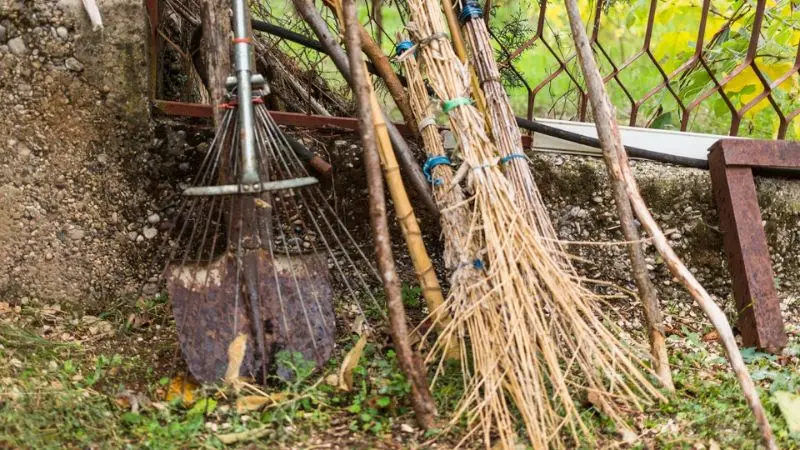
You can prepare yourself by ensuring you have everything you need. Of course, you should get a pair of hand gloves to protect yourself, and a rake will assist you in collecting leaves and small branches. Pruners can be used to clip the shrubs and small offshoots. You will also require some big bags to pick up rubbish.
It is a good idea to have a ladder on hand in case your yard consists of tall trees and/or gutters. Do not forget such safety requirements as goggles and a dust mask. A lawn sweeper may save time as it gathers the leaves and grass clippings, and debris very quickly. The more prepared you are with the necessary tools for cleaning up your yard during the spring, the better you will go along with all of them, one step at a time.
Put Safety First
It is as necessary to stay safe when one is doing the yard work as to do it. Start by checking your tools that are not broken or rusty. Wear closed-toe shoes at all times to avoid being hit on the feet by any debris or sharp objects.
If you’re using a ladder, place it on even ground and have someone hold it steady. Keep an eye out for hidden items in the grass and overhanging branches. A safe approach helps your step-by-step spring yard clean-up guide run smoothly without unexpected problems.
Make a Simple Plan
A little planning can go a long way. See how the weather is going to be and then select a dry and comfortable day to start with. Divide your work into small parts to make it easier to do the job. Take one area at a time, e.g., first you have to clear, and then tidy up.
Write a checklist to cover all the necessary activities that will help you to be organized throughout the season. When checking out the details of what you should include in doing a spring yard clean-up, a properly planned system will help you not skip some crucial aspects in the process, such as checking your gutter and the removal of dead plants.
Step 2: Follow a Complete Yard Clean-Up Checklist
Spring yard clean-up does not require only leaf raking. It is like making your whole outdoor area new again and getting ready to grow. As long as you take the right measures, it is possible to revive your lawns, garden beds, and patios following a period of weeks in winter.
Remove Winter Debris
Start your clean-up by taking a walk in your yard and removing fallen branches, twigs that can be found all over, and the rubbish that winter storms left behind. Debris can build up in many places, and underneath bushes and by fences are common places; therefore, check these areas out too, which are in obscure areas. Use a rake and tentatively bring it all into a manageable pile, and bag it to be thrown out.
A lawn sweeper is a good time saver when it comes to cleaning up a large piece of ground, especially when you need to have a large amount of twigs, leaves, and trash picked up in the shortest span of time. Clearing the clutter helps your grass breathe and promotes new growth. It’s one of the first and most important tasks in any step-by-step spring yard clean-up guide, laying the groundwork for the rest of your efforts.
Clear Leaves and Pinecones
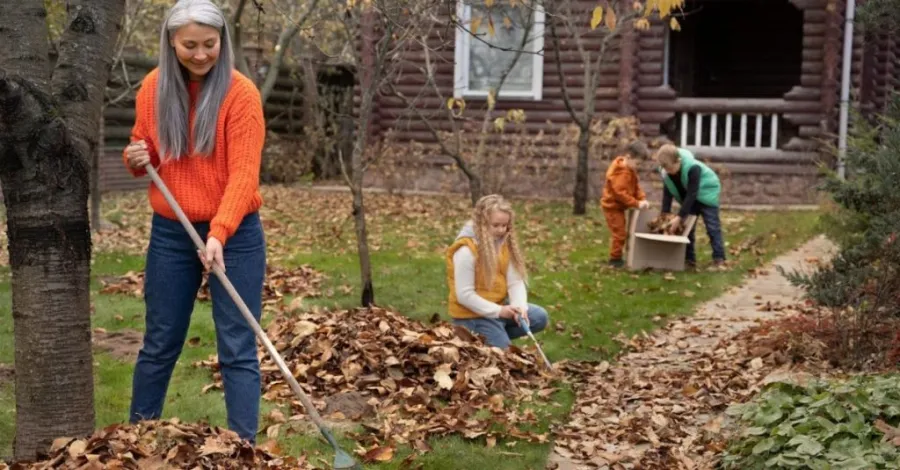
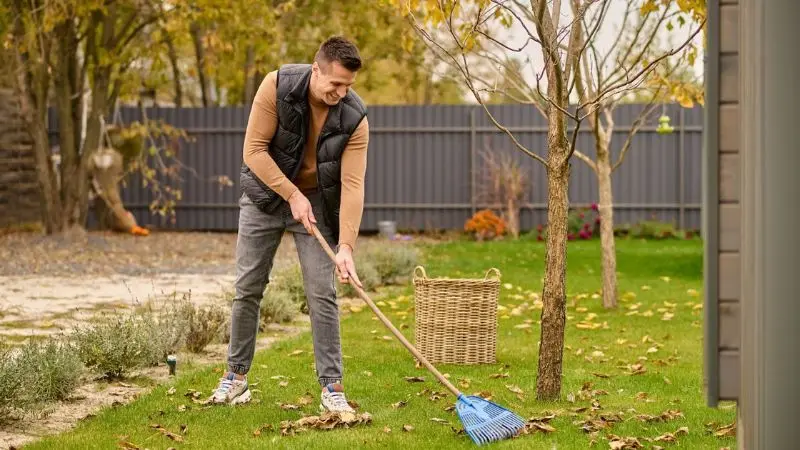
Lingering leaves and pinecones can block air and sunlight from reaching your lawn. Start at one end of your yard and rake systematically, collecting leaves into piles as you go. If your yard has many pinecones, use gloved hands or a scoop to gather them.
For faster cleanup over large areas, a lawn sweeper is a great tool—it quickly picks up leaves, pinecones, and other debris with minimal effort. Don’t forget to inspect flower beds, where leaves often hide. This step supports healthy grass and improves soil airflow. Including this task in your list of what to include in a spring yard clean-up ensures your yard gets the care it needs for a vibrant spring.
Take Down Leftover Holiday Decor
It’s easy to forget about decorations once the holidays pass, but spring is the time to clear them out. Walk through your yard, looking at trees, fences, and porches. Remove any lingering lights, wreaths, or ornaments. Carefully store them for next season to prevent damage.
Paint outdated decor in your yard, and you will have a fresh, clean yard. This is a tiny but significant action to go through when trying to figure out how to get your yard ready in time for spring, the preparation process of turning your outdoor space into a new beginning after a cold winter.
Clean Out the Gutters
Gutters would always be full of leaves, twigs, and debris during winter, and the old decorations can also be trapped. Scrape up the accumulation with gloves and a firm ladder. When that is clear, run water through the gutters to see whether they are blocked.
Gutters in good condition save you the expense of roof and siding repairs since they allow the water to drain away. This act on your spring yard clean-up checklist will enable you to detect issues before it is too late and ensure that the entire yard runs smoothly with the change of season.
Refresh Potted Plants
Once winter is over, your plants in the pots might appear exhausted or have grown too big. Begin by dead leaf removal and the clipping of perished stems. Untangle straggly vines, and see that mold is shaken off, or that the pots are not broken. When the new growth starts, give it a head start by ridding the old.
Sparkly healthy planters make your porch or patio look ten times better. If you’re committed to doing the job right, don’t forget to include potted plants in your step-by-step spring yard clean-up guide for a complete transformation.
Step 3: Spring Lawn Cleanup for a Healthier Yard

Spring is the season when your lawn begins to wake up from winter. This is the perfect time to take care of grass, soil, and new growth. By following a clear plan, you’ll help your lawn grow thick, healthy, and green all season long.
Rake and Remove Thatch
Start with raking to remove leftover debris like twigs, leaves, and dead grass. This also breaks up thatch, which is a thick layer of organic matter that blocks sunlight, water, and air from reaching the soil. If left alone, it can slow down your lawn’s recovery.
Work in small sections using a strong rake and focus on loosening any tight patches. Early raking helps your lawn breathe and prepares it for mowing. It’s one of the most important early tasks when learning how to prepare your yard for spring the right way.
Aerate the Lawn
Aeration gives your grass roots better access to water and nutrients. Use a manual tool or a rented lawn aerator to poke holes into the soil. This helps with compacted ground and poor drainage. If water pools or your soil feels hard, your lawn will benefit greatly from this process.
Aerate when the soil is moist—not wet—for best results. Including lawn aeration in your step-by-step spring yard clean-up guide supports strong, deep-rooted grass that’s more resistant to heat and foot traffic later in the season.
Fill in Bare Spots
Overseeding bare or thin patches helps your lawn grow thick and healthy. Start by spotting areas where the grass looks sparse or worn out. Sprinkle grass seed evenly over those spots, then gently rake the area so the seeds mix with the soil. Water daily until you see new green shoots.
Spring is the perfect time for this, especially after aerating the lawn. Adding overseeding to your spring yard clean-up checklist boosts your lawn’s overall look. It fills the gaps, deters weeds, and provides you with a rich, green, and beautiful lawn that you can enjoy throughout the season.
Do the First Mow Right
Do not start mowing your lawn in the early season. It is best to wait until the grass has grown to three inches, then cut. Raise your mower blades so you do not put strain on juvenile grass. Make sure that the grass is always dry when mowing–this results in providing a clean and even cut.
Ensure that your mower blades are sharp so as to avoid rough edges that are harmful to the lawn. This is the initial mow, and it should be done with a lot of care. Slow down in the now, and your lawn will grow up big and healthy, so it is a wise move in your spring yard clean-up list.
Establish Smart Watering Habits
In early spring, the most important thing is to water properly. Water in the mornings and have the grass dry up by evening time which almost abolishes disease. Shoot to put on average one inch of water a week on it, and have a rain gauge to determine how much your lawn is receiving. When it rains heavily, do not insist on watering that week.
Excess water is harmful to the roots, and just enough is good to nurture healthy roots. A steady watering routine supports a green, healthy lawn and should always be part of your spring yard clean-up and regular lawn maintenance plan.
Wait to Fertilize
Be patient when it comes to feeding your lawn. Fertilizing too early can waste product and lead to weak growth. Wait until your grass is growing steadily before applying fertilizer. This assists with the growth of the roots to reach deeper and enhance nutrients in the soil. A well-launched lawn will be healthier the rest of the season.
Delaying by a few days is a wise decision in your spring lawn maintenance plan, particularly if you’re aiming for a dense and easy-to-maintain lawn. It depends on the timing and some restraint and patience now will pay dividends in the form of greener and thicker grass in the future.
Step 4: Garden Beds and Plant Care
Spring is when your lawn requires the same care as the garden beds. Cleaning of flower beds, cleaning of weeds, and freshening of the soil also make your plants grow better. This section in your spring cleaning up yard list not only leaves your outside area fresh and alive, but it also leaves your living area fresh and lively.
Remove Weeds from Beds
Clear weeds in all garden beds and start. The weeds fight against your plants for water, sunlight, and nutrients. Remove them at their roots with a hand tool or with a gloved hand, just to ensure they will not resprout. This is most conveniently done when the earth is moist.
Throw away the weeds in a proper way so that their seeds do not grow. This will enhance the health of your garden and reduce the infestation of weeds. Weed removal is also a part of your gardening spring maintenance plan as it preserves the nice appearance of beds and helps your plants grow responsibly.
Prune and Care for Perennials
Perennial plants need attention in early spring. Trim back old or dead stems to make room for fresh growth. Cut away any parts of the plant that appear damaged or weak from winter. Pruning not only improves the look of your garden but also encourages better flowering.
By pruning regularly in the spring, your perennials will be stronger, and they will flower prettier. It is very much a part of the step-by-step spring yard clean-up you have found, and it is within the wilds of that spring yard clean-up when it comes to securing the flower beds that lie ahead of you.
Divide and Replant Crowded Growth
When you see clumps of perennials becoming too dense, now is when you need to dig them up and divide them. Take your shovel and pick up each one carefully, and tear up the root systems of the plants into smaller parts. Transplant such divisions to other locations where they can enjoy room to grow.
This eliminates congestion and gives roots room to high sucking up nutrients and water. One other way of filling gaps in the garden is through the use of divided plants. It is an intelligent way to have a saving and renovation of your space according to your spring garden clean-up checklist.
Mulch Beds and Refresh Bark
Your beds should be cleaned, as well as pruned, at which point a layer of fresh mulch or bark can be put down. Apply it liberally around your plants in about 2 2-inch depth. Mulch contributes to moisture preservation, interferes with the development of weeds, and the maintenance of the coolness of the soil. It also provides your garden with a neaten appearance.
If you already have mulch, rake it to refresh the top layer. This simple task boosts curb appeal and helps your plants stay strong. It’s one of the most important parts of spring yard clean-up for both beauty and function.
Add Bright New Flowers
Spring is the perfect time to add bright, colorful flowers to your yard. Pick healthy blooms from your local garden center and plant them in rich, loosened soil. Make sure the holes are deep enough for the roots to spread, then water them well.
New flowers instantly boost curb appeal and bring cheerful color to your garden beds. Whether you’re updating the front yard or lining a walkway, this simple step adds beauty and energy to your spring yard clean-up and creates a fresh, welcoming feel for the season ahead.
Repair Weed Barriers
Take time to inspect your weed barriers under the mulch. Look for tears, holes, or spots where the fabric has moved. Damaged areas can let weeds grow and ruin the look of your garden beds. Patch small holes or replace worn-out sections if needed.
Before laying new material, clear away any leaves or debris. Keeping barriers in good shape is an important part of spring garden care. It helps stop weed growth and makes your yard easier to maintain all season long. A little effort now saves time and keeps your garden looking neat.
Step 5: Trees and Shrubs
Your trees and shrubs are what define your landscape, and spring is the best time to examine their well-being. This is one of the steps that can be added to your spring yard cleanup checklist in order to get better sun exposure and prevent the destruction of your garden beds and lawn.
Inspect for Winter Damage
Go into your yard and look at all your bushes and trees. The broken branches in winter storms, cracks in the bark, or infestation by pests might be left behind. Examine carefully the bark and look at the holes in the bark, any sticky sap ,or bare spaces where the growth seems brittle. These signs may point to stress or disease.
Take pictures or notes to remember what needs attention later. Early detection helps you fix problems before they get worse. This inspection step is essential for proper tree and shrub maintenance and supports healthy growth throughout the season.
Prune and Trim Branches
Grab clean, sharp pruners and remove any dead or damaged branches. Broken limbs can harm the plant and block healthy growth. Make clean cuts close to the main stem, and remove any branches that cross or rub together. This improves air circulation and allows more sunlight into your lawn and garden.
Be gentle—never prune more than one-third of a plant at once. Regular pruning not only keeps your shrubs and trees healthy, but also makes your whole yard look neat. It’s a core task in every spring yard clean-up guide.
Shape Shrubs for a Clean Look
Give your shrubs a gentle trim to enhance their shape. Step back and check each shrub’s natural form before cutting. Trim long or uneven branches, but keep the bottom wider than the top so sunlight reaches all leaves. Shaping improves both air flow and curb appeal.
Don’t worry about small gaps—they’ll fill in quickly with new spring growth. This simple step keeps your landscape tidy and supports your seasonal tree and shrub care routine, especially in high-visibility areas like pathways and garden edges.
Step 6: Hardscape and Outdoor Features

Don’t forget the patios, decks, and walkways during your spring yard clean-up. These areas frame your lawn and garden, and refreshing them boosts the overall look and feel of your outdoor space.
Clean Patios and Decks
Start by sweeping away leaves, dirt, and twigs using a stiff broom. These surfaces often collect debris over winter. For sticky spots or stains, scrub with warm soapy water and a brush, then rinse with a garden hose. Move furniture and planters first so you can clean every corner.
This quick clean-up instantly brightens your space and gets it ready for outdoor meals, relaxing, or entertaining. A neat hardscape is just as important as a healthy lawn in your seasonal maintenance routine.
Pressure Wash for a Deep Clean
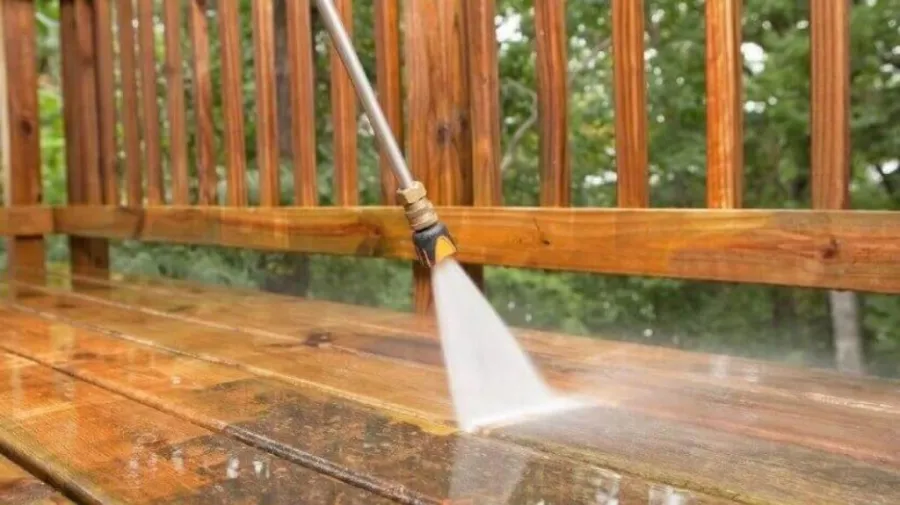
Pressure washing is great for blasting away built-up dirt on patios, decks, and walkways. Use the right nozzle and keep it moving to avoid surface damage. Always test a small spot first. If you don’t have a pressure washer, you can rent one from a hardware store.
Wear safety goggles for protection, and let everything dry fully before putting furniture back. This simple step makes your hardscape areas look fresh and clean—an important part of any spring outdoor space refresh. A little cleaning power goes a long way in making your yard feel new again.
Clean Outdoor Furniture
Dust, pollen, and bird droppings accumulate easily on outdoor furniture when it is not in use. To begin with, take a damp cloth to wipe down the tables, chairs, and the cushions. Hard surfaces could be rubbed with a small bit of soap and water. Wash away all the impurities in clean water and dry them in the sun.
Look out as you clean to find any loose screws, rust, or signs of wear and put them under repair immediately. Clean and heavy furniture will make a comfortable and safe rest. This is the easiest thing you can do to make the spring yard friendlier both to your family and your visitors.
Refresh Outdoor Decor
Go indoors a bit and adorn your decorations. Clean statues, lanterns, wind chimes, etc. Replacing dull cushions or introducing bright new pillows will make a big difference. Put some bright decoration, such as hanging some string lights or banners.
Your patio will also be warm and welcoming, even with such simple upgrades, such as gathering items to form comfortable clusters. This is the time to make your spring yard clean-up fun by doing some seasonal decorating to give a happy feel outside.
Step 7: Edging & Finishing Touches
This is the time to shine in your work, as now that the heavy lifting is over. These extra lawn touches ensure that your outdoors will not only be clean and tidy but also entertaining in the spring.
Trim Borders for a Crisp Look
Edging gives your yard a clean, professional look. Use a string trimmer or edging tool to cut along sidewalks, garden beds, and driveways. Grass often creeps into these areas and makes things look untidy. Trim slowly and keep your lines straight. Use hand clippers in tight corners. Every few minutes, step back to see your progress and fix uneven edges. Clean edges show off your lawn and garden and are a must in your spring yard clean-up checklist.
Organize Tools and Outdoor Items
A neat yard is not only about shorn grass and lovely flowers, but also the properly located equipment and other fixtures outside. Take a walk and collect stuff such as garden tools, hoses, sports equipment, and toys. Put them together somewhere so they are orderly. Put everything up (take advantage of bins, hooks, and shelves to get all the stuff off the floor).
Coil hoses carefully so as not to break, and put small tools or gloves in a marked bucket. Having a yard that is not cluttered saves future massive clean-ups. A clean place serves you better, it is more beautiful to have an organized place, and it makes your spring yard more enjoyable without having to make a lot of effort.
Declutter Your Yard
Finally, after going through your cleanup in the spring, do a final inspection of your yard. Seek out things that you have stopped using, such as broken pots, discoloured decoration, or worn furniture. Such items may cause your outdoor space to be untidy and congested. Clear away the clutter to create a calm and open feel. Place useful things in storage, and recycle or throw away the rest.
A clean, clutter-free yard is easier to maintain and more relaxing to enjoy. This simple step ties everything together and makes your spring yard clean-up complete. You’ll be ready to enjoy your refreshed outdoor space all season long.
Wrap-Up
With all seven steps in your spring yard clean-up checklist complete, your outdoor space is officially ready for the season ahead. You’ve cleared away the mess, revived your lawn, trimmed trees and shrubs, freshened up hardscapes, and added the finishing touches that truly make a difference.
From inspecting irrigation systems to tuning up your tools, every task contributes to a healthier, neater, and more inviting yard. Best of all, the effort you put in now means less stress later—and more time to enjoy relaxing, entertaining, or gardening in your beautifully refreshed outdoor space. Let spring begin!
How early can I start my spring yard clean-up?
You can start as soon as the ground thaws and snow melts. Wait until your lawn feels dry. If you walk on soggy grass, you might damage it. Early spring is the best time to get started.
What should I do with yard waste?
You have a few options:
- Compost leaves and grass clippings.
- Use the city yard waste pickup.
- Take branches to a local recycling center.
Check your city’s rules for yard waste disposal.
Do I need to aerate my lawn every spring?
You do not need to aerate every year. If your soil feels hard or water pools after rain, aerate this spring. Most lawns only need aeration every 1–3 years.
How can I keep weeds from coming back?
Spread mulch in garden beds and use weed barriers. Pull weeds when you see them. Water your plants, not the weeds. Healthy grass and plants crowd out most weeds.