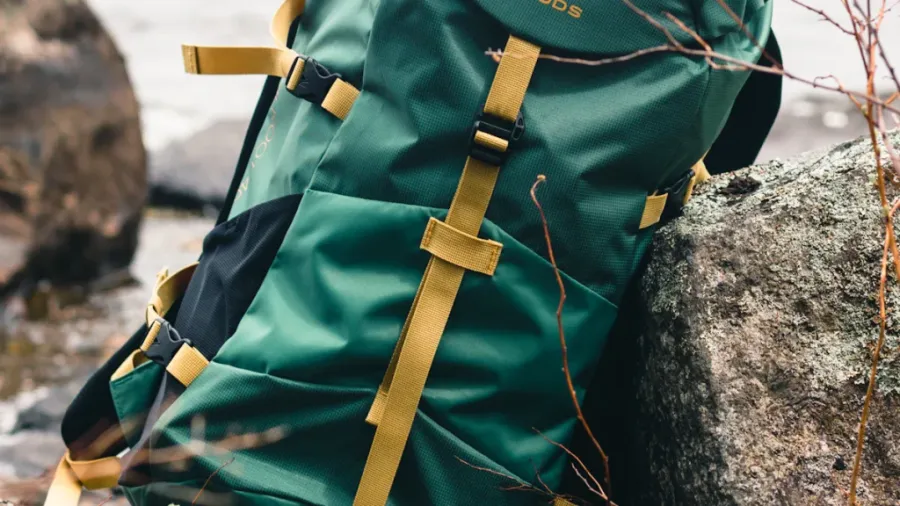
Planning to go out by yourself into nature? Solo camping can be one of the most exhilarating experiences you can have, especially if you’re in your twenties and thirties. But how do you plan for a trip by yourself?
In this guide, we’re going to give you the ultimate solo camping checklist so that you can enjoy the best of nature while being prepared for everything! Here is a solo camping checklist made from real facts and safety tips:
Why do you need a solo camping checklist?
You need a solo camping checklist because when you’re alone in the wild, you’re your only backup. There’s no one to lend you a lighter, share a sleeping bag, or help if you forget the can opener. A checklist:
- Keeps you safe: You’ll remember essentials like first aid, maps, or emergency gear.
- Prevents overpacking: You carry only what you need, which matters when you’re lugging it all solo.
- Covers your bases: Food, shelter, weather protection, tools, and even self-defense.
- Reduces mental load: Planning alone is already a lot. A checklist means fewer last-minute freak-outs.
- Helps you stay organized: From packing to campsite setup, it keeps your trip smooth, not stressful.
So basically, it’s not just a list. It’s your silent camping buddy keeping you from unwanted accidents.
Ultimate Solo Camping Checklist
1. Pick a lightweight tent for shelter
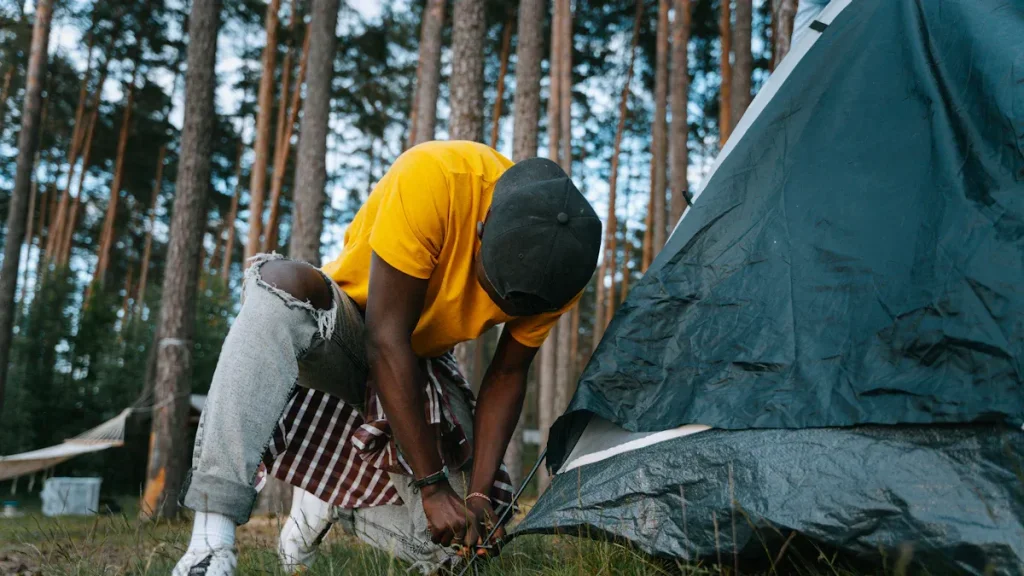
Picture this: You finish a long hike, your legs feel tired, and the sun starts to set. You want a quick, easy shelter that keeps you safe and dry. That’s where a lightweight tent becomes the star of your solo camping checklist.
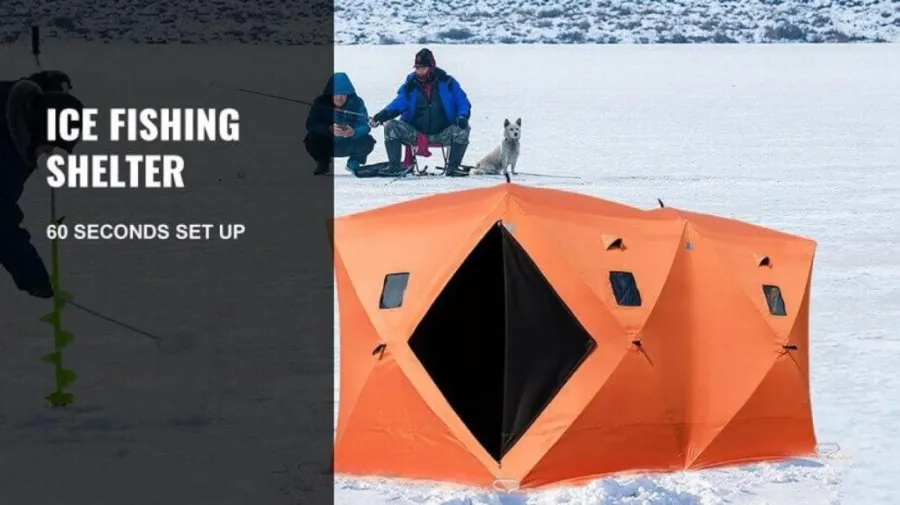
A solo camping tent makes your pack lighter and your setup faster. You can carry it easily, even on steep trails. Modern tents, like the X-Mid, give you more space for less weight. You get more room to stretch out and store your solo camping gear. The X-Mid tent, for example, uses less fabric but gives you more living space. That means you carry less but still feel comfortable.
When picking a tent for your solo camping trip checklist, look for these features:
- Ultralight synthetic materials
- Compact packed size
- Weather resistance for all seasons
- Easy setup, even in the rain
2. Get a sleeping mat
You finish setting up your solo camping tent. The air cools down fast. You want to crawl into something warm and cozy. That’s when a good sleeping mat makes all the difference on your solo camping checklist.
Staying warm keeps you safe and happy. Market research shows more campers now pick high-quality down sleeping mats because they know warmth matters. Down insulation gives you the best warmth-to-weight ratio.
Many campers choose mats with temperature ratings 10-15ºF below the coldest night they expect. This helps you avoid shivering at 3 a.m. You might also use a hot water bottle or a thick sleeping pad (5+ R-value) to keep the cold ground away.
3. Keep a warm blanket
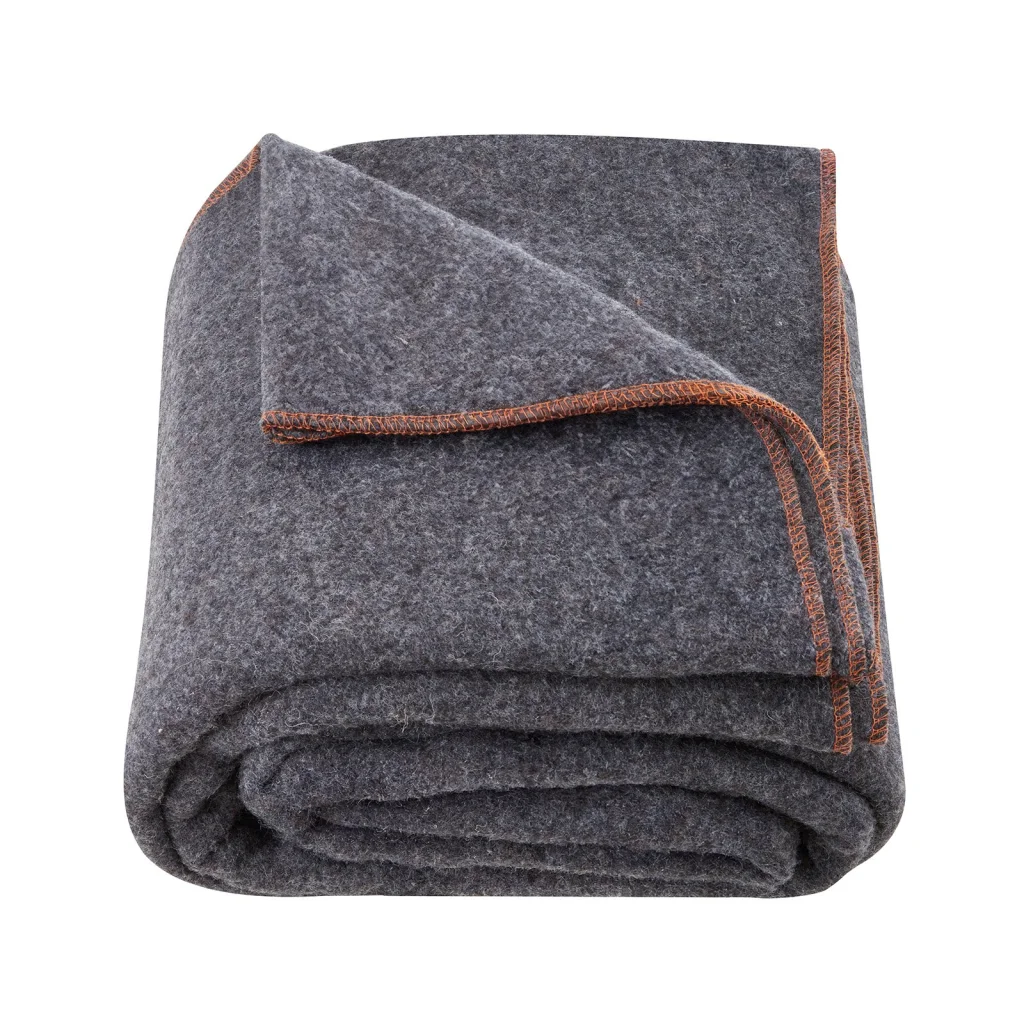
Blankets add comfort and warmth to your solo camping checklist. In 2025, you see lots of choices. Synthetic blankets lead the market because they cost less and handle moisture better.
Online stores now offer more options than ever. You can pick a blanket that matches your trip and style. When you wonder how to start solo camping, a good blanket helps you feel at home outdoors. Add both a sleeping bag and a blanket to your solo camping checklist for the best comfort.
One good option for your solo trip is the Vevor’s ultra-cozy wool blanket, designed for cold nights and rugged adventures.
4. Have your cooking gear packed
When you plan your solo camping trip checklist, you want easy cooking gear. Many solo campers pick small stoves and titanium cookware. These tools heat up fast and use less fuel. You can set them up in just a few minutes. Even new campers can use them.
- Portable gas stoves cook food quickly and use less fuel.
- Titanium cookware heats fast and saves fuel.
- Some cooking systems have a burner, pot, and fuel together.
- Gas stoves light up fast and are easy to control.
- Clean fuels like propane or isobutane make your stove work well.
5. Pack fuel for camping fire and food prep
Picking the right fuel is important for your solo camping checklist. Each kind has good and bad points:
- Wood-burning stoves use sticks and can charge devices, but they are heavier.
- Alcohol stoves are light but do not get as hot.
- Gas canister stoves are clean and simple, but you need the right canisters.
- Liquid fuel stoves work in cold weather but are heavier and need more care.
Gas fuels are easy to use and carry. Liquid fuels are better in cold or hard weather. Most beginners find gas stoves simple for their solo camping trip checklist.
6. Have a food storage system
A camping refrigerator keeps your food safe from spoilage. You do not have to worry about melted ice or soggy sandwiches. You can store fresh fruit, dairy, and even leftovers. This makes your meals healthier and more enjoyable. Many solo campers now add a compact fridge to their solo camping gear list because it saves time and reduces food waste.
You find that a small fridge fits well in your tent or car. It works better than a cooler, especially for longer trips. You can keep your favorite snacks cold and ready. This adds comfort to your solo camping trip checklist and helps you eat better outdoors.
Keep your food and drinks perfectly chilled anywhere with this Vevor camping refrigerator, ideal for solo campers on the go. Compact, energy-efficient, and easy to carry, it ensures fresh meals and cold beverages no matter how far you wander.
7. Take your first aid kit for emergencies
Bringing a strong first aid kit helps you feel calm. Be prepared for anything with this fully stocked Vevor’s 500-piece first aid kit, your must-have safety companion on solo outdoor trips.
Packed with medical essentials, it’s organized, portable, and ready to handle unexpected emergencies at camp or on the trail. It is tough, neat, and full of supplies for solo campers. You get trauma shears, a tourniquet, and a pressure bandage. These things help you treat cuts, sprains, or even bigger injuries.
8. Have a personal locator or GPS
Navigation and emergency tools are important for every solo camping checklist. You might get lost or have a real emergency and satellite messengers and personal locator beacons (PLBs) can save lives.
A GPS helps you find your way while a PLB or satellite messenger can send an SOS if you need help. These tools work even if your phone does not have a signal.
You should learn basic survival skills. Know how to build shelter, make fire, clean water, and ask for help. These skills can turn a scary time into a safe one. Your solo camping trip checklist should always have these safety tools.
Bathroom essentials for solo camping
Solo camping means doing bathroom duties in DIY fashion. But that doesn’t mean nature should be spoiled in the process. Here are some personal hygiene essentials for your solo camping checklist:
- Toilet paper or biodegradable wipes
- Pee funnel
- Ziplock bags for packing out used toilet paper
- Waste bags
- Hand sanitizer
- Biodegradable soap
- Quick-dry towel or washcloth
- Menstrual products such as pads, tampons, or a menstrual cup
- Toothbrush
- Toothpaste
- Face wash
- Deodorant
- Moisturizer
- Trash bags
FAQ
What should you always include in your solo camping checklist?
You should always pack a solo camping tent, warm sleeping bag, water filter, first aid kit, stove, light, and a multi-tool. These cover comfort, safety, and food.
How do you pick the best solo camping gear for your trip?
You should look for lightweight, durable items. Your solo camping gear list should match your trip’s weather, location, and your own comfort needs.
Is a solo camping refrigerator worth it for short trips?
For short trips, you might use a cooler. If you want fresh food or camp longer, a compact camping refrigerator adds comfort to your solo camping trip checklist.
Conclusion
Solo camping offers unmatched freedom and connection with nature, but only when you’re fully prepared. These five essentials ensure your experience is safe, smooth, and enjoyable, letting you focus on the journey, not the hassles.
From staying warm and fed to being ready for emergencies, every item on this checklist plays a vital role. Don’t cut corners when your adventure depends on smart planning and quality gear. For durable, dependable camping equipment at unbeatable value, explore VEVOR’s wide range of outdoor products trusted by adventurers everywhere.