Solar power inverter prices are expected to range from $1,000 to $3,000 in 2026. The price of a solar power inverter for homes begins to drop from the bottom of this list. Typical commercial solar installations will have higher inverter costs. Solar power inverter costs depend on various factors, such as inverter size, efficiency, and installation method. Knowing these costs can assist you in planning your solar panel installation and make use of solar incentives.
Smart budgeting will help you know that your solar power inverter costs are suitable for your requirements. How much does a solar inverter cost for a house? There are various types of Inverters available, each with distinct advantages and affordability. Various types of Inverters are available, with different advantages and costs. Other factors, such as installation, warranties, and smart monitoring, can also influence the overall investment. This guide will help you understand the cost of solar inverters, the differences between them, and decide which one is the best fit for your energy needs and budget.
What Is a Solar Power Inverter and How Does it Work
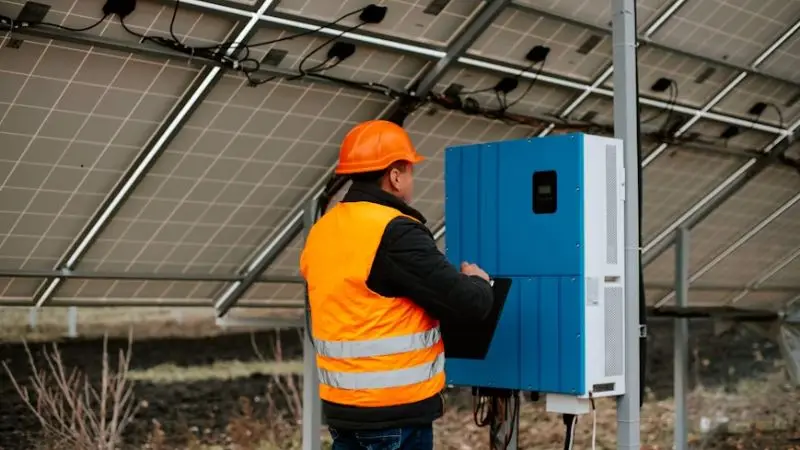
One of the most important parts of a solar energy system is a solar power inverter, which converts the direct current (DC) electricity. This is converted into alternating current (AC) electricity that can be utilized in homes and businesses. Solar inverters come in many forms, including string, micro, hybrid, and off-grid. Depending on energy needs and setups, solar inverters can be categorized as string, micro, hybrid, or off-grid.
How a Solar Inverter Works
A solar inverter enables the use of solar energy produced by solar panels in the house. Solar panels create direct current (DC) electricity. Homes and businesses use alternating current (AC) electricity. This is the inverter that changes direct current to alternating current. It can be used to run lights and appliances using solar energy. The main function of the solar inverter is to convert the direct current (DC) electricity generated by the solar panels into alternating current (AC) electricity that the electrical devices can use. The average cost of a solar power inverter system can also be obtained. During the day, the electricity produced by the solar panels is direct current (DC), but the inverter converts it into alternating current (AC).
Why Solar Inverters Are Essential for Solar Panels
The solar power system will not work without a solar inverter. Without an inverter, you won’t be able to deliver electricity from your panels to your home. Inverters protect your system. If there is an issue (e.g., a power surge), they will shut down automatically. The cheapest solar home inverter lets you track the energy your solar panels generate. This will let you know whether your system is operating properly.
There are three primary reasons there’s a reason to own a solar inverter:
- Converts the DC to AC power
- Converts DC power to AC power.
- Helps prevent damage to your system
Different Types of Solar Inverters
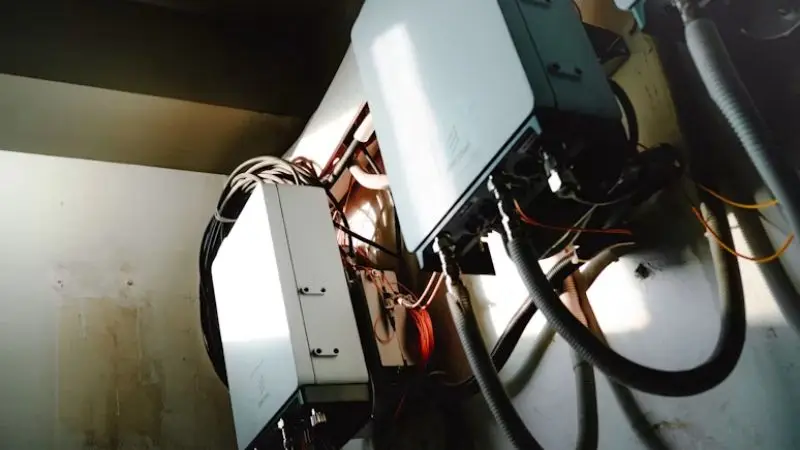
The solar inverters come in various types. They are flexible and can be adapted to the needs. It is important to consult a solar professional to determine what type of inverter to use for your home or business. The micro-inverter is one of the most popular and affordable types of string inverters for both homes and businesses. In this setup, several PV modules are connected in series (a string), and the inverter uses the combined DC power to generate AC power. A microinverter is a small-sized inverter installed on every PV panel. Each panel has its own inverter, which converts energy independently, rather than relying on a single inverter to convert energy from all the panels. Hybrid Inverters are those devices that convert solar rays into electricity and store it in batteries.
Average Solar Power Inverter Cost by Type in 2025
It is essential to compare the prices of solar power inverters before starting a solar project, since there are different types of inverters. The price of string inverters in 2025 is $1,000-$1,800, and the price of microinverters is $1,500-$2,500, due to their panel-level performance. The cost of hybrid and off-grid inverters varies from $2,000 to $3,000. Knowing these price disparities can help you determine which inverter and system price to choose when budgeting your solar project.
Cost of String Inverters
Many homes use string inverters. You usually pay between $1,000 and $1,800 for a string inverter in 2025. The average cost of a solar inverter system varies with system size. The costs will be less if you have a small solar system. The larger the system is, the larger the inverter and the more costly it will be. Your panels should be fully sunlit, and in this instance, string inverters will work best. It takes less time to install string inverters because they are all connected to a single central inverter, rather than each solar panel having its own inverter. This simpler design can potentially decrease labor costs and speed up installation. There are fewer components involved, making maintenance and repairs easier and less costly.
Cost of Microinverters
A microinverter is more expensive than a string inverter. You pay about $1,500 to $2,500 for microinverters in 2025. Homes are more expensive to install solar inverters for, as each panel must have its own inverter. Microinverters can help maximize power generation in shaded roofs and non-flat roofs. Also, there is better monitoring for each panel.
- String Inverters: The cost of 2025 home systems will be $1,000–$1,800.The inverters for residential solar power systems cost anywhere between $1,000 to $1,800 in 2025.
- Microinverters: These offer performance advantages over string inverters and provide panel-level monitoring, but can cost $1,500 to $2,500 in 2025.
Cost of Hybrid Solar Inverters
Hybrid inverters allow you to power your solar panels with batteries. The cost of a hybrid inverter is $2,000 to $3,000. A hybrid solar power inverter system is more expensive on average due to its increased capabilities. Energy can be stored and used at a different time from when the sun shines. Hybrid inverters are designed to function with the grid and batteries. A hybrid inverter can handle power from solar panels, batteries, and the electrical grid simultaneously. This provides users with greater freedom and control over their energy consumption. When the solar panels generate more power than is used, a hybrid inverter can store the excess in batteries for later use. The high-end features of hybrid inverters mean they typically cost more than conventional solar inverters. They also offer other advantages to many homeowners and businesses.
Cost of Off-Grid Solar Inverters
Off-grid inverters help you live without the power grid. You pay $2,000 to $3,000 for an off-grid inverter. The cost of the solar inverter per kW also covers the additional safety and backup features. Off-grid inverters are durable and dependable. If you’re in a remote location, you’ll need them. Such an inverter is often employed in homes located far from the electrical grid, in rural areas, vacation cabins, farm structures, and in locations with power outages or weak power signals. The cost of an off-grid system can be a determining factor in deciding whether or not it is the best way to meet one’s energy requirements. Off-grid solar inverters provide complete energy independence. Users don’t have to use utility companies or electricity bills to pay. To estimate the total cost of your solar system, compare solar inverter costs with solar panel prices.
Factors That Affect Solar Power Inverter Cost
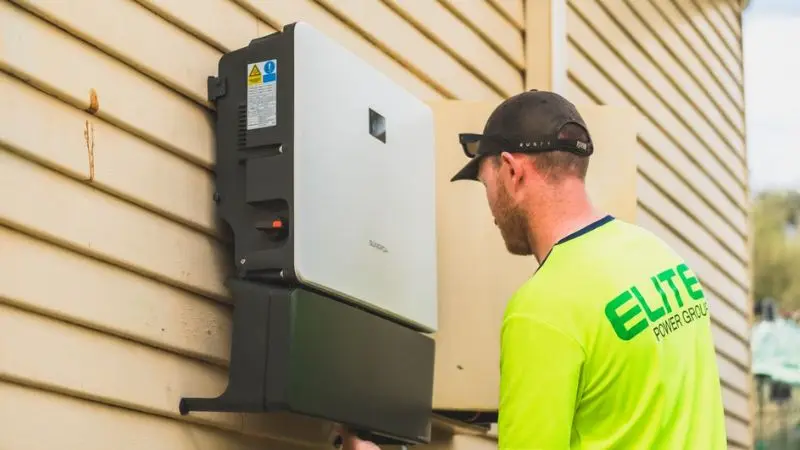
Solar power inverter costs depend on several factors, including size, smart features, and warranty. More expensive inverters can offer better performance and durability, while larger, higher-quality inverters are more expensive. Then there are the installation costs, maintenance contracts, and extended warranties. Furthermore, the more sophisticated the monitoring system and the savvier its features, the more it will cost.
Inverter Size and Capacity
It’s important to choose an inverter with the right capacity. The larger the inverter, the more it will cost. Small houses have small inverters. Bigger inverters are required for large houses or businesses. The inverter’s power should match the solar panels’. An inverter means your system will not function properly. If it is too large, you have to pay an additional fee. You can save money by selecting the correct size for the cheapest solar inverter for in-home use. Cost Control is one of the major advantages of knowing the inverter’s size and capacity. Bigger inverters will cost more than smaller ones, since they can process more electrical power.
Brand and Product Quality
There is a varying quality of brands. Famous brands cost more than the others for the inverters. Better performance and longer life equals higher costs. Some brands offer additional features. You can check out reviews and ratings of various brands. How much does a solar inverter cost for a house? A good inverter will supplement you with money in the long run. If you purchase certified products, you may receive a solar tax credit. A reputable solar inverter company is likely to have a track record of reliable, efficient products. Manufacturers who have established themselves invest heavily in research, testing, and Quality Control to ensure well-performing inverters across various weather and operating conditions.
Installation and Labor Costs
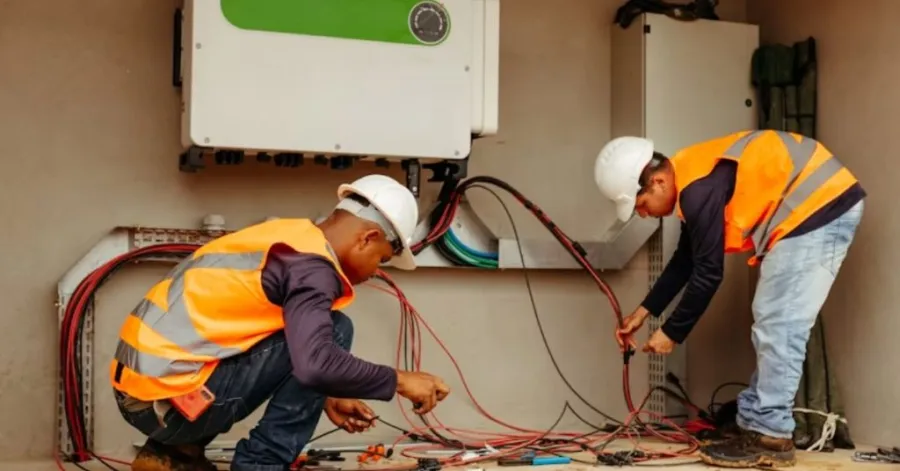
Professional installation will increase your expenses. Labor and skill are what you pay for. Some installers will charge more for difficult jobs. The more difficult your roof is to access, the more you’ll pay. There are lots of installers that you can get a quote from. This helps you find the most affordable cost for installing a solar inverter at your home. Take advantage of solar incentives to reduce installation expenses. Solar inverters convert the electricity produced by solar panels and distribute it throughout the home. If installed incorrectly, it can pose a safety risk, affect system performance, or even damage equipment. Professional installers are trained and experienced in completing the job correctly. They are familiar with electrical standards, safety procedures, and manufacturer requirements.
Warranty and Maintenance Expenses
There are various inverters, and their warranties differ. The longer warranties require more financial investment. A good warranty means you will incur lower repair costs. An inverter that is maintained works well. Some brands offer free maintenance for a couple of years. The solar tax credit can be applied towards warranty costs. The cost per kW of a solar inverter is a key component of any solar system. It converts solar-generated electricity into usable power for homes and businesses every day. When it is a continuous operation, it is important to consider how the inverter will be maintained and what protection is in place if it fails. The lifespan of solar inverters varies by model, ranging from 5 to 15 years, with some high-end models lasting up to 20 years. Warranty varies by brand, product quality, and inverter type.
How Does a Solar Inverter Cost Vary by System Size?
The price of a solar inverter would be higher for larger systems, and smaller solar inverters for a 3kW system would be cheaper. The price of an inverter for a residential system usually ranges from $800 to $3,000, whereas for commercial installations, it may exceed $3,000, depending on equipment size and other installation requirements. Selecting the appropriate inverter size can optimize performance, efficiency, and the overall cost of the project.
Cost for a 3kW Solar System
A 3kW solar system could be suitable for a small house or apartment. The average installation cost of a solar inverter for a home is $800 to $ 1,200. The cost savings are due to the reduced size of the required inverter. String inverters are suitable for a 3kW system. Microinverters are more expensive, but when your roof is shaded, they’ll perform better. You should consult with your installer about which is the most appropriate for you. The main benefit of understanding just how much a 3kW solar power system costs is that you can create a realistic budget. Solar systems are long-term investments, and knowing the total cost will help you determine whether you can afford it. Don’t guess at the amount of money required – plan. It is possible to compare solar service providers and review financing options.
Cost for a 5kW Solar System
Most medium-sized homes can benefit from a 5kW solar system. The inverter cost ranges from $1,200 to $1,800. The bigger the inverter, the more expensive it is. The price of microinverters for a 5kW system is $1,500- $2,500. The cost of these size hybrid inverters is up to $2,500. Before making your decision, compare prices and features.
- 3kW Solar System: String inverter costs $800–$1,200, microinverter costs $1,200–$1,800, and hybrid inverter costs $1,500–$2,000.
- 5kW Solar System: String inverter costs $1,200–$1,800, microinverter costs $1,500–$2,500, and hybrid inverter costs $2,000–$2,500.
Cost for a 10kW Solar System
You might need a 10kW solar system for a large home or small business. The solar inverter cost per kW jumps to $2,000-$3,000. Microinverters cost more because you need one for each panel. Hybrid inverters for 10kW systems cost up to $3,000. You should plan your budget carefully for a bigger solar installation. The cost of a 10kW solar system gives users a clear idea of how much money they need before starting the installation process. A complete solar system includes more than just panels. The total expense may include the solar inverter, mounting equipment, wiring, installation charges, safety equipment, and other accessories. The inverter is a key part of a 10kW solar system because it converts the electricity generated by solar panels into usable power.
String Inverter vs Microinverter Cost Comparison
String inverters are also inexpensive, ranging from $1,000 to $1,800. Microinverters are more expensive ($1,500-$2,500) but can enhance energy production on complex or shaded roofs. Although string inverters are more difficult to maintain, microinverters can yield more long-term savings and panel-level monitoring. The optimal value will depend on your roof design, energy objectives, and budget.
Upfront Costs
When comparing string inverter and microinverter prices, you’ll notice a significant difference! Inverter units for strings are cheaper. String inverter units are more cost-effective. The cheapest solar inverter prices for homes range from $1,000 to $1,800 for a string inverter. Microinverters are more expensive, as there is one for each solar panel. The price of microinverters is $1,500 to $2,500 for a typical house. String inverters are a good option if you’re looking for a lower initial investment.
- String Inverter: Typical upfront cost in 2025 is $1,000–$1,800.
- Microinverter: Typical upfront cost in 2025 is $1,500–$2,500.
Long-Term Savings
It’s a good idea to plan for long-term savings. Microinverters can enable each panel to generate more energy. Microinverters will help you maximize energy output from your roof if it is shaded or oriented in multiple directions. This translates to a lower electric bill for you in the long run. The best performance of string inverters is achieved when all panels receive equal sunlight. When one panel has difficulty, the rest of the system can lose power. In this guide, you will learn how much a solar inverter costs for a house.
- If a roof is not easy, consider microinverters.
- String inverters are less complex and require less maintenance.
Which Option Offers Better Value?
You want to get the most for your money. With few shades and a simpler roof, string inverters will be a great deal at a lower cost. Microinverters are more expensive, but they enable better monitoring and higher energy yields in complex installations. Solar incentives may apply to aid the cost of microinverters. Always ask your installer which inverter is suitable for you and your budget. Solar inverters come in various types, such as string, micro, and hybrid inverters. Each option comes with its own price, features, and benefits. The following feature, “Which Option Offers Better Value?”, helps users clearly see these differences. Before you choose an inverter, consider your roof, your finances, and your plans.
Hybrid Solar Inverter Cost and Benefits: A Complete Guide
Hybrid solar inverters are a hybrid solution that uses solar power, battery storage, and grid electricity to manage energy and provide backup power during an outage. The price of the hybrid inverter usually ranges from $1,500 to $3,000 for a system of a given size and complexity in 2025. For residential and commercial properties seeking greater energy autonomy, hybrid inverters are a good option.
What Is a Hybrid Solar Inverter?
It is essential to understand the special features of a Hybrid Solar Inverter. A solar panel and battery can be used with this inverter. What is the price of a solar inverter for a house? Energy from the sun is available during the day. When there is no sun or at night, you can use the energy you collected in your battery. Hybrid inverters connect to the electricity grid and allow you to use solar, battery, or grid electricity simultaneously. Greater energy control. The hybrid solar inverter provides the user with greater control over electricity usage. Solar panels produce electricity during the day, which can be utilized for various applications, such as running appliances. When there is surplus solar energy, the hybrid inverter can store the energy in the battery instead of wasting it. Hybrid Inverters help to keep your lights on during power failures.
Average Hybrid Inverter Prices
The price of hybrid solar inverters is higher than that of the basic inverters. In 2025, you usually pay between $2,000 and $3,000 for a hybrid inverter. The average cost of a Solar Inverter System depends on the features you want and the system’s size. For larger solar systems, you must have a larger hybrid inverter. Some brands offer additional features such as smart monitoring or faster charging. The table below provides a price comparison. Your installer can tell you about deals or discounts. In some instances, solar incentives can reduce your initial solar investment.
- 3 kW System: Hybrid inverter costs $1,500–$2,000 (2025).
- 5 kW System: Hybrid inverter costs $2,000–$2,500 (2025).
- 10 kW System: Hybrid inverter costs $2,500–$3,000 (2025).
Is a Hybrid Inverter Worth the Extra Cost?
Maybe you’re not sure whether it is worth spending more on a hybrid inverter. Hybrid inverters provide you with backup power and enable energy storage. The stored energy will be used during periods of higher electricity prices. A hybrid inverter can keep you safe if you are living in a region where there are frequent blackouts. If you are planning to install batteries later, this will be beneficial. If you’re looking for home and business energy independence, hybrid inverters are ideal.
- Backup power is provided.
- It can save you money in the long run.
- Batteries can be added afterward.
How Much Does Solar Power Inverter Installation Cost?
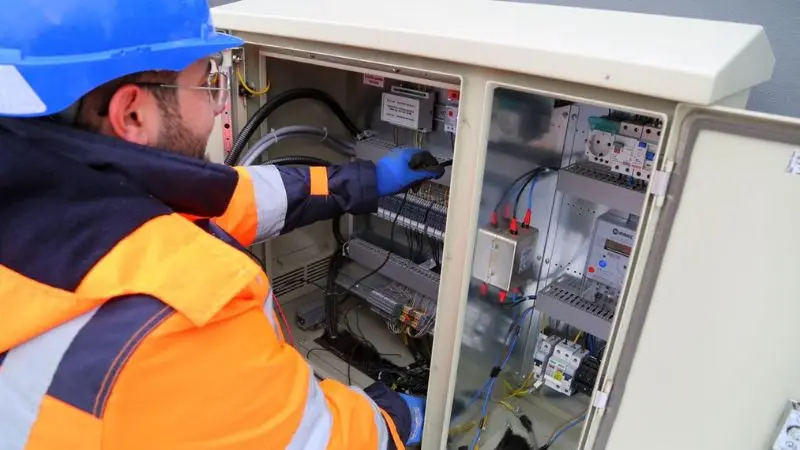
The price of a solar power inverter installation is usually $500-$1,500 for professional installation. The additional equipment, such as wiring, mounting hardware, safety switches, and batteries, will cost $200 to $800 or more. To assure safety and compliance, permits and inspections can cost anywhere from $150 to $700. By carefully considering the installation and requesting quotes from multiple solar installers, you can manage costs and get the best value from your solar system.
Professional Installation Charges
Installing a solar inverter for yourself is not a simple task. The cost of this service ranges from $500 to $1,500, depending on the installer. It will depend on your system’s complexity and geographic location. If your home has a simple setup, the cost of installing a solar inverter is lower. The steeper and more difficult the roof is to reach, the more you’ll pay. Special tools and safety equipment are required for installers. It’s always best to employ a professional energy expert for solar panel installation. This will help maintain the integrity of your system and ensure it is operating efficiently. Installers’ cost estimates provide the user with the full cost of their solar investment. It’s important to understand that the cost of a solar power inverter is not just the cost of the product. Some installation expenses include labor, wiring, system setup, safety checks, mounting, and testing.
Additional Equipment Costs
When installing the cheapest solar inverter for home use, you need additional equipment. Some need mounting brackets, wiring, or safety switches. These items cost you an additional $200 to $800. Depending on the inverter used (hybrid or off-grid), batteries or battery chargers may be required. These parts are more expensive, but provide power backup. Always check with your installer to see what equipment you need.
Here’s a list of common additional expenses:
- The price of mounting brackets ranges from $50 to $200.
- For wiring & connectors, the cost is $100-$300.
- Cost of Safety Switches: $50-$150.
- Batteries: Cost starts from $500+.
Additional Equipment Costscs
When installing a solar inverter, it is essential to adhere to the local rules. Permits and inspections are most likely required in most cities. Permit fees range from $100 to $500. Inspection fees range from $50 to $200. The following precautions will keep your system safe and up to code. In some states, there are solar incentives to help cover these costs. Always check with your installer for permits before starting. Now you are aware of the 2026 solar inverter price ranges per kW and the factors influencing them. Decide on the appropriate inverter size and design the solar system to meet the requirements and budget. Request and see incentives from local professionals. Research and set clear goals before installing solar panels. This will save your money and will get the best out of your equipment.
Wrap Up
When it comes to solar power inverters, choosing the right one depends on understanding various costs, types, and installation factors. The average cost of a solar power inverter system depends on the inverter’s size, type, brand quality, etc. String inverters are the most cost-effective, whereas microinverters and hybrid inverters provide enhanced features and flexibility. For customers looking for greater energy independence, a hybrid inverter can offer additional benefits by integrating battery storage and backup power. Professional installation, warranties, and maintenance also help safeguard your investment. You can find an inverter that meets your energy requirements by researching and comparing options and budgeting wisely. Choosing the right solar inverter can optimize the performance of the solar power system, cut electricity bills, and ensure a long-term power supply for years.
FAQs
What’s the life span of a Solar Inverter?
The typical lifespan of a solar inverter is 10 to 15 years. You may need to replace your inverter once during your solar panel system’s life. By keeping your inverter well-maintained, you can extend its lifespan.
Is it possible to do a DIY solar inverter installation?
It is not recommended to install a solar inverter on its own. Installation should only be done by a trained professional. This will ensure the safety of your system and comply with local codes.
What if your inverter breaks?
When the inverter fails, your solar panels stop generating electricity for your home. Electricity will be supplied from the mains. Contact your installer to determine and resolve the issue.