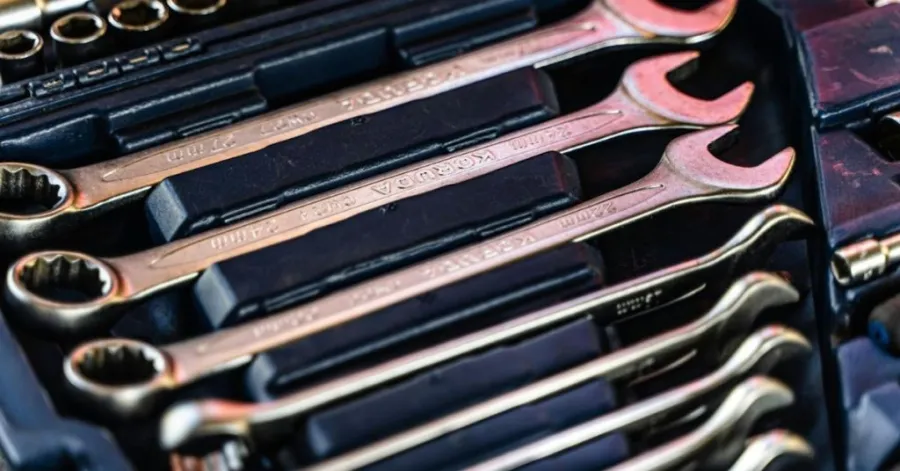
You need the right socket wrench sizes to handle different nuts and bolts with ease. The correct socket not only helps you work faster but also keeps your tools and hands safe. Every socket wrench set includes both SAE (inch) and metric (millimetre) sizes, so you can tackle any repair job—big or small.
From car maintenance to home fixes, choosing the right fit makes all the difference. Whether you’re tightening a small screw or loosening a stubborn bolt, understanding your socket types and sizes ensures every turn is smooth, secure, and efficient.
Socket Wrench Sizes and Drive Types
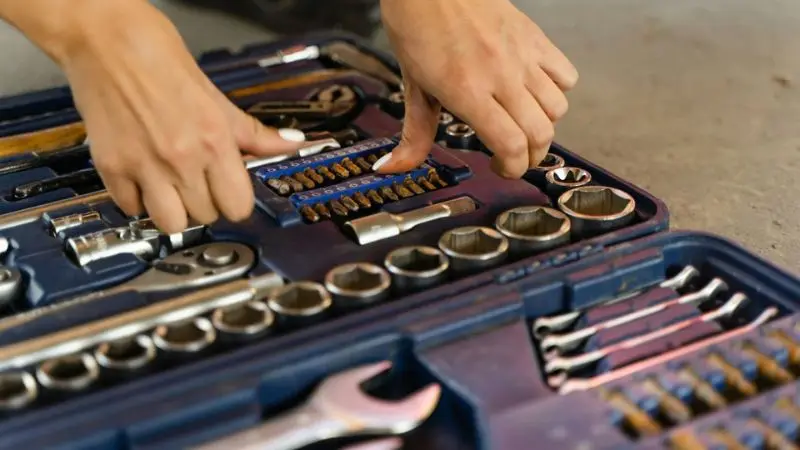
When it comes to using socket wrenches, understanding both socket sizes and drive types makes your work faster and more precise. The drive size determines the tool’s strength and the type of jobs it can handle, while the socket size matches the bolt or nut you’re working with. Together, they form the perfect combo for any task.
Common Drive Sizes
Socket wrenches are available in a variety of drive sizes, known as the square hole into which the socket fits into the wrench. The majority of drive sizes include 1/4 inch, 3/8 inch, 1/2 inch, 3/4 inch, and 1 inch. They all have their purposes and applications.
- 1/4-inch drive -The smallest and best suited to narrow individual bolts and crevices, e.g., electronics or small engines.
- 3/8 inch drive – The most commonly selected one that is used by everyday automobile customers and in household jobs.
- 1/2-inch drive – It works well on bigger bolts and other heavy-duty jobs and is normally utilized in truck or home building.
- 3/4-inch/1-inch drives – Constructed when a very large bolt is in use, common in trucks, machinery, and factory environments.
Selecting the size of the socket wrench driver for the task prevents damage to the tool and fastener. Knowing the most frequently used socket wrenches will help you choose the appropriate drive to do your repair.
SAE vs. Metric Sockets
The metric socket size and the SAE socket size differ before commencing any project. The bolts are measured differently in these two systems, and hence, the wrong system used may trigger slipping or rounding of the edges.
SAE sockets (Society of Automotive Engineers):
- Chosen in inches or percent of an inch (such as 1/2, 3/8, or 5/16).
- Typically applied in American-made motor vehicles, bikes, and equipment.
Metric sockets:
- In millimetres (e.g., 10 mm, 12 mm, 17 mm).
- Among the foreign cars and modern machines.
By comparing the two systems, it is better to use as a reference a socket wrench size chart of cars to correct conversions and not be confused. Understanding the formula for selecting the correct socket wrench size between SAE and metric allows one to properly fit it without any damage.
Types of Sockets
Socket wrenches come with different socket types, each designed for specific uses. Choosing the right one makes your work easier and more efficient.
- Standard sockets: Best for everyday bolts and nuts in home repairs or auto work.
- Deep sockets: Designed to reach bolts set deep in holes—ideal for engines and machinery.
- 6-point sockets: Provide a strong grip on bolt flats, preventing slips on heavy bolts or lug nuts.
- 12-point sockets: Offer more positions on the bolt head, perfect for tight spaces or quick jobs.
- Universal sockets: Allow angled access to bolts, helpful for hard-to-reach areas.
- Flexible sockets: Bend around obstacles, great for engine bays or cramped spots.
Understanding these socket types, along with your socket wrench sizes and drive types, helps you handle any repair task confidently. The right combination not only saves time but also extends the life of your tools and fasteners.
Choosing the Right Socket and Wrench Size Chart
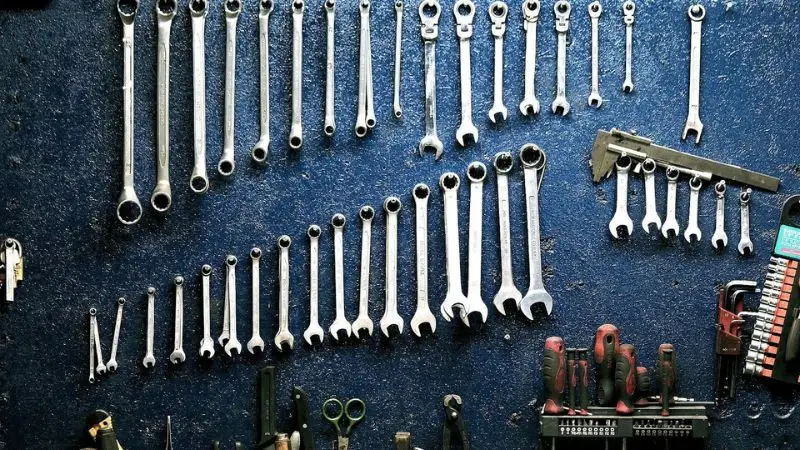
Before tightening or loosening any bolt, it’s important to understand how to choose the right socket wrench size. The correct fit saves you time, prevents damage, and makes every job smoother. A well-matched socket grips the bolt firmly, while the right drive size gives you control and leverage.
How to Select the Right Socket
First of all, take a closer look at the bolt or the nut you have to work with. Use the size across its flat sides—this is your socket size. Precision may be obtained by the use of a small ruler or calliper.
In case the measurement is 10 mm, 12 mm, or 1/2 inch only, just follow the corresponding socket marking. Always determine if the bolt should use a socket in SAE (measured in inches) or a metric socket (measured in millimetres). The correct type would ensure that bolts are fast and would not slip or round.
In case of doubt, it is best to make a few attempts and squeeze into a socket, but never push it in. An example of this is having a socket wrench size chart that you keep in your car or for household projects, so when you need a specific size, all you have to do is look at the car socket and shuffle among them to see where it fits.
Deep vs. Standard Sockets
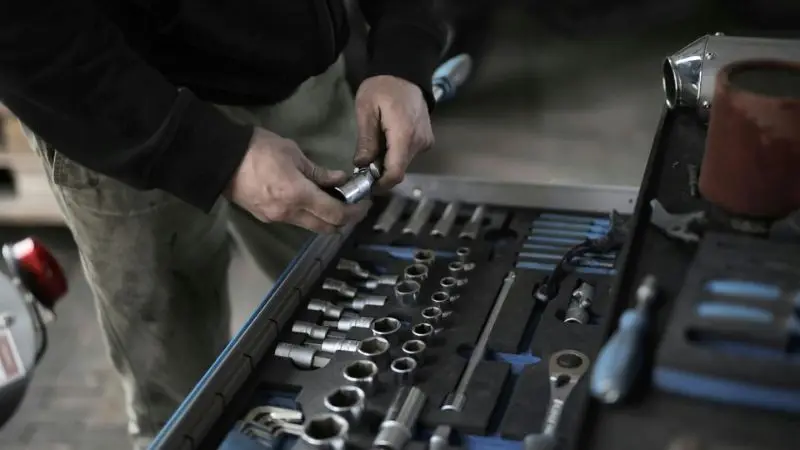
When you keep mucking about, you find that there are two choices of socket depending on the socket set—there is a deep socket and a standard socket. Getting to know the distinction will enable you to pick the appropriate one for each job.
- Normal sockets are excellent for the commonly occurring types of bolts that project past enough to be grasped. They are some of the best when it comes to home restoration, furniture, and company bolts.
- Deep sockets can be used to get to the bolts, which lie deep in the cases in either the engine or the machinery. They work with long threads and recessed bolts easily.
Alternating between the deep and standard sockets based on work is more portable in terms of grip, access, and control. You are faster and more efficient in your repairs, as you know what the most common size of sockets is when they are related to a specific socket.
Socket Wrench Size Chart
A socket wrench size chart assists you in pairing the appropriate socket, your wrench and the fastener size. It demonstrates the ways in which various drive sizes are associated with a specific range of socket sizes, so you can be fully aware of the best drive to use in your application.
Here is a plain summary that you will not forget:
- 1/4-inch: Installs sockets 4 mm to 14 mm (3/16″ to 9/16) and is mostly applicable to electronics and small engines.
- 3/8-inch drive: 6 mm – 19 mm (1/4 – 7/8) socket compatible and works on cars as well as with general repairs.
- 1/2-inch drive: Matches 10 mm to 32 mm (3/8″ to 1 1/4″) sockets; works well with building and heavy work.
- 3/4-inch drive: Handles 19 mm to 2 (7/8″–2″) sockets, used for trucks and industrial equipment.
- 1-inch drive: Works with 32 mm to 80 mm (1 1/4″–3 1/8″) sockets, perfect for large machinery.
Keeping this chart nearby ensures you always have the right combination for any repair job.
Wrench Size Chart
A wrench size chart is another handy reference for matching bolts to wrenches in both SAE and metric measurements. This helps eliminate guesswork and ensures a precise fit.
Here’s how the sizes usually match up:
- SAE sizes: 1/4″, 5/16″, 3/8″, 7/16″, 1/2″, 9/16″, 5/8″, 3/4″
- Metric sizes: 6mm, 8mm, 10mm, 11mm, 13mm, 14mm, 16mm, 19mm
Both systems overlap in certain areas, which is why knowing the difference between metric and SAE socket sizes is so useful. Keeping a printed or digital chart in your toolbox saves time and helps you pick the correct wrench instantly.
Wrapping Up
By now, you’ve seen how a simple socket wrench size chart for cars or home tools can save you hours of frustration. From learning the difference between metric and SAE socket sizes to understanding drive types, every detail matters when working with tools.
Knowing how to choose the right socket wrench size helps you finish each job faster, safer, and with more confidence. Keep your socket set organized, check your charts before starting, and always use the correct system for your bolts. With the right knowledge and tools, every repair becomes smoother, quicker, and perfectly done.
FAQ
Which are the socket wrenches most used?
The predominant socket wrench metric and SAE sizes are 10 mm, 12 mm, 14 mm, and 17 mm and 3/8, 7/16, 1/2, and 9/16, respectively. They are widely used in the daily repair and maintenance of bolts by automotive and household use.
What is the correct size of socket wrench to use?
Measure the bolt head over flats with either a ruler or a calliper and compare it with the correct socket identification in either metric or SAE. Before rolling forward, always make sure that it is in place snugly: it can slip up, or since it is a bit loose, it may be too tight to fit the socket or bolt.
How are the metric and SAE socket sizes different?
Modern and imported vehicles are likely to have a socket size in millimetres used as a metric measure. American-made cars and equipment are measured in SAE sockets. Any improper type may lead to poor grip and rounding of the bolt head.
Is it possible to put the metric sockets on SAE bolts?
No, there is no such thing as a metric socket and SAE socket interchange. They are slightly different in measurements, hence poor in fitting. Putting the wrong socket in it can strip or cut off the bolts, destroy tools, and complicate your life. There should never be the wrong system used.
What is the distinction between a 12-point socket and a 6-point socket?
A 6-point socket tightens around bolt flats and is suitable when using high-torque bolts or those that are difficult to remove. A 12-point socket provides more contact angles, and as a result, it can be used in tight or awkward spaces. Select 6-point sockets, which are strong, and 12-point, which are convenient.