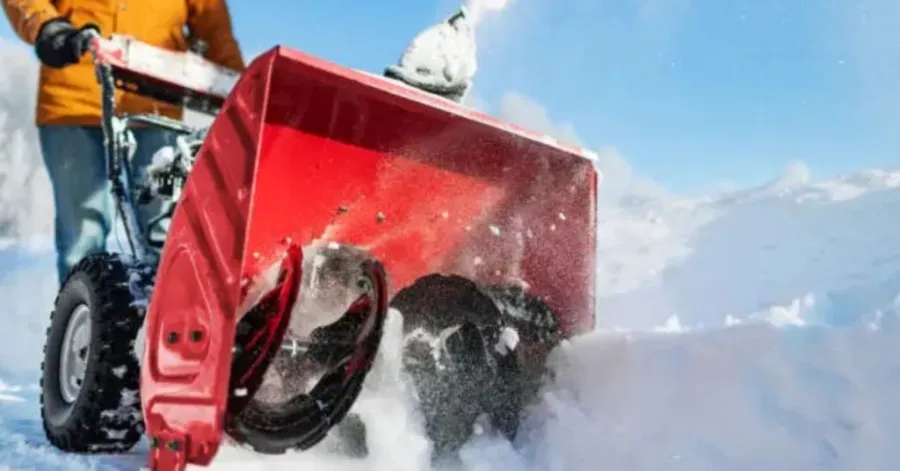
Winter weather can be harsh, and a dependable snow blower makes cleanup easier. You rely on the four main snow blower components to keep it running. Your snow blower is powered by an engine. The auger moves snow by breaking up the snow. The impeller is designed to throw the snow away. Each part is important in clearing the snow.
These parts are essential to keeping your snow blower in good working order.
Key Snow Blower Components You Should Know
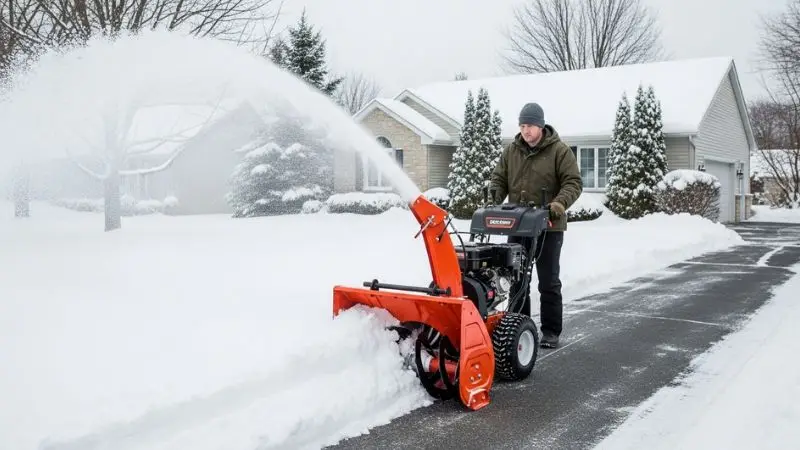
For proper functioning, snow blowers rely on several components. Knowing these key parts helps you maintain your machine, spot issues early, and boost performance.
Engine
Your snow blower is powered by the engine. You can find gas engines in most snow blowers. However, you can also find electric models. The size of the engine will determine how much you can remove and how quickly you can work. Check the spark plug and engine oil often. These features will help your snowblower run smoothly.
Auger
It is this part of the auger that breaks and grabs snow. It spins at the front end of your snowblower. Different sizes and shapes are available for augers. Two-stage and three-stage systems use more complex systems, whereas single-stage snowblowers use only one auger. Check the blades of your auger for wear. Sharp blades increase performance.
Impeller
The impeller is located behind the auger. The impeller spins rapidly and hurls the snow down the chute. Keep the impeller free of debris and ice. Check this first if you have a poor snow discharge. Models and sizes vary in terms of the features on the impeller.
Chute
The chute is a device that directs the snow. You can adjust your chute to direct snow away from driveways and walkways. Some snow blowers come with remote controls for the chute. Keep the chute clear of any clogs. You can control the snow by using this feature.
Drive System
Your snow blower is moved forward and backward by the drive system. There are different options for driving, including manual and self-propelled. Check the drive chains and belts for damage. It is easier to clear snow with a strong drive system, especially when understanding snow blower drive system components.
Skid Shoes and Scraper Bar
The scraper bar and skid shoes protect the snow blower as well as the surfaces. The skid shoes allow you to adjust the height of your machine. The scraper bar removes snow from the ground. These features should be inspected for wear. If you notice damage, replace them.
Controls and Safety Features
You can start, stop, and steer the snow blower with controls. Shields, emergency shutdowns, and lights are all safety features. Test all controls before every use. These features will keep you safe while allowing you to operate your snow blower with confidence.
Tip: Check all components of your snow blower regularly to avoid breakdowns and increase performance.
| Component | Main Function | Key Features |
| Engine | Powers the machine | Oil, spark plug |
| Auger | Breaks up snow | Blade shape, size |
| Impeller | Throws snow | Speed, design |
| Chute | Directs snow | Adjustable, remote |
| Drive System | Moves the blower | Belts, chains |
| Skid Shoes/Scraper | Protects surfaces | Height, wear |
| Controls/Safety | Operates and protects | Shields, shut-offs |
How Snow Blower Components Work Together
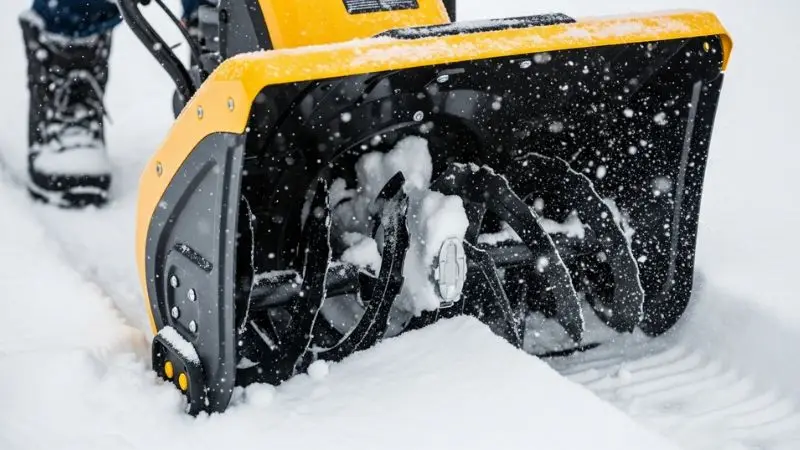
Snow blowers rely on many parts to work together. Each part does a specific job, but the best results are achieved when all parts work together. Start with the engine. The engine gives the power for the entire snow blower. The size of the engine will determine how quickly you can finish your job and how much snow you are able to clear.
The auger then grabs the snow. The auger is the main component of single-stage snow blowers. It pushes the snow down into the chute. Snow blowers with two stages use an auger as well as an impeller. The auger pushes snow towards the impeller, which then throws it into the chute. Snow blowers with three stages have an additional accelerator. This part accelerates the snow blower so that you can clear heavier snowfall with less effort. These steps help you understand the snow blower auger assembly components clearly.
You can control the direction in which the snow falls by turning the chute. You can aim the snow away from driveways and walkways by turning the chute. Some snow blowers come with remote chute controls. These features can help you work faster and clean your area.
The drive system propels the snow blower in both directions. You can choose the speed and direction. You can handle rough surfaces and deep snow with a strong drive system. The skid shoes and scraper bar will protect your driveway. The snow blower will not scrape the driveway too hard.
You can operate the machine using controls and safety features. Controls allow you to start, stop, and steer the machine. Safety features ensure your safety while working. Check all components of the snow blower before every use to get better performance.
Note: You can keep your snowblower running smoothly. If you know how to identify snow blower parts.
| Component | Role in Operation | Works With |
| Engine | Powers all parts | Auger, drive system |
| Auger | Moves snow | Impeller, chute |
| Impeller | Throws snow | Auger, chute |
| Chute | Directs snow | Auger, impeller |
| Drive System | Moves machine | Engine, controls |
| Skid Shoes/Scraper | Protects surfaces | Drive system |
| Controls/Safety | Operates and protects | All components |
Common Problems with Snow Blower Components
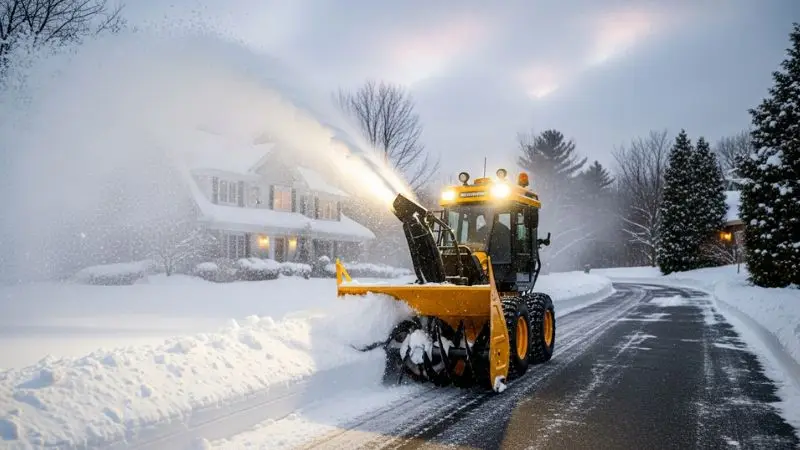
You might notice that snowblowers do not always work as they should. The main components of the snow blower are often to blame for many problems. You can easily fix these problems if you know what they are.
- Engine Trouble
The engine may be difficult to start. This can be caused by dirty spark plugs or old fuel. Check these features if the engine loses power or stalls. - Auger Issues
If ice or stones get stuck, the auger can jam. Blades that are worn out reduce performance. It is important to regularly inspect and clean the auger blades. - Impeller Blockage
If wet snow accumulates inside the impeller, it can cause a clog. You may see poor snow discharge. Make sure the impeller is clean and spinning freely. - Chute Clogs
The snow cannot exit the chute if it is blocked. This can be caused by heavy or wet snow. After each use, you should clean the chute. - Drive System Failure
The drive belts and chains could be broken or loose if your snow blower is not moving. Replace damaged parts in the drive system. - Skid Shoes and Scraper Wear
Wearing skid shoes and scraper bars will damage your driveway. Replace these items when they show signs of wear. - Malfunctions of the Control and Safety Features
Snow blowers are unsafe if they have broken controls or lack safety features. Test all controls prior to starting. Replace any damaged parts immediately.
Tip: You can detect any problems early by performing regular inspections. Keep your snow blower in top condition to avoid expensive repairs.
| Problem | What to Check | Quick Fix |
| The engine won’t start | Fuel, spark plug, oil | Replace or refill |
| Auger jams | Blades, debris | Clear and inspect |
| Impeller clogs | Wet snow, ice | Clean impeller |
| Chute blocked | Snow, ice | Clear chute |
| Drive system fails | Belts, chains | Replace parts |
| Skid/Scraper worn | Surface damage | Replace shoes/bar |
| Controls faulty | Buttons, levers | Repair or replace |
Always match the size of the snow blower you purchase to the amount of snow that you anticipate. Larger sizes can handle deeper snow, but they may require more maintenance. You will get better performance if you maintain all the features of your snow blower.
Maintenance Tips to Keep Your Snow Blower Components in Top Shape
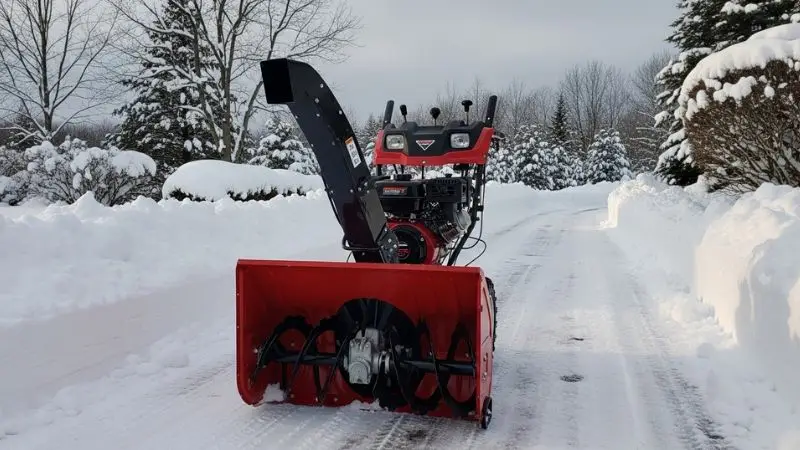
Follow these tips to keep every snow blower component in good condition, prevent breakdowns, extend the machine’s life, and improve efficiency.
Routine inspection checklist.
Make sure to inspect your snow blower before you use it. Check for worn or loose parts. Check that the engine oil level is correct. Check to see if the plug is clean. Check the auger drive for damage. Check if the scraper bar and blades are worn. Test the controls, safety features, and other functions. Check that the chute is easy to turn and can move up and down. This checklist will help you find issues early and make your snow blower perform better in different types of snow.
Routine Inspection Table
| Component | What to Check | Action Needed |
| Engine | Oil, spark plug | Refill or replace |
| Auger Drive System | Blades, movement | Repair or adjust |
| Chute | Rotation and pitch | Clean or lubricate |
| Controls/Safety | Buttons, levers, shields | Test and fix |
| Skid Shoes/Scraper | Wear, alignment | Replace if needed |
Tip: Regular checks help your snow blower last longer and work properly.
Lubrication and belt/chain care.
Oil the auger drive system and chute controls. Oil the auger system and chute controls. Lubrication helps to prevent rusting and allows parts to move smoothly. Check for damage or cracks on belts and chains. Change broken parts right away. After using the snow blower, clean the belts and chain. These parts are essential to the performance of your snow blower, whether it is a single-stage or other model.
- Oil auger drive and chute controls
- Check for damage on belts and chains
- Change broken parts fast.
- Clean after every use.
Note: It is important to maintain your snow blower’s safety by lubricating and caring for the belt.
Seasonal storage recommendations.
How to store your snowblower after winter. Remove the fuel from the motor. Cleaning all components, such as the chute and auger. Remove all debris from the auger system. Place your snow blower somewhere dry. Cover the snow blower to keep dust and water out. Before you store your vehicle, test the controls and safety features. You can prevent problems from occurring next season by following these steps.
- Remove fuel and clean the engine.
- Remove all debris from the auger and chute.
- Store in a covered, dry area.
- Test all features before storage.
Store your snowblower properly to keep it ready for the next winter. It will also protect all of its important features.
Conclusion
There are four main parts to a snow blower component: the engine, auger, and impeller. Each part is important for safety and helps you to clear snow quickly. Your snow blower will be ready for the winter if you maintain it. Checklist and tips will help you keep your machine in top shape. Understanding parts of a snow blower explained will also help you spot issues early and maintain performance.
Remember: Keep your parts in good shape to ensure that your snow blower runs better and lasts longer. Prepare for each snowfall!
FAQ
How often should you check your snow blower components?
You should inspect your snow blower before each use during winter. Regular checks help you spot problems early and keep your machine running smoothly.
What type of oil works best for snowblower engines?
You should use 5W-30 oil for most snow blower engines. This oil works well in cold temperatures and helps your engine start easily.
Why does your snow blower keep clogging in wet snow?
Wet snow can stick inside the chute and impeller. You should clear these parts after each use. Spraying a non-stick coating helps prevent clogs.
Can you replace skid shoes and scraper bars yourself?
Yes, you can replace skid shoes and scraper bars with basic tools. Follow your snow blower’s manual for step-by-step instructions.