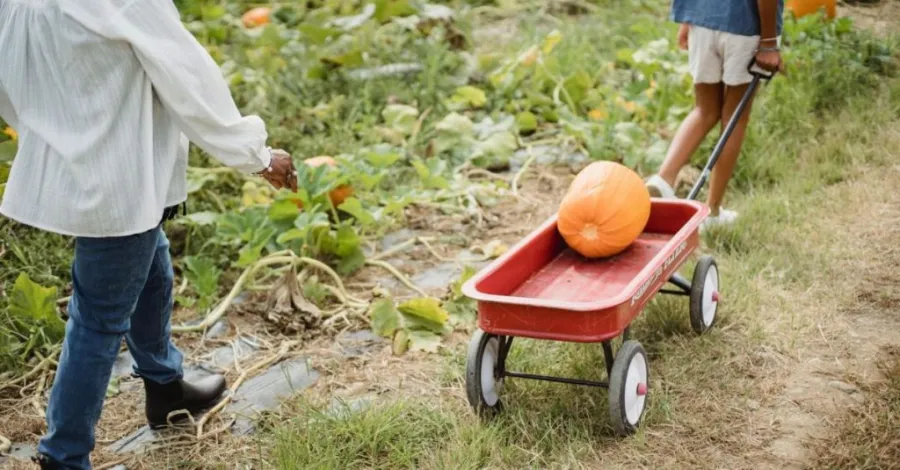
Tired of making endless trips back and forth in your garden? A small garden cart can change everything. Before you buy, think about your daily tasks and the layout of your yard. Do you haul tools, move soil, or transport plants? Are your paths narrow or uneven? These small details help you pick the right cart. Also, consider how much space you have for storage. The best garden cart fits your needs, saves time, and makes every job feel easier. With the perfect cart by your side, gardening becomes smoother, quicker, and way more enjoyable. Work smart, not hard.
Types of Small Garden Carts
Choosing the right garden cart depends on what kind of yard work you plan to do. From light tasks to heavy hauling, there’s a cart that fits your needs. Let’s explore the most common types and how each one helps make gardening easier.
Utility Carts
A utility cart consists of a small cart with a heavy construction and four wheels. They are super all-arounders in any backyard. Utility carts can carry anything, whether it is soil, plants, or even tools. They are balanced, simple to pull or push, and handle heavy loads.
However, they normally are heavier than the other and utilize more storage space. This could be your ideal choice of a cart that is robust and reliable to use regularly. They are particularly useful in big gardens or for those who love gardening regularly.
Dump Carts
Dump carts are ideal for tough yard jobs. The unique feature of these carts is their dumping mechanism—you can tilt the bed to unload materials quickly. If you regularly move rocks, soil, or compost, this cart can save time and reduce strain.
Though heavier than other carts and not always easy to store, their strength and durability make them popular among serious gardeners. A lightweight small garden cart for yard work might not be suitable for heavy-duty tasks like these, making dump carts a better fit for such jobs.
Folding Carts
In a small space, a foldable small garden cart might be exactly what you require. Such folding carts are easy to carry and straightforward to open and to store when they are not in demand. They are ideal when doing light work, such as picking up, clipping, or carting around small tools. They, however, are not designed to handle very heavy loads, and their durability might not be equal to that of solid carts.
Nonetheless, with small gardens or balconies, folding carts provide convenience and save space. They also make an efficient option for individuals who are seeking something small but useful in performing simple chores.
Specialty Carts
Others are job-specific, used to move firewood, garden equipment, or keep hose reels. These niche carts can really simplify things when you require a cart to satisfy a narrow need. They are not as multipurpose as a small garden cart that has wheels and a handle, but they are ideal for specialized work.
Remember that these carts might be more expensive and will not adapt so well to other kinds of work. But, in case a particular job requires a special solution to some problem, then specialty carts would be absolutely worth taking a look at.
Choosing the Right Garden Cart
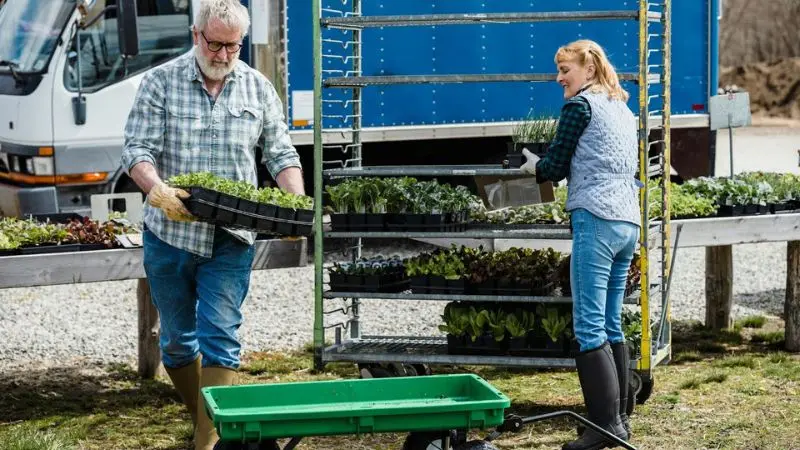
Picking the right garden cart isn’t just about how it looks—it’s about how it performs in your yard. From the terrain to your most common tasks, every detail plays a role in your final choice. Let’s walk through the key factors to help you make the best decision.
Assess Your Yard and Tasks
Begin by looking at your space and what kind of gardening chores you do the most. Do you often move heavy materials like soil, mulch, or compost? Then you’ll need a cart with strong support and a high load capacity.
If your garden is smaller and you mainly move light pots or tools, a lightweight small garden cart for yard work might suit you better. Also, think about your terrain—flat or bumpy paths require different types of wheels. Matching your cart to your routine yard work helps make every job simpler and more efficient.
Size and Load Capacity
The size of your garden cart affects both storage and how much it can carry. While larger models can move more materials, they’re often harder to handle and store. Smaller carts are easier to maneuver, especially in tight spaces.
Many small garden carts for seniors are designed to carry between 150 and 300 pounds—just enough for most gardening jobs without being too heavy. If your work involves heavy-duty tasks, look for carts with stronger frames and greater capacity. The right size ensures your cart won’t feel like a burden while getting the job done.
Tires and Terrain
Tire type has a big impact on how easily your cart rolls through your garden. For uneven surfaces like gravel or grass, look for carts with pneumatic tires. They provide better traction and smoother movement. On the other hand, if your garden has mostly paved areas or patios, plastic wheels work well.
A small garden cart with wheels and a handle that suits your terrain will be easier to control, especially on slopes or rough patches. The right wheels reduce strain and give you better balance, no matter where you’re hauling your load.
Material and Durability
Your garden cart should be strong enough to handle frequent use and exposure to the elements. Steel carts are tough and long-lasting, ideal for heavy-duty work. However, they can rust if not stored properly. Plastic carts are lighter and rust-resistant, but they may not support heavy materials as well.
Whether you choose metal or plastic, check the overall construction—especially joints and the base. A collapsible small garden cart made from high-quality materials can serve you for years without losing strength or function. Durability ensures your cart stays reliable across seasons.
Handle Design and Maneuverability
The handle should be well-designed to prevent any strain on you and also offer you more control. Carts also have padded or adjustable handles to make them extra comfortable. When turning around or clearing small garden paths is a frequent occurrence, consider a model with swivel handles or turn-gently-wheels.
These features enhance the easy maneuvering of the cart. A small garden cart made with a proper handle arrangement would help in improving hauling, especially when the gardener is working in a long session. The weight or capacity of the cart is not as important as its comfort and ease of use.
Storage Considerations
Consider the location where to keep your cart after use. In case of limited space, a foldable small garden cart can be folded down and stored away handily. There are also carts that have the ability to be flat or stacked together and are ideal in smaller sheds or garages.
Before purchasing, be sure to measure the available space so that the cart cannot become an inconvenience when not in use. A cart that can fit well into the place you store it will remain good longer, and it will take less time to get it when you need it.
Extra Features to Consider
Some garden carts come with added features that increase convenience. Trays for tools, cup holders, and dump beds make everyday gardening smoother. Removable sides can also help when you need to unload quickly. While these features aren’t essential, they can make your small garden cart more versatile. Choose the ones that match your daily chores—whether that’s carrying gear, watering cans, or yard waste. A cart with useful extras saves you time and effort with every trip through the garden.
Choose the Right Dump Cart
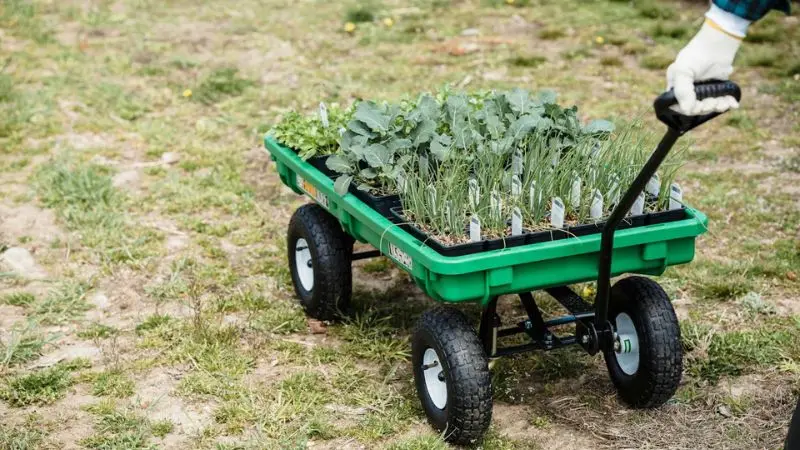
When your yard work includes heavy loads or messy cleanup, a dump cart can quickly become your favorite tool. These carts are built for convenience and strength, letting you move and unload materials with minimal effort. Let’s explore what makes them so useful and when they’re the right choice for your garden.
Dump Feature Benefits
What makes a dump cart different is its built-in dumping feature. With a quick pull of a handle or lever, you can tip the cart bed and release all your materials at once. This makes it much easier than lifting and unloading everything by hand.
Here’s why the dumping feature is so helpful:
- Saves time by unloading in one motion
- Reduces physical strain on your back
- Great for moving soil, mulch, compost, or gravel
- Handles larger and messier jobs with ease
Many small garden carts with dump features also come with rugged wheels and strong frames. They’re perfect for rough terrain, making yard work faster and less tiring.
When to Choose a Dump Cart
A dump cart is the right choice if your gardening involves lots of heavy lifting or constant hauling. It’s especially useful when you need to save time and reduce the effort spent on cleanup.
Consider using a dump cart if:
- You often move large amounts of compost, gravel, or dirt
- You need to clear wet leaves, sticks, or bulky debris
- You want to unload quickly without bending or scooping
- You work on bumpy, uneven, or sloped areas
In these situations, a lightweight, small garden cart for yard work may not offer the support and convenience you need. A dump cart gives you strength, speed, and comfort—ideal for demanding outdoor projects. It’s a great investment for bigger gardens or regular landscaping jobs.
Best Garden Carts Comparison
With so many options out there, choosing the best garden cart can feel overwhelming. The key is to focus on what really matters for your space and tasks. A good checklist helps narrow down your choices and ensures the cart you pick will serve you well in the long run.
Comparison Checklist
Before buying, ask yourself what you need most from your garden cart. Here are some key points to keep in mind:
- Weight Capacity – Can it carry your heaviest loads without tipping or breaking?
- Size—Will it fit through gates, tight paths, and into your storage space?
- Tire Type—Are the wheels suitable for your yard’s terrain—gravel, grass, or patio?
- Material—Is the cart made of strong, weather-resistant materials like steel or heavy-duty plastic?
- Handle Design—Is it easy to grip and maneuver, and comfortable for longer use?
- Dump Feature—Do you need the ability to unload quickly with minimal lifting?
- Extra Features—Look for useful additions like tool trays, cup holders, or removable sides.
- Functionality—Will it actually make your yard work faster and easier?
Having your top three features in mind—like a collapsible small garden cart, a dumping option, or specific tire types—will help you stay focused while shopping.
Comparing Common Cart Types
The garden carts are used differently. Knowing the merits of each can assist you in selecting the one best suited to your yard.
A utility cart can be excellent during general work. It is typically medium to high weight, yet may have pneumatic tires to run on rough terrain and may be constructed of steel or plastic. It is an ideal type to be used in most backyard activities and hauling.
The dump cart is characterized by ease of unloading. It has a strong frame with dumping systems designed to carry heavy and messy loads, which saves time and physical exertion. It will be perfect when it comes to bulky garden work or rugged terrain.
The folding cart technique is ideal for those operating in a narrow office. It is light and compact with a moderate weight load and is easy to store. It is composed of both fabric and metal and is most suited to lighter jobs or the elderly in need of a small garden cart for seniors that they can easily manipulate.
Last, specialty carts are specific. It might be a firewood cart, a garden tool cart, or even a hose reel cart, but these carts are designed with versatile features to do one task exceptionally well. They differ in materials and wheels according to the task.
When comparing, consider how frequently you will ride the cart and what type of terrain you will ride it on. The right cart should give you the right balance between durability, comfort, and general workability in your garden each and every day.
Wrap Up
Choosing the right garden cart can make your yard work much easier and more enjoyable. Whether you need a lightweight small garden cart for yard work, a collapsible small garden cart for easy storage, or a sturdy dump cart for heavy loads, there’s an option to fit every need. Think about your tasks, yard size, and comfort. Matching the cart to your daily chores will save time, reduce strain, and keep your garden running smoothly. With the right small garden cart with wheels and a handle, even the toughest jobs can feel lighter and more manageable all year round.
FAQ
What is the use of cleaning my garden cart?
You may wash out your cart with a garden hose. In case of hard dirt, take a brush and soap. After it has dried up, put it in reserve. This ensures that your cart is in good shape and in good condition.
Will a small garden cart work on gravel or uneven terrain?
Then you can! Seek carts that have big pneumatic tires. These wheels glide over gravel and bumps very easily compared to small plastic ones. You will get a smoother ride.
My cart gets rusty; what can I do?
Hint: Use a wire brush to clean rust. Clean the area with a cloth and dry it. The little rust-proof shielding paint you can spray on that will protect it. Keep your cart dry by putting it inside to avoid further rusting.
How heavy is a small garden cart?
A typical small garden cart has a 150- to 300-pound capacity. The correct weight limit can always be checked on the label or manual. Do not overweight your cart to make it safe and long-lasting.
Do I have to put together my garden cart?
Usually, yes. Instructions and all the parts are included in most carts. A screwdriver or a wrench might be necessary. It is easy to assemble (under one hour on the majority of models).