The right tool makes all the difference when you need to saw concrete, brick, asphalt, or tile. There are many modern saws for cutting concrete, including handheld saws, walk-behind saws, electric saws, wire saws, and upgraded setups of circular saws. There are different types of drill bits that are made for different projects.
The right saw will allow cleaner cuts, work more productively, and keep your equipment and body safe as long as you know how each saw works and which blade it needs. This guide takes you through temperatures from saw types to blade types to maintenance, safety, and buying.
Why the Right Saw for Cutting Concrete Matters
Choosing the right concrete saw is not just a technical choice; it will affect the outcome, safety, and budget. Using the right tool on the job or task can make it feel easy and smooth, even if it’s risky. The more informed you are about the types of saw and their blades, the better you will be able to match your tool to the project. Before you plug in, fuel, or cut, knowing how the proper saw can lead to greater efficiency, precision, and lower long-term costs can help on any concrete job site.
How the Best Concrete Saw Impacts Safety, Speed, and Cost
Every job has different requirements: thickness of slab, length of cut, location – indoors or outdoors as well. When you pick a saw that fits those needs, you’ll cut straighter lines, smoother edges, and get fewer surprises. If a tool is matched properly, you will cut faster and with less strain. This lets you spend more time finishing the job than fighting the material. Using the correct saw enhances safety by minimizing binding, kickback, and blade failures.
As time passes, utilizing the right combination of machine and blade guards, motors, and bearings protects your own energy, so you aren’t always paying for repairs or feeling drained. Whether you buy or rent concrete cutting tools, understanding what you are getting allows you to work more professionally and confidently on any concrete cutting job.
Types of Saws for Cutting Concrete
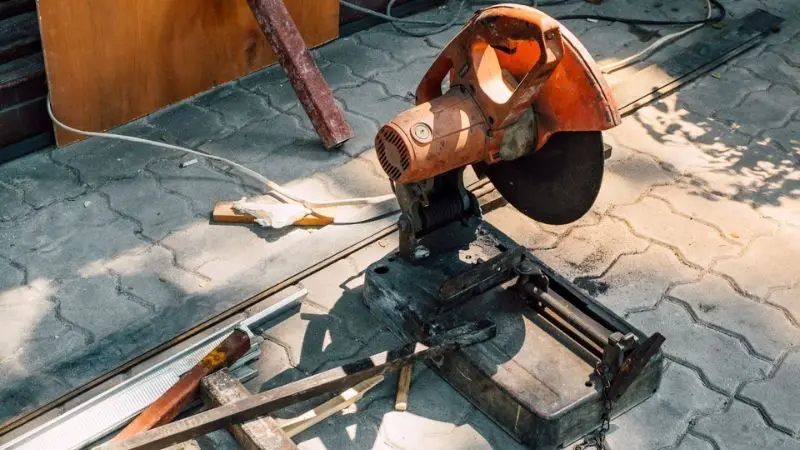
There is no single all-purpose concrete saw. There are various main categories that are appropriate in various situations, from small home repairs to heavy construction work. There are a few different types of saws for concrete cutting. Handheld saws make quick cuts, and walk-behind units are suitable for big slabs. Wall saws are great for vertical surfaces. Wire saws are used on massive or reinforced structures
If you understand what each one does, you can more quickly determine which one goes on your job and which one stays in the truck or rental yard.
Handheld Concrete Saws for Small Cuts and Tight Spaces
Handheld concrete saws are the starting point for most DIY users and small contractors. They are small, pretty light, and easy to move around the worksite. They can be used to cut channels in slabs, trim concrete blocks, or cut openings in masonry. Portable styles, many of which are gas-powered, give you good mobility outdoors, while electric models are useful indoors where fumes are an issue.
With the correct saw blades for cutting concrete, these can cut through brick, paver, tile, and smaller pieces of concrete slab. Because they are kept close to the body, control and balance are important, so keep both hands on the saw and work at an even pace, don’t force the cut.
Walk-Behind Concrete Saws for Driveways, Slabs, and Roads
Walk-behind concrete saws are designed for long, straight cuts in flat surfaces. You guide them over the ground like a heavy lawn mower and allow the blade to drop into the slab, while the engine or motor does the heavy work. Ideal for cutting driveways, sidewalks, parking lots, and large floor slabs requiring an expansion joint or complete removal of the section. You can save time cutting through thick materials when you use larger-bladed saws.
These saws do not need to keep going over the same spot or area, as they cut deeper in one go compared to handheld saws. Water is pumped on the blade with many walk-behind models to cool it and reduce dust. Since they are heavier and have a larger wheelbase, they are more stable, which helps keep cuts straight. For large horizontal jobs, they are often one of the best saws for cutting concrete at home or at small job sites, provided you have room to operate the machine.
Wall Saws for Vertical Concrete Cutting and Openings
If you want a machine that could cut through vertical and steeply angled surfaces, you could get yourself a wall saw. They get on a track fixed on the wall instead of being carried or pushed. The saw head moves along this path, enabling it to cut doors, windows, vents, and structural openings with straight and accurate cuts.
Many wall saws are driven by electricity or hydraulics, both of which provide constant power and also keep the saw steady. The guided blade of a track saw minimizes wandering lines or uneven openings, which is crucial when cutting into load-bearing walls. While wall saws are typically used by professional crews, knowing how they help you see why crews reach for these tools when physically modifying structures or executing other high-precision work that requires accuracy and safety.
Wire Saws for Thick or Reinforced Concrete Structures
Wire saws cut through thick concrete using a cable painted with diamond beads to deliver the finish you want. The wire is made to loop around or through the structure, while continuously being pulled in a loop by a drive system powered externally. The circular blade arrangement allows the saw to cut through concrete bridges, columns, foundations, and through massive blocks of concrete that cannot be handled or are difficult to cut with a normal blade.
The cutting takes place with a length of wire instead of at a point, such as with a tool. This lowered vibration and allowed for a surprisingly controlled job. Wire saws can be helpful when accessibility is limited since the wire can be passed through tight spaces. Experts typically use wall saws for specialized demolition work. However, this saw is essential for learning which saw can cut through concrete in extreme situations. They can cut through any walls and ceilings with ease.
How to Cut Concrete With a Circular Saw at Home
Homeowners often want to know how to cut concrete with a circular saw, maybe for trimming a slab edge. Or cutting a short groove. Heavy-duty concrete cutting jobs are not what a standard wood cutting circular saw was designed for. However, with the right diamond blade, safety set-up, and precautions, it can be used to light score and shallow cut concrete. To get the best results, make sure you fit the saw with suitable saw blades for cutting concrete, keep the depth of cut shallow, and work slowly to avoid overheating.
You may wet the cutting line to reduce dust, but keep the water away from the electric components. This method is ideal to use when a thin paver or a small channel is being repaired. In other words, it will work for minor demolition rather than heavy demolition. Many projects require concrete cutting saws due to the demand for deeper cuts, longer lines, and the proper use of tools often leads to faster and safer results.
Key Features to Compare When Buying a Concrete Saw

Now that you have an idea of which general style of saw will suit your project best, the next step is to compare features. Concrete saws come in a variety of designs, and paying attention to blades, power sources, and cutting capacity will assist you in spending wisely.
Doing a little research before you buy or rent can save you frustration on the job, as well as minimize the chance of damaging your saw or the work surface.
Choosing the Right Saw Blades for Cutting Concrete
Which blade you choose is just as important as the saw. The blades used for cutting concrete are made with industrial diamonds on the edge. This is because concrete, brick, and stone are very abrasive materials. These blades come in designs for wet cutting, dry cutting, or both. They can have different shapes of segments and strengths of bond based on the hardness of the material.
Using the incorrect blade may cause slow cuts, excess heat, and early wear, as well as sudden failure. When you’re choosing a blade to use, consider whether you’ll be cutting plain concrete, reinforced concrete, asphalt, or masonry, then match to that rating. If you frequently check blades for cracks, missing parts, and warping, and replace them when worn, it keeps your cuts smoother and is much safer.
Gas, Electric, or Hydraulic, Which is the Best Power Source for Your Saw?
Concrete saws can be gas-powered, electric, or hydraulic. Each type has its own strengths. Outdoor gas-powered saws are a popular choice due to their high power and full mobility without the need for a cord. You can use electric saws indoors or in a closed area since they are quiet and do not produce exhaust fumes. Heavy-duty wall and wire saws often come with hydraulic systems that give consistent, high power for tough tasks.
When choosing the best option, think about where you will mostly be working from, the availability of the electric plug, and, of course, the portability. A homeowner who occasionally does some repairs might prefer a mid-size electric saw. A contractor who cuts roads might prefer bigger gas walk-behind ones. In a setting where the source of energy matches that of its environment, work becomes more efficient and comfortable, and ensures the safety of other people nearby. In other words, it makes work easy and eliminates risks.
Cutting Depth, Portability, and Ease of Use
Cutting depth is an important specification because it indicates the maximum depth of a concrete slab or wall you can cut in a single pass. Handheld saws typically cut a few inches deep, making them useful for grooves at the surface, small openings, or pavers. Walk-behind saws can cut more than halfway through driveways, roads, and floors, especially when fitted with larger blades. You should also think about weight, balance, and control at the same time.
If a saw is too heavy or awkward, you’ll tire quickly, and it may become unsafe as you lose strength or focus. Easy to Use – With adjustable handles, see-through depth gauges, and smooth-rolling wheels, operation is effortless. When people begin home projects, they often look for the best saw for cutting concrete at home. They want something powerful but not so big that anyone can use it and get used to it quickly. In fact, you want saws that feel like they help you, not something that is a burden.
Safe and Efficient Concrete Cutting Practices
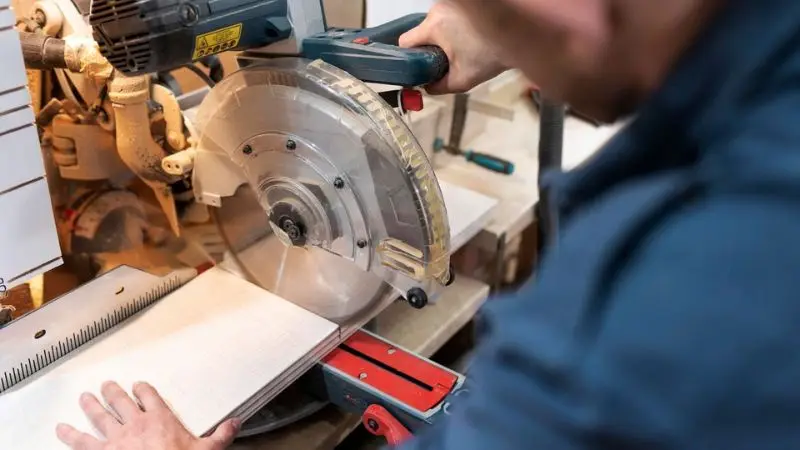
Even the best saw and blade can become unsafe with improper protection and technique. Concrete cutting is not only loud and dusty, but there are also bits of debris flying around. Plus, the power tools used for concrete cutting are also very powerful and sharp. Respecting the process makes each project safer and more successful.
A steady safety process, together with a good body position and basic tool care, goes a long way toward preventing injuries and costly breakdowns on any job site.
Essential Safety Gear for Using Saws to Cut Concrete
The dust created by concrete can irritate your lungs and eyes. The blade can also cause injuries. This is the reason why you should never underestimate the value of protective gear. Wearing safety glasses or a full face shield will protect your eyes from being hit by metal chips. A dust mask or respirator helps filter out very fine dry cutting particles.
It’s important to wear ear protection since a lot of saws run at a high noise level that will damage your hearing. Wearing heavy gloves, boots, and long sleeves provides another layer of protection against cuts, burns, dropped tools, etc. Getting dressed properly may feel like an extra hassle, but once you realize how much risk it takes away from even simple jobs, it just becomes a normal habit.
Concrete Cutting Techniques for Straight, Clean Cuts
With the right technique, any basic saw can feel more accurate and powerful. Before cutting, ensure to mark your line with chalk or a marker so you know where you’re going to cut. Start the blade’s rotation before it makes contact with the surface, then quietly turn it down into concrete. Let the weight of the saw and the sharpness of the blade do most of the work instead of forcing it through the material.
For cuts that run deep, it is typically more effective to make several passes, starting shallow and working down deeper. This reduces stress on the saw and blade. When practicing how to cut concrete with a circular saw or other machine, keep your stance balanced, slightly off the cutting path, and keep a firm grip with both hands. By adopting these practices, you can create better cuts, experience less kickback or binding, and enhance the overall appearance of your work.
How to Maintain Your Concrete Saw for Long-Term Use
Concrete can be a tough material, and it is tough on the saws, too. Taking care of your tools can help them last longer and maintain the smooth execution of every job. Let the saw cool down after each session. Then, use a brush or blow to remove the dust from the vent, housing, and moving parts. Check the blade for cracks, worn segments, and heavy glazing, and replace it if necessary.
Regularly check bolts, guards, and handles to make sure nothing has worked loose from vibration. Oiling or greasing moving parts (as called for by the manufacturer’s application) prevents wear and tear. To prevent rust and moisture from attacking the metal parts, stay dry and protected when not in use. Store your saw in the latter. Over time, this simple routine saves money, reduces downtime, and keeps your concrete cutting on track.
VEVOR Concrete Saws and Other Options for Home Use
The brand you choose can make a difference in performance, especially if you intend to cut concrete regularly. One example of this is VEVOR, which supplies various concrete saws designed for home and professional use. Understanding a brand helps you know if it is worth buying, renting, or if you need to compare it with others.
While searching for saws, it’s useful to take a step back and think about what you actually need rather than pick the biggest or most powerful model you can find.
Why VEVOR Saws for Cutting Concrete Stand Out
VEVOR concrete saws are built to deliver strong performance while still being easy to handle, which is why many homeowners and light professionals find them appealing. Rather than feeling like heavy industrial gear, they give you a mix of power, control, and user-friendly design.
- You can choose between rugged handheld units and walk-behind models, both designed to cut concrete, brick, and tile with confidence.
- Some versions arrive with diamond blades already included, so once everything is assembled, cutting becomes a straightforward task.
- Selected models add water feeds to help control dust and keep the blade cool during long, continuous cuts.
- Features such as adjustable cutting depth, solid blade guards, and comfortable handles make these concrete-cutting saws feel safer and more practical in everyday use.
Together, these details make VEVOR a strong contender when you compare concrete saw options for home and light professional projects.
Wrap Up
Concrete cutting can seem intimidating at first, but it becomes much more manageable once you understand your options. By matching the right saw for cutting concrete, blade, and technique to your project, you can work safely and achieve professional-looking results without guesswork. A few common questions come up again and again, especially around cutting depth and ongoing care, so it is helpful to keep the basics in mind as you plan and finish each project.
FAQ
What type of blade should you use for cutting concrete?
You should use a diamond blade for cutting concrete. Diamond blades cut faster and last longer than other types. Always check if your blade matches the material and the saw you use.
Can you cut concrete without water?
You can cut concrete dry, but using water helps reduce dust and keeps the blade cool. Water also helps your blade last longer. If you cut dry, always wear a dust mask.
How deep can a concrete saw cut?
Cutting depth depends on the saw and blade size. Most handheld saws cut up to 5 inches deep. Walk-behind saws can cut deeper. Always check your saw’s manual for exact limits.
How do you keep your concrete saw in good shape?
Clean your saw after each use. Check the blade for damage. Tighten loose bolts. Oil the moving parts monthly. Store your saw in a dry place to prevent rust.