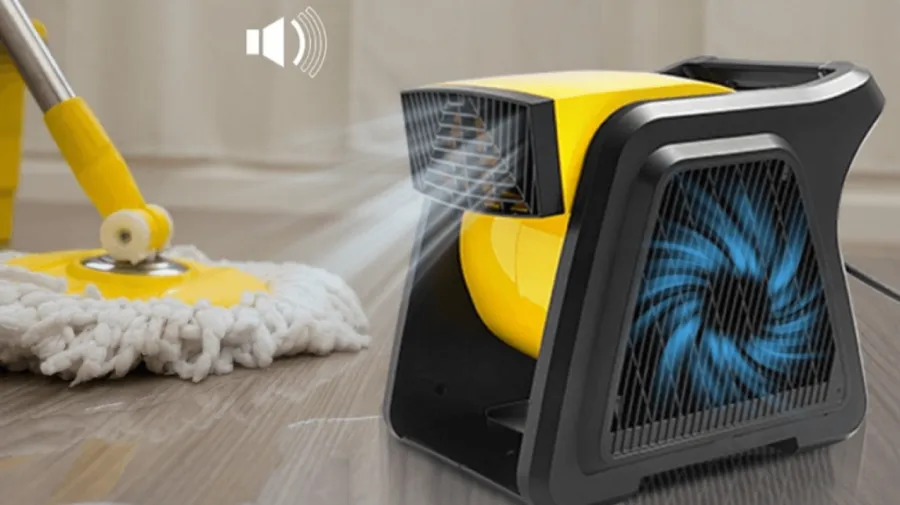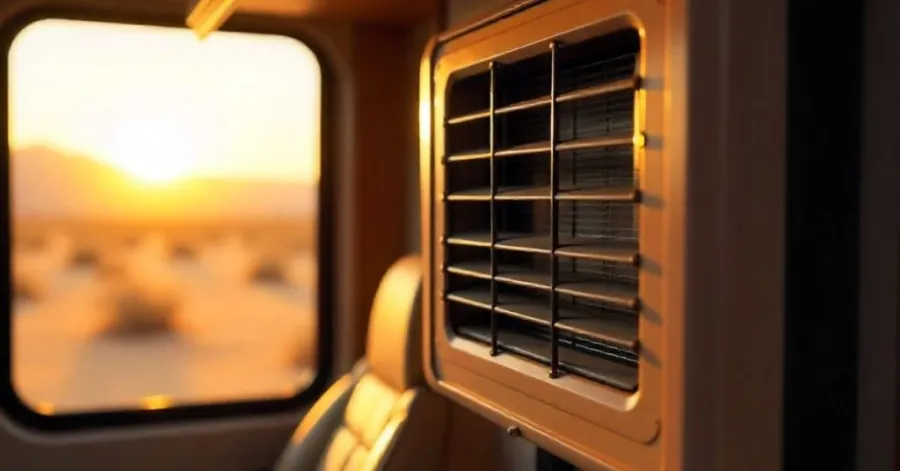
Keeping your RV warm is essential for comfortable travel, especially in colder weather. RV heating systems make this easy, and most new RVs come with one built in. The most common types include propane furnaces, hydronic heating systems, diesel air heaters, and electric or heat pump units.
A furnace uses propane to blow warm air through ducts, while hydronic heating circulates heated fluid to keep your space cozy. Electric heaters and heat pumps rely on electricity for quick, steady warmth. With simple controls and low maintenance, these systems are easy to use. Whether you’re a frequent traveler or just starting out, they keep your RV inviting.
Types of RV Heating Systems
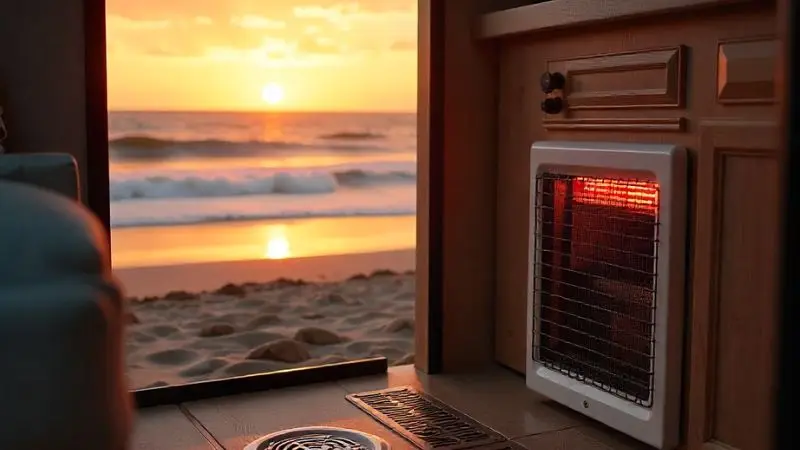
When it comes to staying warm on the road, choosing the right system makes all the difference. RV heating systems are designed to handle different climates and travel styles, giving you comfort wherever you park. Before deciding on the best RV heating system for cold weather, it helps to understand how each type works and what makes them unique. By learning about furnaces, air diesel heaters, hydronic heating, and electric or heat pump systems, you can match the right setup to your lifestyle.
RV Furnace
One of the most common options is the RV furnace. These units are found in most motorhomes and trailers because they are reliable and efficient. A furnace works by pulling cool air from inside the RV, heating it with a propane burner or electric element, and then pushing the hot air through ducts. This creates fast and even warmth that spreads to every room.
You simply set the thermostat, and the system does the rest. To keep things running smoothly, RV heating system maintenance tips include checking vents and testing the thermostat regularly. Furnaces are especially helpful for travelers who want a quick answer to how to heat an RV in winter without worrying about uneven temperatures.
Hydronic Heating
Hydronic heating is often found in high-end RVs, offering a quieter and more luxurious way to stay warm. Instead of blowing air, the system heats a fluid in a boiler and circulates it through pipes beneath the floor or behind the walls. This produces gentle, even heat that feels cozy without drafts.
Many models also provide hot water for showers and sinks, making them a multi-purpose option. Travelers who spend time in freezing areas often find hydronic systems to be the best RV heating system for cold weather, especially for long trips. While the upfront cost is higher, the comfort and steady performance are worth it.
Diesel Air Heaters
Diesel air heaters are another option for keeping your RV warm, especially if you travel in very cold regions. These systems burn diesel fuel to generate heat and then use a fan to blow warm air directly into the RV. Unlike hydronic systems, they do not heat fluid, and unlike furnaces, they don’t rely on propane. A popular example is the diesel air heater, which provides fast heating, low noise, and simple controls. Many models also include a remote control or digital display, making them easy to manage. Diesel air heaters are valued for their efficiency, reliability, and ability to run independently of propane.
Electric and Heat Pump Systems
Electric heaters and heat pumps are popular in newer RVs because they provide energy-efficient RV heating options. Electric heaters use coils to generate heat, while heat pumps move warmth from outside air into your RV. These systems are usually quiet and cost-effective, though they work best in mild to moderate climates.
A big advantage is that many of them can double as cooling systems in summer, giving you year-round comfort. They are also often paired with a furnace to boost heating when temperatures drop too low. For anyone asking, How do RV heating systems work, electric and heat pump models show how technology can stretch efficiency and convenience in small spaces.
How RV Heating Systems Work
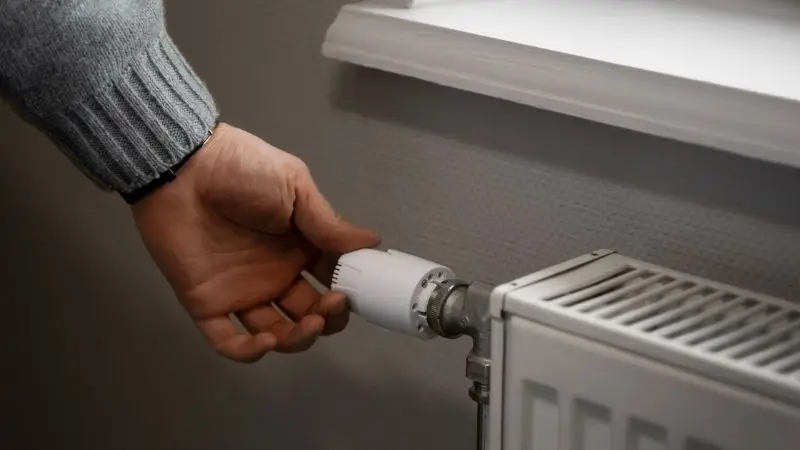
Understanding how RV heating systems operate makes it easier to pick the right setup and keep it running smoothly. These systems may seem complicated at first, but they actually follow a simple process: they generate heat, move it through the RV, and regulate the temperature with controls. By learning the key components and steps, you’ll see exactly how RV heating systems work and why they are essential for year-round comfort. Diesel air heaters are another option, using diesel fuel to provide direct, efficient warmth for RVs in cold weather.
Key Components of an RV Heating System
Every RV heating system includes parts that work together to deliver warmth. When one component fails, the whole process struggles, so it’s good to know what each part does.
- Thermostat – Lets you choose your preferred temperature and signals the system when to turn on or off.
- Power Source – Can be propane, electricity, or even DC power from the RV battery. Propane furnaces are common for dependable heat, while newer setups often rely on electricity or heat pumps.
- Heater or Furnace – Generates heat through a propane burner, electric coils, or a hydronic boiler.
- Blower or Pump – Moves heat around; blowers push warm air through ducts, while pumps circulate hot fluid in hydronic systems.
- Ducts or Pipes – Distribute warm air or fluid to different areas of the RV.
- Vents – Release the heat into living spaces, and many can be adjusted to control where warmth flows.
When maintained properly, these parts provide steady comfort and ensure energy-efficient RV heating options on the road.
Step-by-Step Operation
Although the systems may differ in design, the basic operation follows the same cycle. This simple sequence helps explain exactly how to heat an RV in winter and keep it cozy.
- Set the Thermostat – You pick a comfortable temperature, and the system stands by until the RV gets cooler than that setting.
- System Activates – The thermostat sends a signal. A furnace lights its burner, or an electric/heat pump system powers up.
- Heat Is Produced – Air is warmed in a furnace, coils generate heat in electric models, or fluid heats inside a boiler for hydronic systems.
- Temperature Maintained – Once your chosen level is reached, the thermostat shuts the system off. When it gets cold again, the cycle restarts automatically.
This balance of smart controls, reliable power sources, and moving parts shows exactly how RV heating systems work to create comfort in all seasons. With proper care and regular checks, they provide steady heat, making winter RV life not only possible but enjoyable.
RV Heating and Cooling Innovations You Should Know
Technology has transformed how RVs manage temperature. Modern RVs are no longer confined to simple furnaces or simple fans, but they are equipped with intelligent gadgets and other green options that make life on the road much easier. These inventions not only enhance comfort but also lower costs and the effect on the environment. These additions are at the forefront in case you are contemplating energy-efficient RV heating options.
Smart Controls That Make RV Heating and Cooling Easy
With smart thermostats, you can operate your RV heating and cooling system using only a phone or a tablet. You have the option of setting the temperature prior to entering, or you can have the system understand your routine and regulate the heat automatically.
There are even high-tech models that are linked to the weather applications and modify their modes in case the external temperature changes unexpectedly. These characteristics will make you more comfortable and save wasted energy. The question of how to heat an RV in winter is easily answered with smart controls; only this time, your RV heats, and you can relax.
Energy-Efficient Upgrades for RV Heating Systems
Modern systems focus on cutting down energy use while keeping the RV comfortable. Improved insulation in walls and windows helps keep warm air inside during winter and cool air in during summer. Many furnaces and air conditioners now feature variable-speed fans that only run as much as needed, avoiding wasted power.
Heat pumps are also becoming more common because they work well in both hot and cold conditions. Pairing these with solar panels allows you to travel longer without relying on camp hookups. These changes highlight the best in energy-efficient RV heating options, giving you comfort without heavy fuel or power use.
Eco-Friendly RV Heating and Cooling Options
For travelers who care about the environment, eco-friendly heating and cooling solutions are on the rise. Many systems now use safer refrigerants that don’t harm the planet, while some rely on renewable sources like solar or wind power. Hydronic heating is also seen as greener because it uses less fuel and creates minimal noise.
Switching to electric heaters powered by clean energy sources is another step toward reducing pollution. With these sustainable upgrades, you not only save money but also reduce your footprint, making RV travel cleaner and more responsible.
Usage, Efficiency, and Maintenance of RV Heating Systems
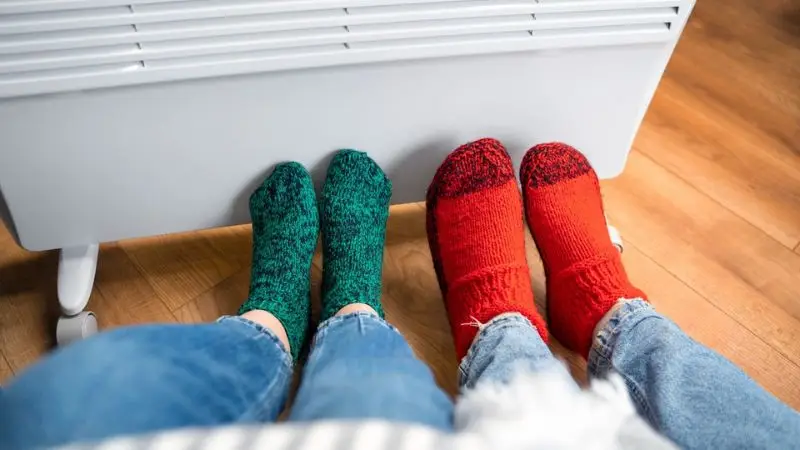
To keep your RV comfortable and safe, it’s important to understand not only how these systems work but also how to use and maintain them properly. Even the best RV heating system for cold weather needs care and attention to perform at its best. By following good practices, improving efficiency, and carrying out regular maintenance, you can enjoy steady warmth while avoiding costly breakdowns.
Best Practices for Safe RV Heating
Safety should always be the priority when it comes to an RV furnace or any other heating system. Every time you travel, make sure that the furnace is functioning properly and that the vents are clear and fully open. Always hear the blower fan when the furnace turns on; when it does not start up, check your propane supply and power connection.
Another good idea is to get a carbon monoxide detector to be on the safe side. Store furniture, bags, or curtains away to ensure air can move freely. These practices are the best in ensuring that your RV is warm, safe, and comfortable on the road.
How to Maximize Efficiency in Your RV Heating System
Heating an RV can use a lot of energy, especially in freezing weather, but there are easy ways to make it more efficient. First, make sure doors and windows are sealed tightly to prevent warm air from escaping. Use window coverings at night and add rugs or mats to keep floors from feeling cold. Avoid turning your furnace on and off too often—steady heat uses less propane than short bursts.
In mild weather, a heat pump is a good choice, while very cold nights are best handled by the furnace. For extra warmth, combine small electric heaters with your furnace for balanced comfort. These strategies are simple, energy-efficient RV heating options that keep your RV cozy without wasting fuel.
RV Heating System Maintenance Tips
Regular care keeps your heating system reliable and extends its lifespan. Clean vents and ducts monthly to prevent dust from blocking airflow. Test the thermostat often to make sure it responds quickly to temperature changes. If your furnace stops working, you may need to reset it—check for a reset button or follow the instructions in your RV manual.
After a propane refill or power outage, resets are sometimes necessary. Always inspect for propane leaks if you use a gas furnace, and replace air filters when they get dirty. By following these RV heating system maintenance tips, you can avoid unexpected problems and enjoy warm, stress-free travels in any season.
Wrap Up
RV heating systems make travel possible in every season, even during freezing winters. From furnaces to hydronic systems and modern heat pumps, each option has unique benefits to fit your travel style. With smart controls, eco-friendly upgrades, and proper care, you can enjoy reliable warmth without wasting energy.
Remember that using energy-efficient RV heating options and following regular RV heating system maintenance tips will keep your system working at its best. Whether you’re asking how to heat an RV in winter or looking for the best RV heating system for cold weather, the right choice keeps every journey cozy.
FAQ
What is the frequency of RV heating system service?
Always make sure that you check the heating system in your RV before you take it out. Clear the vents and check the thermostat once every month. Change air filters with the necessary periodic check. Have a whole service every year at least.
Is your RV furnace capable of running throughout the night?
Yes, it is okay, you can run that furnace of your RV through the night. Ensure that you have a proper carbon monoxide detector. Hold open vents to allow the air to flow. Never go to bed without checking your propane level.
What looks to be the most energy-efficient RV heating instrument?
Electric heaters and heat pumps have a smaller energy expense in mild temperatures. The hydronic systems conserve fuel, too. These systems should be combined with good insulation in order to achieve good results. Keep the heat indoors using rugs and window sealing.
Why does your traveling home furnace turn off and on again?
Your RV furnace can turn off in cases where the thermostat is defective, the vents are obstructed, or there is a deficiency of propane. Check each part. In case of a persistent problem, seek professional assistance.