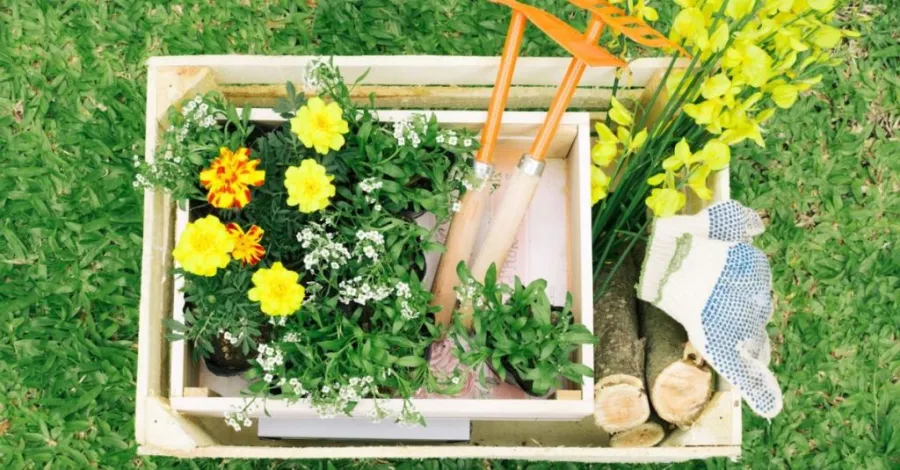
Tired of hauling heavy tools and soil by hand? A well-chosen rolling garden cart can turn your back-breaking chores into smooth, stress-free tasks. Whether you’re moving plants, tools, or mulch, the right cart glides over bumps, fits your space, and keeps everything within reach. Don’t just buy any cart—choose one that matches your yard, your workflow, and your daily gardening needs. The best garden carts aren’t just tools; they’re time-savers, back-savers, and your new favorite garden companion.
Rolling Garden Cart Basics
There is no better equipment to simplify your gardening than a rolling garden cart. Planting, weeding, or moving soil around, this handy cart can make your job much easier and save you time. You can also work smarter and enjoy your garden with the right cart.
What is A Rolling Garden Cart?
A rolling garden cart is not a regular wagon. It is specifically designed to be used in gardens, and it takes a lot of effort out of transporting tools, stone, or plants. A majority of carts have four wheels, a deep bed or tray, and a sturdy handle to pull or push.
The carts are made out of various materials:
- Lightweight, rolling garden cart made out of plastic and is easily cleanable
- Cart made of metal—stronger with heavier loads
- Collapsing garden wagon—folds away when not in use
- Heavy-duty fabric carts are great for light hauling
Various models will even include a collapsible garden cart with a seat so you can sit down and prune or plant. Regardless of style, a good cart ought to be sturdy, with smooth-rolling wheels, and an easy-to-hold handle
Benefits for Your Garden
Using a rolling garden cart reduces strain on your body. Instead of lifting and carrying heavy loads, you simply roll them across your yard. This makes every gardening task feel easier and more organized.
A lightweight garden cart with wheels also helps you stay efficient by:
- Transporting soil, mulch, and compost quickly
- Carrying multiple tools and plants in one trip
- Cleaning up garden waste like leaves or weeds with ease
- Reducing back and joint strain
Some carts even come with dump functions or removable sides for quick unloading. By choosing the right cart, you make every job smoother—and your garden more enjoyable.
Choosing the Right Garden Cart
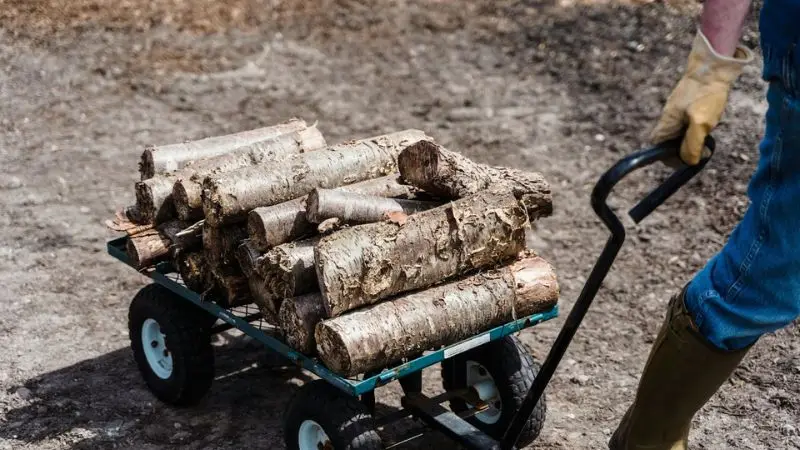
Picking the perfect rolling garden cart isn’t just about size or looks. The best choice depends on your garden’s layout, terrain, and your daily tasks. With the right fit, gardening becomes smoother and far less tiring.
Assessing Garden Size
The size of your garden is also a key consideration in which type of cart to use. A large garden or perhaps a narrow garden will require a very small, handy cart. This will assist you in traversing narrow places without crushing plants.
To save time, there should be a bigger cart in the case of large gardens. It is possible to bring up additional soil, tools, or plants and take fewer trips.
- Small gardens: A lightweight garden cart with wheels that fit between rows should be chosen.
- Big gardens: Find a plastic rolling garden cart with a deep tray and firm frame to haul a lot of weight.
A cart you can fit in comfortably allows you to traverse the area. You can do it without heavy damage or straining.
Fitting Cart to Terrain and Pathways
Wheels do not all come out equal. The movement of your cart greatly depends on the surface it passes over. Whether it is a smooth patio or a bumpy backyard, you want to make sure that your wheels fit the landscape.
- Rough or uneven pathways: Carts with pneumatic tires will help ease the jolt and save effort.
- Plain surfaces: The best are solid wheels—stable, with no maintenance.
- Various terrain: Be sure to choose a cart with huge wheels that can roll through any surface.
Your foldable garden cart with a seat has the right wheels to move even when it is full.
Considering Intended Use
Think about how you’ll use your cart every day. Some gardeners only move light tools and plants. Others transport mulch, compost, or heavy stones. Your tasks will guide your choice.
- For light work, a collapsible garden cart is perfect—easy to store and carry.
- For heavy-duty tasks, pick a sturdy cart with a strong frame and a high weight limit.
- For bulky items, removable sides help with easy loading and unloading.
- For frequent use, look for padded handles for better grip and comfort.
Choosing the right cart makes your work more efficient. Don’t just go for the biggest or most expensive model—go for what fits your routine and your garden best.
Must-Have Garden Cart Features
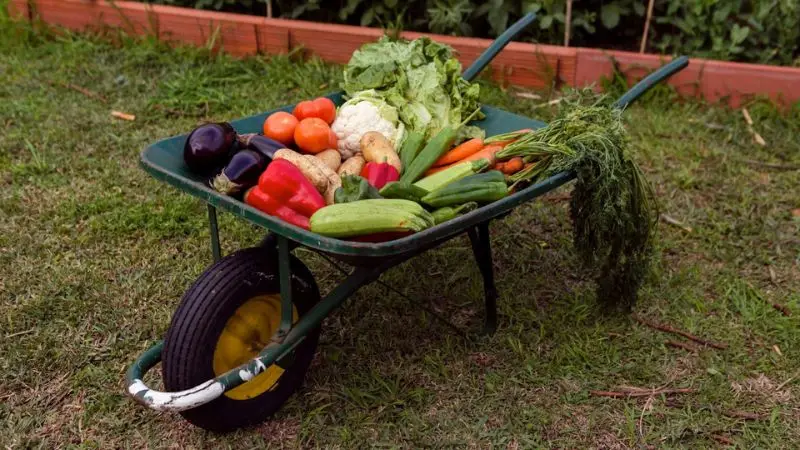
A good garden cart with wheels does more than just carry tools. The right features help you work faster, lift less, and stay organized in the garden. Here’s what to look for when picking the best cart for your needs.
Material and Durability
Durability starts with the material. Choose one that matches your climate and workload.
- Plastic garden carts are rust-free, lightweight, and easy to clean—great for wet conditions.
- Metal carts, often made from steel, are perfect for heavy-duty use. They handle rough jobs without breaking down.
- Fabric carts fold up easily for storage, but are best for light garden tasks.
For a long-lasting dump cart, go with thick plastic or steel. These materials offer strength without being too heavy to move.
Weight Capacity
Your cart must meet your daily gardening requirements. You should always look at the weight it can support.
- Light-duty carts (up to 150 lbs): Perfect for tools, flower pots, or seedlings.
- Medium-duty carts (150-400 lbs): Excellent to use with bags of mulch, compost, or soil.
- Large carts (400+ lbs): Recommended for large yard cleanup or rocks and bricks.
Overloading a cart reduces its life. Choose a rolling garden cart that has the capacity to carry your load comfortably.
Wheels and Maneuverability
Wheels play a big role in how easily your garden cart moves across different surfaces. Choosing the right type can make a big difference in performance and comfort.
- Pneumatic tires are filled with air and glide smoothly over rough terrain, roots, and uneven grass.
- Hard wheels work best on patios, driveways, or solid paths.
- Larger wheels offer better turning power and reduce strain, especially when the cart is fully loaded.
The better the wheels, the better the control. A smoother ride makes every garden trip easier and more efficient.
Size and Storage
Big garden carts carry more but take up extra space when stored. Before buying, think about where it will go when not in use.
- Compact carts fit easily in sheds or tight corners.
- Folding fabric carts are lightweight, simple to move, and collapse for easy storage.
- Large carts are ideal for heavy-duty use but need more storage room.
Always measure your available space to avoid surprises. Choose a cart that suits your gardening needs and fits neatly in your home.
Dump Cart and Removable Sides
These features can turn a regular cart into a true garden hero, making your work faster and easier.
- Dump carts let you tip and unload soil, mulch, or rocks with minimal effort.
- Removable sides make it simple to load wide or bulky items like bags of compost or large plants.
- Padded handles and easy assembly add comfort and convenience to your gardening routine.
A garden cart with both a dump feature and removable sides saves time, reduces strain on your body, and speeds up heavy tasks.
Comparing Garden Carts for the Best Fit
Garden carts are not created equal. When it comes to comparing various models, consider the amount of labor you perform in the garden and how frequently you have to transfer the tools, soil, or plants. The finest garden cart is a cart that moves things, but should fit your daily gardening.
A foldable garden cart that is easy to store or a rolling garden cart that serves as a resting place can make the work much easier. Give time to feature comparison and values so that your cart can be a staple of your gardening process and not an addition to the tool clutter.
Multi-Purpose, Bonus Features
Flexibility is valuable. Not all garden carts simply transport the tools; some make you work smarter. A good sturdy garden cart on wheels with a seat allows you to weed and not bend. Flexible carts transform between a wagon and a flatbed to perform various tasks. Seek additional features that fit your habits.
- Removable sides for wider loads
- Foldable frame for compact storage
- Built-in tool trays or pockets for essentials
- Cushioned handles for more comfort
- Dump bed function for quick unloading
These features can cut down on time and effort. A more adaptable cart means fewer trips and less strain while tackling your daily garden work.
Budget and Value
You want a cart that fits your budget and lasts through tough jobs. Don’t choose the cheapest cart if it’s not strong enough for your garden tasks. A collapsible garden cart might save space, but check the frame and fabric before you buy. Higher-priced models often come with stronger frames and added features. When comparing carts, think about what you’ll use most:
- Do you need a dump cart for heavy soil?
- Are storage and folding features a priority?
- Will the cart handle daily or seasonal tasks?
The best value comes from a balance of cost, durability, and usefulness—not just a low price tag.
Wrap Up
Choosing the right garden cart can make your outdoor tasks easier, faster, and more enjoyable. Whether you need a lightweight garden cart with wheels, a plastic rolling garden cart, or a foldable garden cart with a seat, the best one is the cart that fits your space, workload, and storage needs. From hauling soil to holding tools, a good rolling garden cart saves your time and energy. Focus on features that match your gardening habits, and invest in a cart that offers long-term value. With the right garden cart, every project becomes more manageable, and your garden work feels less like work.
FAQ
How do I wash my rolling garden cart?
Most of the carts can be washed under a garden hose. A brush and mild soap should then be used on tough dirt. After using it, store the cart dry. This makes it stay new and avoids molding or rust.
Will a rolling garden cart work on hills?
Of course, but make it a cart with big pneumatic tires to provide a better grip. Whenever moving the cart, push up the hill and go down with control. Do not overload the cart when going on steep slopes.
What happens when my cart breaks down? Are the wheels stuck?
Check the wheels for rocks, mud, or debris. Eliminate or get out of the way of whatever is in their way. In case the wheels squeak, put in some oil. This aids your cart with free-passing once more.
What is the capacity of my garden cart?
Nevertheless, it is necessary to check the label or manual. The standard weight many light-duty carts can contain is 150 pounds. The heavy-duty carts are in a position to carry more than 400 pounds. Do not heap everything into your cart. This prevents you from getting stolen and secures your cart as well.