You might often hear people talk about the difference between a ratchet vs. a socket wrench—and it’s easy to mix them up. Both tools look similar and often work together, but they serve slightly different purposes. A socket wrench uses different-sized sockets to grip nuts and bolts, while a ratchet lets you turn them quickly without removing the socket.
Understanding how each tool works saves time and prevents mistakes. Whether you’re tightening a bike chain or doing car repairs, knowing the difference between a socket wrench and a ratchet makes every project smoother and easier to handle.
Socket Wrench Basics
If you’ve ever worked on cars or furniture, you’ve probably seen a socket wrench in action. It’s one of those tools that make repair jobs faster and less tiring. Before diving into how it works, let’s understand what this tool is and why it’s so useful in everyday mechanical tasks.
What Is a Socket Wrench
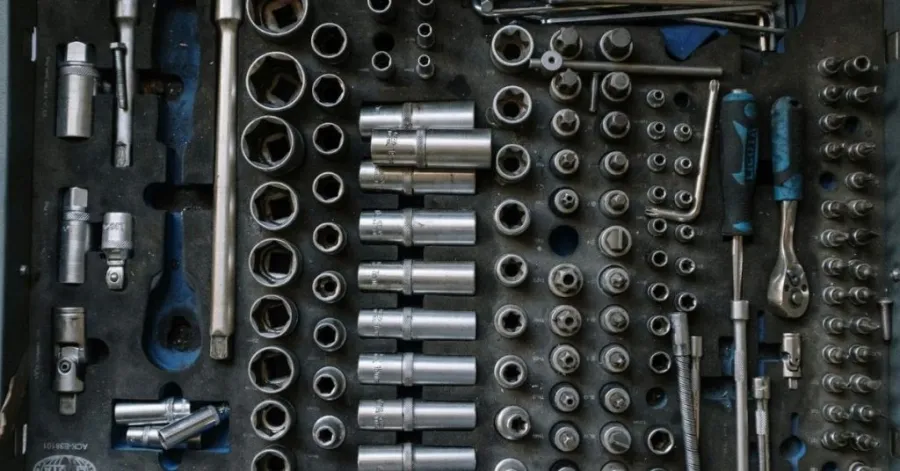
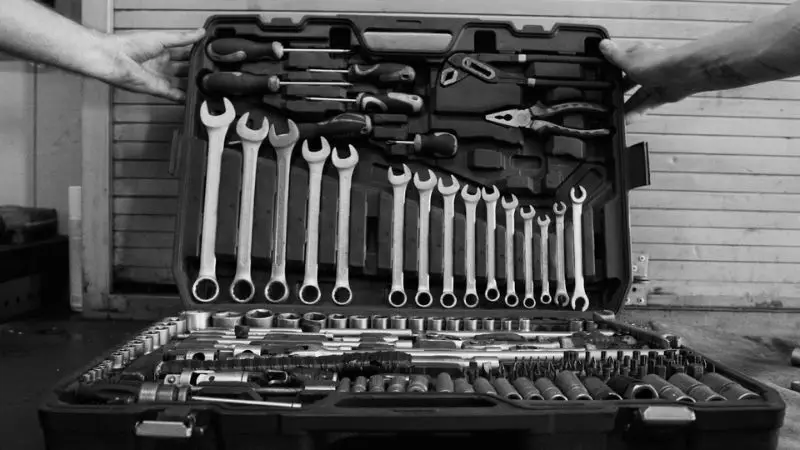
A socket wrench is a simple hand tool that helps you tighten or loosen nuts and bolts by using a hollow socket. A cylinder that fits snugly over the fastener, allowing smooth rotation without slipping. You can find different handle lengths and socket sizes depending on the job:
- Long handles give you more power for tight bolts.
- Short handles fit easily into small spaces.
- Socket sets include multiple socket sizes for varied repairs.
Many people wonder, is a ratchet the same as a socket wrench. Not exactly — a socket wrench is the main tool, while a ratchet is a type that allows continuous turning without lifting the tool.
How It Works
Using a socket wrench is straightforward once you know the steps. First, choose the correct socket size to match your bolt. Then:
- Attach the socket to the wrench handle.
- Place it over the nut or bolt head.
- Turn the handle to tighten or loosen.
The socket grips the bolt’s sides instead of its corners, preventing damage and slippage. Since you don’t have to reposition after each turn, you can finish tasks faster and with less effort — that’s one of the biggest advantages of using a socket wrench over a regular wrench.
Ratchet vs Socket Wrench
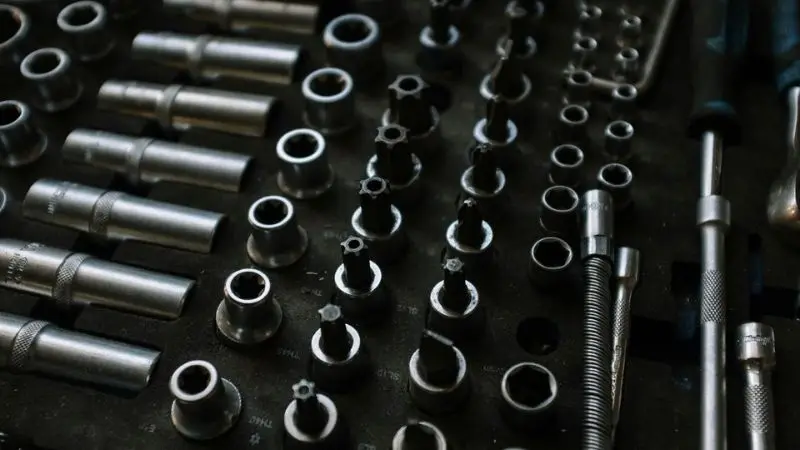
When it comes to tightening or loosening bolts, both ratchet wrenches and socket wrenches are must-have tools. While they look similar, they work in slightly different ways. Knowing how each one functions can help you choose the best tool for your job—whether it’s quick repairs or tasks that need a strong, steady force.
What Makes a Ratchet Wrench Different
A ratchet wrench stands out because of its built-in gear mechanism. This gear allows you to move the handle back and forth without removing it from the bolt. You can work faster, especially in tight or awkward spaces where movement is limited. The handle’s flexibility saves time and reduces strain on your wrist. That’s why people prefer it for car repairs, bike maintenance, or quick assembly jobs.
The main advantage of a ratchet wrench over a socket wrench is efficiency. You don’t need to lift the tool after each turn, so you can keep working smoothly without losing your position.
How a Socket Wrench Works
A socket wrench looks simpler but gives you strong, consistent control. It doesn’t have a ratcheting gear, so you must lift and reposition it after each turn. While that can slow you down, it helps you apply steady pressure when tightening or loosening bolts.
If you’re wondering, is a ratchet the same as a socket wrench? — Not quite. The socket wrench is the main tool, while a ratchet is a special type that includes a one-way mechanism. Both use sockets to grip bolts, but they’re designed for different needs.
When to Use a Ratchet vs a Socket Wrench
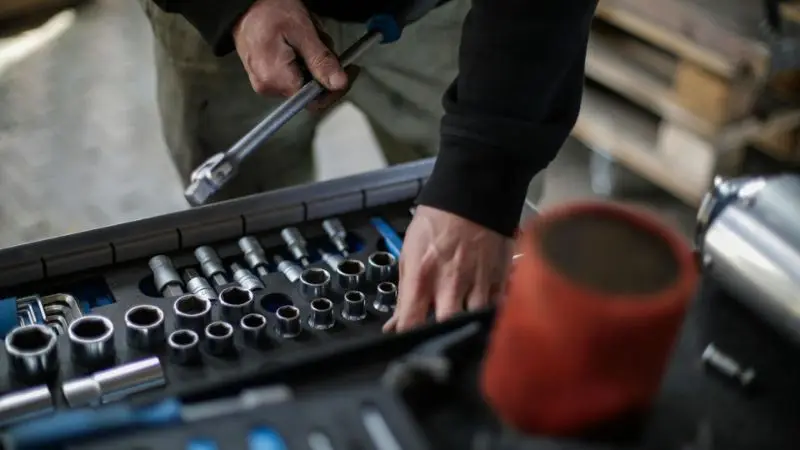
The choice between a ratchet and a socket wrench depends on your workspace and the type of job. Use a ratchet wrench when:
- You need to work quickly.
- You’re dealing with bolts in tight areas.
- You want to reduce hand fatigue during long tasks.
Use a socket wrench when:
- You need extra torque or strength.
- You’re loosening a stubborn or rusted bolt.
- You prefer full control over each turn.
So, when to use a ratchet vs. a socket wrench depends on whether you value speed or precision.
Advantages of Using a Ratchet Wrench
The ratchet wrench is popular among professional mechanics and amateurs due to its design, which remains time-saving. It allows you to rotate bolts without having to take the tool off, as this saves time on all work. It has a few switches that are easy to turn either way and tighten and loosen, giving both ways easily.
Comfort is the other benefit of a ratchet wrench compared to a socket wrench. Its ergonomic design reduces the occurrence of strain on the wrist and helps to work in narrow areas. The ratchet can be used to get your furniture together much faster and with less effort, or to repair your car.
Disadvantages of Ratchet Wrenches
While the ratchet wrench offers speed and ease, it does have a few downsides. It can’t apply as much force as a standard socket wrench, which makes it less effective for very tight or rusted bolts. The internal gear mechanism can also wear down over time with heavy use.
These disadvantages of a ratchet wrench mean it’s not ideal for high-torque jobs. Still, it’s perfect for most everyday repairs where quick motion and convenience matter more than raw strength. Keeping both tools handy ensures you’re ready for any situation.
Differences in Efficiency and Use Cases
It usually depends on the type of work you are doing to decide whether to use the two tools. A ratchet wrench becomes your friend when you are assembling furniture or making quick car repairs. It makes bolts tight or causes them to loosen quickly and saves hand strain. This is one of the largest benefits of a ratchet wrench, as compared to that of a socket wrench: a seamless movement without having to put it back in place over and over.
However, when you need to meet high capacity or require more control on stubborn bolts, a socket wrench can be used to provide additional torque and control. It is probably more dependable when the power is required, but it will be slower. The cons of a ratchet wrench are less force ,and internal gears may wear out with time.
Ultimately, the ratchet vs. socket wrench debate boils down to speed versus strength. Keep both in your toolbox — use the ratchet when time is tight and the socket wrench when precision and force are key. That balance makes your work easier, faster, and more efficient.
Wrap Up
Both the ratchet wrench and socket wrench are valuable tools for any repair job. The ratchet wrench saves time and effort, especially in tight spaces, while the socket wrench offers more control and power for tough bolts. Understanding when to use a ratchet vs. a socket wrench helps you work smarter and more efficiently.
The best option often depends on the task—choose speed with a ratchet or strength with a socket. Keep both tools in your kit so you’re ready for any challenge. With the right choice, every repair becomes quicker, easier, and more precise.
FAQ
Which socket size is to be used to repair your car?
You are to look in your car manual. Most cars use metric sockets. They are generally 10 mm, 12 mm, and 14 mm. The socket size corresponds best to the bolt.
Is it possible to use a ratchet wrench on any socket?
Most sockets can be fitted to a ratchet wrench, provided there is a match in the orifices. Standard drive sizes are 1/4″, 3/8″, and 1/2″.
What are your ratchet wrench maintenance practices?
Wipe your ratchet wrench when you use it. Add a drop of oil to the gear. It should be kept in a dissimilar location to avoid rust.