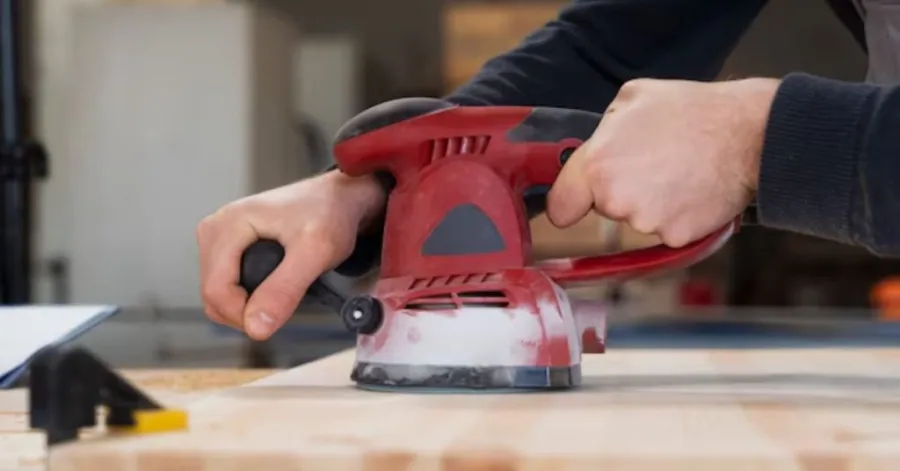
Most people would like a smooth, nice finish on their projects, whether using a random-orbital sander or a sheet sander. Random-orbital sanders and sheet sanders are essential equipment for achieving a smooth, professional finish in woodworking and other DIY projects. Most people are inclined to use an orbital sander randomly because it is quick and can be used on many surfaces. However, whether to use a random orbital sander or a sheet sander depends on the project being undertaken, the result you want, and the amount of experience. The type of sander to buy should be based on your needs, abilities, and budget. The choice of ofa sander is the key to becoming efficient, achieving the desired level of surface quality, and achieving the final project result. This guide will help you understand their features and benefits, and which projects each tool best suits. It displays the sander that provides the finest, smooth finish to your woodwork.
Random Orbital Sander: What It Is, How It Works & Where to Use It
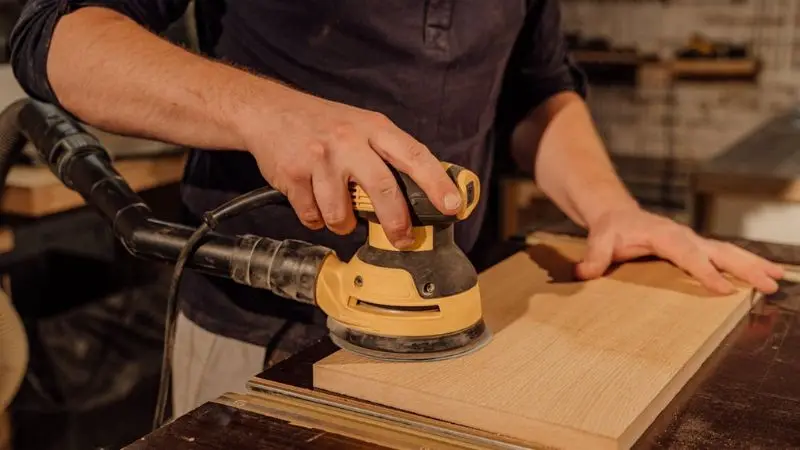
A random orbital sander is equipped with a circular pad that moves in two directions to provide a swirl-free, smooth finish. It has an adjustable speed, a comfortable handle, and a dust-collection system that make it easy and safe to operate for both beginners and experienced users. This sander cuts through the material quickly and smoothly, without following the wood’s grain. It is effective in sanding of furniture, cabinets, doors, drywall, and rough boards. In general, it is a multi-purpose tool that can be used for heavy sanding and fine finishing.
Understanding Orbital Sander Design Elements
You will see that an orbital sander has a round sand pad. This pad is moving in 2 directions simultaneously. It not only turns around itself but also revolves in little circles. It is especially moving to leave your wood and other surfaces without swirl marks. What sanders can be used on a DIY project? The orbital sander is superior and produces perfect results. Most orbital sanders are comfortable and include a dust bag. Sanding discs with hook-and-loop or adhesive fasteners can be attached. Many models let you adjust the speed to your project. You always have to check whether your orbital sander has an inbuilt dust port. This aspect keeps your workspace cleaner and allows you to breathe more easily.
Advantages of a Random Orbital Sander
A random orbit sander gives you a smooth finish. The pad has a special movement, and it is difficult to leave any scratches or lines. This sander can be applied to wood, metal,l or even plastic. It is suitable for heavy sanding and for light finishing. You do not even have to go with the grain of the wood, which saves you time. Orbital sanders are not challenging to use, and many can be used without extensive practice.
Here are some key advantages:
- Eliminates content in a fast and even manner
- Minimizes the threat of visible sanding marks
- Flat and curved surfaces work
- Manages a wide variety of projects
How to Use Orbital Sanders Effectively
Random-orbit sanders can be used for numerous tasks around your home. Their application is in sanding of furniture, doors, and cabinets. Which sander is better for DIY projects? The most suitable tool is a sander that delivers a smooth finish and works on a variety of surfaces and materials. An orbital sander can also be used to level drywall patches or to make a surface ready for painting. Tables can also be refinished,d or rough boards can be sanded with it. It can cover large spaces with minimal physical effort. An orbital sander is a prudent consideration in case you need a tool to work with big and small jobs. An orbital sander is always launched with a rough sanding disc to remove heavy material. Change to a finer grit to obtain a smooth finish.
What is a Sheet Sander? Uses, Advantages, and Design

A sheet sander has a square/rectangular pad with standard sandpaper that moves back and forth, enabling accurate control. It has a lightweight design and is easy to change the sandpaper, making it comfortable during long sanding. It is perfect for fine work because it allows you to reach corners, edges, and tight spaces easily. It is also applied in sanding doors and trim, window frames, and smoothing surfaces. In general, a sheet sander is a convenient, low-cost option for DIY work and finishing.
Sheet Sanders: Design and Advantages Explained
You will observe that a sheet sander has a square or rectangular sanding block. A quarter or half of a standard sheet of sandpaper is deposited in this pad. The sandpaper is fastened on the sides with clips or clamps. This pad moves in a mere back-and-forth motion. Its design can help you reach the corners and edges. Sheet sanders, best for a smooth finish, are lightweight. It lets you wear it long without fatigue. Some have a dust bag or a vacuum connection port. Before purchasing replacements, you are to investigate the size of the sandpaper. It ensures optimal results when the correct size is used.
Advantages of a Sheet Sander
A sheet sander gives you exact control. Its rectangular form allows you to sand up to walls and even to narrow areas. It is helpful for rough and fine sanding. Different individuals prefer sheet sanders for finishing, as they provide a smooth surface. The sandpaper is also easily changeable and can be cut from standard sheets, which saves money.
Here are some benefits:
- Easy accessibility of corners and edges.
- Uses standard sandpaper that is cheap.
- Portable and lightweight.
- Suited to detailed and finishing work.
Using Sheet Sanders for a Smooth Finish
Sheets of sanders may be used in numerous domestic projects. They are instrumental in sanding doors, window frames, and baseboards. They can also be used to smooth between coats of paint or varnish. Many people can use a sheet sander to prepare furniture for painting or staining. It is also efficient on flat surfaces, edges, and corners, hence it can be used to sand doors, window frames, baseboards, and trim. Which sander is better for DIY projects? A sheet sander is a good option for both precision work and general sanding. It is used to produce a smooth, even finish. When you have to sand an even surface or reach into corners, this is a nice tool.
Random Orbital Sander vs Sheet Sander: Key Differences

Using this as the primary distinction, an orbital sander and a sheet sander differ in their sanding motion and finished appearance. They also have a higher speed and fewer swirl marks, and, when used with a random orbital sander, can be applied to large surfaces. When a sheet sander is used, it is more controllable for edges, corners, and detail work. They are user-friendly and feature dust collection to keep the workspace cleaner. Their prices vary: random orbital sanders are more diverse and expensive, whereas sheet sanders are cheap and perfect for simple tasks.
Key Motion Differences Between Sanders
The most significant variation between a random orbital sander and a sheet sander for furniture is the movement of the respective sander. It has an orbital sander that rotates and circles. It helps you achieve a smooth finish with fewer swirl marks. Its sanding pad spins in circles while also moving in small, random loops. The random movement removes material quickly and evenly. A sheet sander is moving straight and straight. It also renders it applicable to edges and detail work. These movements evenly distribute the sanding motion over the surface. It significantly reduces the likelihood of leaving discernible swirl marks. This feature lets you choose the tool best suited to your project. Random-orbit sanders are suitable for large-scale surfaces, whilst heat sanders can help you reach tight spots and small areas.
Comparing Sander Performance and Speed
When you have a large job, you desire to work swiftly. An orbital sander removes material quickly and covers a large area. Its speed also limits physical labor. It reduces arm fatigue and enables the user to complete projects more comfortably. Sheet sanders are less expensive but provide control. This reduced rate is, in fact, an advantage for specific tasks. It gives them control and the ability to concentrate on precision, particularly in sanding edges, corners, and details. This aspect demonstrates each tool’s performance during sanding, enabling users to choose the appropriate tool for the task. Its performance refers to how well a sander removes material and how smooth the final surface looks. This is very helpful for users with large projects or limited time. The required speed and efficiency usually determine the decision.
Comfortable Use and Better Control
Both sanders are easy to use. Orbital sanders work well on flat and curved surfaces. Sheet sanders have a square pad for corners and detail work. These random orbital sander vs sheet sander pros and cons tools are light and easy to hold. You can use them for a long time without getting tired. This feature improves control and reduces vibration. It also allows users to stand for more extended periods without discomfort. Its lightweight design makes it simple to lift, guide, and control. This level of control is invaluable for beginners and for projects that require a gentle touch. Either sander is suitable for general woodworking.
Cleaner Air with Dust Collection
A clean workspace is essential; most orbital sanders have built-in dust collection. This keeps dust out of the air, and sheet sanders also have dust bags or ports. You can connect them to a vacuum for better cleaning. This feature helps keep the work area much cleaner. It reduces the amount of dust floating in the air, making the workspace safer and more comfortable. The dust collection feature helps keep the sandpaper clean for longer. It saves users money and reduces interruptions during work. It makes sanding projects feel less messy and less stressful, especially for beginners. Good dust collection means less mess and cleaner air.
Price and Value Comparison of Sanders
Orbital sanders usually cost more than sheet sanders. You pay more for their speed and versatility. Sheet sanders use regular sandpaper, which saves money. Consider your budget and what you spend most often. If you want a tool for many jobs, pick a random-orbital sander vs. a sheet sander for furniture. For simple woodworking, a sheet sander is a good value. When comparing belt, orbital, and sheet sanders, consider your main projects and the results you want.
| Feature | Random Orbit Sander | Sheet Sander |
| Sanding Motion | Random orbital | Linear |
| Finish Quality | Smooth, swirl-free | Good, may show lines |
| Speed | Fast | Moderate |
| Detail Work | Good | Excellent |
| Large Surface Areas | Excellent | Good |
| Price | Higher | Lower |
Now you know the main differences between these sanders. Pick the one that best matches your woodworking needs and delivers the results you want.
Choosing the Best Projects and Buying Considerations
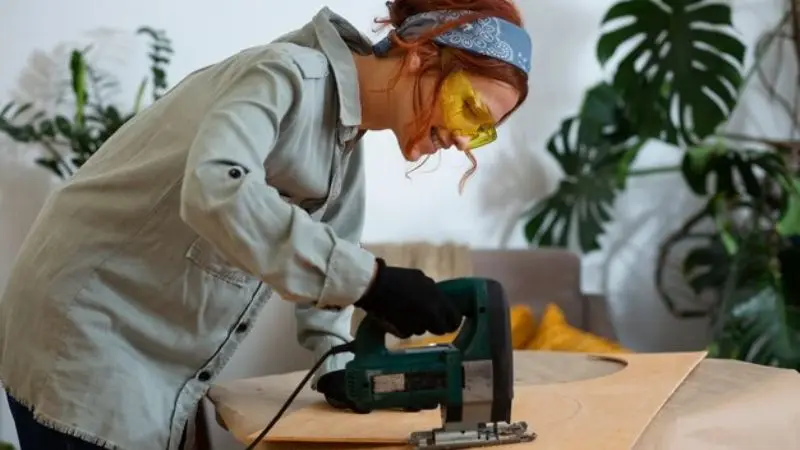
An orbital sander is a random tool that sands large, flat surfaces and leaves a smooth finish without swirls on furniture and in refinishing jobs. It is more effective for small-scale, planned activities, in narrow spaces, and for sanding edges or corners. The size of the project and the quality of the finish are crucial factors to consider when selecting the appropriate tool. One also has to consider the budget, the cost of the sandpaper, and dust collection during the purchase. This facilitates the sanding process and enhances the outcome once an appropriate sander is selected.
Projects Best Suited for a Random Orbital Sander
You should pick a random orbital sander when you want a smooth finish on large surfaces. This is the best sander for a smooth finish and works well for furniture, tabletops, and doors. You can use it to remove old paint or varnish. If you need to refinish cabinets or sand down rough boards, this tool helps you work quickly. You do not have to follow the wood grain, so you save time. This feature also helps users with surface preparation projects. It helps in refinishing old furniture and is ideal for general woodworking projects. Many people use this sander for projects that need high quality and a swirl-free look.
Projects Best Suited for a Sheet Sander
A sheet sander helps you with detailed work and tight spaces. You can use it on window frames, baseboards, and corners. This sander is excellent for smoothing between coats of paint or varnish. If your project has many edges or needs careful sanding, you will find this tool easy to control. You can also use standard sandpaper, which saves money on supplies.
- Sanding small furniture pieces
- Prepping trim and moldings
- Reaching into corners and along edges
Factors to Consider Before Buying
You need to consider your project’s size and the finish you want. If you work on big projects or want a high-quality surface, choose a random orbital sander over a sheet sander. For smaller jobs or jobs with many corners, a sheet sander may be a better fit. You should check your budget, as random orbital sanders often cost more. You also consider dust-collection features to keep your workspace clean. You should try holding each sander to see which feels comfortable in your hand. Remember, the right sander makes your project easier and improves your results.
| Factor | Random Orbital Sander | Sheet Sander |
| Best for | Large, flat surfaces | Detail, corners |
| Finish quality | Very smooth | Good, precise |
| Sandpaper cost | Higher | Lower |
| Ease of use | Easy | Very easy |
Sanding Tips for Using Your Sander Effectively and Safely
Even results with a random-orbital sander and a sheet sander are achieved through sanding methods. When you wear the correct equipment and take the necessary precautions, you save your eyes, lungs, and hearing. With proper care and use, they make sanding pads last longer. They are also the most effective for big DIY projects, with the help of ofa random orbital sander and a sheet sander for furniture. They also help you achieve better results, even with a budget and limited ability.
Proper sanding techniques for each type
You can get the best results by using the proper technique for each sander. For a random orbital sander, move the tool slowly in overlapping circles and let the sander do the work. You know not to press it down hard. It helps you avoid uneven spots. This feature guides users on how to move the sander correctly. Which sander is better for DIY projects? For a sheet sander, move the tool along the grain of the wood. This method works well for woodworking projects. You should keep the sander flat on the surface. You should also change your sandpaper when it gets clogged or worn out. You will find that both sanders are easy to control with practice.
Safety precautions and protective gear
You should always think about safety when using any sander. So you should wear safety glasses to protect your eyes from dust. You use a dust mask or respirator to keep dust out of your lungs. Its hearing protection helps if you use the sander for extended periods. You should also tie back long hair and avoid loose clothing. Keep your work area clean and clutter-free, and unplug the tool before changing sandpaper or making adjustments.
| Protective Gear | Purpose |
| Safety Glasses | Protects your eyes |
| Dust Mask/Respirator | Keeps dust out of lungs |
| Hearing Protection | Reduces noise exposure |
How to extend the life of sanding pads
You can save money by taking care of your sanding pads. After each use, gently tap the pad to remove dust, and store the pads in a dry place. Do not press too hard when sanding. This helps the pad last longer and replace pads when they lose grip or become smooth. The best sander for a smooth finish is the correct size sandpaper. It keeps the tool working well for many applications. Good care makes your sander more versatile and efficient for all your woodworking needs. You now know the key differences between random orbital and sheet sanders.
- Choose a random orbital sander for most DIY projects.
- Pick a sheet sander for small, detailed jobs.
Use the tips in this guide to get the best results for your budget and skill level.
Wrap Up
A random orbital sander or a sheet sander will depend on your project and the desired finish. Large surfaces are best made smooth and swirl-free by a random orbital sander within a short time. The detailed areas, edges, and tight spaces that require precision are best done with a sheet sander. It is a good practice to use proper sanding techniques, use protective equipment, and keep your sanding pads in excellent condition to achieve great results and ensure the life of your tools. The size of the project, the budget, and ease of use are among the factors to consider when choosing the right sander. When you have the right tool and use it correctly, using it makes woodworking easy, safer, and more enjoyable.
FAQs
Is it possible to apply a random orbital sander on painted surfaces?
Yes, one can use a random orbital sander to remove or smooth painted surfaces. You should always begin with a rough grit disc. Wear a dust mask to cover yourself from paint particles.
Do you have to sand across the grain with a sheet sander?
Ray, yes, it should be across the grain when you keep a sheet sander. This prevents any scratches that you have and leaves you with a smoother finish. Drag the sander at right angles to the wood grain.
What sanders do beginners prefer?
Beginners are more likely to find a random orbital sander easier to use. You are not obliged to go along the grain. The tool is manageable, and it provides a smooth finish with minimal effort.
What is the frequency of replacement of sanding pads or sheets?
When sanding sheets or pads appear worn, clogged, or no longer perform well, replace them. New sandpaper can help you achieve better results and protect your sander from damage.
Can a random orbital sander be used with normal sandpaper?
No one requires special round sanding discs for a random orbital sander. Frequent sheets of sandpaper are not fitting or adherent to the pad. A tool should always be purchased with the right size and type.