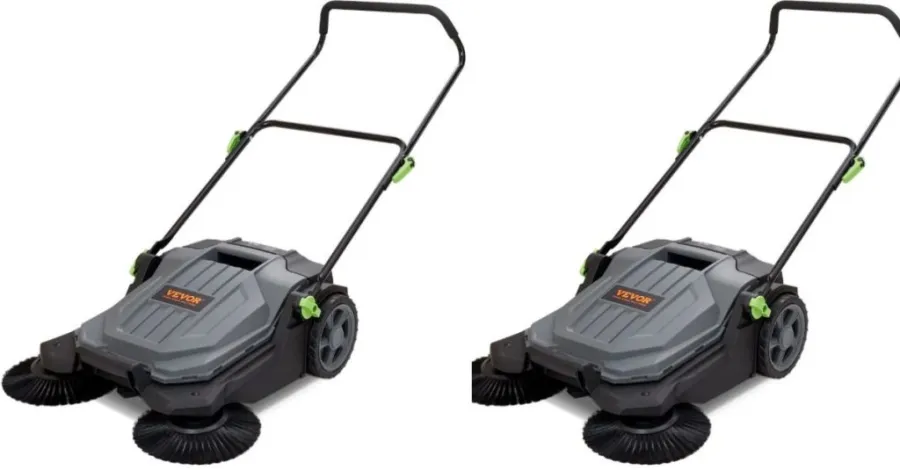
Not only do clean floors look better, but they are also better for your health, safety, and work. It’s hard for many people to choose the right push floor sweeper, though. They spend money and time on models that don’t clean their area, floor type, or needs. You might get angry, clean less well, and have more work to do if you make the wrong choice. Picking the right sweeper doesn’t have to be hard.
In this blog post, we’ll talk about the most important things, like how much space you have, the type of floor, the type of trash, the price, and the features. It’s now easy to choose the best push floor sweeper for your home, office, or business.
Push Floor Sweeper Selection
Assess Your Space
Before you buy a sweeper, look at your space. Take notice of the size and arrangement of the space. A modest model works for tiny dwellings, but bigger regions could need bigger equipment. It’s simpler to clean open spaces, but tight corners need to be easier to move about in. For households, the best push floor sweeper for home use balances efficiency and size. Make a basic map that shows where people go a lot and where there are problems. Choosing the correct type of sweeper for your needs will make sure that it cleans any place as well as possible.
Floor and Debris Type
Before you buy a sweeper, make sure you know what kind of floor you have. Tile, concrete, and hardwood floors need different brushes than carpets do. Some sweepers operate better on smooth floors, while others work better on rough floors. You need delicate brushes for fine dust and sand, and bigger bristles or hoppers for leaves or paper.
A push floor sweeper without electricity is a good solution for mixed rubbish since it can handle both small and large pieces of trash without needing power. Pick the model that works best for the type of surface you need to clean and the cleaning job you need to do.
| Floor Type | Best Sweeper Brush | Common Debris |
| Tile | Soft bristle | Dust, crumbs |
| Concrete | Stiff bristle | Sand, gravel |
| Hardwood | Soft bristle | Hair, dust |
| Carpet | Special roller | Lint, small debris |
Aisle and Doorway Width
Using the right machine, such as a heavy-duty push floor sweeper for warehouse cleaning, matched to your specific space and debris type, improves cleaning results. It boosts productivity, lowers costs, and makes maintaining industrial floors easier.
- Increases cleaning speed and efficiency
- Matches equipment to the floor and debris type
- Reduces long-term operational costs
- Simplifies industrial floor maintenance
Manual Push-Powered Floor Sweeper Types
Manual vs Powered
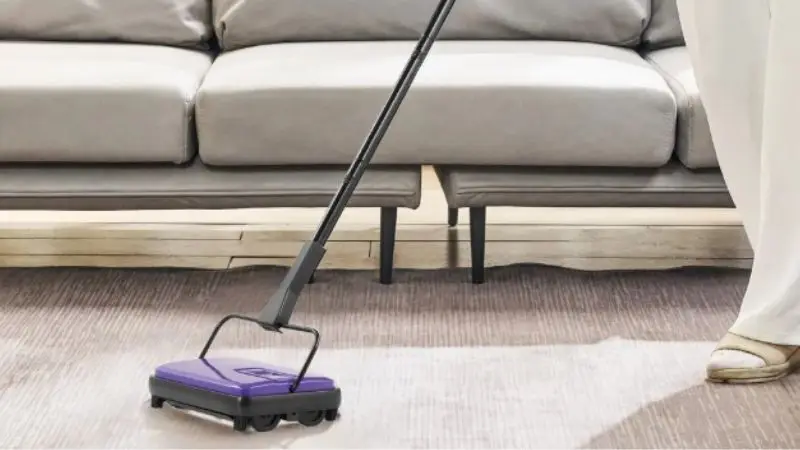
You can pick between sweepers that are powered and those that are not. With a manual model, you push it, and the brushes pick up dirt. This is great for tiny areas or mild messes. It is suitable for the environment because it doesn’t need power or gasoline. A manual push floor sweeper for hardwood floors is ideal for quiet, efficient indoor cleaning.
Powered sweepers can clean bigger or dirtier areas. Battery-powered variants are silent and don’t give out fumes, whereas engine-powered versions clean large areas rapidly. Choose the correct type of sweeper for the size of your room, your cleaning demands, and your environmental preferences.
Indoor vs Outdoor Use
Think about where you will use your manual push-powered floor sweeper. Indoor places like offices or stores need a quiet sweeper. Battery-powered sweepers are best for indoors as they are eco-friendly and produce minimal noise. A manual push floor sweeper for hardwood floors is also suitable for small indoor rooms.
Outdoor places like parking lots or sidewalks require a stronger manual push-powered floor sweeper. Engine-powered models handle rough ground and large debris effectively, though they are less eco-friendly due to emissions. Always check if your sweeper can clean both indoor and outdoor areas.
Walk-Behind vs Ride-On
A walk-behind sweeper is ideal for small or medium spaces. It is easy to control as you guide it. A manual push floor sweeper for hardwood floors works well for quiet, efficient cleaning at home. Ride-on sweepers are larger and faster. They are suited for big stores or warehouses. These models save time in commercial cleaning. Plan your cleaning path before starting. Move in straight lines for full coverage. This ensures better results with both manual and ride-on sweepers.
Sweeper Features
Brush and Suction Options
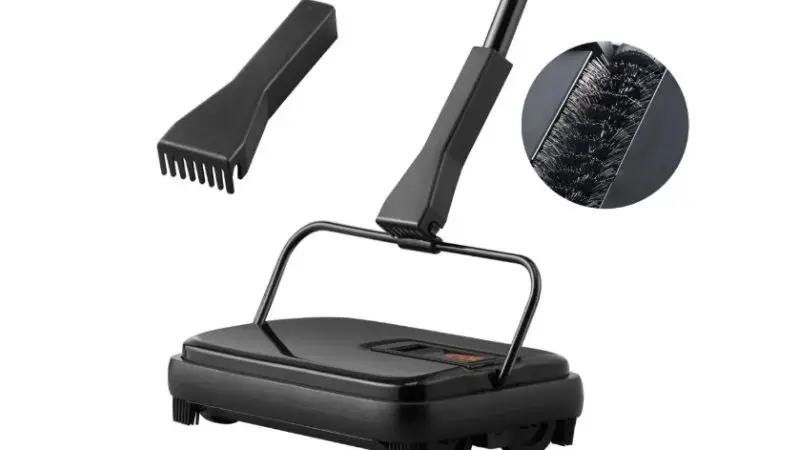
When looking at sweepers, pay attention to the type of brush and the suction. Some brushes work better on certain types of floors, and suction makes cleaning better. Even a push floor sweeper without electricity can still deliver great results when paired with the right brush type.
- Soft brushes for floors that are smooth, like tile or wood
- Stiff brushes for materials that are rough, like concrete
- Roller brushes for cleaning carpets
- Suction helps get rid of little particles and dirt.
- Brushes that can be changed provide you with floor-type freedom.
Dustbin and Hopper Size
The dustbin or hopper holds the dirt and debris. A large hopper means you empty it less often. This saves you time, especially in big spaces. Small dustbins work for homes or small offices. If you clean a warehouse or gym, pick a sweeper with a bigger hopper. Always check the hopper size before you buy.
| Sweeper Size | Hopper Capacity | Best For |
| Small | 1-2 gallons | Homes, offices |
| Medium | 3-5 gallons | Shops, schools |
| Large | 6+ gallons | Warehouses, gyms |
Maneuverability
You want a sweeper that is simple to operate. Good movement lets you clean in small spaces, around corners, and under tables. Look for wheels that can turn or a small design. Some sweepers, like a push floor sweeper without electricity, are made to glide smoothly and be easy to use. You may also make them comfortable for various people by changing the handles. If there are a lot of things in your way, pay attention to this feature.
Durability and Maintenance
For long-term use, durability is essential. A heavy-duty push floor sweeper for warehouse cleaning should have strong materials, such as metal or durable plastic. Make sure that parts are easy to replace and that maintenance is straightforward, so that brushes can be cleaned and the hopper can be emptied quickly. Sweepers that work well last longer and cost less. Always read the instructions for appropriate care. Regular maintenance keeps everything running at its best. When looking at features, think about the type of floor, the amount of dirt, and how often you clean it to get the most outstanding results and make it last longer.
Floor Sweeper Machine Cost and Value
Price vs Efficiency
Price shouldn’t be the only thing you think about when picking a floor sweeper. Some types are less expensive, but more costly machines usually do a better job of cleaning, which saves time and money. The best push floor sweeper for house use strikes a good mix between price, durability, and performance, which helps you clean more areas faster.
A good sweeper can save you money on repairs and downtime in the long term. A cheaper choice can break down sooner, which will cost you more in the long run. Make a simple chart to compare price, efficiency, and features before you buy to make sure you get the best deal for your needs.
| Model | Upfront Price | Cleaning Efficiency | Estimated Savings |
| Basic Sweeper | Low | Low | Low |
| Mid-Range Sweeper | Medium | Medium | Medium |
| Premium Sweeper | High | High | High |
Warranty and Support
Always check the warranty before buying a floor sweeper machine. A solid guarantee protects you from unexpected repair costs. Some brands offer more extended warranties or more substantial support, showing they stand behind their products.
Support is just as important. If something goes wrong, you’ll want fast help. Choose brands known for strong customer service and easy-to-find replacement parts. This is especially important when buying a heavy-duty push floor sweeper for warehouse use, where reliability is essential for daily operations.
Tip: Read customer reviews about the brand’s support and warranty. A wise choice brings value, consistent performance, and long-term peace of mind.
Sweeper Selection Checklist
Key Decision Points
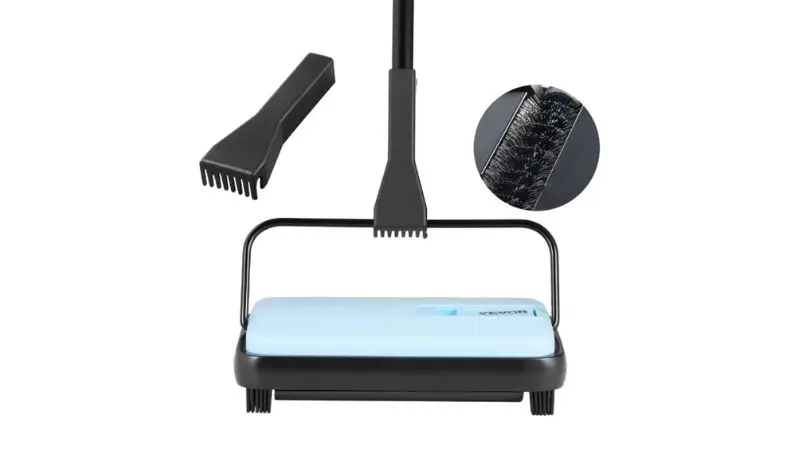
To pick the right floor sweeper, know what and where you’ll clean. Match the brush to the floor type and consider debris size. Measure aisles, doorways, and note any obstacles. For small areas and light messes, the manual push floor sweeper for hard floors is the best option. On the other hand, powered types are better for bigger spaces.
- Identify the cleaning area and obstacles.
- Match the brush to the floor type
- Consider debris size
- Measure aisle and doorway widths
- Use the manual for a small space
- Choose a power source for large areas
User Reviews
You may learn a lot from what other people have been through. Before you buy a manual push floor sweeper for hardwood floors, read what other people have to say about it. Check for reviews that talk about how well the sweeper cleans, how easy it is to use, and how long it lasts. Brands that people trust usually get better ratings and better help.
Look for reviews that talk about difficulties with parts or repairs. If you need help, good customer service may make a tremendous difference. You may also get feedback from friends or coworkers. Honest feedback helps you choose the right sweeper and prevents making errors.
Conclusion
Choosing the proper push floor sweeper becomes a lot easier when you focus on your demands. You can pick the most excellent sweeper for your home, workplace, or facility by taking into account the size of the area, the kind of floor, the type of trash, and the most essential characteristics. Always look at several models, read user reviews, and be sure the sweeper can handle the cleaning you do every day. Cleaning your floors is easy with the appropriate gear. If you spend your money correctly, your push floor sweeper will last a long time and make cleaning easier and faster every day.
FAQ
What size push floor sweeper should you choose?
You should match the sweeper width to your space. Measure your narrowest aisle or doorway. Pick a sweeper that fits easily. For large open areas, a wider sweeper cleans faster.
Can you use a push floor sweeper on carpet?
Some push floor sweepers work on low-pile carpet. Check the product details for carpet compatibility. Use a sweeper with a special roller brush for best results on carpeted surfaces.
How often should you empty the hopper?
You should empty the hopper when it gets full. For small spaces, once per cleaning session is enough. In large or dirty areas, check and empty the hopper more often to keep cleaning efficient.
Do push floor sweepers pick up wet debris?
Most push floor sweepers work best with dry debris. Wet messes can clog the brushes or hopper. Clean up spills before using your sweeper for best performance.
How do you maintain a push floor sweeper?
Clean the brushes after each use. Check for stuck debris. Wipe down the sweeper body. Empty the hopper regularly. Follow the manufacturer’s care instructions to keep your sweeper working well.