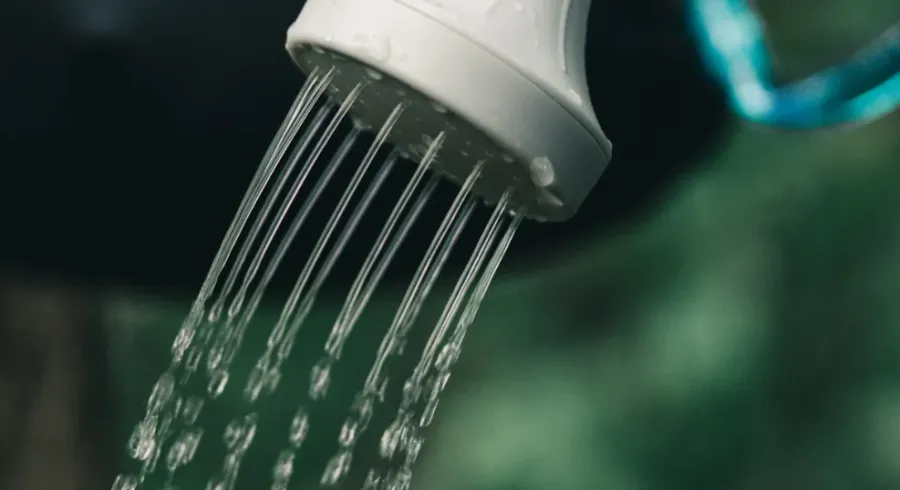
Different colors and shapes are available for pressure washer nozzles. The way that water sprays during pressure washing is controlled by each pressure washer nozzle. By observing the color and spray angle, you can identify the correct one. These specifics aid in surface protection and improved cleaning.
Choosing the right pressure washer nozzle increases efficiency and keeps you safe. Knowing the different types of pressure washer nozzles can save time and prevent damage.
Pressure Washer Nozzle Types
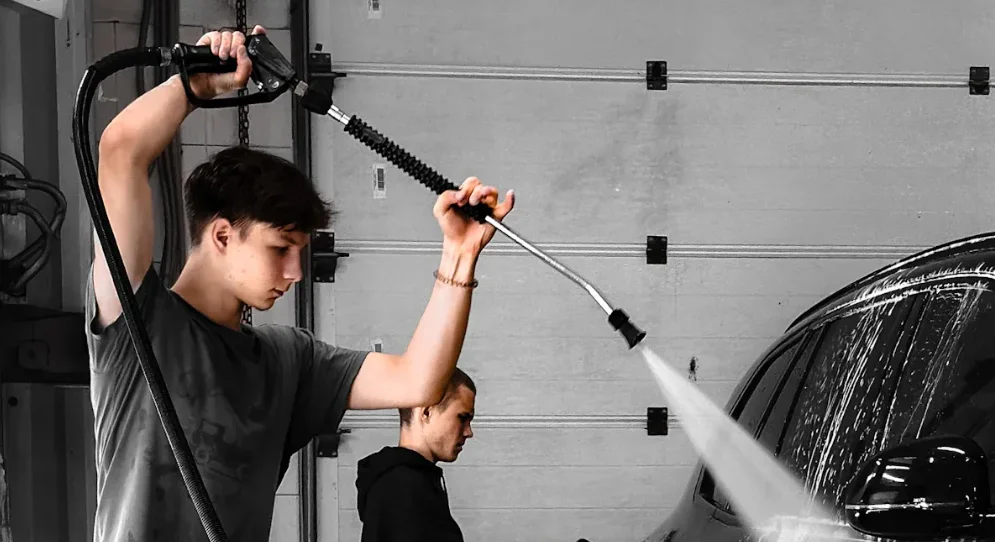
Pressure washing is safer and more efficient when the proper nozzle types are used. Various colors, spray angles, and spray tip patterns will be visible. Each is suitable for a particular cleaning task. You can protect your surfaces and achieve better results by matching the appropriate spray tip to your task.
Spray Angles and Color Codes
Every pressure washer nozzle has a distinct color, as you will see. You can choose the ideal spray tip more rapidly with the help of these colors. Every hue represents a distinct cleaning power and spray angle:
- Red (0°)
- Yellow (15°)
- Green (25°)
- White (40°)
- Black (Soap, 65°)
- Turbo Nozzle
Orifice Size and Model Numbers
There is a number code on each pressure washer nozzle. The spray angle and orifice size are indicated by this code. The amount of water that passes through the spray tip is determined by the orifice size. More water can escape through a larger orifice, reducing pressure. The pressure remains high due to a smaller orifice.
For example, a nozzle marked “2504” means “25” is the spray angle (25 degrees) while the “04” is the orifice size (0.4 gallons per minute at 40 psi).
You will also see letters in some model numbers. These letters show the spray tip type and material. For example, “XR” means extended range, and “E” means even fan. The pattern of the spray tip changes how the water spreads out.
- If you use a larger orifice, you need a bigger pump or compressor. Otherwise, you lose cleaning power.
- Upgrading to a bigger orifice can help you clean faster, but only if your pressure washer can handle it.
- The right orifice size and spray tip pattern help you balance cleaning speed and surface safety.
Matching the right pressure washer nozzle types to your cleaning job keeps you safe and saves time. You get the best results when you use the correct spray tip, pattern, and pressure for each surface. This approach also helps you avoid damage and makes pressure washing more efficient.
What Are The Different Color Nozzle For Pressure Washer?
When you look at pressure washer nozzle types, you see different colors and spray tips. Each one creates a unique spray pattern and pressure. Knowing these nozzle types helps you choose the right tool for every cleaning job.
0-Degree Nozzle (Red)
The 0-degree nozzle gives you a straight, pinpoint stream. This 0-degree spray pattern uses the highest pressure. You should use this spray tip only on tough stains or hard surfaces like concrete and metal. Never use it on wood, paint, or glass.
The small droplet size and high velocity can damage softer surfaces. Studies show this spray tip produces the smallest droplets and the highest spray liquid density.
Tip: Always wear safety gear when using the 0-degree nozzle. Test it on a hidden spot first.
15-Degree Nozzle (Yellow)
The 15-degree nozzle creates a narrow fan pattern. This spray tip works well for removing paint, mildew, or heavy dirt from brick and stone.
The pressure is still high, but the wider pattern spreads the force. You should avoid using this spray tip on soft wood or delicate surfaces. The droplet velocity remains high, but the fan angle increases coverage.
25-Degree Nozzle (Green)
The 25-degree nozzle gives you a medium fan spray. This 25-degree spray pattern is perfect for general cleaning. You can use this spray tip on cars, decks, and fences.
The pressure is lower than the red or yellow tips, so it is safer for painted surfaces. The droplet size gets a bit larger, and the fan angle covers more area.
40-Degree Nozzle (White)
The 40-degree nozzle offers the widest fan spray. This 40-degree spray pattern is gentle and safe for windows, siding, and other delicate surfaces.
You can use this spray tip for rinsing or light cleaning. The pressure drops, and the spray tip produces larger droplets with a wide fan angle. This helps protect surfaces from damage.
Soap Nozzle (Black)
The soap nozzle is the black spray tip. Its pattern is the broadest and its pressure is the lowest. This spray tip is used to apply soap or detergent. Since it doesn’t use force, it is safe for all surfaces. The low velocity and large droplets aid in the uniform distribution of soap.
Turbo Nozzle
The turbo nozzle combines a spinning action with the power of a 0-degree nozzle. A revolving stream of high pressure is produced by this spray tip. Large, difficult surfaces can be swiftly cleaned. Compared to a single pinpoint stream, the pattern covers a larger area. Avoid soft surfaces and use it on stone, brick, or concrete.
Quick Reference for Pressure Washer Nozzle Types Chart
You can use this chart to quickly pick the right pressure washer nozzle types for your job:
| Nozzle Color | Spray Angle | Pressure Level | Best Use |
| Red | 0° | Highest | Concrete, metal stains |
| Yellow | 15° | High | Paint, mildew, brick |
| Green | 25° | Medium | Cars, decks, fences |
| White | 40° | Low | Windows, siding |
| Black | 65° | Very Low | Soap, detergent |
| Turbo | Variable | High | Large, tough surfaces |
Tip: Always wear safety gear when using narrow spray tips. Test the spray tip on a small area first.
Choosing the Right Types Of Pressure Washer Nozzle
Picking the right pressure washer nozzle makes every pressure washing job safer and more effective. You want to match the nozzle to your task, test it, and follow safety steps.
You can follow these steps to select the right nozzle for your cleaning job:
- Identify the Surface and Dirt: Look at what you need to clean. Is it concrete, wood, or glass? Check if the dirt is light, medium, or heavy.
- Pick the Spray Pattern: Choose a spray pattern that fits the job. Use a pinpoint stream for tough stains. Use a wide fan for gentle cleaning.
- Check Flow Rate and Pressure: Make sure your pressure washer can handle the nozzle. Match the flow rate and pressure to the surface and dirt.
- Decide on Rotation: For large or very dirty areas, a turbo or rotating nozzle works best. It covers more space and cleans faster.
- Think About Maintenance: Pick nozzles that are easy to clean and replace. This helps you avoid clogs and keeps your equipment working well.
- Balance Cost and Performance: Sometimes, a better nozzle costs more but lasts longer and cleans better.
Tip: Always start with a wider spray angle. Move to a narrow tip only if you need more cleaning power.
Specialty Nozzles for Pressure Washing
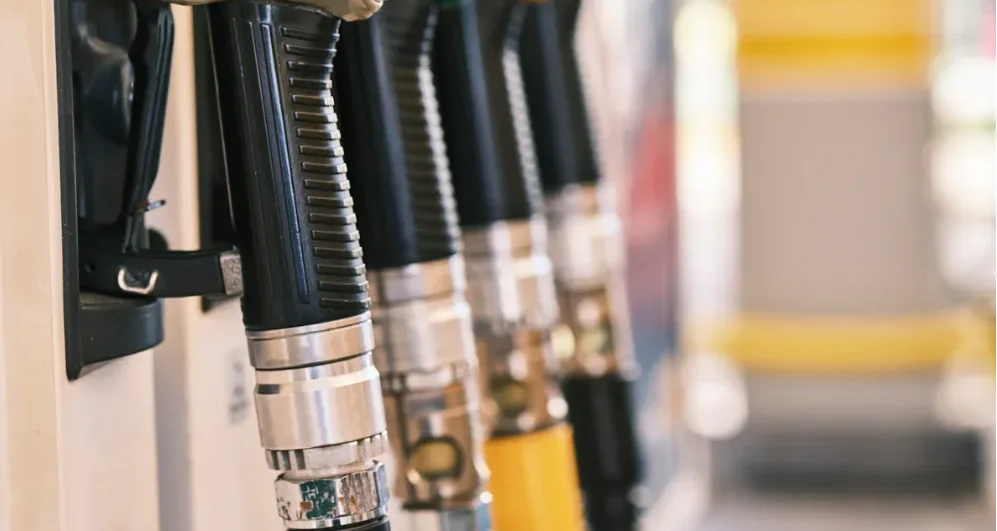
When it comes to making the most of your pressure washer, specialty nozzles offer you additional choices. These nozzles enable you to use soap or foam for better results, clean more quickly, and reach hard-to-reach areas.
Quick connect features allow you to quickly swap them out, saving you time when cleaning instead of changing tools.
1. Turbo and Rotary Nozzles
A powerful stream of water is spun in a circle by rotary and turbo nozzles. This rotating motion produces a strong cleaning pattern that gets rid of stubborn dirt and stains from stone, brick, and concrete. You cover more ground while still getting the force of a narrow spray tip.
For large, unclean surfaces where a standard spray tip might take too long, use these nozzles. Because of the strong pattern, they should never be used on painted or soft wood surfaces.
Quick connect fittings allow you to quickly turn these nozzles on and off. This keeps your cleaning task going and saves you time.
2. Adjustable and Multi-Function Nozzles
Multi-function and adjustable nozzles allow you to alter the spray pattern without changing the nozzle itself. The nozzle can be twisted to produce a wide fan, a narrow stream, or even a 65-degree spray pattern for mild rinsing.
By enabling you to alter the flow and pattern on the fly, adjustable nozzles can increase speed and quality, according to research from other industries, such as 3D printing. With greater control and flexibility, you can use a single nozzle to perform a variety of cleaning tasks.
3. Foam and Soap Applicators
Applicators for soap and foam make it easier to apply soap or detergent to a surface before rinsing. These nozzles combine soap and water using a unique spray tip to produce viscous foam that adheres to dirt. Grease is loosened by the foam, which facilitates washing it off.
Use these applicators for cars, siding, or any job where you need extra cleaning power. Most foam and soap applicators also use quick connect features for easy setup.
Common Pressure Washing Mistakes
Using the Wrong Nozzle
You might think any nozzle works for every job, but that is not true. Using the wrong nozzle during pressure washing can cause serious problems. If you pick a nozzle with too much pressure or a narrow spray, you risk hurting yourself or others.
Doctors have reported severe eye injuries from high-pressure water streams. These injuries can happen when you hold the nozzle too close or use the wrong spray tip. Some people have suffered cuts, eye damage, and even lost vision. Always wear safety goggles and keep the nozzle at least 8–24 inches from the surface.
Tip: Start with a wider spray angle and test on a small area. This helps you avoid accidents and keeps you safe.
Surface Damage Risks
Pressure washing can clean many surfaces, but it can also cause damage if you use the wrong nozzle or get too close. Here are some common risks:
- High water pressure and a narrow spray can wear away brick, stone, or concrete.
- Spraying too close can erode mortar joints and force water into walls.
- Water can seep into basements or damage nearby property.
- Prolonged spraying may corrode hidden metal parts or cause pieces to break off during freezing.
- Even low pressure with abrasive cleaners can harm old or delicate surfaces.
If you do commercial pressure washing, these mistakes can lead to expensive repairs. Always control water runoff and avoid spraying in one spot for too long. You protect your property and save money by using the right nozzle and keeping a safe distance.
Remember, pressure washing works best when you match the nozzle to the job and follow safety steps.
Testing and Safety Tips
You should always test your nozzle before starting any pressure washing job. This keeps you and your surfaces safe.
- Test the nozzle on a small, hidden spot first.
- Wear safety goggles and gloves.
- Stand back from the surface when you start spraying.
- Never point the nozzle at people or pets.
- Use the lowest pressure needed for the job.
- Check for leaks or damage before each use.
Safety Alert: High-pressure water can cause injury or damage. Always follow the safety steps above.
FAQ
What are the most common pressure washer nozzle types?
You will find red, yellow, green, white, and black nozzles. Each color stands for a different spray angle and cleaning power. Turbo nozzles are also popular for tough jobs.
Can I use any nozzle with my pressure washer?
No. Always check your pressure washer manual. You must use pressure washer nozzle types that match your machine’s size and power. The wrong nozzle can cause damage or poor cleaning.
How do I know which pressure washer nozzle type to choose?
Look at the surface you want to clean. Use a wider angle for delicate surfaces and a narrow angle for tough stains. The quick reference chart in this guide helps you pick the right pressure washer nozzle types.
Why does spray angle matter?
Spray angle controls the force and area of the water. A narrow angle gives more power for tough dirt. A wide angle covers more space and protects delicate surfaces. Always match the spray angle to your cleaning job.
What safety gear should I wear when using pressure washer nozzle types?
You should wear safety goggles and gloves. These protect your eyes and hands from flying debris and strong water spray. Never point the nozzle at people or pets.
Conclusion
Choosing the right nozzle among the pressure washer nozzle types keeps your surfaces safe and helps you clean faster. The size and type of nozzle control water pressure, so you avoid damage on delicate areas and remove tough dirt easily.
Always use the quick reference chart and checklist before each pressure washing job. Try different nozzles to see what works best and build your confidence.
Anyone looking into pressure washing would need some heavy duty equipment, that’s why VEVOR has you covered! Check out our collection of electric and gas pressure washers and anything else you may need, happy shopping!