A sturdy power tool stand is essential for keeping your workspace safe, organised, and efficient. It supports your tools, improves workflow, and adds mobility when needed. However, finding the ideal option with so many choices is challenging, as it’s difficult to strike a balance between quality, budget, compatibility, and available space.
In this blog, we’ll walk you through everything you need to know, from stability and storage to DIY vs. commercial options, so that you can choose the right power tool stand that fits your tools and grows with your needs.
Workshop Needs
Tool Types and Sizes
When choosing a stand, consider the power tool you use most frequently. Some stand work best with big, heavy machinery. Some work with smaller power tools. You need a stand that can hold both corded and cordless power tools if you use both. You can use cordless power tools more freely, but you still need a safe place to store them.
Tip: First, measure the stand for your most fantastic power tool. This is especially helpful when looking for the best power tool stand for small workshop setups.
Space and Layout
Your workshop space matters a lot. Look around your workspace. Is it a large open area, or are you working in a small garage? Since power tools can occupy a lot of space, it’s essential to strategise how and where they will be stored. A sturdy stand helps you keep your space neat and safe.
Try to leave enough space to move around. You do not want to trip over cords or bump into stands. If you use multiple power tools, consider stands with wheels for added convenience and mobility. You can move them out of the way when you need more room, especially useful with foldable power tool stands for garage setups, which save space when not in use.
Key Features
Stability and Durability
You need a portable power tool stand with wheels that stay still while you operate. Unstable stands could ruin projects or endanger people. Try to find a sturdy building, preferably one with a metal frame. Always check the weight capacity, especially if you use heavy tools. You should be able to move or replace the stand before you buy it. It also needs to last. Powder-coated steel is resistant to rust and scratches, while thickened wood or reinforced plastic can also be very durable.
Mobility and Storage
For easy mobility, choose a portable power tool stand with wheels and locking casters—it moves when needed and stays put while you work. Look for built-in storage, such as drawers or shelves, to keep bits, blades, and tools organised, saving space and time in smaller workshops.
Here is a quick table to compare storage features:
| Feature | Benefit |
| Drawers | Store small items safely |
| Shelves | Hold larger tools |
| Hooks | Hang cords or accessories |
Note: If you use many power tools, pick a stand with extra storage. You will thank yourself later.
Ergonomics and Height
When you work, comfort is essential. To make it easier on your body and give you more control, use a stand that can be adjusted to your desired height. Good ergonomics, such as smooth edges, easy-to-use handles, padded grips, and footrests, can help you work more effectively and reduce fatigue. Try the stand before you buy it. It will help ensure it fits your physique and your specific job requirements.
Choosing a Power Tool Stand
Compatibility and Fit
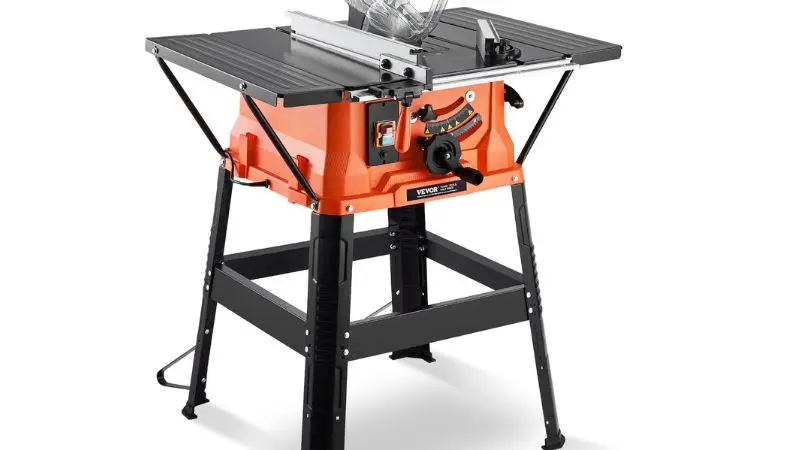
Ensure the stand for your power tools is the correct size for your specific tools. Before purchasing a stand, ensure it fits the size, base, and mounting holes of your tool. A table saw needs a flat, sturdy surface to work on and a stable base. Adjustable brackets can be helpful if you swap brands or receive new tools. Always read the instructions that come with your tool to determine the type of stand it recommends. You can also prevent making blunders by seeking advice from other woodworkers or exploring DIY power tool stand ideas. If you use multiple tools, consider investing in a universal stand to keep them organised. It will be more adaptable and cheaper. If you get the correct fit for your workspace, you’ll be safe, steady, and happy for a long time.
Commercial vs. DIY Options
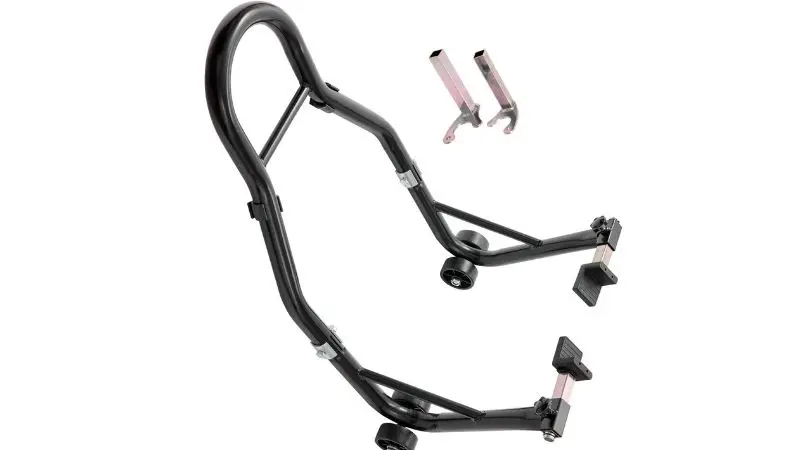
Now, you face a big choice. Should you buy a commercial power tool stand or build your own? Both options have pros and cons. Let’s break it down.
Commercial Stands:
- Ready to use right out of the box.
- It often comes with features like wheels, drawers, or adjustable height.
- Built to fit popular power tools.
- Usually, it has a warranty.
DIY Stands:
- You get to design the stand for your exact needs.
- You can use materials you already have in your shop.
- Building a DIY stand saves money.
- You can add custom storage or special features.
If you love DIY projects, building your stand can be a rewarding experience. You control the size, shape, and colour. You can create a stand that suits your space and style. Many woodworkers share diy plans online. You can follow these or create your own design. Many woodworkers share DIY power tool stand ideas online. You can follow these or create your own design.
Note: A DIY power tool stand allows you to adjust or modify it at any time. You do not have to wait for parts or services.
Sometimes, a commercial stand makes more sense. If you want to save time or need a stand for a heavy tool, buying one is a convenient option. Commercial stands often last longer and handle more weight. They also come with safety features that experts have thoroughly tested.
Here’s a quick table to help you decide:
| Option | Best For | Customisation | Cost |
| Commercial | Quick setup, heavy use | Low | Higher |
| DIY | Custom needs, saving $ | High | Lower |
You can even mix both options. Buy a basic stand, then add your diy upgrades. You could add shelf hooks or paint it your favourite colour. This way, you get the best of both worlds.
Remember: When selecting the best power tool stand for a small workshop setup, choose one that suits your tools, workspace, and working style.
For Different Power Tools
Versatility and Adjustability
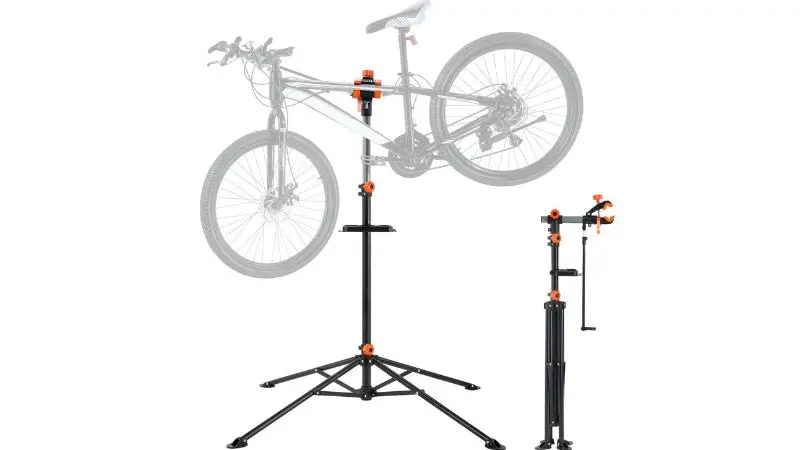
A portable power tool stand with wheels that can be used for multiple purposes saves time and enhances productivity. Some stands allow you to swiftly switch between tools, such as a cordless impact driver and a nail gun. You can easily use both large and small tools on platforms and widths that can be adjusted to suit your needs.
If you use corded tools, consider acquiring a stand with built-in outlets or cable wraps to keep your workspace clean and organised. Two items that make it easy and quick to switch out tools are quick-release clamps and sliding brackets. Create a list of the tools you use most frequently and select a stand that can accommodate all of them. This way, you won’t need a different stand for each instrument.
Foldable and Compact Stands
Small workshops need innovative, space-saving solutions. The best power tool stand for small workshop setups is often a foldable design, as it stores easily when not in use, perfect for shared or tight spaces. Compact stands fit under benches or into corners, and many DIYers build their own to match specific needs.
If you use smaller tools, such as a cordless nail gun or impact driver, a compact stand provides a safe and steady work surface without occupying much room. Just ensure it remains stable during use.
Note: A foldable power tool stand for garage use is ideal for individuals who frequently move tools, whether to job sites or a friend’s workspace.
Here’s a quick list of foldable stand benefits:
- Easy to store
- Light to carry
Budget and Value
Cost vs. Quality
You want to get the most for your money, right? Picking the right option is not just about grabbing the cheapest one. Sometimes, a low price means you get a stand that wobbles or breaks after a few uses. You do not want that. Think about what you need. Do you use your tools every day or just on weekends? If you enjoy hands-on projects, exploring DIY power tool stand ideas can provide a stronger, more customised setup that saves money and suits your space.
Here’s a quick table to help you compare:
| Price Range | What You Get | Best For |
| Low | Basic, fewer features | Light, rare use |
| Mid | Good build and some extras | Regular DIY projects |
| High | Top quality, many extras | Heavy, daily use |
Tip: Sometimes, spending a little more now saves you money later. A strong stand lasts longer and works better.
When to Upgrade
You might wonder, “When should I get a new stand?” Here are some signs:
- Your current stance feels shaky or weak.
- You bought a bigger or heavier tool.
- You need more storage or better features.
- You want a stand that can be moved or folded up.
Upgrading your stand can improve safety, speed, and organisation. If you’re planning new tools or projects, choose a stand that can grow with your needs.
Note: Upgrading means you’re evolving as a DIYer—not wasting money, but preparing for bigger, better work.
Reviews and Recommendations
User Experiences
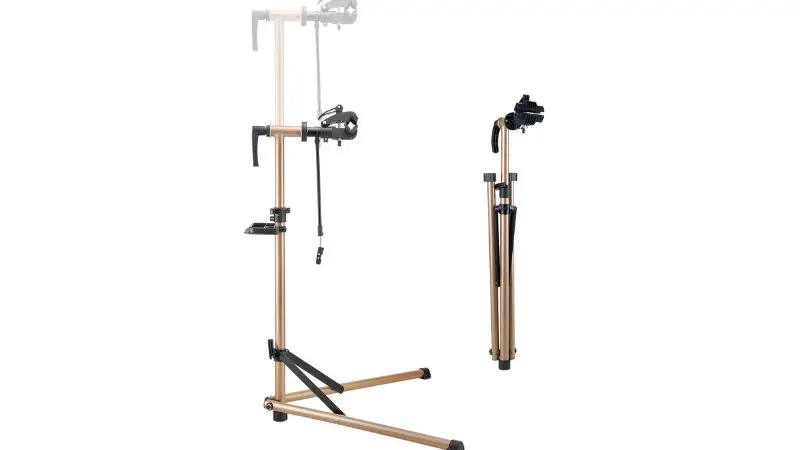
Before purchasing a portable power tool stand with wheels, review user feedback to determine its performance in real-world workshops. People often share setup tips, durability insights, and issues like wobbly wheels or loose bolts. These reviews help you avoid surprises and choose a reliable stand that fits your needs.
Try these steps to get the best info:
- Read reviews on trusted websites like Amazon, Home Depot, or woodworking forums.
- Watch demo videos on YouTube. You can see the stand in action and spot any problems.
- Ask questions in online groups. Many DIYers love to share tips and photos.
Tip: Look for reviews that mention the same tools you use to ensure proper fit and performance.
Trusted Brands and Warranties
Selecting a stand from a trusted brand provides you with peace of mind. Well-known brands test their products for safety and strength. They often use better materials and offer more features.
Here is a quick table of what to look for:
| Brand Quality | What You Get |
| Trusted Brand | Strong build, good support |
| Unknown Brand | Cheaper but risky |
Warranties matter, too. A good warranty means the company stands behind its product. If something breaks, you can get a repair or replacement. Always check the warranty length and what it covers.
Note: If you buy a stand with a solid warranty, you save money and stress in the long run.
You want a stand that works well and lasts for years. Trusted brands and strong warranties help you get there.
Conclusion
Choosing the right power tool stand improves safety and efficiency in your workshop. Consider your tools, workspace, and specific needs before making a purchase. Look for a stand that fits your budget while offering essential features like stability, storage, and mobility. If you plan future upgrades or projects, choose a stand that can grow with you. Reading reviews and asking for recommendations can help you avoid mistakes and make a more confident, informed decision. A well-chosen power tool stand not only supports your tools but also enhances your workflow, making every project smoother, faster, and more enjoyable in the long run.
FAQ
What is the best material for a power tool stand?
You want a stand made from steel or thick wood. Steel gives you strength and lasts a long time. Wood works well for DIY projects. Both can handle heavy tools.
Can I use one stand for different power tools?
Yes! Many stand to adjust to fit different tools. Look for stands with adjustable brackets or quick-release clamps. You can switch tools fast and keep your workspace tidy.
How do I keep my stand from wobbling?
Tip: Place your stand on a flat surface. Tighten all bolts and screws. If your floor is uneven, use shims under the legs to level it. A steady stand keeps you safe.
Do I need wheels on my power tool stand?
Wheels are helpful if you frequently move your power tool stand. You can roll the stand around your shop. Locking the wheels keeps it in place while you work. If you stay in one spot, wheels are not a must.