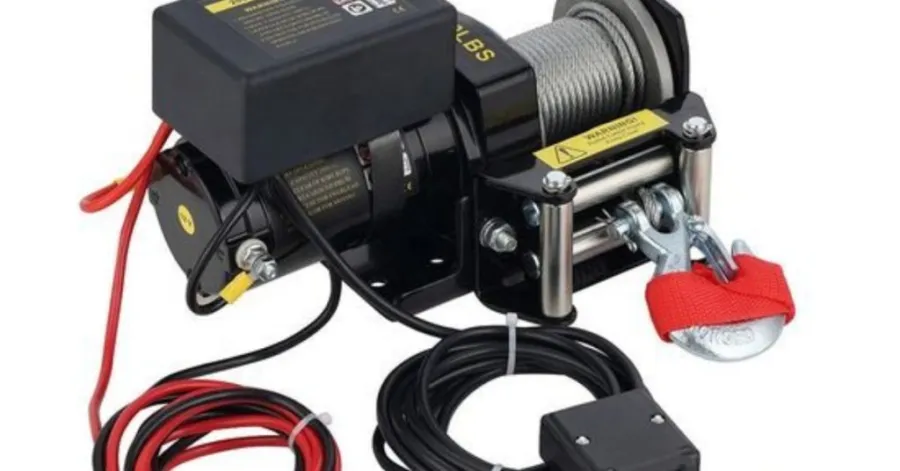
Choosing the best portable electric winches for your job can be confusing with so many options available. Portable electric winches feature a motor that makes lifting or pulling heavy items much easier. Be sure to check the load capacity, power source, rope type, motor type, mounting options, and safety features to ensure they meet your requirements. Consider where you plan to use portable electric winches and what you need to move. Take your time and pay attention to essential details, as safety is crucial.
Portable Electric Winches Overview
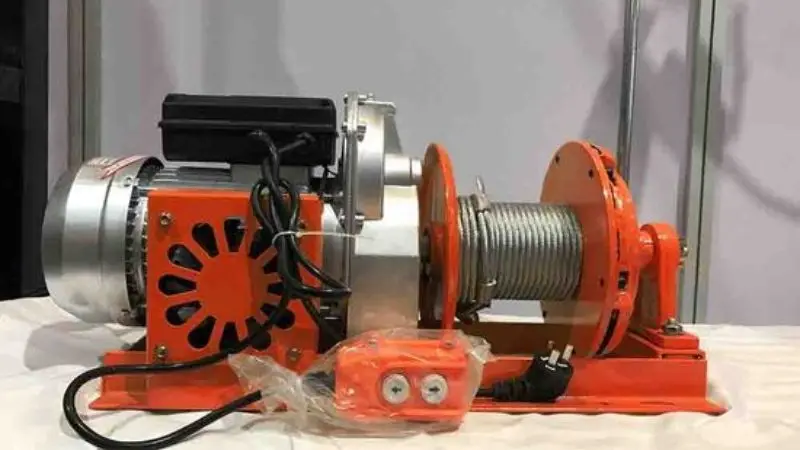
What Are Portable Electric Winches
You might wonder what makes portable electric winches different from other tools. These handy devices utilize a motor to assist you in pulling or lifting heavy objects. You can move them from place to place, so you do not have to leave them in one spot. An electric winch uses power to turn a drum or a capstan, which winds up a rope or cable.
Many people choose an electric capstan winch because it operates quickly and requires minimal effort from you. You just press a button or use a remote, and the electric capstan winch does the hard work. You can find electric capstan winch models that run on batteries or plug into a power source. This makes them great for places where you do not have easy access to electricity.
Benefits of Portability
When you choose portable electric winches, you gain a lot of freedom. You can easily transport your electric winch to various locations without much trouble. The electric capstan winch is both light enough for you to carry and strong enough to handle tough jobs. You do not need a big truck or special tools to move an electric capstan winch. Here are some reasons why you might love using an electric capstan winch:
- You can use it for various tasks, such as pulling, lifting, or dragging.
- You do not have to install it permanently.
- You can store it easily when you do not need it.
Assess Your Needs
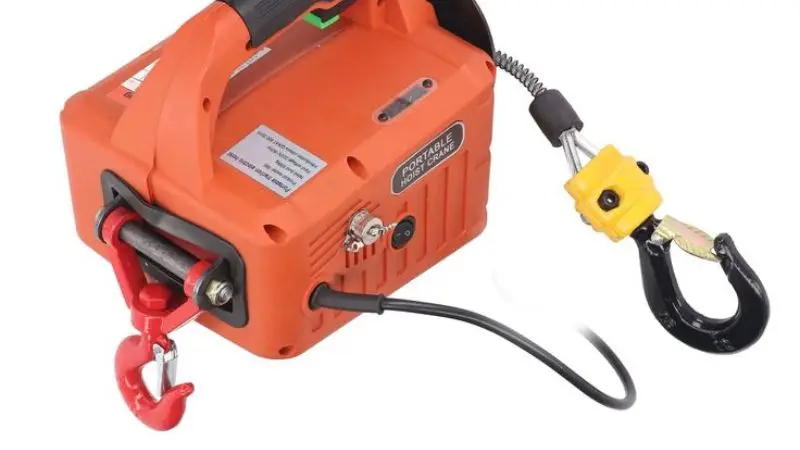
Load Capacity
When selecting an electric winch, it’s essential to know the maximum weight it can handle. This is called winch capacity. If you choose a winch that is too weak, it will not be able to pull what you need. If you choose one that is too strong, you might spend more money than necessary.
To determine the correct winch capacity, start by calculating the weight of the object you want to move. Multiply that weight by 1.5. For example, if your ATV weighs 2,000 pounds, you need a winch with at least 3,000 pounds of winch capacity. If you plan to pull a trailer, double the weight instead. This helps you stay safe and makes sure your winch does not get damaged. Here is a quick table to help you:
| Object Weight (lbs) | Minimum Winch Capacity (lbs) |
| 1,000 | 1,500 |
| 2,000 | 3,000 |
| 3,000 | 4,500 |
| 4,000 | 6,000 |
You want your portable electric winches to work every time. Picking the right load capacity is the first step.
Application and Environment
Consider where and how you will utilize your electric winch. Not all winches operate in the same manner in every location. There are some portable electric winches for off-road recovery. Others work best on boats or at worksites.
- Off-road: You need a winch with high winch capacity and strong pulling power. Mud, sand, and hills make pulling harder.
- Marine: Saltwater can damage some winches. Pick a winch with sealed parts and corrosion protection. Ensure it has sufficient pulling power for your boat.
- Worksite: You might need to move heavy tools or supplies. Look for a winch with steady pulling power and easy controls.
- Home: For yard work or small jobs, you do not need the biggest winch. Ensure the winch capacity matches your needs.
Power Source
Choosing the right winch power is just as important as selecting the correct size. You have two main choices: battery-powered or plug-in electric winches. You should also know how to use a portable electric winch safely.
- Battery-powered: These winches use a battery for power. You can use them anywhere, even far from an outlet. They are great for off-road or remote jobs. Ensure your battery is fully charged before you begin pulling.
- Plug-in electric: These winches need a power outlet. They give steady power for long jobs. Use these in a garage, workshop, or near your home. Verify that you have the correct power supply before you begin pulling.
Key Features of Electric Winches
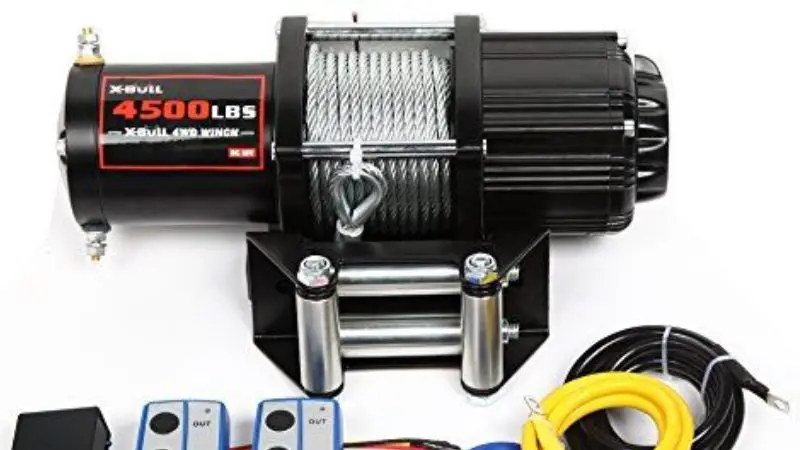
When you look at portable electric winches, you want to know what makes each model special. The key features of electric winches help you determine which one best suits your needs. Let’s break down the main features you should check before you buy.
Rope Type
You get two main choices for winch rope: steel cable and synthetic rope. Each type has its own unique features and works more effectively in different situations.
- Steel Cable
Steel cable gives you strength and durability. You can use it for heavy-duty jobs. If you work in rough places with rocks or sharp edges, steel cable stands up to wear. It does not stretch much, so you get steady pulling power. Steel cable can rust if it gets wet, so it is essential to keep it dry and clean. - Synthetic Rope
Synthetic rope feels lighter and easier to handle. You can carry it without much effort. It does not rust, and it floats on water. If you use your electric winch near water or in muddy areas, synthetic rope is a good choice. It stretches a little, which helps absorb shock. You need to watch out for heat and chemicals, because they can damage synthetic rope.
Here’s a quick table to help you compare:
| Rope Type | Strength | Weight | Rust | Handling | Shock Absorption |
| Steel Cable | High | Heavy | Yes | Hard | Low |
| Synthetic Rope | Good | Light | No | Easy | High |
Motor Type
The motor gives your electric winch its pulling power. You will see two main types: series-wound motors and permanent-magnet motors. Each motor type has features that change how your winch works.
- Series Wound Motor
Series-wound motors give you strong power and fast pulling speed. You can use them for big jobs and harsh conditions. These motors perform well in cold weather and do not slow down when hauling heavy loads. You might see them in off-road winches or worksite winches. - Permanent Magnet Motor
Permanent magnet motors use less power and are best suited for light-duty applications. You get a winch that operates quietly and consumes minimal energy. If you use your winch for small tasks or short pulls, this motor type is ideal for your needs. Permanent magnet motors can slow down in cold weather or when you pull heavy loads.
Controls
You want controls that make your electric winch easy to use. You can pick between wired and wireless controls. Each control type has features that help you work safely and quickly.
- Wired Controls
Wired controls connect straight to your winch. You get a strong signal and quick response. You do not need to worry about batteries. Wired controls work well when you stand close to your winch. - Wireless Controls
Wireless controls let you use your winch from a distance. You can stand away from the action and stay safe. Wireless controls use batteries, so you need to check them before you start. You get more freedom to move around.
Mounting Options
Mounting options change how you use your electric winch. You want features that make your winch easy to move and set up.
- Portable Mounts
Portable mounts allow you to carry your winch to various locations. You can use quick-release brackets or hitch mounts. These features help you switch your winch between vehicles or worksites. - Fixed Mounts
Fixed mounts keep your winch in a single position. You get strong pulling power and steady support. Fixed mounts work best if you use your winch in the same place every time.
Safety and Maintenance
Safety Features
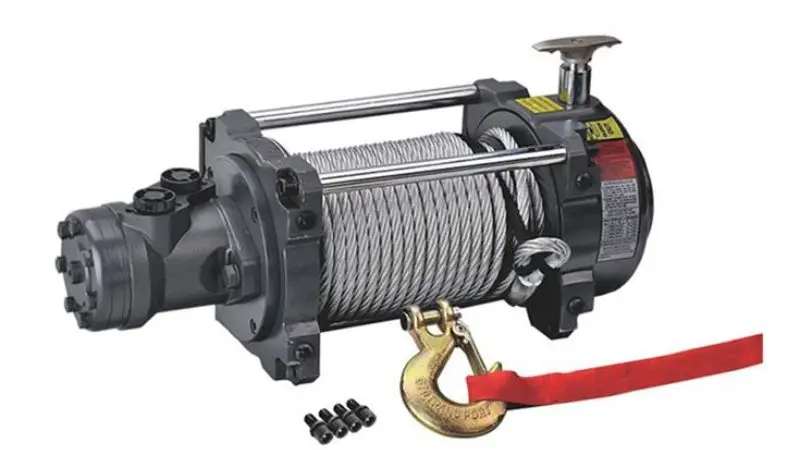
When evaluating portable electric winches, prioritize checking the safety features first. These features help protect you and your equipment. Some winches have automatic brakes that stop the rope if you release the controls. You might see overload protection, which shuts off the winch if you try to pull too much weight. Emergency stop buttons give you quick control if something goes wrong. Here’s a quick table to show standard safety features:
| Safety Feature | What It Does |
| Automatic Brake | Stops rope instantly |
| Overload Protection | Prevents pulling too much |
| Emergency Stop Button | Shuts down the winch fast |
| Thermal Protection | Stops the winch from overheating |
Maintenance Tips
To keep your winch running smoothly, you need to take care of it. Clean the rope after each use, especially if you work in muddy or wet conditions. Check the safety features monthly to ensure they are functioning correctly. Lubricate moving parts so your winch pulls with full power.
- Inspect the rope for frays or cuts.
- Test the controls and brakes.
- Store your winch in a dry, secure location.
Safe Use Practices
You want to use your winch safely every time. Stand clear of the rope when you pull. Never exceed the winch’s rated power or load. Wear gloves to protect your hands.
- Double-check the safety features before you start.
- Keep bystanders away from the winch area.
- You can opt for a portable electric winch with remote control.
If you follow these safe use practices, you protect yourself and your winch. Safety and maintenance go hand in hand. You get more power and longer life from your equipment.
Common Mistakes
Wrong Capacity
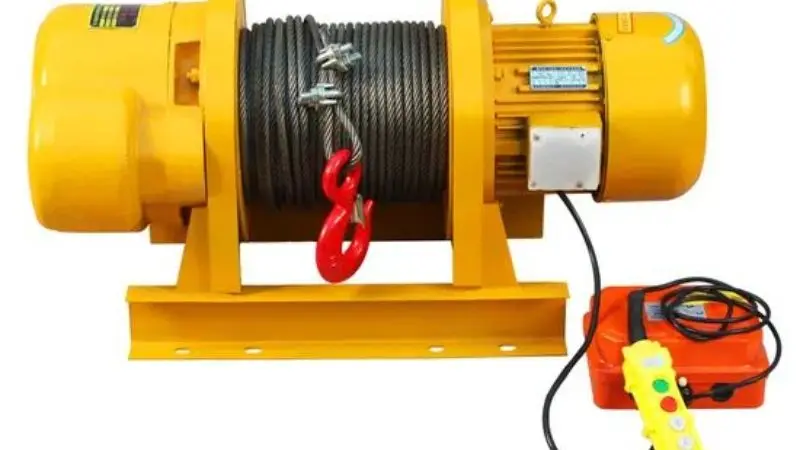
You might think any winch will do the job, but picking the wrong capacity can cause big problems. If you choose a winch that is too weak, it may not be able to move your load. If you go for one that is way too strong, you could waste money. Always check the weight of what you want to pull or lift before doing so. Use the rule: multiply the object’s weight by 1.5, or double it for trailers.
Ignoring Compatibility
Not every winch is suitable for every vehicle or job. You need to match the winch to your mounting system, power source, and rope type. If you ignore compatibility, you may end up with a winch that cannot be used.
- Explore the various ways to mount items on your truck, boat, or worksite.
- Verify that the power supply is compatible with your winch.
- Choose the right rope for your location.
Here’s a quick table to help you spot compatibility issues:
| Winch Feature | What to Check |
| Mounting | Vehicle or surface type |
| Power Source | Battery or outlet |
| Rope Type | Steel or synthetic |
Overlooking Safety
Safety features matter more than you think. If you skip them, you put yourself and others at risk. Look for automatic brakes, overload protection, and emergency stop buttons.
Neglecting Ease of Use
You want a winch that makes your job easier, not harder. If you choose a winch with confusing controls or heavy components, you may struggle every time you use it.
- Try wireless controls for more freedom.
- Choose a winch with clear instructions.
- Consider lightweight models if you frequently move around.
A winch that is easy to use helps you work faster and safer. Don’t forget to test the controls before making a purchase.
Quick Recommendations
Off-Road Use
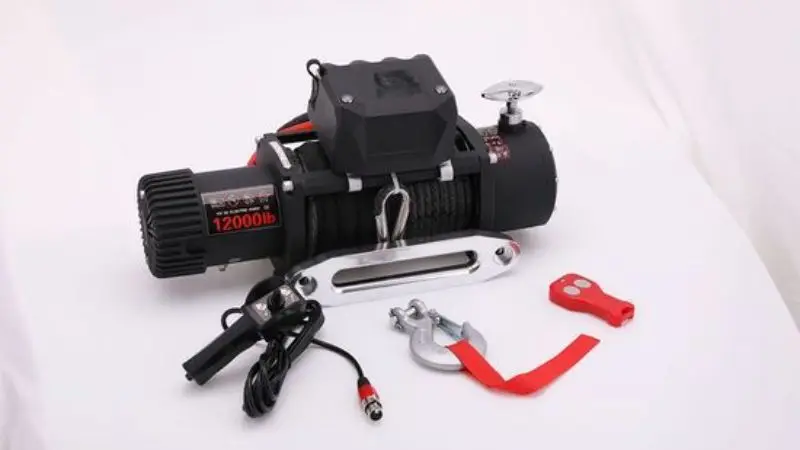
If you love off-roading, you need a winch that can handle mud, rocks, and steep hills. Look for a model with high load capacity and a strong steel cable. Series-wound motors work best because they pull quickly and remain powerful in challenging situations. Wireless controls help you stay safe by letting you stand away from the action. Checklist for Off-Road Winch:
- Load capacity: 1.5x your vehicle’s weight
- Steel cable for durability
- Series-wound motor
- Wireless remote
- Waterproof features
Marine Use
Boating and fishing require a winch that resists rust and is suitable for use near water. Synthetic rope floats and resists corrosion, so it’s a wise choice. You want sealed motors and parts to keep out saltwater. Battery-powered winches provide you with the freedom to move around on docks or boats.
| Feature | Why It Matters |
| Synthetic Rope | Floats, no rust |
| Sealed Motor | Blocks water, lasts |
| Battery Power | Use anywhere |
Worksite Tasks
On a job site, you move heavy tools and supplies. You need a winch with steady pulling power and easy controls. Fixed mounts give you stability. Wired controls work well because you stay close and get an instant response.
- Pick a winch with overload protection.
- Choose a model with clear instructions.
- Look for a strong motor for long pulls.
Home Use
For yard work or small projects, you don’t need the biggest winch. Lightweight models with synthetic rope make things easy. Plug-in electric winches are well-suited for use in garages or sheds. Simple controls help you get started fast. Best Features for Home Winch:
- Light weight
- Synthetic rope
- Plug-in power
- Easy-to-read manual
Conclusion
Selecting the best portable electric winch is straightforward if you follow these steps. First, look at what you need the winch to do. Then, check the load capacity and power source. Make sure you look at safety features too. Read the guide to avoid mistakes.
Always put safety first. Consider your job and where you will utilize the winch. If you follow this guide, you will make informed choices and feel confident when using your winch.
FAQ
How can I tell if my winch is strong enough?
You should weigh the thing you want to pull. Take that number and multiply it by 1.5. If you pull a trailer, the weight is twice as much. For safety, always choose a winch with a little more power.
Can I use my winch when it’s raining or snowing?
Most portable electric winches are made to work in the rain. Look for models that can withstand water or adverse weather conditions. To keep your winch in good condition, always dry it after use.
What do I do if the rope on my winch starts to fray?
Stop using the winch right away. Before you use it again, change the rope. Ropes that are frayed can break and cause injury to people. Before you start a job, always check your rope.
Do I need special tools to put in a portable winch?
Most portable winches come with everything you need to use them. You may need some basic tools, such as a screwdriver or wrench. Always read the instructions first. Some winches come with quick-release mounts, which make it easy to set them up.