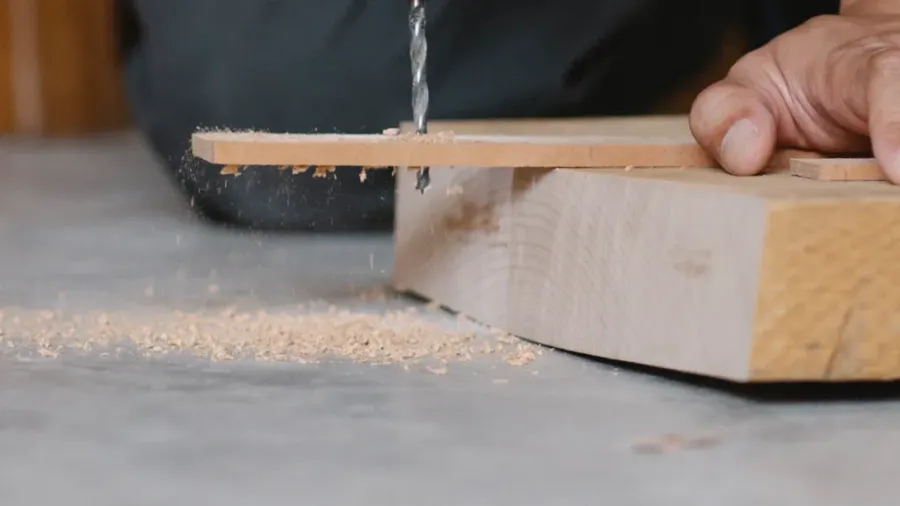
A pocket hole jig is every DIYer’s secret to creating strong, seamless wood joints. Whether you’re assembling furniture, building shelves, or tackling home repairs, this tool ensures precision and clean results. With the right setup, even beginners can craft professional-quality joints quickly and confidently.
What is a pocket hole jig?
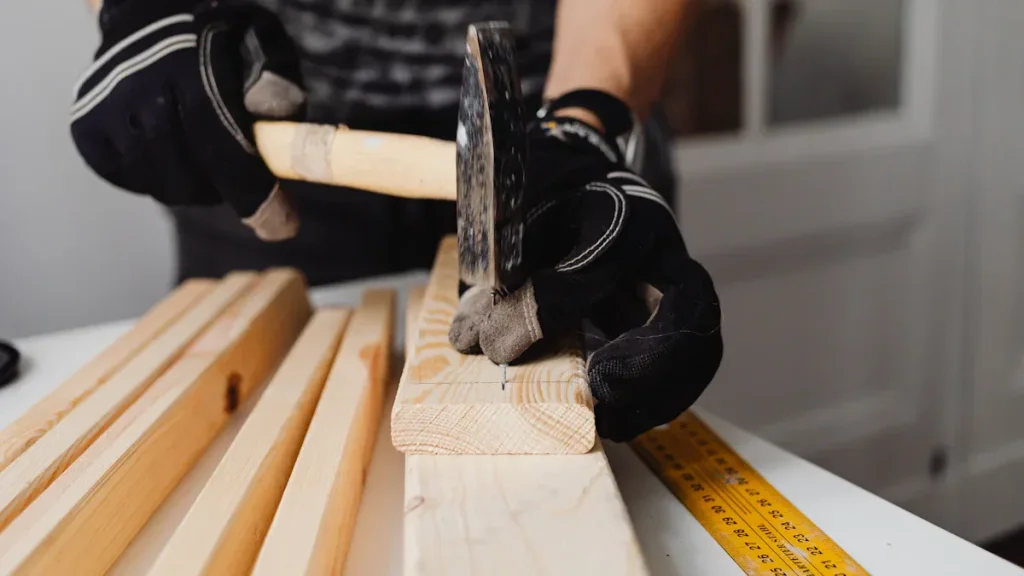
A pocket hole jig helps you join two pieces of wood with hidden screws. You use this tool to drill angled holes, usually at 15 degrees, into one board. These holes let you drive screws into another board, making a strong and neat joint.
One of the pocket hole jig uses includes guiding your drill so you get the right angle every time. You get a clean look because the screws stay out of sight.
You see pocket hole joinery in many projects. People use it for cabinets, tables, shelves, and frames. The jig makes this technique easy for beginners and experts.
You can adjust the jig for different wood thicknesses, so you get the right fit for each project. The best pocket hole jig models let you work with softwood, hardwood, and even plywood.
A pocket hole jig has several key parts. The main body holds your wood steady. The drill guide keeps your bit at the right angle.
The stepped drill bit creates both the pocket and the pilot hole for the screw. Special screws fit the pocket hole and give you a tight grip.
You adjust the jig to match your wood thickness, then clamp it in place. You drill the pocket hole, insert the screw, and your joint is done.
Here is a quick look at the essential parts:
| Component | Role |
| Pocket Hole Jig | The main tool used to create pocket holes in wood. |
| Stepped Pocket Hole Bit | Drills the pocket hole and pilot hole for the screw, ensuring proper fit and alignment. |
| Screws | Specifically designed for pocket hole construction, providing strong joints. |
Benefits of pocket hole joinery
Strong and hidden joints
You want your projects to last. Pocket hole joinery gives you strong joints that stay hidden. When you use a jig, you drill angled holes and drive pocket hole screws into the wood. This method works well for most projects.
Some woodworkers think pocket hole joints are not as strong as mortise and tenon joints. Others use pocket hole joinery only where the joints do not show.
Pocket hole joints hold well when you pull on them, but they may not resist twisting as much as traditional joints.
Speed and accuracy
You save time with a jig. Pocket hole joinery lets you finish projects faster than other methods. The steps are simple:
- Drill pocket holes.
- Apply glue.
- Clamp the joint.
- Drive the pocket hole screws.
- Move to the next step.
You can finish a project in a weekend instead of a week. The jig helps you drill and assemble joints quickly and accurately.
Types of pocket hole jig
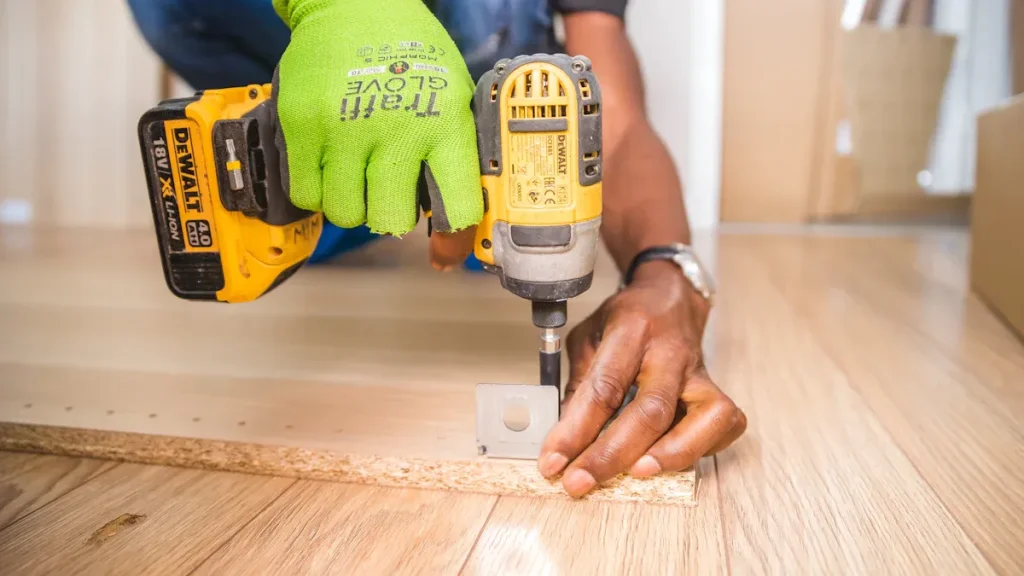
When you look for a jig, you find many models. Each one fits different needs and budgets. You see simple tools for quick repairs and advanced systems for big projects. Here is a quick look at the most popular jig options.
1. Single-hole pocket hole jig
Single-hole pocket hole jigs are small and can be used in small projects or simple pocket hole joinery. They allow you to drill one joint at a time, which is precise and controlled.
These jigs are very popular among novices who study the application of pocket hole jigs and DIY repairs. Although they are slower on large projects, they are cheap, portable, and they are frequently regarded as the best pocket hole jig when it comes to quick, on-the-fly woodworking repairs.
2. Dual-hole pocket hole jig
A dual-hole pocket hole jig offers better spacing and drills faster than single-hole models. It is perfect when dealing with medium-sized furniture or shelving projects, and it enables users to easily make strong and balanced pocket hole joinery.
It is among the best pocket hole jigs that replace the simple tools used by those who want to upgrade to stable, quick, and high-quality joints of DIY and woodworking lovers.
3. Multi-hole pocket hole jig
Multi-hole pocket hole jigs are used to work in high efficiently. They can create more than three drill guides so that a variety of pocket hole joints can be created in a short time and with high precision.
These jigs are suitable for a cabinetry or a large-scale woodworking project. For serious DIYers or professionals, the type is one of the best uses of a pocket hole jig, which saves time and provides a perfect fit of pocket hole joinery on any project.
4. Adjustable pocket hole jig
A pocket hole jig has an adjustable pocket hole that provides the option of varying angles and spacing of holes to suit various wood thicknesses.
This allows it to be used in all kinds of pocket hole joinery, from thin boards to heavy framesframe. It is regarded as one of the pocket hole jigs that users can use in case they change the material most of the time. Ideal when DIYers require precision, flexibility, and control in their woodworking arrangements.
5. Portable pocket hole jig
Pocket hole jigs are portable and can be used anywhere; they are lightweight and can be used in any repair, on site construction, or small DIY projects. They are also highly portable and this has made them one of the most suitable pocket hole jigs to use by beginners and hobbyists.
They offer great pocket hole strength in joinery, even though they are small. These jigs demonstrate the usefulness of pocket hole jigs to make quick and stable joints without the entire workshop setup.
How to use a pocket hole jig
You want to know how to use a pocket hole jig. Here is a step-by-step guide for beginners:
- Measure the thickness of your board.
- Set the board thickness on your jig.
- Adjust the drill bit collar to match the board thickness.
- Clamp your board with the jig.
- Drill the pocket holes.
You can follow these steps to get strong, neat pocket hole joints. Avoid mistakes by using the right screw length and pre-drilling pilot holes. You tighten screws until snug, not too tight. You plan pocket holes with the wood grain for stronger joints.
Tips for choosing the best pocket hole jig for your needs
When choosing the best pocket hole jig, it’s important to evaluate your project needs, skill level, and workspace setup. Here’s a comprehensive guide to help you make the right choice:
- Project Size: Depending on the magnitude of the work, select a jig. Jigs with a single hole are suitable for small repairs or small furniture, and multi-hole jigs are more appropriate for large constructions or mass production.
- Adjustability: Find jigs where you can set the drilling angle and spacing of holes. Adjustable jigs are flexible to work with various types and thicknesses of wood.
- Build Quality: Choose jigs of heavy metal or reinforced plastic. A robust structure means accurate drilling, durability, and minimal movement throughout the operation.
- Portability: A portable jig will be a good choice in case you work on different sites or have a small work area. They are portable and simple to carry, and also ideal for fast setups.
FAQ
How do you know which pocket hole jig to choose?
You examine the magnitude and competence of your project. A simple pocket hole jig is applicable for minor repairs. Greater projects require enhanced capabilities and assistance.
Can plywood take a pocket hole jig?
Yes, it is possible to work with plywood by using a pocket hole jig. Strong joints are obtained by fixing the depth of the drill and screw length to the thickness of the plywood.
Are special screws required in pocket hole joinery?
Pocket hole joinery is done using special self-tapping screws. These screws stop the splitting of the wood, and they also allow it to fit every time.
Conclusion
The pocket hole jig is an easy tool for woodworking that provides great power, speed, and accuracy to any work. There is a jig at all levels of skill, whether it is a single-hole or an adjustable best pocket-hole jig. To get quality and long-lasting jigs and other tools used in woodworking, visit Vevor and get quality tools for your projects.