A plumbing inspection checklist is your secret weapon to prevent costly problems before they start. By regularly checking pipes, fixtures, and drains—sometimes using an inspection camera for hard-to-reach areas—you can spot leaks, corrosion, or slow drains early—no plumbing expertise required. It’s simple and quick and can save you hundreds in repairs while keeping your home safe and comfortable.
Even small issues, like a dripping faucet or a loose pipe joint, can turn into major headaches if ignored. With a few basic steps and a checklist in hand, anyone can stay ahead of plumbing problems and protect their home efficiently.
Why Inspect Your Plumbing Regularly
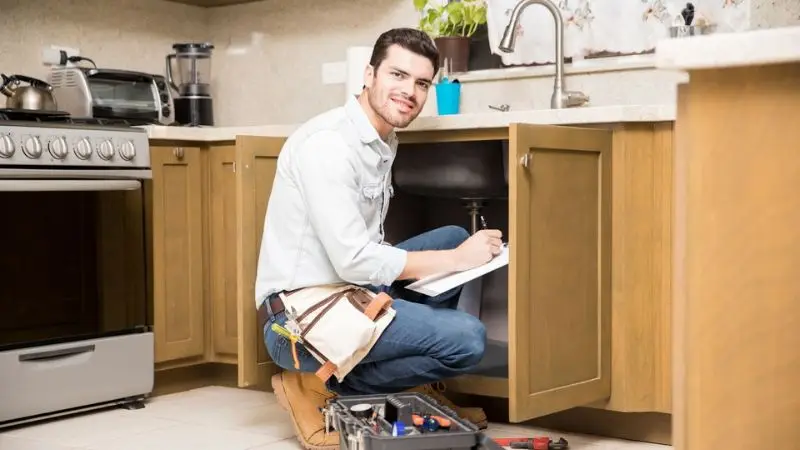
Routine plumbing checks are not only a shop maintenance plan but also an important measure towards keeping your house and your wallet safe. Most issues identified early on, before they become expensive to repair, are detected by undertaking regular inspections of your plumbing. As a homeowner, buyer, or seller, one should know what to consider in a plumbing inspection to maintain their home more than ever. That is why regular examinations are important.
Prevent Costly Plumbing Repairs
Homeowners are only aware of plumbing problems in case of an enormous problem. A small leak under the sink or a drip might not matter much; however, neglecting it may result in costly replacement in the future. When carrying out a regular check, you will be able to notice a loose installation or a minor crack in the very beginning.
The results are that by correcting these problems in time, you will be spared the time and costs associated with the damage of water and the structural issues. A plumbing inspection checklist is a requirement for homeowners so that you do not miss these areas that matter most, so that your plumbing is in the best shape.
Ensure Home Safety
Plumbing problems are not just costly—they can also pose serious safety risks. Leaks can lead to mold growth, creating health hazards for your family. Broken pipes may cause slippery floors or compromise your home’s structural integrity.
For homes with gas water heaters, undetected leaks can even be dangerous. Conducting regular inspections protects both your loved ones and your property. Whether you’re preparing to sell or buy a house, following a plumbing inspection checklist for buyers or a plumbing inspection checklist for sellers helps you identify hazards before they become major issues.
Routine Plumbing Inspection
Incorporating routine plumbing inspections into your home care plan is simpler than it sounds. You don’t need advanced tools or special skills—just a careful eye and a consistent schedule. Walk through each room every few months, checking pipes, faucets, and fixtures for signs of leaks or damage.
If you notice anything unusual, you can address it immediately or call a professional. By using a plumbing inspection checklist for homeowners, you make inspections efficient and thorough, ensuring peace of mind and fewer unexpected emergencies.
How to Get Ready for Your Plumbing Inspection
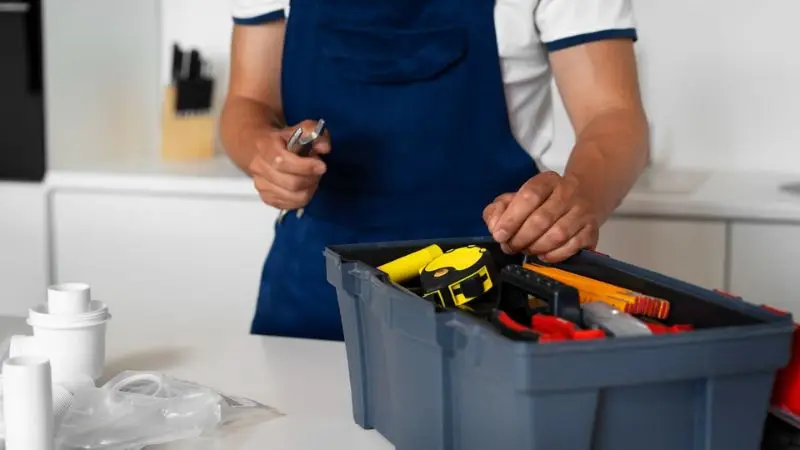
Before you dive into a plumbing inspection, it’s important to be prepared. A few basic tools and safety steps can make the process easier and more effective. Whether you are using a plumbing inspection checklist for homeowners, a plumbing inspection checklist for buyers, or a plumbing inspection checklist for sellers, preparation ensures you catch potential issues early and keep your home safe.
Tools You’ll Need
One of the things you do not require in doing a plumbing check is having fancy gadgets. Most of the products are probably already in your toolbox or in your home. Here are the essentials:
- Flashlight: To use in sinks and dark spots.
- Variable clamp: To tighten loose plumbing fittings.
- Gloves: Save your hands from dirt and sharp objects.
- Small mirror: Lets you peek behind pipes or into hard-to-see spots, perfect when using an inspection camera.
- Towel/rag: items used to dry spills or leakage.
- Notepad and pen: To write down any issues that you notice.
Record pictures of leaks or damage in the case of a smartphone. Photos can help you clarify matters to a plumber and create a record of the plumbing inspection checklist for a homeowner.
Plumbing Safety Guidelines
Safety should always come first during inspections. Water and electricity don’t mix, so stay alert. Put on gloves and closed-toe shoes, and ensure your workspace is well-lit. Use your flashlight to spot corrosion, drips, or leaks. If water is near electrical outlets, stop immediately. Never attempt repairs that seem risky, and always leave the area if you smell gas. Following these steps keeps both you and your home safe.
Simple safety checklist:
- Wear gloves and closed-toe shoes
- Keep a flashlight handy
- Use an inspection camera for hard-to-reach areas
- Watch for wet floors
- Avoid touching electrical outlets
- Never ignore unusual smells
Find Your Main Shut-Off Valve
Every homeowner should know where the main water shut-off valve is. In the event of a big leak, you need to stop the water quickly. The valve is usually located in the basement, crawl space, or near the water meter outside.
Look for a round or lever handle on a pipe and turn it clockwise to shut off the water. Practice locating and operating the valve before starting your inspection. This simple step is a crucial part of what to look for in a plumbing inspection, and it can save your home from major water damage.
Plumbing Inspection Checklist
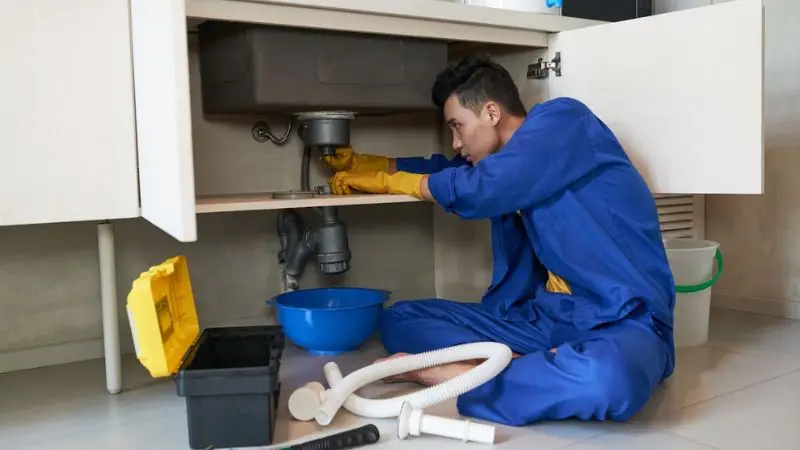
Home security and preventive maintenance are the ways to keep your home safe and avoid spending money on repairs. The plumbing checklist of a homeowner can be room-to-room and help you at least notice where the small problems begin early enough to turn into big problems. Get your flashlight and notepad, and follow this easy guide.
How to Check Kitchen Plumbing
There is a high amount of water consumption in the kitchen, using sinks, dishwashers, and even refrigerators. Begin the inspection below the sink and continue to work outward. Turn your flashlight on all the pipes and check whether they are dripping, overflowing, or having spots of wet. Look at the possibility of corrosion by checking against green or white spots.
- Turn on the tap and examine any leaks on the bottom.
- Close and open shut-off valves to be able to move freely.
- Check the dishwasher hose to see if it is cracked or has lumps.
- Test the refrigerator to see whether the refrigerator has a water line.
- Test pipes with moisture or cold; it may require additional insulation.
Having the kitchen on your plumbing inspection checklist as a homeowner will make sure you identify any leaks or corrosion when they are still new, save money, and prevent water damage.
How to Check Bathroom Plumbing
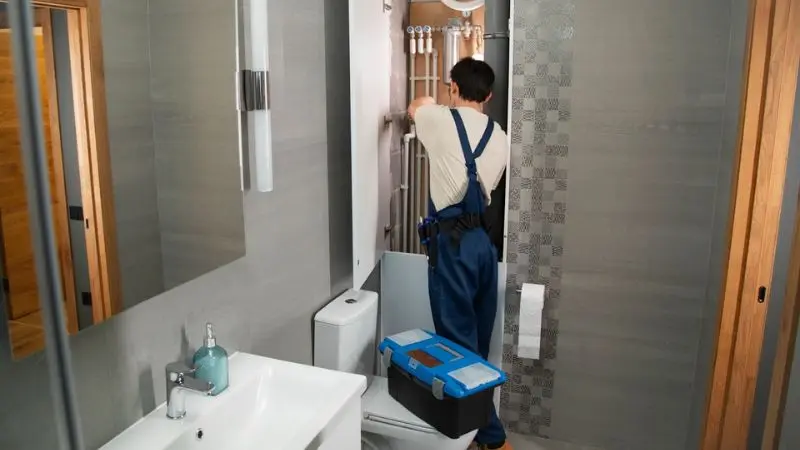
Bathrooms are prone to hidden water problems. Small leaks here can lead to significant damage if ignored. Use your flashlight to inspect behind the toilet, under the sink, and around the bathtub or shower.
- Flush the toilet and watch for leaks at the base.
- Look for water stains on walls or ceilings.
- Turn on faucets and the shower to check for slow drains or drips.
- Inspect caulking around tubs and showers for gaps.
- Feel pipes under the sink for dampness or rust.
Checking the bathroom is an important part of what to look for in a plumbing inspection, helping prevent mold, water damage, and costly repairs.
How to Check Laundry Plumbing
Laundry rooms and utility spaces often hide plumbing issues that can cause big problems. Check behind washing machines, utility sinks, and exposed pipes.
- Inspect hoses for cracks, bulges, or leaks.
- Ensure the drain hose is secure.
- Look for puddles or water stains on the floor.
- Check utility sink pipes for drips or rust.
- Feel pipes for proper insulation.
A plumbing inspection checklist for homeowners should include laundry areas. Replacing old washing machine hoses every five years can prevent bursts and water damage.
How to Check Basement & Outdoors
Basements and outdoor plumbing are often overlooked, but can hide leaks or corrosion. Walk through these areas with your flashlight and inspect visible pipes and faucets.
- Look for rust, corrosion, or leaks on exposed pipes.
- Check for water stains on the basement walls or floors.
- Test outdoor spigots to ensure they turn off completely.
- Inspect pipe insulation, especially before winter.
- Make sure sump pumps are functioning properly.
Adding basements and outdoor plumbing to your checklist ensures no hidden leaks go unnoticed, keeping your home safe year-round.
How to Check a Water Heater
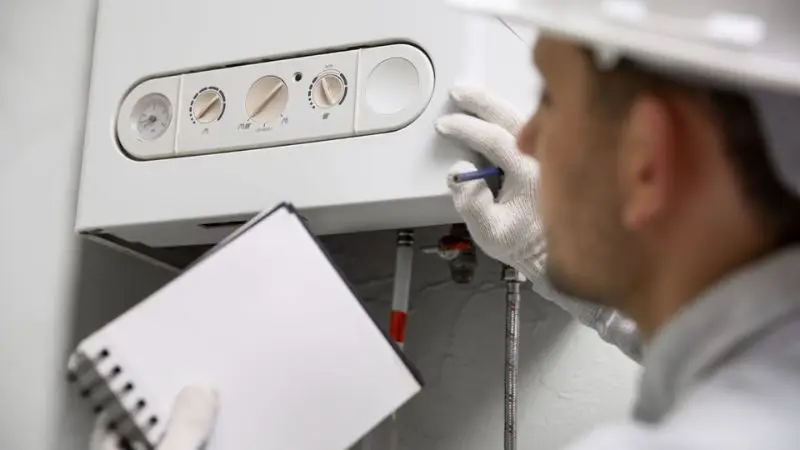
Water heaters play a key role in comfort and safety. Check the tank and surrounding pipes as well as the pressure relief valve.
- Check whether there is rust or water on the base.
- Pay attention to strange noises when turned on.
- Check pipes immediately before and after the heater.
- Perform a trial on the pressure relief valve.
- Determine the warmth or wetness around the unit.
Having your water heater on your homeowner’s plumbing checklist is a sure way to make sure your water is always hot and that you do not have any leaks or gas risks.
How to Check Water Pressure
Proper water pressure indicates a healthy plumbing system. Low pressure can signal leaks, blockages, or other issues.
- Turn on a faucet and observe the flow.
- If pressure is low, check other faucets to see if it’s a whole-house issue.
- Record the water meter reading, avoid water use for an hour, and check for changes.
- Inspect the meter for rust or standing water.
A plumbing inspection checklist for homeowners should always include a water pressure and meter check. This helps you identify hidden leaks before they escalate.
Following this room-by-room plumbing inspection checklist for homeowners protects your home and your wallet. Regular inspections help catch small problems early, ensuring your plumbing stays efficient, safe, and damage-free.
When to Call a Professional
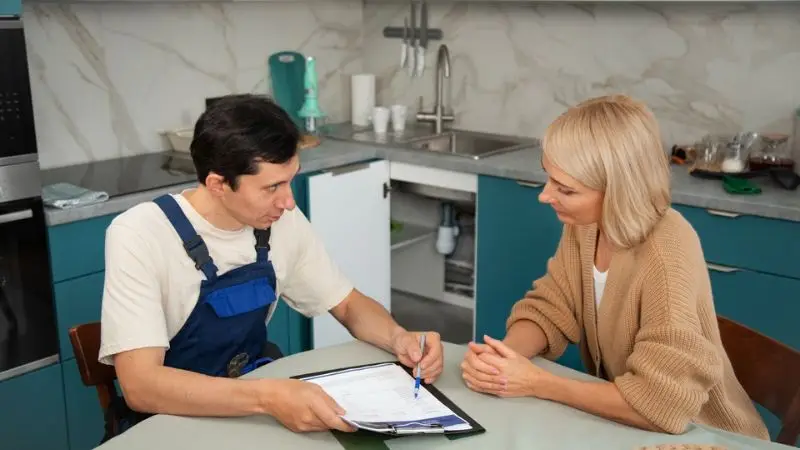
In spite of this detailed DIY plumbing inspection, not all issues can be safely handled by most homeowners. The most important thing to remember is to call a professional when you think that your home is in danger, and damage can be rather expensive. Homeowners have a plumbing checklist inspection tool that aids in the detection of plumbing problems, yet there are cases that demand the urgent services of experts.
Plumbing Warning Signs
During your inspection, certain signs indicate you need a professional plumber right away. Major leaks or unusual symptoms should never be ignored.
- Water stains keep returning despite cleaning.
- Pipes appear rusty or have green spots.
- Banging or whistling sounds come from pipes.
- Water pressure drops across all faucets.
- Mold or musty odors are present.
- Water heaters leak or make loud noises.
- Standing water appears in basements or outdoor areas.
If you smell gas near your water heater or pipes, leave the home immediately and call for help. Safety comes first. Following a plumbing inspection checklist for homeowners ensures you catch these warning signs before they escalate.
Know Your Limits
DIY plumbing inspections are excellent for catching small problems early, but some repairs are too risky to handle alone. Attempting major fixes without the right tools or training can worsen the damage and increase repair costs. You should call a professional plumber when:
- You cannot locate the source of a leak.
- Pipes are badly corroded or broken.
- Water pressure remains low after checking for clogs.
- Water damage is visible on walls or ceilings.
- You feel unsure about any plumbing repair.
Professional plumbers have specialized tools and expertise to resolve issues safely and efficiently. Knowing your limits protects your home and saves money in the long run. Trust your instincts—if a problem feels too complex or dangerous, it’s time to call a pro. Using a plumbing inspection checklist for homeowners or a plumbing inspection checklist for sellers/buyers can help you clearly communicate issues to the plumber and ensure nothing is overlooked.
Wrap Up
Regular plumbing inspections protect your home, save money, and keep your family safe. By following a plumbing inspection checklist for homeowners, buyers, or sellers, you can spot leaks, corrosion, or other issues early. Inspect kitchens, bathrooms, laundry areas, basements, water heaters, and outdoor faucets to prevent costly damage.
Pay attention to warning signs like low water pressure, mold, or strange noises, and call a professional when needed. Making inspections a habit ensures your plumbing stays in top shape, prevents emergencies, and gives you peace of mind, all without needing to be a plumbing expert.
FAQ
What is the frequency of checking my plumbing?
You must also inspect your plumbing after every three to six months. Frequent checks will identify any leakages or damage on time. Create a reminder on your phone so that you don’t forget.
What if I find a small leak?
Fix small leaks right away. Loosely fitting fittings should be tightened, or worn washers should be changed. In case you are in doubt, seek the services of a plumber. Actions in time cost less and avoid larger issues.
Is it possible that I can leave checking outdoor faucets?
Don’t skip outdoor faucets. Even in cold weather, these can break and freeze. Testing helps to check leaks by turning them on and off. Look for drips or rust. Outdoor checks secure your home throughout the year.
Does completing a plumbing inspection require any special tools?
No fancy tools needed! Most checks should be done with a flashlight, gloves, and a wrench.
A small on-hand mirror allows you to look behind pipes. These are necessary on all inspections.