Transforming any space by painting is a good idea, but the mess it leaves behind can be annoying. This is the reason plastic sheeting becomes a necessary tool for painting. Whatever the object may be, furniture or vehicle, this simple material can save time and money.
This detailed guide will walk you through everything about plastic sheeting for painting, with product recommendations and expert tips. It will help you choose the right type for your project. Let’s begin to explore more about it!
Exploring plastic sheeting for painting
Plastic sheeting for painting is a thin, elastic polyethylene sheet that protects surfaces from paint spills and dust. Painters and DIYers use it as a drop cloth or protective layer during home renovation tasks.
It creates a barrier between paint and surfaces like furniture, floor, vehicles, and instruments. It’s lightweight, disposable, and easy to handle.
Industrially, it is widely used for painting because of its convenience in cleaning and affordability.
Reasons for using plastic sheeting for painting
Plastic sheeting for painting offers several advantages that make it a suitable option for DIYers and professionals. Competitive research from painting suppliers shows that plastic sheeting has become the most trusted tool for surface protection and renovation work. The reasons for these are:
Protection from paint damages
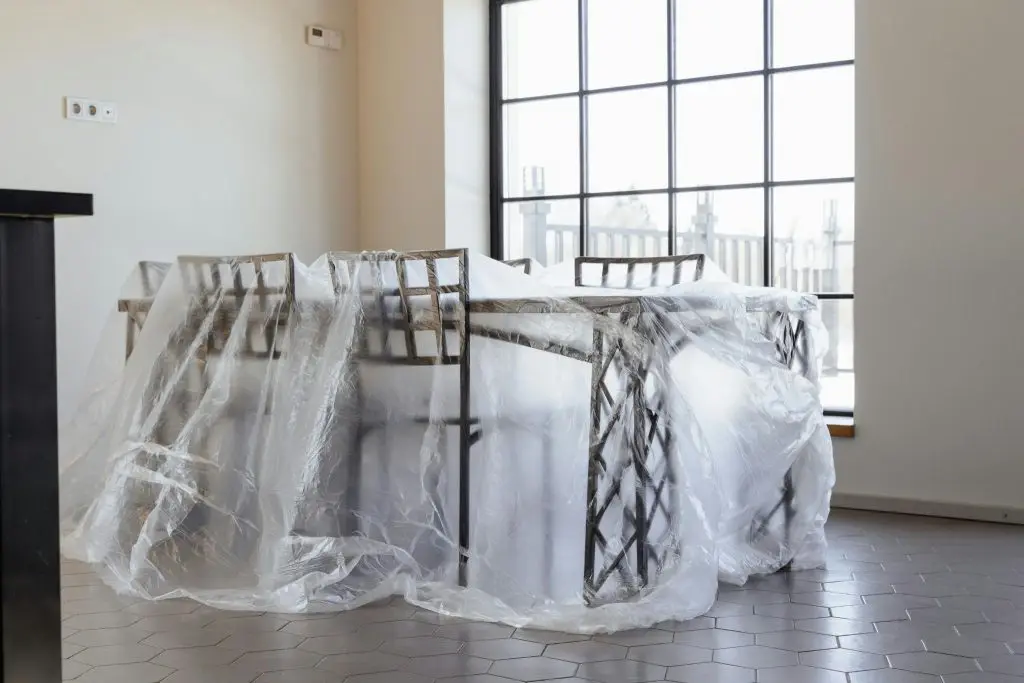
It protects furniture, floors, and carpets from paint drips and splashes. This is the main reason for using it in furniture, appliances, and floors. It creates a waterproof barrier that blocks paint from soaking.
Professional painters cover entire rooms before starting work because small paint spills can be so expensive to repair. Therefore, they use plastic sheeting for industrial use.
Prevents dust and debris
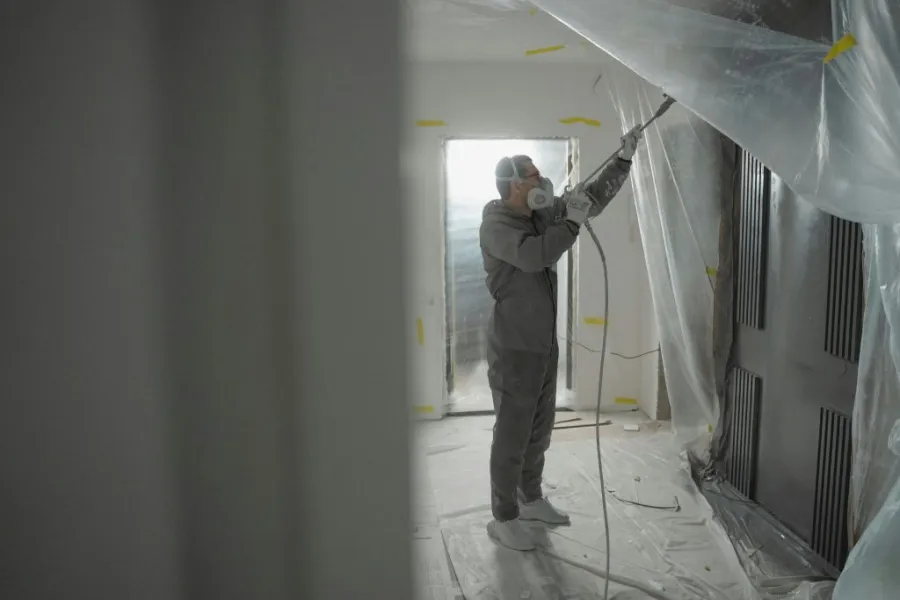
Painting projects often involve scraping, sanding, and surface preparation. The result is dust and debris that enter the nearby rooms. Plastic sheets help contain the mess and keep the home clean.
For heavy-duty projects, contractors use thicker sheets as temporary barriers. It is used to reduce cleanup time after painting work.
Flexible and lightweight
Plastic sheets adjust around objects and are easy to spread. They are flexible and cling to walls and furniture, which helps them stay in place during painting.
Affordable for large projects
Plastic sheets are more cost-effective and widely used as compared to canvas drop cloths. Large rolls cover large surface areas at a low price making it ideal for commercial tasks. They can be used multiple times and add more value.
Versatile use
It can be used outdoors and indoors for paint renovations and dust control. It protects walls, furniture, and floors in interior tasks. In outdoor projects, it shields surfaces from dust, wind, and moisture from painting.
Types of plastic sheeting for painting
Selecting the right types of plastic sheets depends on your project requirements. Following are the common types of plastic sheets used for painting:
Fragile plastic sheeting
This type of plastic is below 1 mil in thickness. It works best for small jobs like shelves or furniture. Light coverage plastic sheets are ideal for light painting. They are easy to handle, but they can tear if used in heavy projects.
Moderate plastic sheeting
Moderate plastic thickness sheets of around 1 to 2 mil are ideal for most painting tasks. One of the examples is BOEN 2 Mil clear plastic drop cloth which is tear-resistant and durable for indoor painting care. They are perfect for covering walls and floors.
Sturdy plastic sheeting
Thick plastic sheets of 3 to 6 mil give strong protection for required tasks. ALUF plastics’ 6 mil durable plastic sheet is especially designed for construction and painting. These types of plastic resist tearing and are suitable for large renovations and outdoor work.
Professional masking plastic
Manufacturers design special sheets for automotive painting tasks. 3M designs its automotive plastic sheeting for overspray control and car painting. It prevents paint from bleeding through and sticks to the surface.
Best plastic sheeting for painting
The type of plastic sheeting used depends on your project. A light or medium sheet is best for small indoor tasks, whereas thicker sheets provide protection for outdoor use. Consider these features before selecting the right plastic sheet for your project:
- Tear resistance
- Waterproof material
- Proper size coverage
Heavy-duty plastic sheeting for painting
Painters use it widely for painting projects, and contractors favor it for construction sites, outdoor jobs, and large renovations. It can handle rough conditions without tearing and gives long-lasting durability.
These sheets are thicker and provide better protection against moisture. In many cases, they are reusable.
Transparent plastic sheeting for painting
Clear plastic sheeting for painting is a popular choice to allow visibility while protecting surfaces. You can clearly see the covered items without removing the sheet. It is especially useful working around furniture or equipment where visibility is valued.
Plastic sheeting for painting cars
This category is specialized for automotive work. Because of its affordability and easy handling, it prevents overspray and protects other parts of the automobile.
Plastic sheeting for painting cars enhances paint adhesion and reduces contamination. They are commonly used in garages and workshops.
What factors to look for in the right plastic sheeting
Choosing the right plastic sheeting for painting depends on some factors:
- Thickness: It is measured in mil, and durability depends on the thickness of the sheet
- Size: The correct size covers the entire area without gaps
- Cling ability: The adherence of the sheets to surfaces makes them easier to use
- Type of project: Light sheets are for small tasks, while heavy sheets are for outdoor
Useful tips for plastic sheeting
Get the best results and follow these tips for practical use:
- Use painter’s tape to secure the edges
- Use thick sheets for floors and high-traffic areas
- Don’t walk on the sheets to avoid slipping
- Fold the sheets carefully after use to avoid spreading paint
Careful use gives maximum protection and reduces cleaning time.
Common errors to avoid
Many people misuse plastic sheeting, which gives poor results:
- Using thin sheets for heavy tasks can cause them to tear easily
- Loose sheets can expose surfaces to paint, and they also fail to secure the edges
- Reusing damaged sheets provides proper protection
Avoiding these mistakes can give you better results.
Conclusion
Plastic sheeting for painting is a simple and powerful tool to make any painting project cleaner and more capable. It protects the floor and covers the entire room in achieving proficiency.
Its adhering quality to the surface is suitable for furniture, automobiles, wooden floors, cleaning, and repair works. In short, homeowners and professionals widely use it for indoor and outdoor spaces. Understanding the types of plastic sheets, uses, and following the useful tips from experts will help you make the most of this productive thing.